
Jeff Garrison
Bluemont and Mayberry Presbyterian Churches
May 28, 2023
Numbers 11:16-30
At the beginning of worship:
It’s Pentecost, which is often cited as birthday of the church.[1]It’s also Memorial Day weekend, a time to honor those who gave their life for our country. And while it hasn’t quite felt like it lately with our cool morning temperatures, summer is right around the corner.
Summer is a season to celebrate. Not only because of God’s Spirit, it’s a season to realize some of God’s greatest gifts: homegrown tomatoes, okra, sweet corn, and evenings to sit outside and listen to nature’s chorus as birds, bugs and frogs sing praises. During summer, we should be even more thankful!
Before reading the scripture:
Pentecost is about the coming of God’s Spirit. We heard about it in our earlier reading from Acts. God’s Spirit descends and 3000 people are saved. For my sermon this morning, I want us to turn to the Old Testament book of Numbers. (Anyone bring a calculator?) Here we have another occasion in which God’s Spirit moves.
The Hebrew people are in the wilderness. Having fled Egypt, they wait for the green light to go into the Promised Land. But first, they need to learn a few things. This chapter has several interwoven themes:
- The Hebrews complaint about food (They’re tired of manna and demand meat).
- A worn-out Moses doesn’t know how much of this complaining he can take.
- And God, by all indications, also seems to be weary of complaints. God takes care of Moses while teaching these hardheaded people a lesson they’ll never forget.
You might want to read the entire chapter later, as it all goes together. I’ll hit the main themes which are in our reading today.
READ 11:16-30
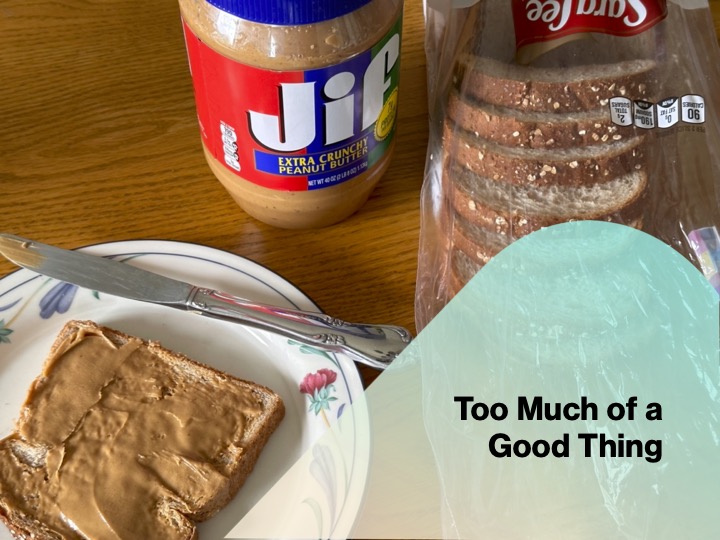
I’ve always loved peanut butter. It’s amazing I still do.
Learning a lesson
One day, I think it was in the fall of my second-grade year, I was hungry after the academic rigors of the classroom. Coming home, I started digging in the kitchen cabinets to find food. I spotted a large jar of peanut butter, a three pounder. It’d just been opened. There was a bit taken out, but most of the top of the butter was smooth and untouched and so appealing. Seeing no one around, I dug out a finger full. I ate it off my finger and then went for another dip. That’s when my mom entered the kitchen.
You know, Mom could have been proud of me for taking care of a basic need, hunger, but that’s not the way she operated. She maintained a clean house. In her book, sanitization went along with godliness. Seeing my finger covered with peanut butter, she grabbed the jar and asked, “What do you think you’re doing?” Then Mom the Cop became Mom the Judge. I was given hard time. I had to eat the rest of the jar of peanut butter. For the next month or two, before I could eat whatever we were having for lunch or dinner, I had to down a peanut butter sandwich. No jelly, just peanut butter. That jar of peanut butter was now mine and I had to eat it all! It’s a miracle I still like the stuff.
Before Thanksgiving dinner with turkey and stuffing, I ate a peanut butter sandwich. Before the Christmas ham, I ate a peanut butter sandwich. By New Years, peanut butter was running out of my nostrils. I felt a special kinship to the Hebrews in the wilderness…
Threads within the passage
As I mentioned, this passage contains several different threads. The Hebrew children are tired of eating the same thing day after day. An exhausted Moses is tired of leading the people, and a weary God, with a sense of humor, is expected to make everything right. Within these stories, we are provided, on several different levels, an understanding about leadership, human greed, and the ways of God and God’s Spirit.
God’s solution to Moses’ weariness
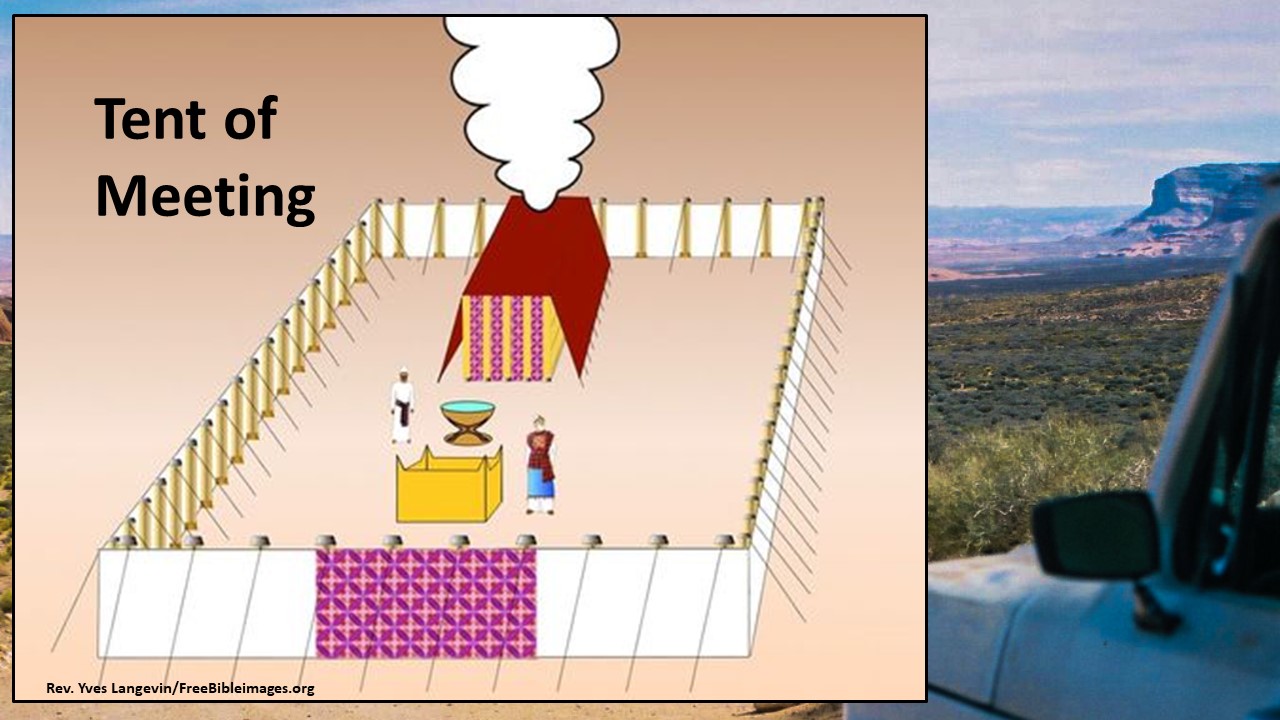
God tells Moses to gather seventy elders and to bring them into the tent, the tabernacle, the place where they’re reminded of God’s presence. God wants to relieve Moses’ burdens and plans to do this by taking some of Moses spirit and placing it on the elders. We might assume this will provide them the encouragement they need to help lead.
Furthermore, God promises to help in another way. Hearing the complaints about their bland diet, God promises meat. So much meat, in fact, they’ll get sick of it (just like I got sick of peanut butter). They’ll eat meat until it runs out their noses (thankfully we do not have a potluck dinner today, for this is not a passage to preach on such an occasion).
Moses questions God’s ability to act
Moses, however, doesn’t worry about them getting sick. Looking around the wilderness, he can’t image how God is going to give a morsel of meat to all these people. It would take a lot of herds to feed everyone, and cattle drives were unknown in the Sinai.
“Moses,” God asks, “do you think God Almighty is limited in power?” And if you read on ahead in this chapter, you’ll find that God does have the power to work in a seemingly natural way to provide for the people’s needs. God brings forth a great wind that blows in quails and the people feast on stuff game hens and after a month, they’re sick of them.
Moses’ obeys
For now, Moses obeys God. He calls together the seventy elders into the tabernacle. While Moses and the seventy huddle in the tent, the Lord descended in a cloud and takes some of Moses spirit and sprinkles it upon the seventy. I’m not sure why God didn’t just give them some of his own Spirit. Maybe God wants to emphasize Moses’ leadership.
Then everyone begins to spout prophesies, including two men back at the camp. These guys, it seems, were supposed to be with the rest of the men. We’re not told why they didn’t go to the tent, but they too show signs of the Spirit. People become alarmed. A kid runs to tell Moses about what’s going on.
Before Moses has a chance to react, Joshua, his second in command, steps in and demands the men be stopped. Moses, however, refuses. Notice how Moses handles this situation. Like God had done to him, he gently rebukes Joshua with a question, “Are you jealous for my sake?”
God’s Spirit is free
A key to understanding this passage is the truth Jesus taught Nicodemus. The Spirit of God is like the wind and will blow whenever it so desires.[2] We can’t control the wind, no better than the disciples could control the tongues of fire on Pentecost. God’s Spirit is that way. We have no control over it; we’re at God’s mercy.
Moses’ life is a testimony of trusting God
Moses understands. The life of Moses is a testimony to the power of the Spirit, a power that changes and redirects human lives. Moses is our example. God changed him so that through him, God could offer hope to an entire nation. Moses experiences this power firsthand. While he’ll question God, he knows better than to try to control God,. He’s willing to let the two men continue prophesying.
Joshua, a Presbyterian?
Joshua, on the other hand, wants everything to be neat and in order. He’s the good Presbyterian in the group.[3] To him, it just doesn’t seem right someone outside the assembled group in the tent would behave in such a fashion. “It’s bad for morale,” he concludes. Maybe he thinks these guys will undermine Moses’ authority.
We should give Joshua credit, he’s loyal to Moses, but he fails to understand the powers with which they deal. God’s Spirit is beyond even Moses’ control. Ultimately, it’s not loyalty to Moses that matters. The question Joshua should have asked himself, (and we should all ask ourselves) “What is the will of God?” Are we loyal to the God who creates, redeems, and sustains all life?
Understanding God’s freedom
When we try to control God’s spirit, we get into trouble. God’s ways are not our ways. We don’t always understand what God is doing, even when God works through us. What’s important is for us to be open for God movement. We need to spend time studying his word and being in fellowship with him and other believers so that when God’s Spirit beckons, we will hear the call and respond.
Be careful of what we ask
Be open to the leading of God’s Spirit, but there is a second underlying theme that I want us to briefly consider. You’ve heard, I’m sure, the old saying, “be careful what you ask for, you just might get it.” This might have been the occasion the proverb was first used. It would be like us praying for rain and getting a flood. Or wanting some peanut butter and having to endure a whole jar. We got to be careful of what we ask and expect from God, we might just get it…
The Hebrew litany
The Hebrew people constantly bickered with Moses during the Exodus journey. Their litany, which they continually recited, went something like this:
- Why did you bring us out here? To be killed by the sword?
- Why did you bring us out here? To die from thirst?
- Why did you bring us out here? To starve to death?
- Why did you bring us out here? To die of boredom from a bland diet?
These people had a hard time trusting the Lord, even though the Lord always came through. God saved them from Pharaoh’s army. God provided water when their lips were parched, and manna when their stomachs growled. But it was never enough! Instead of taking stock with what they had and giving thanks, they always wanted more. And when they had enough, they wanted something better.
Before demanding more, be thankful
Now, I don’t think it is wrong, in and of itself, to desire better things. Hard work is a good. It’s the foundation of free enterprise capitalism and helps improve our world. But we must be careful! It’s wrong to want more without giving thanks for what we already have. As believers, we must bring our desires into alignment with God’s will. Otherwise, like the Hebrews in the wilderness, we’ll be miserable. Only when we are content with what God supplies, will we find contentment.
Who should we emulate?
My advice, after considering this passage:
- We shouldn’t be like the people of Israel, only looking out for ourselves and wanting more.
- We also should not be like Joshua, jealous of others with God’s power.
- Instead, we should strive to be like Moses, open to God’s leading!
Be ready for the Spirit to act
If we are open to what the Spirit is doing, we too can be good leaders. But we should never forget that it takes more than just us. It takes God’s Spirit working in our lives and in the lives of others. Like Moses, we can never be a leader in a vacuum. We depend on others, and we depend on God’s Spirit if we want to be of use in building up the kingdom. This is what Pentecost is all about: God empowering us to further God’s kingdom.
We have a God of power who can enable us to do wondrous things. Do you believe it? Are you open to God’s spirit in our lives, in the life of our church, our community and our world? If so, hang on! God might surprise us still. Amen.
Commentary consulted
Philip J. Budd, Word Biblical Commentary: Numbers (Waco, TX: Word Books, 1984), 122-131.
[1] Pentecost is fifty days after Easter and is also known as Whitsunday. It was also a Jewish celebration and pilgrimage following the wheat harvest. In time it became known as when the giving of the law occurred on Sinai. It was on this day, according to Acts 2, that the faithful had gathered and the Holy Spirit descended upon them, sending the disciples out preaching. This is why some see it as the “birthday” of the church, but that date could also be the date Jesus says that he would build his church upon Peter the Rock (Matthew 16:18), or in the sending out the disciples (Matthew 10:1), or the 70 to do mission (Luke 10:1-10).
[2] John 3:8.
[3] We Presbyterians take seriously what Paul says about “decently and in order.” See 1 Corinthians 14:40.

It seems the old 3 pound jars of peanut butter are now 2 pounds and 8 ounces.
 We are coming to the end of our series on the “Land Between,” and our study from the 11th Chapter of the Book of Numbers. Next week, we’ll begin our Lent Journey, as we make our way toward Easter. Our theme for our Lenten series will be “Busy.” It’s a timely series; we all struggle with busyness. As a way of catching our breath, we’re going to be encouraged by scripture to reconnect to an unhurried God. As a warning, we’ll be doing a few different things in worship. It’ll be exciting, so come and invite others who feel hurried in life to join us for a refreshing break each week as we gather on Sunday.
 Little Tommy was riding in the backseat as the family came home from church. “What did you learn in Sunday School today,” his father asked.
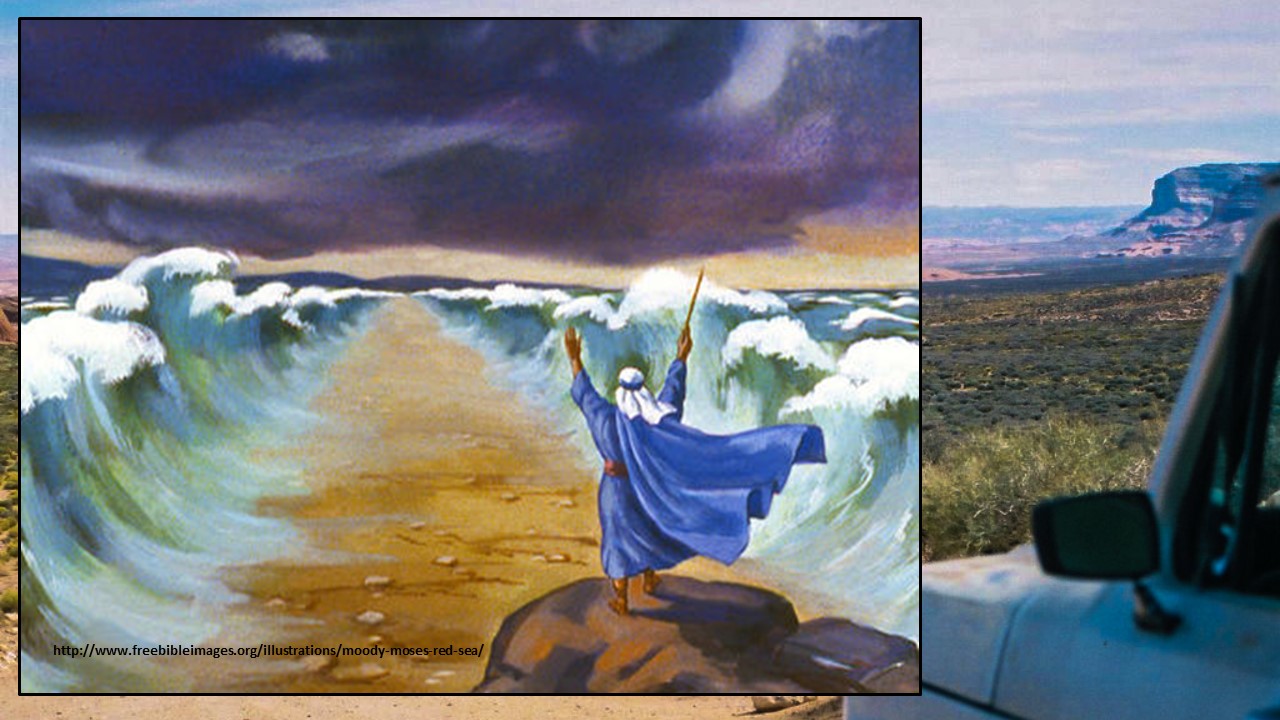
 Now back to Moses. He’s the face people see. And because they still aren’t sure what’s up, he’s the one who receives all the complaints. He’s weary and needs help. But unlike the people who have questioned God’s goodness, thinking the Almighty led them into the desert to die, Moses trusts the Lord. After all, God has always comes through. When Israel’s back was up against the sea, it wasn’t Moses who parted the sea. He might have lifted his arms as we see in the movies, but it was God, the one who watches out for Israel, who saves the day.
 Let’s look at the text. After the elders were commissioned, they received the spirit and prophesied. That was all well and good, and expected. But what happens next is that there were two men, who were not in the assembly, who showed signs of having the spirit placed upon them. They, too, prophesied. This was disturbing, for these were not ones who were supposed to be doing this. A runner (a 14th Century BC tattle-tale) was sent to Moses saying, Eldad and Medad are prophesying in camp. Joshua was ready to have them stopped but it didn’t bother Moses. “Let them be,” Moses responded. “Are you jealous for me? Wouldn’t it be nice if all God’s people were prophets?”
 What can we take from this passage? How might it apply to our topic of growth? There are two things that come to mind. First of all, as we see in the story of the Exodus, we have to take the risk to follow and to trust God. It can be scary at times, but if we are willing to take that risk, God will protect and watch over us. Faith isn’t about certainty; if it was, it wouldn’t be faith. Faith is about trust. Do we trust God enough to take a risk that will allow God to show us that he’s with us? When God’s church grapples at what its future might be, those who are willing to take a risk are the ones rewarded. It’s easy to sit back and do nothing, but that’s not the type of followers Jesus calls. As the Session of this church works on our strategic plan for the future (and this is a process), I hope you will be open to new directions. God calls us to risk in faith, not for our glory, but for God’s. Are we up for taking risks? We can’t keep doing the same thing that might have worked for us 30 or 40 years ago. Times change and new strategies are required. We are called to be people of faith and we must live into our calling.
 Secondly, we learn in this passage that we’re not in control and we need to let God’s Spirit work. Those who were upset with Eldad and Medad show a human tendency to have preconceived ideas of what it looks like when God shows up. We have to be ready for surprises, for God’s ideas may be different from ours. God has this incredible love for all people, not just those who look, think and act like us. We might be surprised what God is doing in our midst and it might make us uncomfortable. Someone might come up with a new idea that we’ve never tried before, or that was half-heartedly tried years ago. Is our first reaction to immediately reject it? Or are we willing to see if God’s Spirit’s is leading us in a different direction? The truth of Jesus Christ never changes, but how we live out that truth within a changing culture will be different.
 Remember, it’s not about us. We’re called to have faith, to trust, and to follow Jesus as we move through the “Land Between.” And if we have faith, we will experience growth in our own lives and within the community. We might not know what that growth really looks like until afterwards, but when we are there, we will know that God has been with us. Amen.
 Jeff Garrison
 Robert Ruark began quail hunting with his granddad at the age of eight. The opening story in his wonderful book, The Old Man and the Boy, is about a quail hunt. To the chagrin of his mother and grandmother, his grandfather, “the Old Man,” brought him a 20 gauge shotgun. They headed out into a pea field with two dogs. Quickly, the dogs were pointing and the Old Man gave him a shell and told him to load up. He broke open the barrel, slipped the shell into the breech, and snapped it closed. Then as his pulled the gun up to hold at a forty-five degree angle across his chest, to be ready for when the birds flushed, he quietly slipped the safety off and stepped toward the dogs.
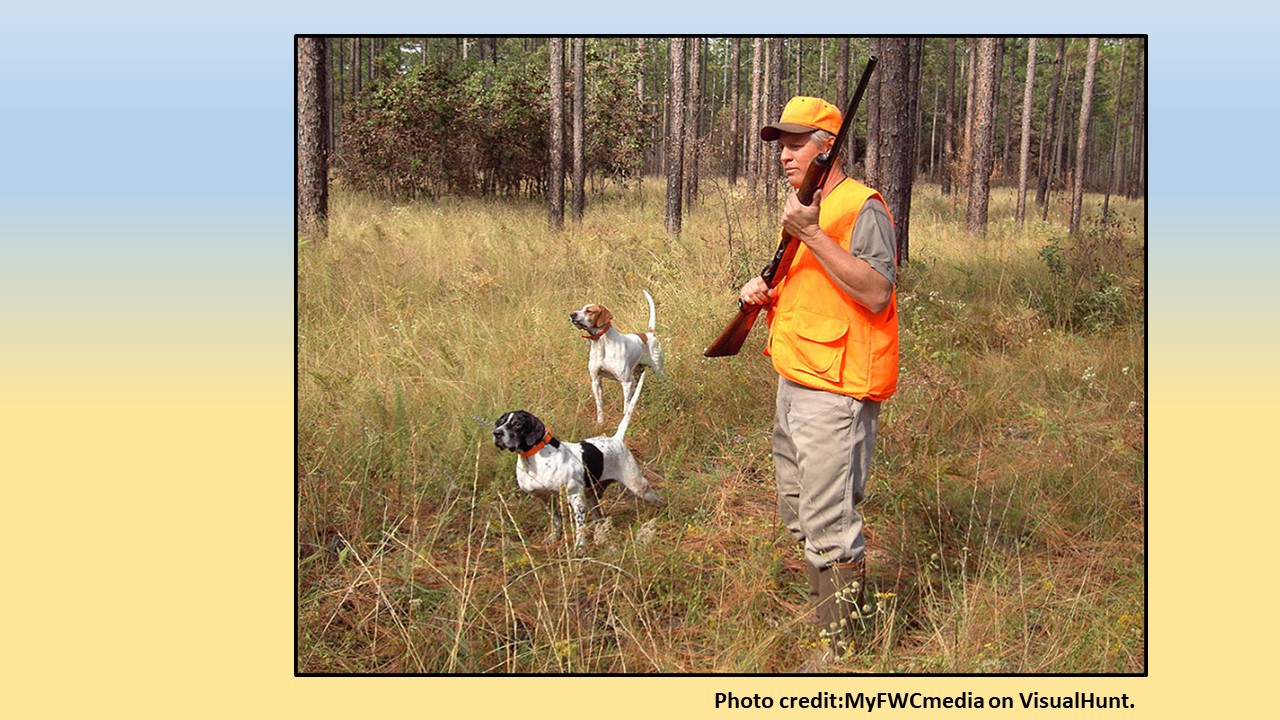 Shocked and a bit hurt, the young Robert Ruark handed his gun to his granddad, who set the safety, then headed out to the dogs. As the covey flushed, he shot a bird. When he came back, the boy yelled, “Why’d you take the gun away from me? It’s my gun. It ain’t your gun.”
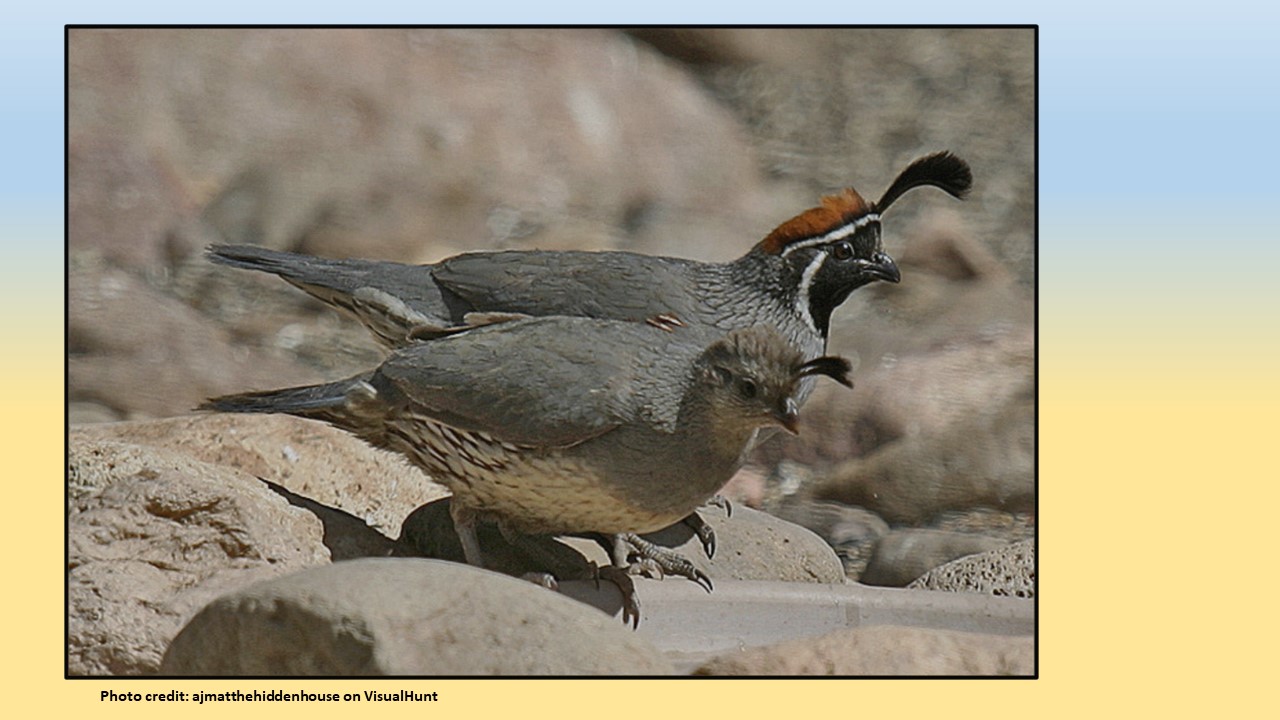 I wonder what the Old Man would have thought about the way the Israelites hunted quail. He probably wouldn’t care for it, but I expect he would understand God’s intention of teaching the Hebrew people some good habits such as placing their trust in the Lord. The land between is a good place to learn good habits.
 It’s almost as if God decides to overwhelm the Hebrew people with quail as a way to show them his power. They should have been thankful that the birds were quail and not ravens. Had it been the later, Alfred Hitchcock’s movie, “The Birds,” would could have been Biblical. But instead of the birds attacking, they are easily caught by the Israelites.
 I’ve been reading Eugene Peterson’s collection of sermons on Jeremiah, a prophet at a time when Israel was again facing some discipline. We don’t like the idea of discipline or judgment, do we? But it’s a frequent topic in scripture, probably because we (as humans) are so hard headed. Listen to what Peterson says about the topic:
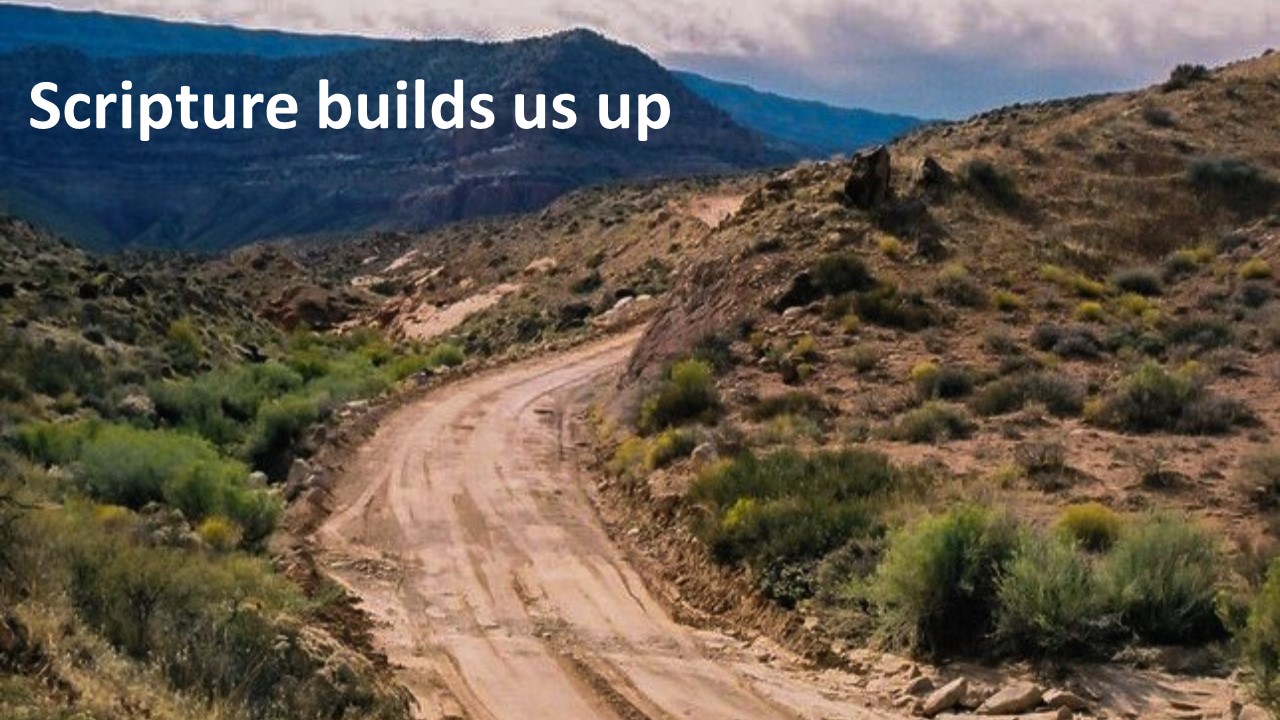 Scripture discusses judgment and discipline a lot. Some of you may think there’s too much judgment and discipline in Bible, but as Jeff Manion reminds us in his book, The Land Between, we have an advantage. As Paul wrote to Timothy, “Scripture is useful in building us up,” and if we allow Scripture to work in such a manner, we can learn from the mistakes of others.
 Yesterday afternoon I was sailing in a race. There was J-105, a much larger and faster boat than any of the rest of us. This boat set the mark. We were coming back up the river, against the tide, which is a time that you try to keep your boat out of the current as much as possible. One way to do this is to hug the side of the channel where the current is less. But there’s the risk of running aground. We watched that J-105, knowing that its keel was much deeper than ours. If it had problems with shoals and ran aground (which would have been the only way we could have caught it), we would know to steer clear. Scripture is like that, we get to see the mistakes of the Israelites and the early disciples, and can steer clear of them. We can learn from their discipline!
 There are many Proverbs that speak of the need for discipline.
 In the land between, we see that God, our Heavenly Father, disciplines his people in order for them to grow into a nation. When we are disciplined by God, we need to remember that God is loving us. God is correcting our behavior so that we might grow in our love and trust of him. Sometimes discipline is hard. I don’t know why so many people had to get sick and some of them had to die. But the God who gives us the breath of life can also take it away. But as we see, God wants his people to trust him as they are led through the desert and into the Promised Land. It’s an important lesson, for if they don’t trust him, the people will be lost. And that goes for us, too. If we don’t trust God, we are lost. Trust God; accept his discipline as a sign of love. God wants something better from us and for us. Amen.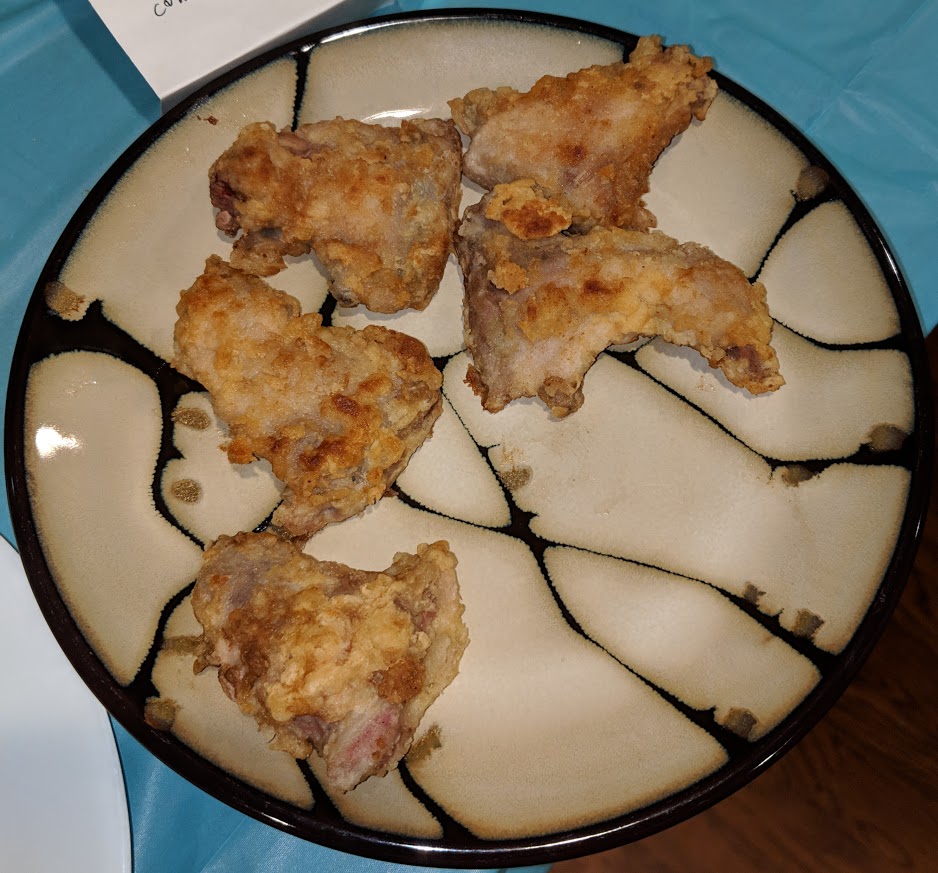
 Jeff Garrison
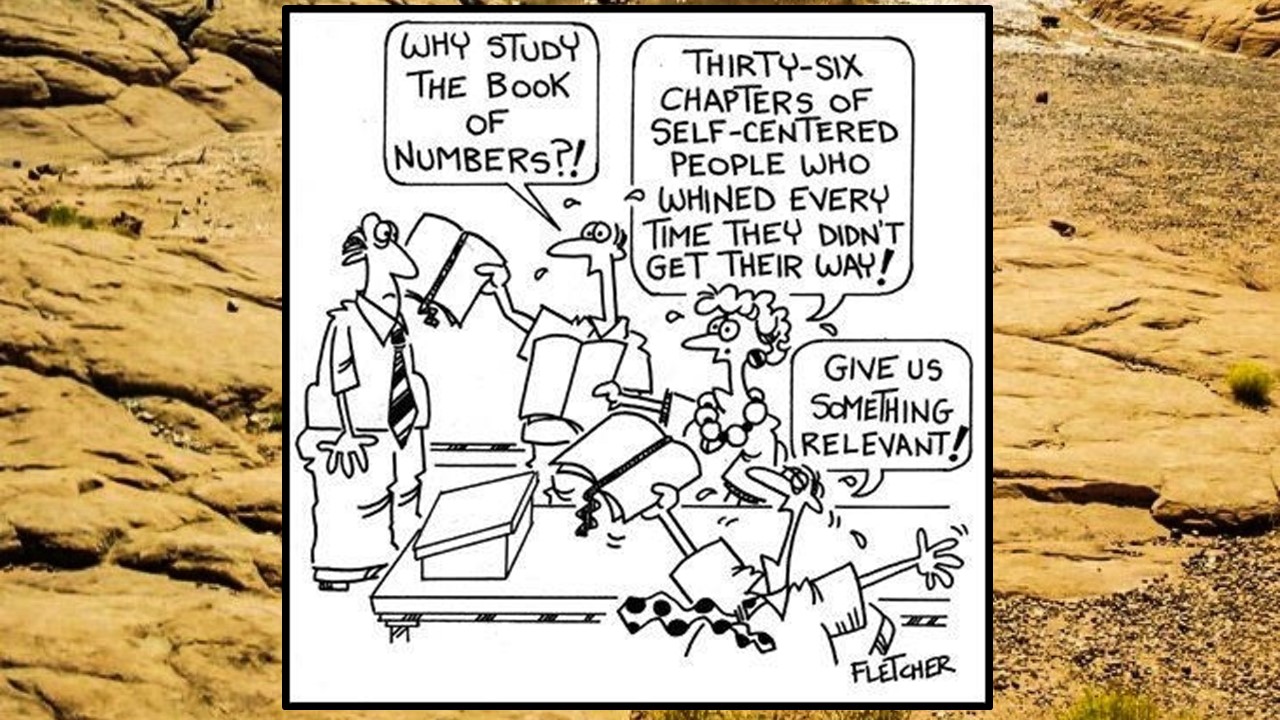 We are currently working our way through the 11th chapter of the book of Numbers. Some may wonder, “why Numbers?” After all, it’s an obscure book in the Old Testament, filled with whinny, self-centered people. What could Numbers have to do with us? Well, we’re not much different. We complain, we whine, we focus on our wants and desires, as we struggle trusting God…
 In this chapter of Numbers, the Hebrew people are in a crisis. They are in the land between, a hostile place between their former lives as slaves in Egypt and their promised future in the land of milk and honey. But they haven’t yet arrived and, in this in-between land, God forges them into a nation. They learn about temptations. In the last two weeks, we saw how it’s easy to be greedy and to complain in this land. The people’s complaints demonstrate their lack of trust in God. Moses, caught in his own land between, is being pulled apart by a grumbling people who want him to do their bidding and a God who expects him to lead the people. Although Moses also complains, he takes his complaints to God. “Believers argue with God,” I quoted last week, “skeptics argue with one another.”
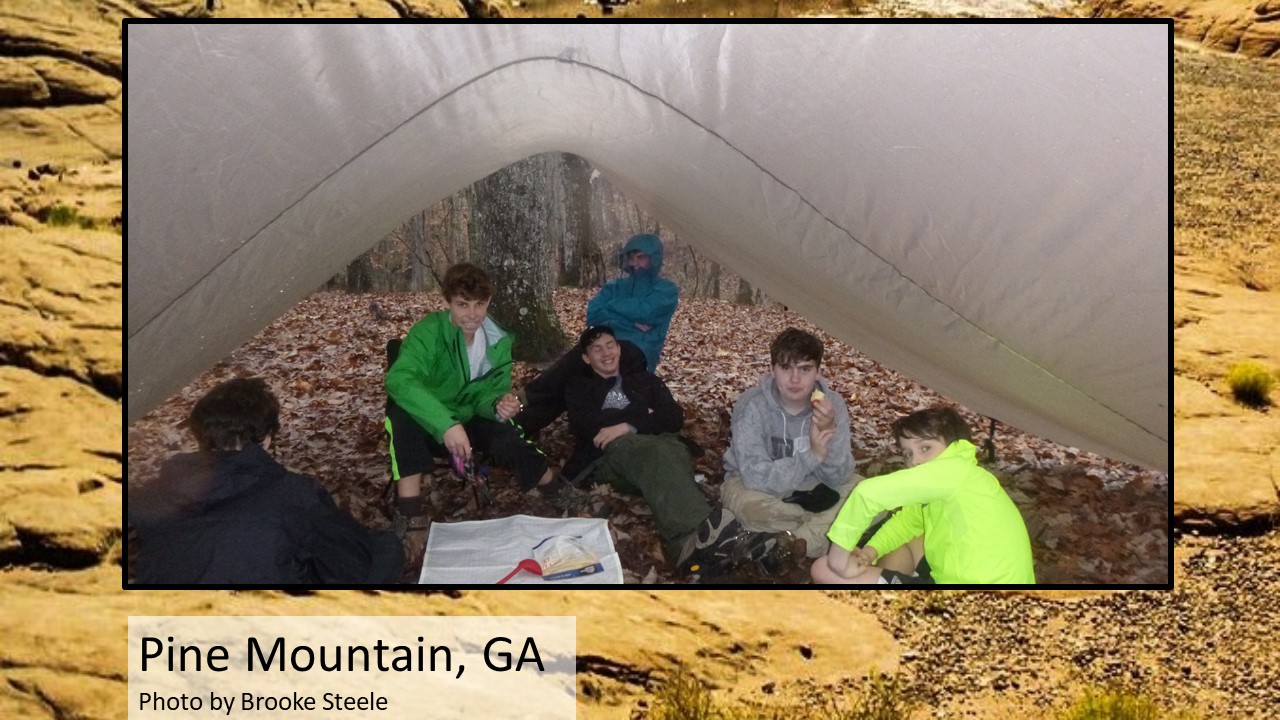
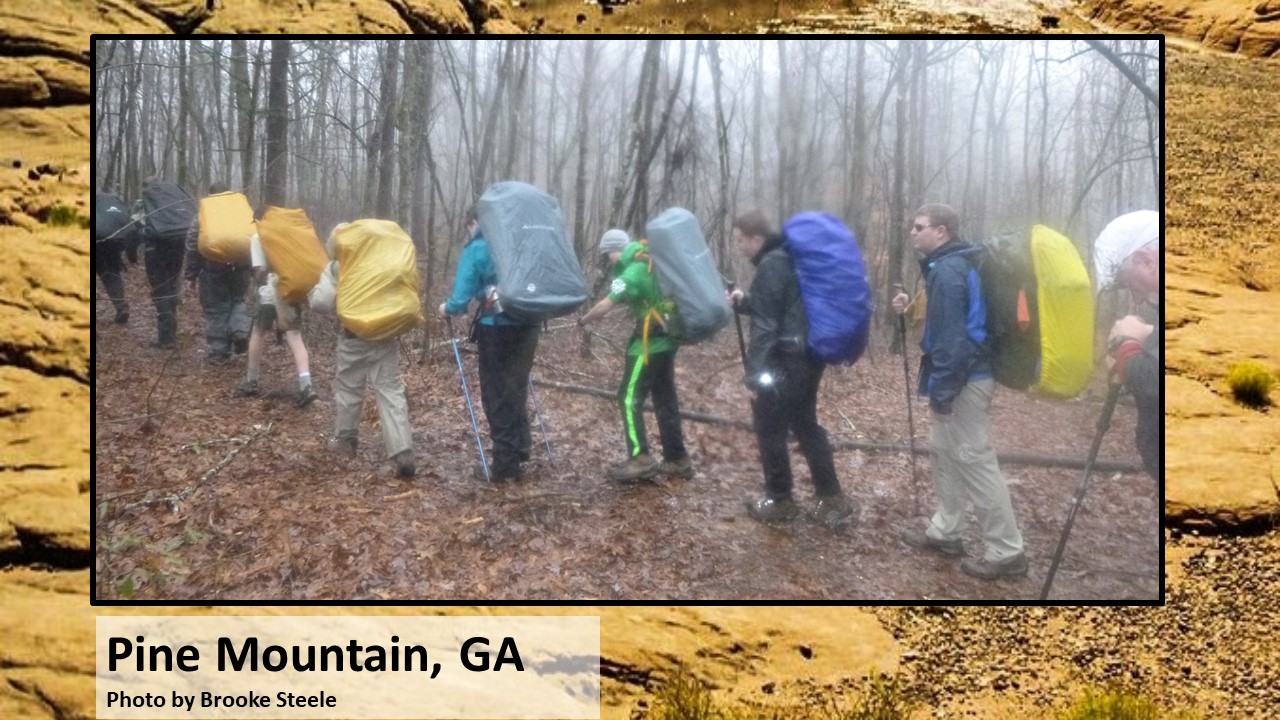 My first patrol leader was Gerald. He always seemed so mature even though he was probably 14 when I was 11. It rained on our first camping trip. That night Gerald gave his tent to two boys whose tent was flooded. Gerald said he would sleep in their tent. “Wow, this guy cares about us,” we thought. Of course, he was partly guilty for he suggested our tents to be lined up in a straight line and equal distance from one another. This one tent happened to be in a low spot. The next morning, Gerald was up early, helping build a fire. He was full of energy for one who had slept in a wet tent. We later learned he slept in the scout trailer which was even drier the rest of the tents.
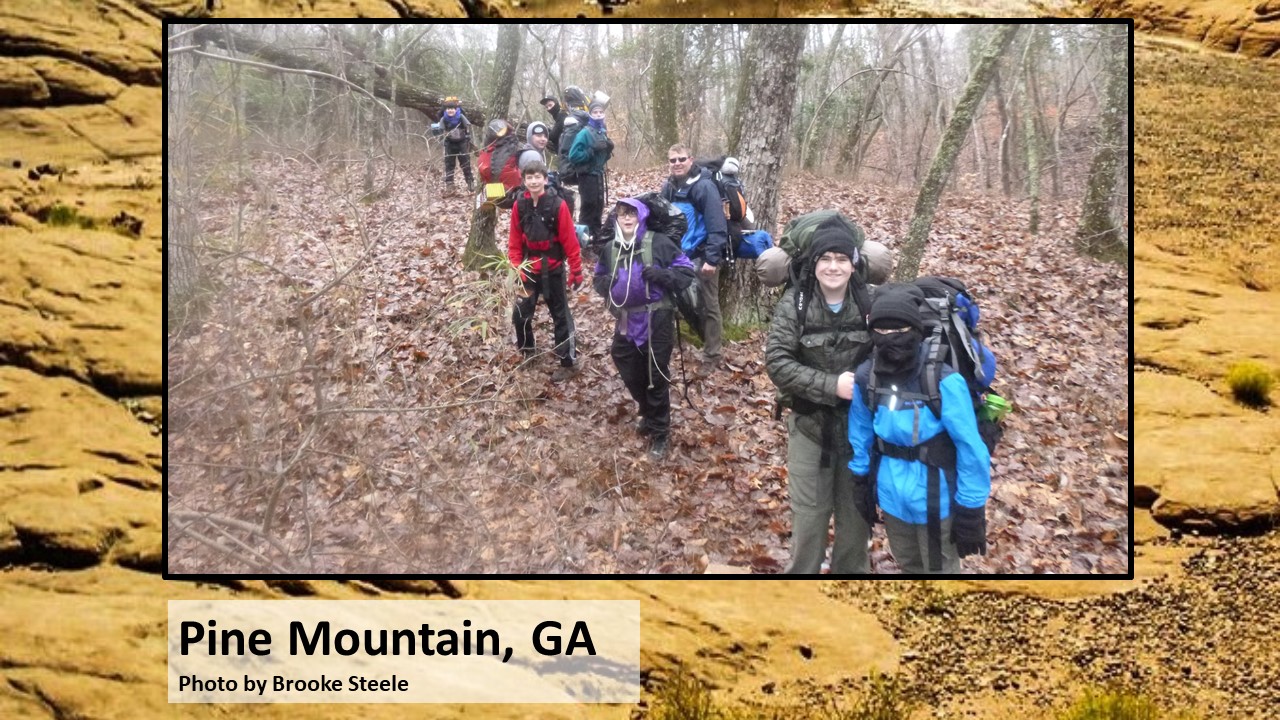 In our text today, we see God answering Moses’ pleas for help. God consecrates leading men of Israel. They’ll serve essentially as patrol leaders. Moses, with only his brother Aaron to help, has become weary by attempting to take care of everyone’s needs. Moses is like a scoutmaster without patrol leaders or an army general with no junior officers and no NCOs to implement the plan. To address Moses’ weariness, God has Moses pick seventy leaders from among the people and then takes some of the Spirit that was on Moses and gives it to those seventy. A new generation of leadership is established. This is the way the scouting program works. Those in leadership positions are constantly training new ones as younger scouts slowly take on the responsibility of the troop. And it’s the way the church is to work. As new leaders are elected, they are ordained by the church with the older leaders laying their hands on the new as a sign of ordination.
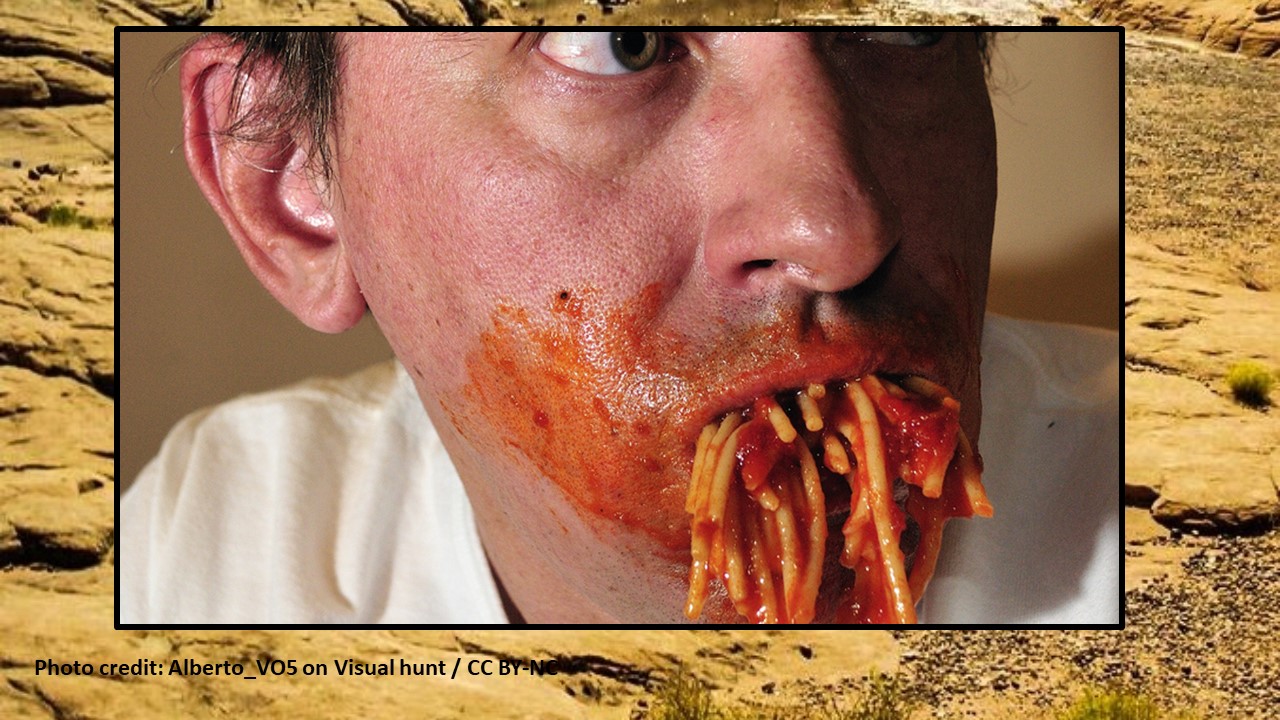 The people who have been complaining will also experience God’s answer to their prayer. Moses is to have them to get ready. They’re going to be eating meat! Of course, because they haven’t trusted God, they’ll eat so much meat they will get sick of it. It’ll be coming out of their nostrils, which isn’t a very pleasing picture. They had thought God had brought them into the wilderness in order that they might die, but now they’ll once again experience God’s power. God is able to answer their prayers and, in this case, will answer it in a way that they’ll wish God hadn’t.
 You know, it’s amazing I still love peanut butter. One day, when I was in the second or third grade, I was hungry after the academic rigors of the classroom. I came home from school and went into the kitchen in search of nourishment. I spotted a large jar of peanut butter, a three pounder. It’d just been open. It was full. Seeing no one around, I unscrewed the lid and dug out a finger-full. I licked it off my finger. It was so good! Then went for another scoop. I bet none of the Scouts have every done this, have you? About the point that I had dug out a second finger full of peanut butter, my mom walked into the kitchen and yelled a few chosen words that I had not known were in her vocabulary.
 When we are in the land between, there are plenty of opportunities to experience and learn from God’s graciousness. This is true for our scouts and all the rest of us, for we are in the land between, often, throughout our lives. We are all on a journey to a promised land, to the promised kingdom, to the heavenly banquet. And along the way, we should learn what we can. Amen.
 Jeff Garrison
 Last week, we saw how the “land between” was a dangerous place. Not only are there the obvious ones. For the Hebrews in the wilderness, such dangers included thirsting, starving, or dying by snake bite. For us, the dangers may be an illness, financial ruin, the loss of a relationship, the death of a loved one. These journeys are stressful. Israel had been called into this place by God, who is trying to teach her to trust him. But what if God doesn’t show up one day? What if God doesn’t provide? Of course, because God has called them into the wilderness, they should trust the Lord. So for two years, they have been trusting God for daily food and during this time, God has not failed them. This leads to the second danger, which we saw last week, which occurs in the land between: complaint. Instead of being grateful, the Israelites become greedy. They bicker and grumble about the quality of food. Such complaints fires up God’s anger, forcing Moses to intercede.
 This week, our text focuses on Moses. He’s the leader of these bickering people. Moses is in his own “land between.” He’s caught in the middle. God is on one side and an ungrateful people on the other. It’s a lonely place. All those complaints are getting to him. He can’t please the people. God wants him to be the leader and the people just want him to do their bidding. He’s God’s servant, but the people are looking at Moses as if he’s their errand boy. 1400 years later, Jesus will remind us that we can’t serve two masters.
 While we are not told that Moses contemplated suicide, we do witness in today’s text that he’s ready to die. He has certainly thought about death. It seems more desirable than continuing to live in the desert where life is hard enough, but is made unbearable by a bunch of whiners. Death seems better than to live in the middle and be pulled into two different directions at the same time. Moses has had enough. I like how The Message translation handles Moses’ complaint to God:
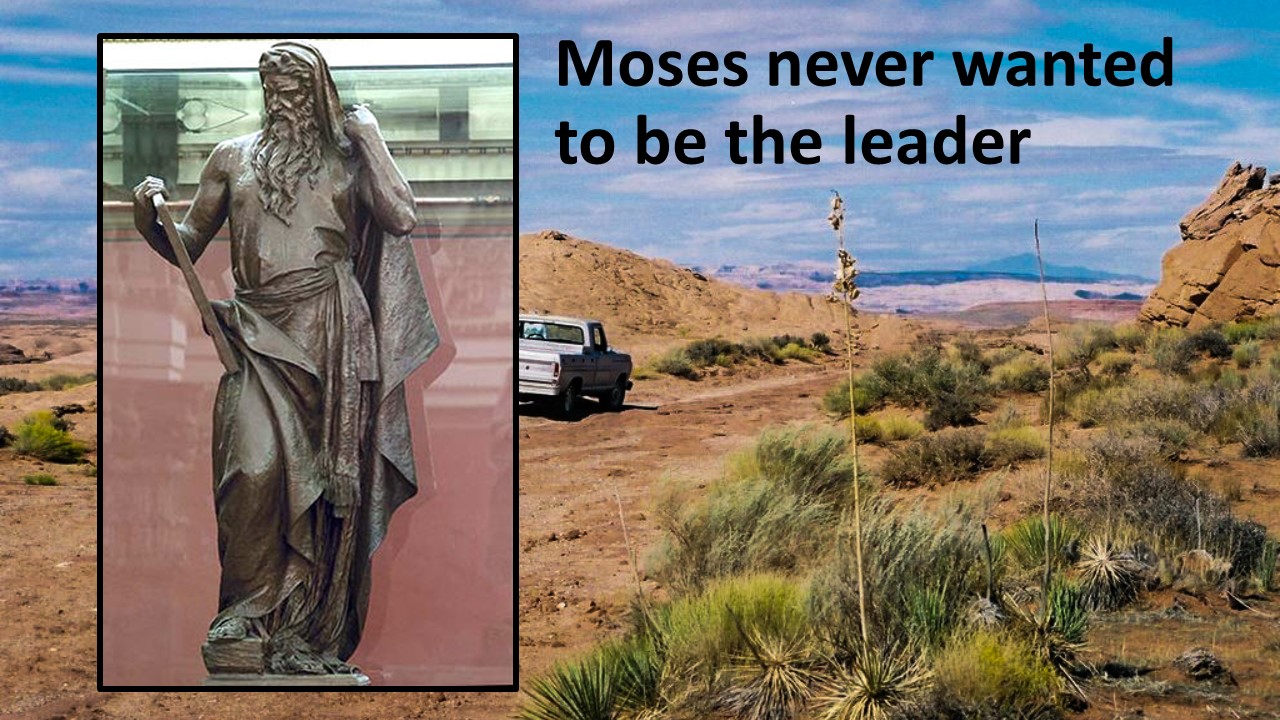 In addition to leadership being hard, often leadership is thrust upon people. Moses never asked to lead Israel out of Egypt. If you remember, he begged God to find someone else. He came up with all kind of excuses. “Lord, they’re not going to believe me.”
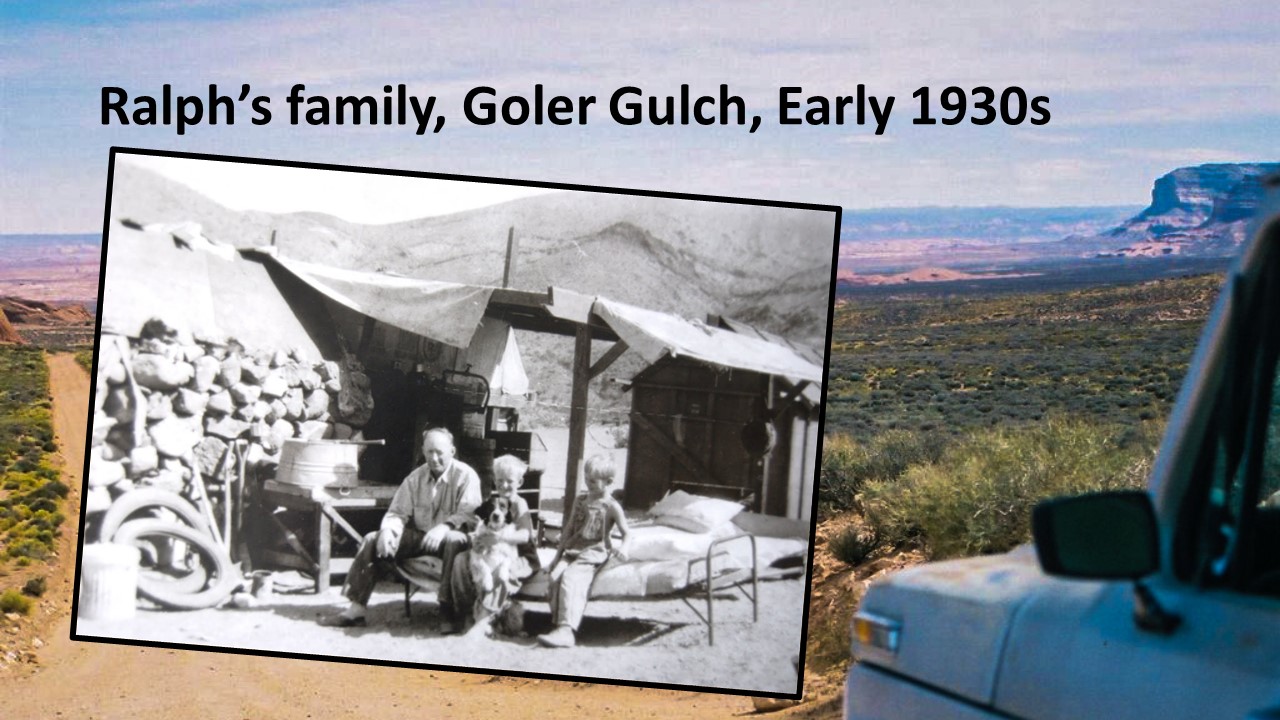 Ralph grew up in Goler Gulch in the Mojave Desert. He escaped that hard-scrabble life thanks to the Army Air Corp, spending the final few weeks of the Second World War in the Pacific. Afterwards, on the GI Bill, he earned a chemistry degree, but having grown in a mining camp, he remained interested in the industry. Because of this, he took a special interest in my dissertation on role of the church in the Nevada mining camps.

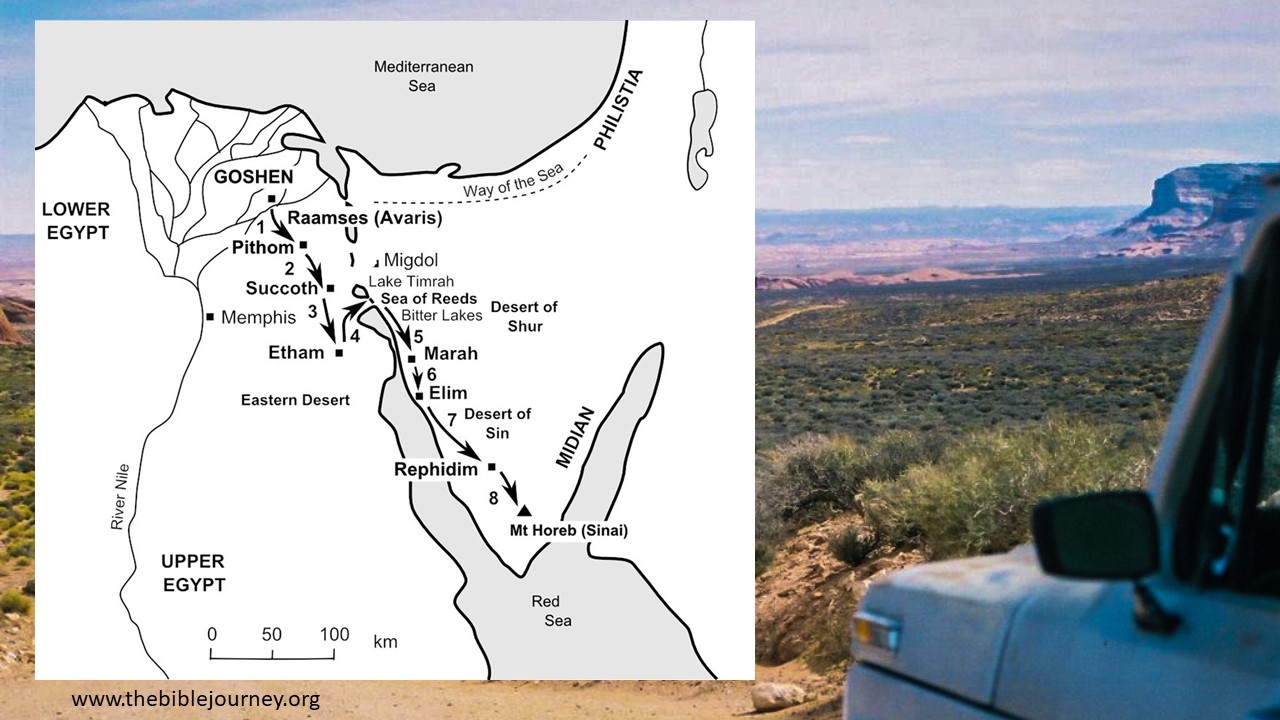
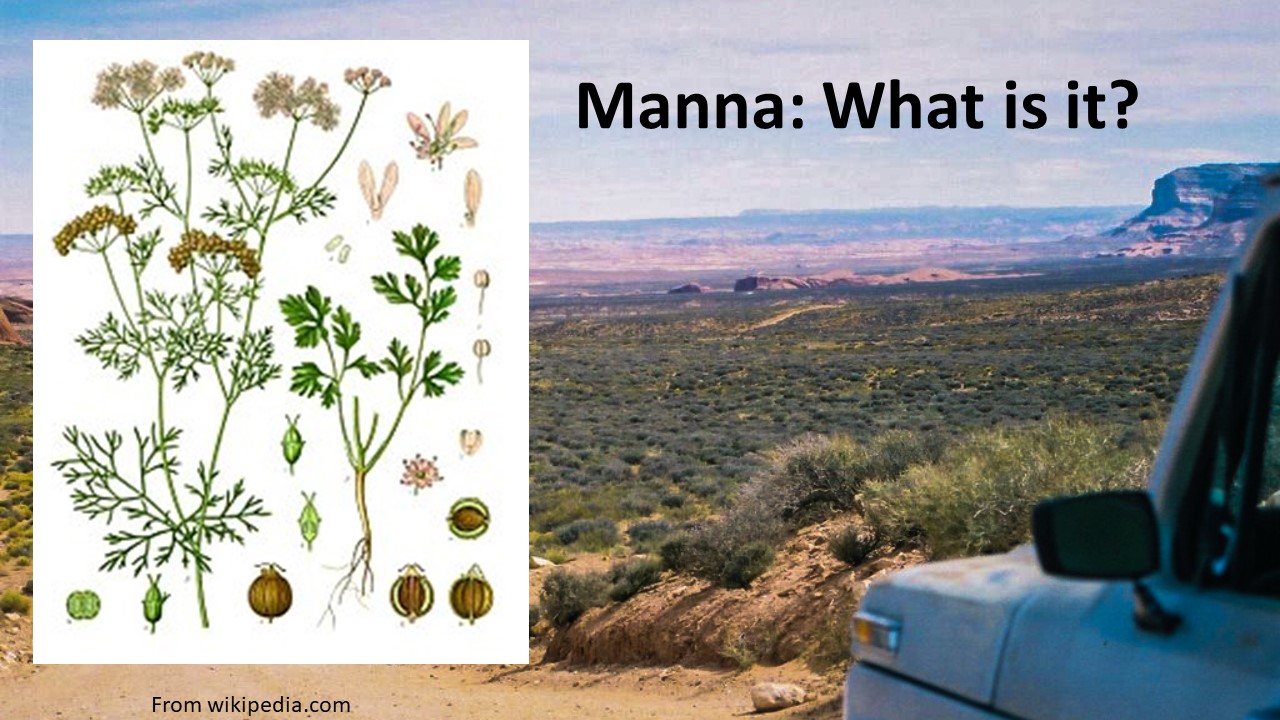 In the Book of Exodus, we’re also told more about manna, the collecting and gathering of this substance. The word manna means, “What is it?” Both books tell us it tasted like coriander seed.
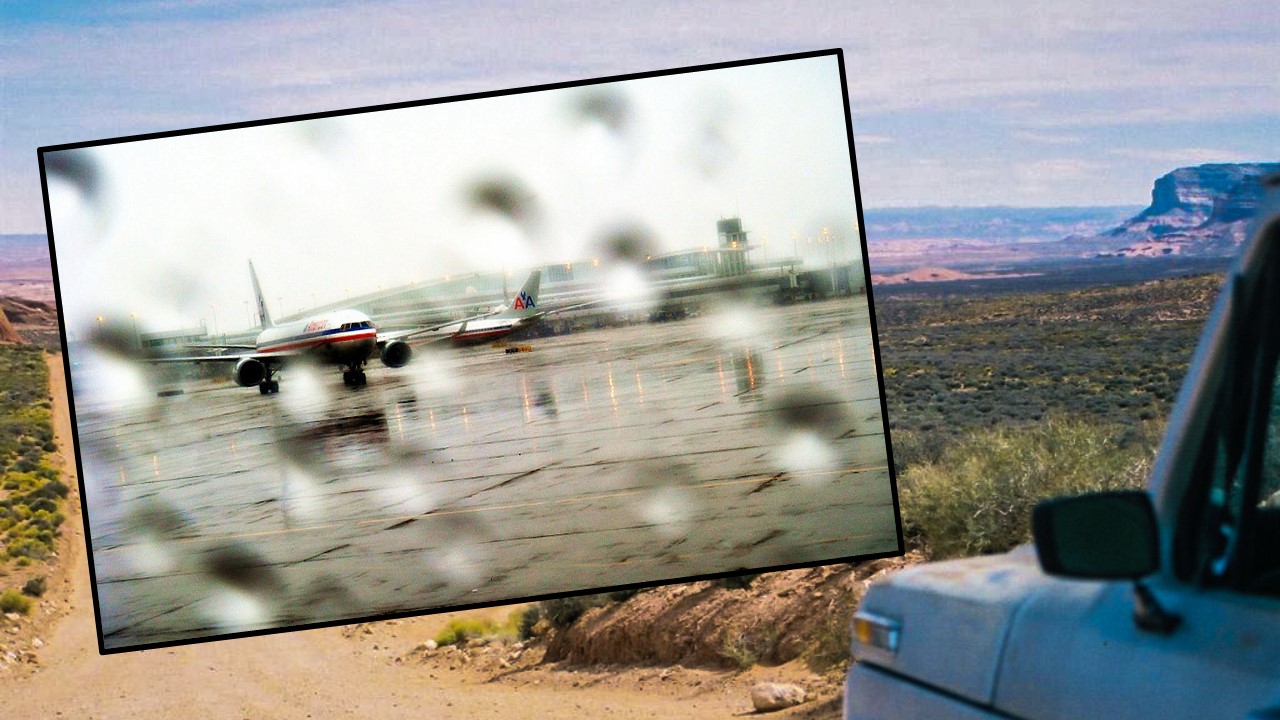
 It sounds like I justified Israel’s anger over their diet, doesn’t it? Certainly, it is not anything we would want to endure, right? But the point is that at some time or another in our lives and in our Christian journey, we’re going to be in the Land Between. We are going to be at the point in which all seems old and bland and that all there is to do is to wait. At such a time, we’re going to think like me in O’Hara: “how much longer can I endure this boredom?” Instead, I should have been thankful I was safely on the ground. It’s easy for us, like Israel, to fall into the trap of complaining. “Oh great, manna again.” Like Israel, it’s easy for us to start blaming. “Moses, why did you bring us out here, we had plenty to eat in Egypt? Did you bring us out here to die?”
 Hear this, the Land Between can be a dangerous place for our souls. As we transition to a new normal, we have to guard our hearts against the spirit of despair. If we go down the direction of despair, we easily end up believing that God is not good. Then we become bitter. Or we give up on God. Instead, we need to be patient and believe that God is preparing us for something better.
 When we enter this Land Between (which we must all travel sooner or later—as individuals and as a part of the communities in which we live), we must look around and give God thanks for the blessings we enjoy. We must be content and patient. We’re Christians, we should be the hopeful ones in the crowd. Israel should have been thankful they were no longer enduring the whips of their former masters and that, even in the wilderness, God was providing for their needs. In the wilderness, where God was actively working to forge them into a new nation, God sustain them. And God will sustain us.
 When you enter a period of transition, don’t be like Israel. Believe in God. Trust in God. Give thanks for that blessings, however small they might be, that you have been given. And wait in hope, because you have faith in God. Amen.