
Jeff Garrison
Mayberry and Bluemont Churches
1 Corinthians 15:12-28
April 17, 2022
At the beginning of worship:
In a devotion for Easter a few years ago, Richard Rohr, reminded his readers that “Easter isn’t celebrating a one-time miracle as if it only happened in the body of Jesus and we’re all here to cheer for Jesus.” Sadly, he concludes, that’s what a lot of people think. Rohr places the seeds for Easter in Christmas, with the incarnation.[1] If God can become flesh (that’s incarnation), the resurrection naturally follows. The resurrection is what Easter is all about. Ask yourself, “What difference does the resurrection make for your life?” Remember, the empty tomb which we come to celebrate today is just the beginning.
Before the reading of Scripture:
In the 15th Chapter of First Corinthians, Paul provides the most detailed treatment of the resurrection found in scripture. It’s a long chapter. This morning, I will begin reading in verse 12. Here, Paul begins by pointing to objections being made about the resurrection. For Paul, the foundation of our hope in Jesus Christ is found in the resurrection to life everlasting. Yes, we will all die; we will cease to exist. But the grave is not the end! Later on in this chapter, Paul can ask: “O death, where is your victory? O death, where is your sting?”[2] He can be that bold because he believes, as we proclaim in the Apostles’ Creed, “in the resurrection of the body and in the life everlasting.”
After reading Scripture:
People turn to the church when there is a death because we’re the only place that offers hope for something beyond our frail mortal bodies. In all the work I did on the history of Western Mining Camps, one of the surprising things I learned was how at the time of death, even people who religiously avoided the shadow of the steeple, would be brought back for a funeral.
Funerals in the Old West
The friends of Julia Bulette, Virginia City’s most famous prostitute, sought out the presbyterian minister for her funeral. Mark Twain in Roughing It has a wonderful tale about Buck Fanshaw’s funeral. Fanshaw, a leader of the “bottom-stratum of society” and based on a real-life character who had a relationship with Bulette, died. The local roughs elected Scotty Briggs to “fetch a parson” to “waltz Fanshaw into handsome” (their word for heaven). The dialogue between the minister and Scotty is classic Twain.[3] Although funny, it’s a reminder that at the time of death, we want the comfort only the church can offer: the hope in life everlasting in Jesus Christ.
The resurrection and how we live
But let me suggest that such comfort isn’t just for the dying. It’s also important for how we live our lives. Having faith in the resurrection allows us to be bold.
We must look no further than to John Knox, the great reformer of Scotland, to see boldness fortified by belief in the resurrection. Knox converted to the Protestant faith through the preaching of George Wishart. Knox first heard Wishart in Leith on December 13th, 1545. While Knox had began moving toward the Protestant movement with his study of Scripture, Wishart’s preaching sealed the transformation. Knox immediately became Wishart’s disciple and spent the next five weeks with him. Knox stuck by Wishart, even though he knew he was marked man. In early 1546, less than two months after the two met, Wishart was arrested and burned at the stake in St. Andrews.[4] Knox avoided such a barbecue, but ended up doing hard time as a prisoner, manning oars on a galley ship. Why would someone be so willing to risk their own life unless they really believe it’s worth it?
At death and in times of peril, the church is a symbol of our faith and the hope we have for something we can never fully comprehend in this life, the resurrection.
Exploring the text
Let’s look at our text. In verses 12 through 19, Paul plays the devil’s advocate. If there is no resurrection, it’s a big joke. If there is no resurrection, we are to be pitied. Of course, Paul doesn’t believe that. In verse 20, Paul shifts his argument with a powerful “BUT.” This change of direction wipes out the objections he’d just raised. “But Christ has been raised,” Paul proclaims; this truth makes all the difference in the world!
Adam’s sin
Paul begins by contrasting two men who represent more than themselves. Adam is not just our first-umpteenth great-granddaddy; he stands as the primal man, the representative of us all.[5] The death that comes through sin is something we all share. Interestingly here, Paul does not cite Eve or blame her for the first sin, the eating of the forbidden fruit. In this way, Paul is more enlightened than he is often given credit. Within the rabbinical tradition at the time, as can be seen in the Apocryphal literature, Ben Sirach lays the blame for sin and death on the first woman. After all, Eve was the first to nibble on that sinful fruit.[6] But Paul doesn’t go there. Instead, by using Adam as an archetype for all humanity, he shows that we all share in the blame for sin and in sin’s consequence: death.
Response to Adam: Jesus’ resurrection
However, there is good news. Although death came through a human being, so too has the resurrection come through a human being. Paul lifts the Christmas doctrine of the incarnation. In Jesus Christ, God became flesh! Christ is the first-fruit of the resurrection, a term that probably meant more to Paul’s audience than to us today. For you see, the Jews were to bring the first of the harvest, their first-fruits, to God as an offering of thanksgiving. We tend to give God what is left, not our first-fruit, which probably says a lot more about our spiritual state that we’d honestly like to admit. However, this isn’t about our giving, it’s about God’s gift, for God the Father gave us his first-fruit, in that of his Son.
All this is a part of God’s plan in history, Paul notes. It’s all a part of the great plan to destroy all authorities and powers that defy or challenge God. At the end, there will be nothing to draw our attention from the Almighty. All idols will be destroyed, all that which we fear will be removed, the last of which is death itself. With the removal of that great enemy which has haunted humanity since the beginning, we can worship God without fear or distraction.
Enemies under Jesus’ feet
Kenneth Bailey, in his commentary on First Corinthians, goes into detail about the meaning of Jesus placing all his enemies (the last one being death), under his feet. Bailey suggests that verses 24-27 could be removed and the reader wouldn’t notice. You can try this yourself, at home, just leave the verses out and see how it reads. So why did Paul insert this little segue? It’s to make a political point: Jesus is Lord!
If Jesus is Lord, that means Caesar isn’t Lord. He cites examples from the ancient world in which the ruler’s footstool often had engravings representing the kingdom’s enemies and when the ruler placed his foot upon the stool, he was making a statement about his power. When Christ has finished, there will be no possibilities of his enemies, including death, making a comeback![7]
Example of enemies underfoot from Korea
In the winter of 2000, I had the opportunity to spend a few weeks in Korea: preaching, sightseeing and mountain climbing. I visited the imperial city in Seoul, where the emperor once ruled, his throne built on a hill that allowed him to overlook the city. In 1910, Japan invaded Korea. The Japanese decided it was too dangerous to destroy the ancient throne, so instead they built a modern government building to block the view from the city. When there, a controversy over what to do with this building that was architecturally significant ensued. Many wanted to tear it down, which is what happened, but others wanted to relocate it. One of the more creative ideas, which caused a minor international incident with the Japanese, was to dig a hole and sink the building and then glass over the top. That way, the building would not be destroyed, but the Korean people could have the satisfaction of “walking over” or stomping on the visible representation of 40 years of Japanese occupation.
Enemies not under our feet, but Jesus’
The idea of our enemies being under our feet is still strong in our imaginations, as we can see from Korea. We can only imagine what kind of imagery Ukraine will come up with! Yet, we need to remember that in the eternal realm, we’re not conquerors, Christ is! We’re not the victors; we share in Christ’s victory. The enemies are not under our feet, but his. And they’re not our enemies, they’re his enemies. We might even be surprised to find some of our enemies on Jesus’ side. All things are possible with God. But the important thing isn’t who’s in and out, it’s whether or not we are on Jesus’ side. Consider this, if we are out, we could end up being a footstool.
Conclusion
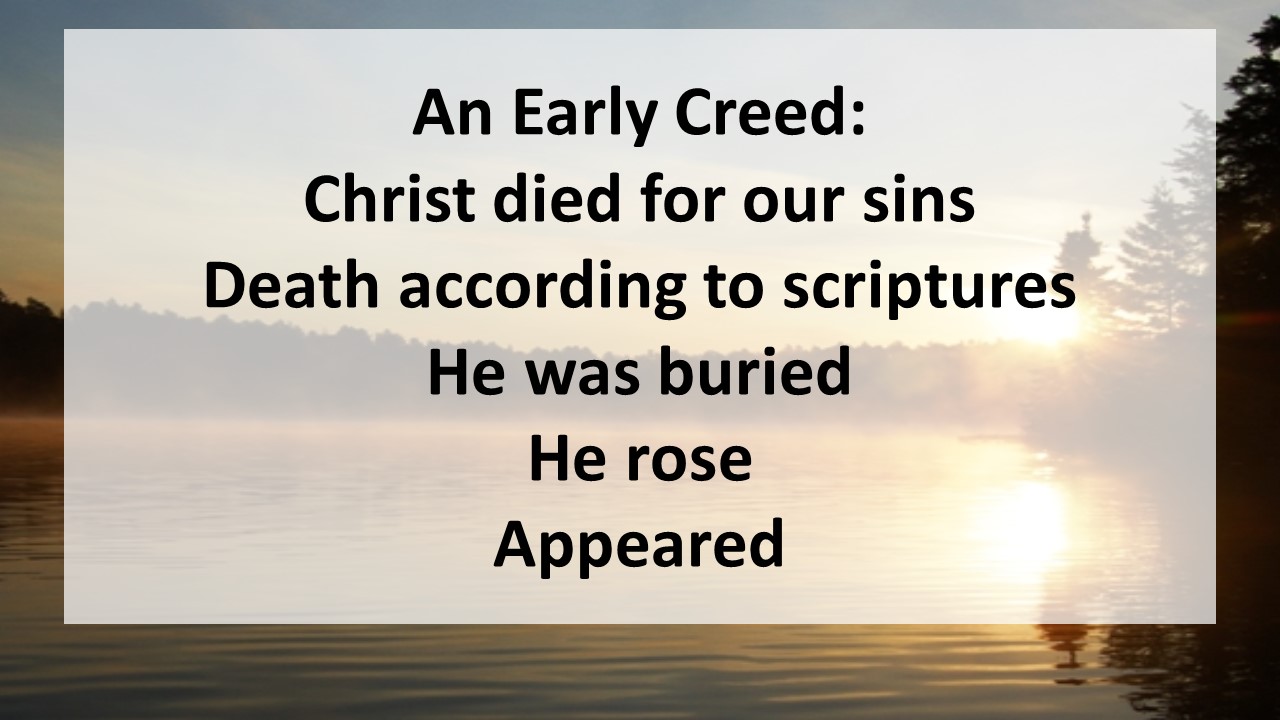
Friends, we’re mortal and we’re going to die. We know that, even if we sometimes act as if we don’t. As for when or how we’ll die, we don’t know. But we live with hope. We’re told that Jesus is the first fruit of the resurrection. The implication here is that Jesus will not be the only one raised. Jesus’ resurrection is not the exception to the rule. Jesus’ resurrection is the start of something new: all who trust and accept him will live with him eternally.[8]
And because we put our faith in Christ and through him have faith in the resurrection, we can live this life without fear. We can be like John Knox, following George Wishart to the stake. We can be bold on behalf of our Savior. Friends, live fiercely, in the knowledge that in life and in death, we belong to Jesus Christ.[9] Amen.
[1] https://cac.org/the-death-of-death-2019-04-21/
[2] 1 Corinthians 15;55.
[3] Mark Twain, Roughing It (1872), Chapter 47. See also Charles Jeffrey Garrison, “Of Ministers, Funerals, and Humor: Mark Twain of the Comstock,” Nevada Historical Society Quarterly 38, #3 (Fall 1995).
[4] Jane Dawson, John Knox (New Haven: Yale, 2015), 28-32.
[5] Hans Conzelmann, First Corinthians: Hermeneia—A Critical and Historical Commentary on the Bible (Philadelphia: Fortress, 1975), 268.
[6] Kenneth E. Bailey, Paul Through Mediterranean Eyes: Cultural Studies in 1 Corinthians (Downers Grove, IL: IVP Press, 2011), 443. See Sirach 25:24
[7] Bailey, 447.
[8] William F. Orr and James Arthur Walther, I Corinthians: The Anchor Bible (Garden City, NJ: Doubleday, 1976), 330.
[9] Taken from the opening question of the Heidelberg Catechism.

Sunrise over Buffalo Mountain
 Jeff Garrison
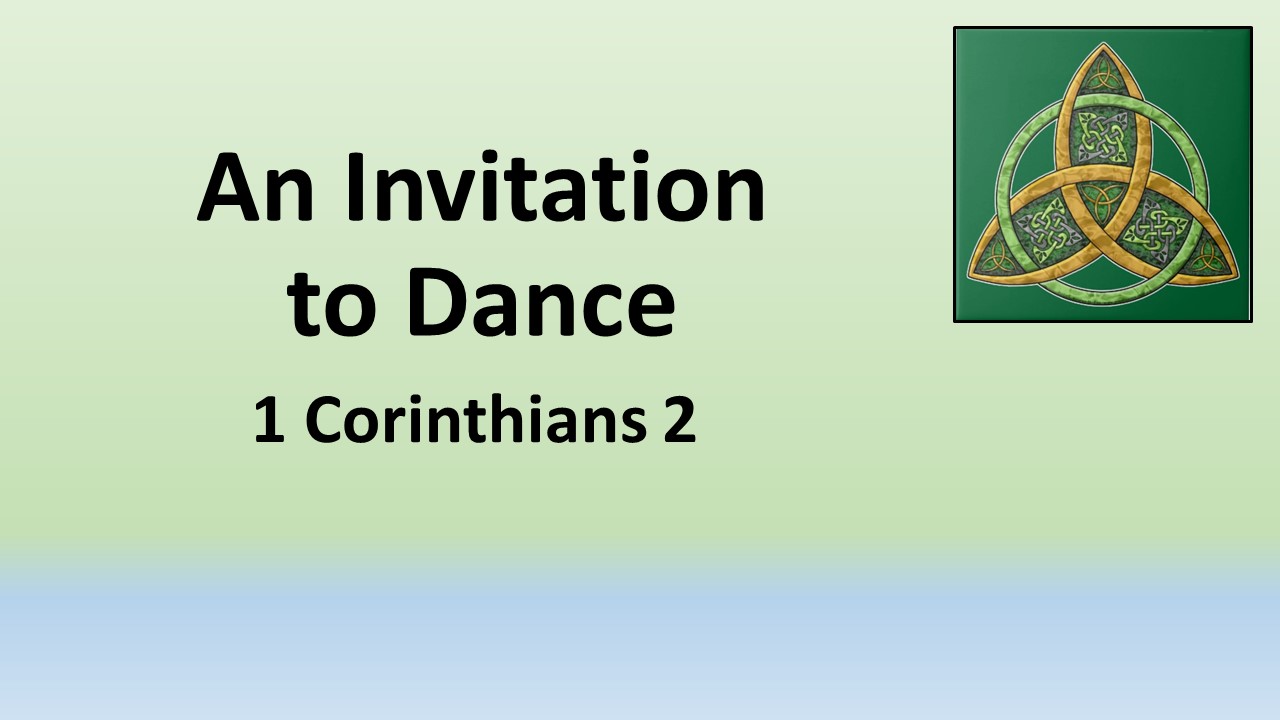
 On the flyleaf of the bulletin, I placed a quote from Brian McLaren, who describes the Trinity as a divine dance.
 “New and improved!” It’s a marketing cliché we hear all the time. Yet, it gets out attention. Whether it is laundry detergent, automobiles, cell phones, computer play stations or soft drinks, our ears perk up and we rush out to buy. This is also be true for churches. We start a new program, there’s a new minister, the music is new, and so forth. We’re drawn to what’s new. By the way, this isn’t anything new! Paul faced this in Greece. The Greeks coming onto the scene. When he was in Athens, Paul was given the podium to speak before the philosophers about his faith.
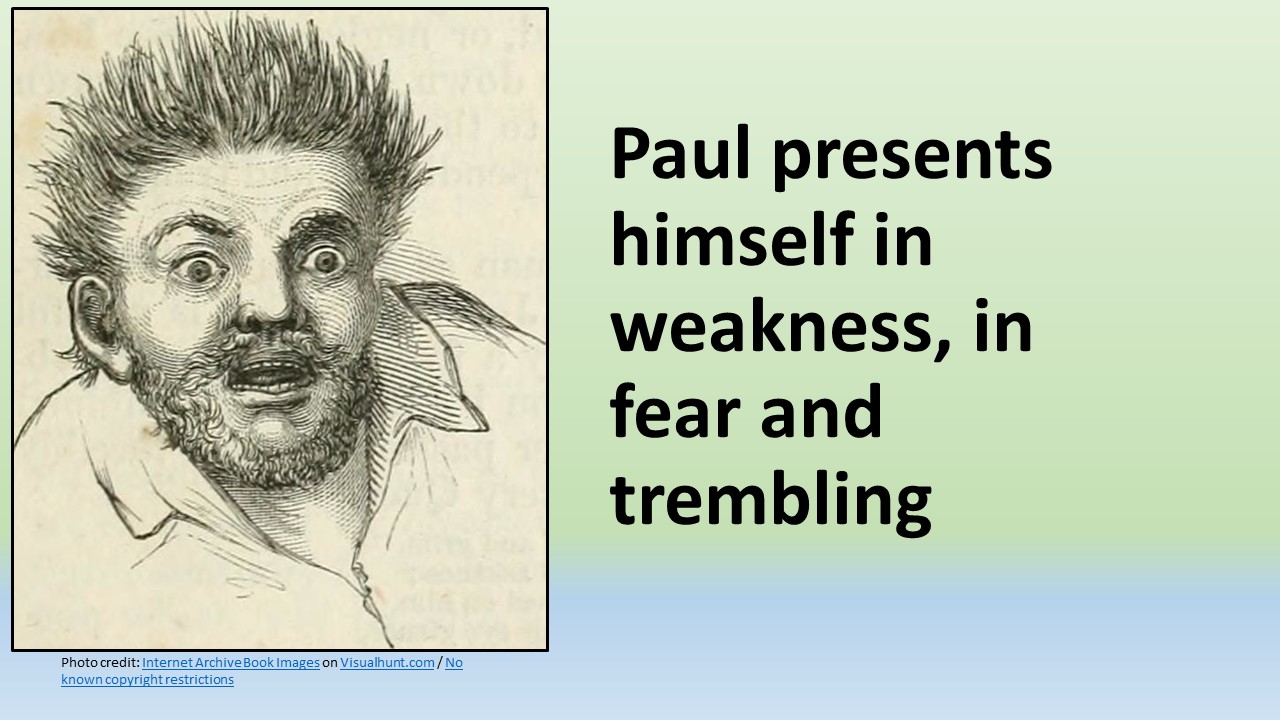 Paul presents himself in weakness, in fear and trembling.
 Paul is affirming here the Reformed doctrine of Irresistible Grace, or as it is known in the Westminster Confession “Effectual Calling,” which acknowledges God’s hand in our belief and understanding of the work of Christ.
 As we read in Verse 9, we can’t imagine that which God has arranged for those he loves. God’s love for the world is beyond our comprehension. The beginning of our Christian faith isn’t belief, its love!
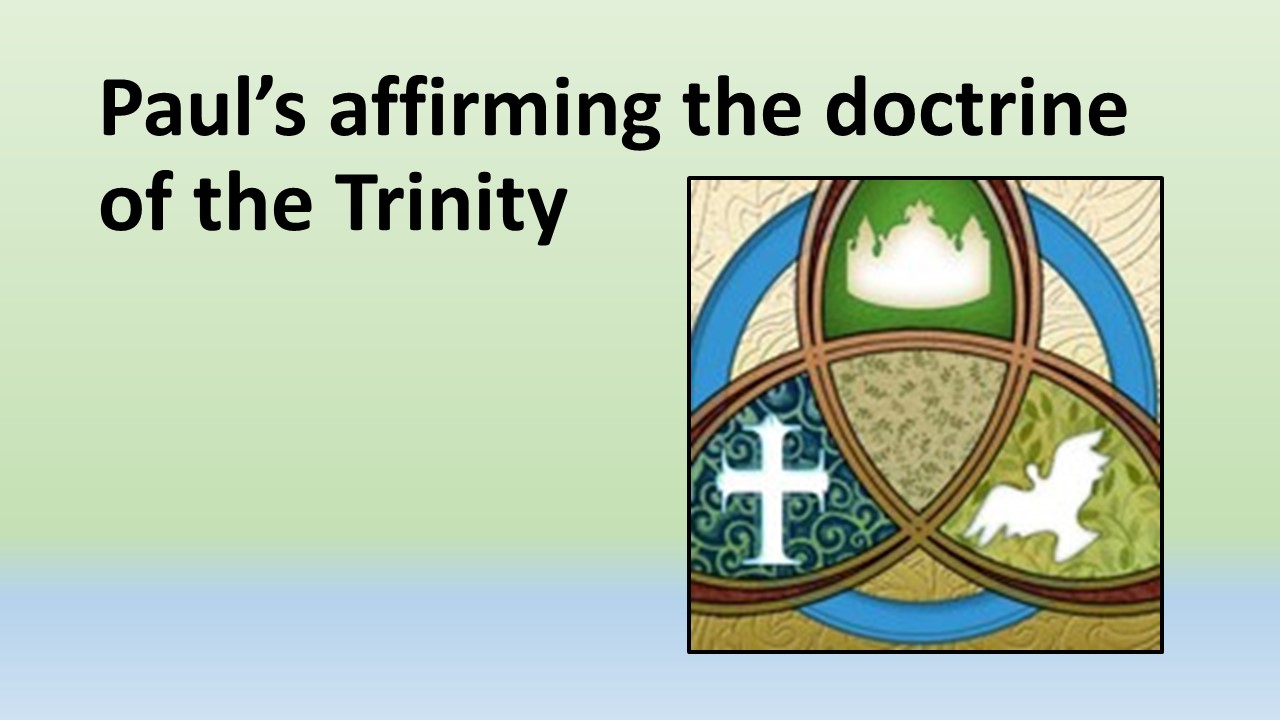 In Ken Bailey’s commentary on 1st Corinthians, he points out how Paul is affirming the doctrine of the Trinity throughout this passage. God the Father has all things under control; in Jesus, God comes to us as a man, in a manner that we might understand; and God’s Spirit, working through our own spirit, reveals this to be true. We see the three persons of the Trinity at work here. Although Paul doesn’t use the term Trinity, through rhetorical exegesis, Bailey cites six occasions in these verses where Paul alludes to the Trinitarian concept. Bailey, who taught most of his career in the Middle East, tells of a time he was a part of a Christian-Muslim dialogue. After dinner, one evening, one of the Muslim scholars questioned him as to the Trinity, asking for his help to understand this Christian doctrine. Bailey took the scholar to this passage and spoke about God’s work as shown throughout these verses.
  One popular phrase among Presbyterians is “The Church reformed, always reforming.” It is often cited as a reason for us to change, but it has nothing to do with that and the way it is often cited leaves off an important part of the phrase that came out of the Reformation and proclaimed, “The Church reformed, always to be reformed according to the Word of God in the power of the Spirit.”
 Essentially what Schmemann goes on to say, and what Paul also says, is that we need to experience a god that is not forced into our secular beliefs, but the God who transcends all so that he might reach out to everyone in love. Paul is referring to a God that is so big he can’t be contained in our human constructs. As believers, we need to be open to God speaking in and through us. And because we love God, we should seek to do that which God loves. For that is why we’ve been created.
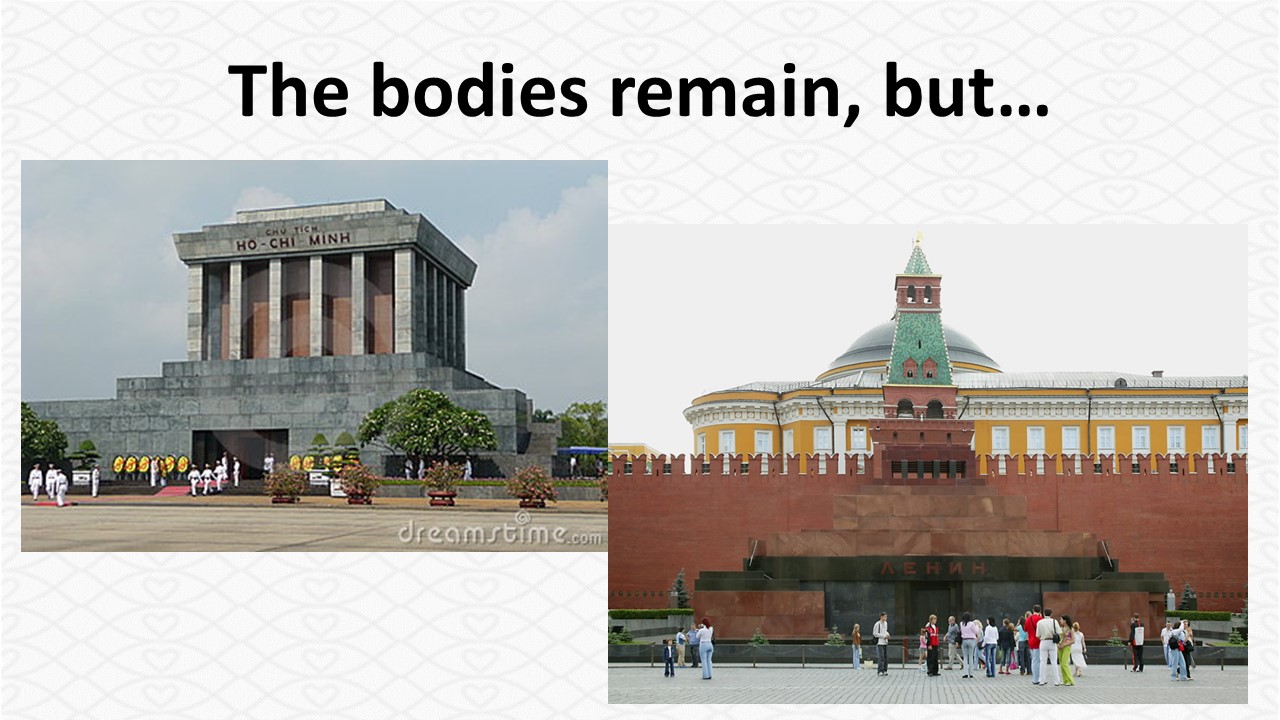 I’ve seen the bodies of Ho Chi Minh in Hanoi and Lenin (not John) in Moscow. Walking pass their preserved flesh, I got chill bumps. It was frigid in the mausoleums. I felt a bit sad for Ho. He wrote specific instructions that his body was to be cremated and the ashes scattered all over Vietnam. But when you’re gone, what happens to your body is no longer in your hands. But there was something else I experienced at these mausoleums. Regardless of what you think of these men who were no saints, they are dead. Sooner or later, we’ll all cease to exist. Our current bodies will become useless and eventually revert back to the dust. But that’s not the final word.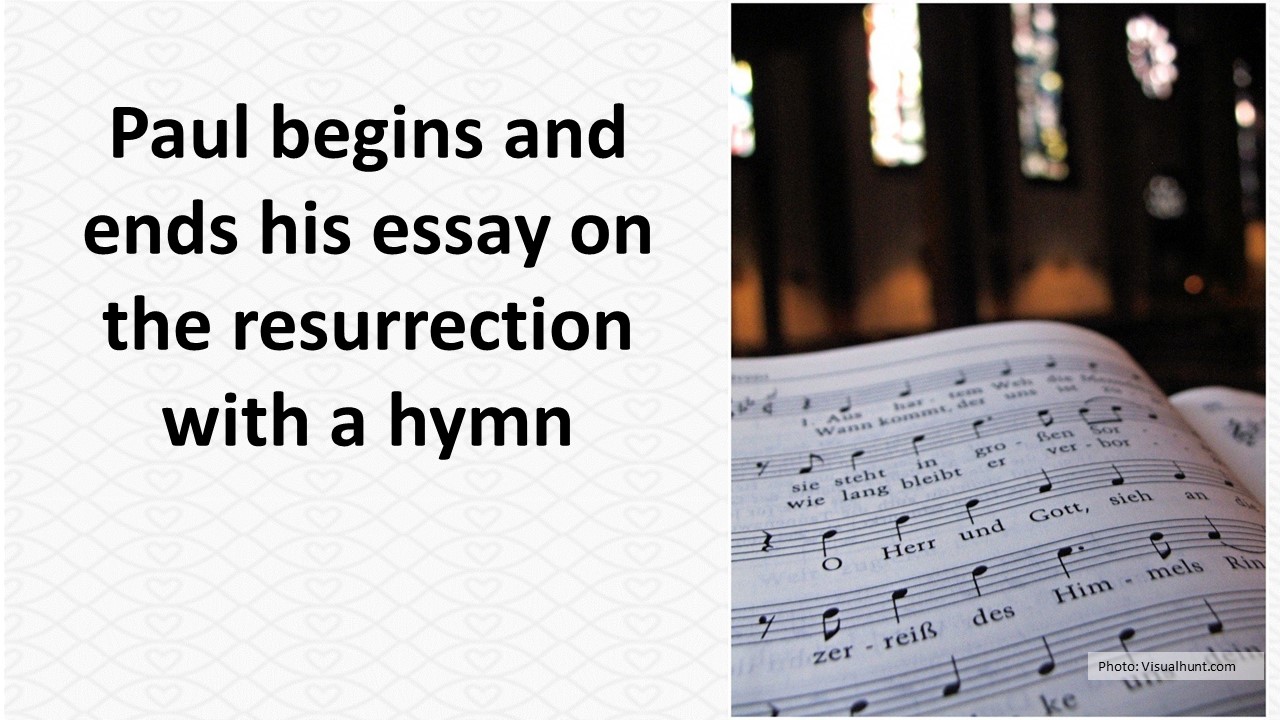
 There are a couple of issues raised in this text that I want us to explore this morning. Paul begins almost as if confiding a secret to a friend, “Listen,” he draws the Corinthians in, “let me tell you a mystery.” Paul is writing about something he admits he doesn’t understand; it’s a mystery, but in this mystery resides hope. “We will not all die, but we will all be changed.” Now, there is a question here about what Paul means when he says we will not all die. Who are the “WE?” Some argue that Paul believes Jesus’ return is going to be soon, during their lives. We see a similar thread in Paul’s first letter to the Thessalonians where he comforts those who are concerned about their friends and family members who have died and what will happen to them after Christ returns.
 In this passage, Paul emphasizes the necessity of change. Nothing can stay the same. We have to give up the familiar, our mortal bodies, in order to be resurrected in a new immortal body. Interestingly, Paul insists we will be clothed with immortality which was not taught in the schools of the day. The Greeks assumed immortality was our natural state and it was covered with our bodies; therefore the ideal was the soul, not the flesh covering it. But Paul challenges this notion, for our bodies are, in and of themselves, good.
 As I noted earlier, it’s interesting how Paul book-ends his essay on the resurrection with fragments of what was most likely an ancient hymn. Paul uses lyrics which were probably sung by congregations in order to connect with something familiar to his readers. Paul’s speaking of a mystery and music has a way to say more to us than just the lyrics, so it is appropriate that Paul incorporates such a hymn as he concludes his treatment of the resurrection.
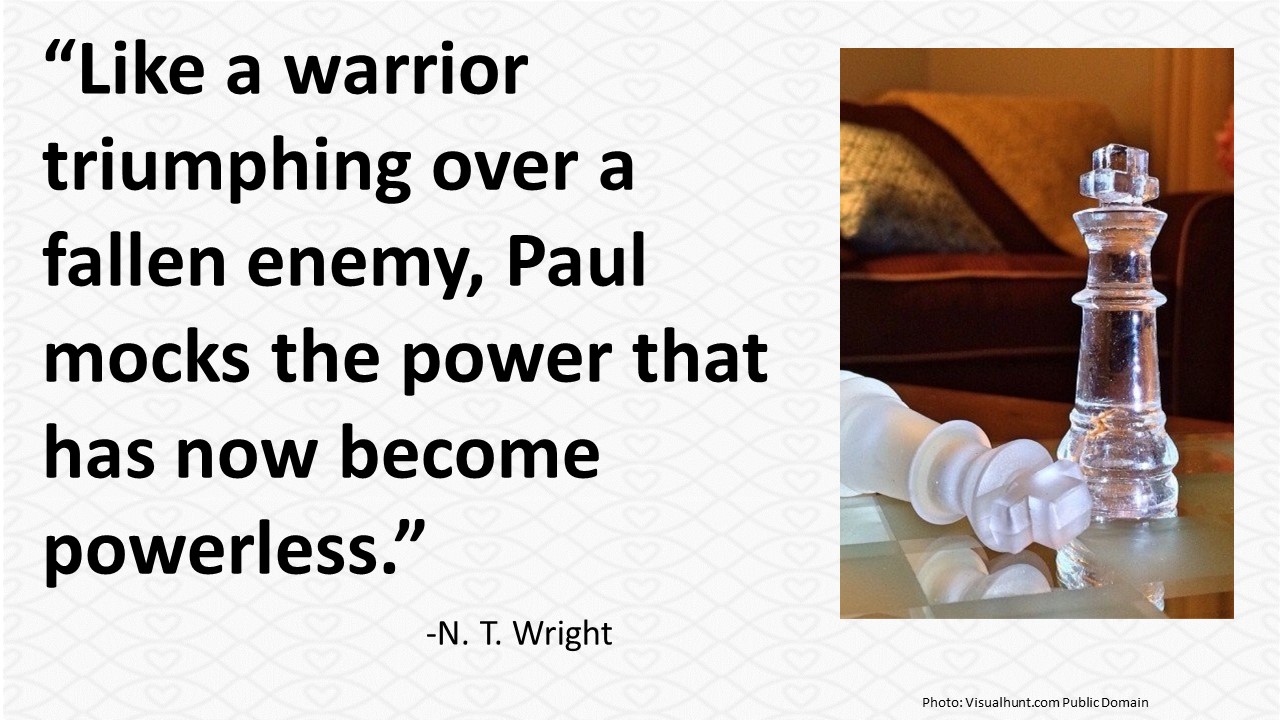 As Paul comes to the end of our passage for today, he makes a powerful statement. In the last two verses, he uses the term “Lord” four times. The modern British theologian, N. T. Wright, suggests that “like a warrior triumphing over a fallen enemy, Paul mocks the power that has now become powerless.” The victory is in our Lord Jesus Christ! He is a Lord in a manner that Caesar can never be!
 Paul brings this essay to a conclusion with a final statement in which he calls the Corinthians, “my beloved.” It’s like saying, “My dear friends.” As he’d shown at the beginning of the letter, Paul is fond of the Corinthians even though throughout the letter, he’s been admonishing them for their disunity, their toleration of grievous sin, their lack of order within worship and their mockery of the Lord’s Supper. Yet, Paul still likes these people. He’s not ready to write them off, as we might be. There’s a lesson for us here! Don’t consider anyone beyond redemption! This passage which Paul has been looking into the future ends by bringing the Corinthians back to the present and to what they need to be doing.
 When I was in college I lived in a garage apartment about a mile off campus. It was a nice place, on a side street with just a few homes and this one garage with an apartment above it. There was a porch, with stairs that ran down to the ground. The porch was large enough for a chair and a couple of potted plants. On Saturday mornings when the weather was decent and I wasn’t off paddling a river somewhere, I could be found sitting in a chair, my feet propped up on the railing, reading or just pondering while I had my morning coffee. It was the good life. I enjoyed birds flying by and singing in the trees. It was a dead-end street, so traffic didn’t bother me. It was also a safe neighborhood as the Chief of Police lived at the end of the road.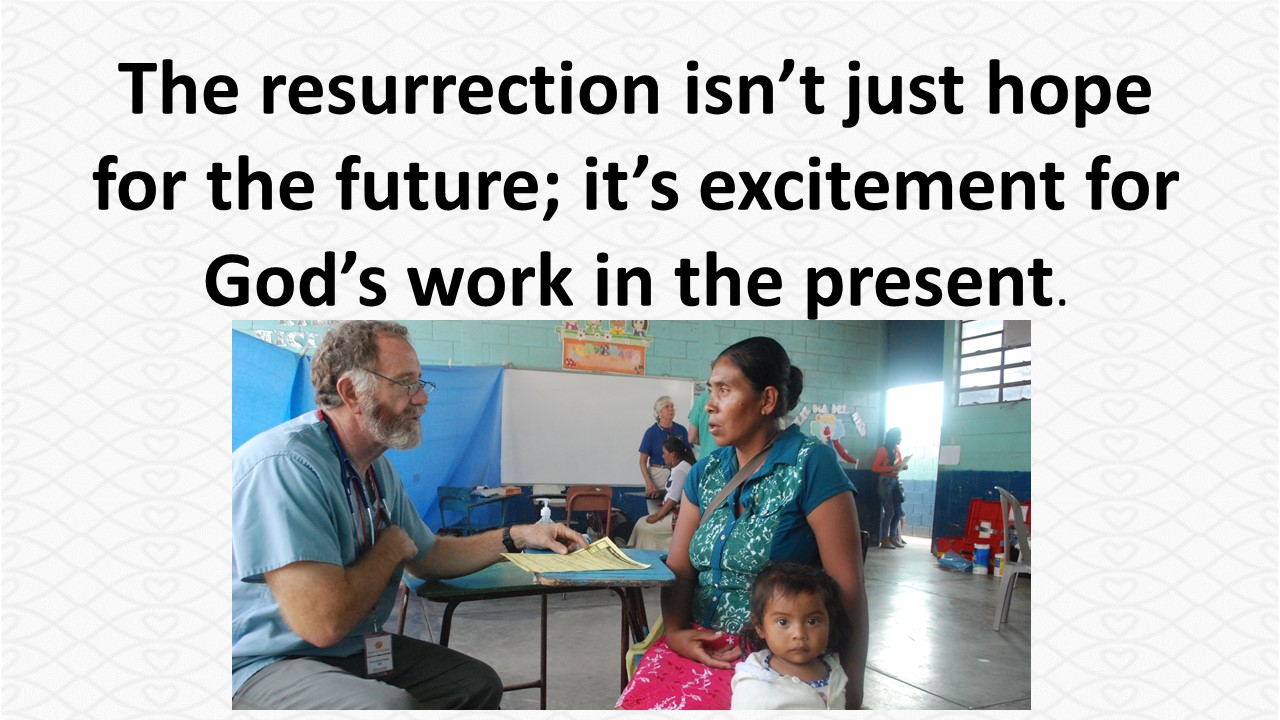
 Jeff Garrison
 I woke up at 6 AM to the sounds of the Star Spangled Banner blaring from the radio. It was the day after Labor Day, 1988. KECH with its whopping 58 watts of amplification began the day’s broadcast up and down the Wood River Valley. The station was off air between midnight and 6 AM, so instead of setting an alarm clock, I just left the radio on at night. I went to sleep to music and woke feeling patriotic. I had become accustomed to getting up in this manner during the summer at Camp Sawtooth in the Boulder Mountains of Idaho. As the music played I’d wash up, brush my teeth, dress, and head down to the dining hall where I’d build a fire to ward off the morning chill. Throughout the summer, when I came into the dining hall, the cooks would already be in the kitchen, fixing breakfast. The smell of coffee perking and bacon frying would fill the air. It had been a near perfect summer. But this morning was different.
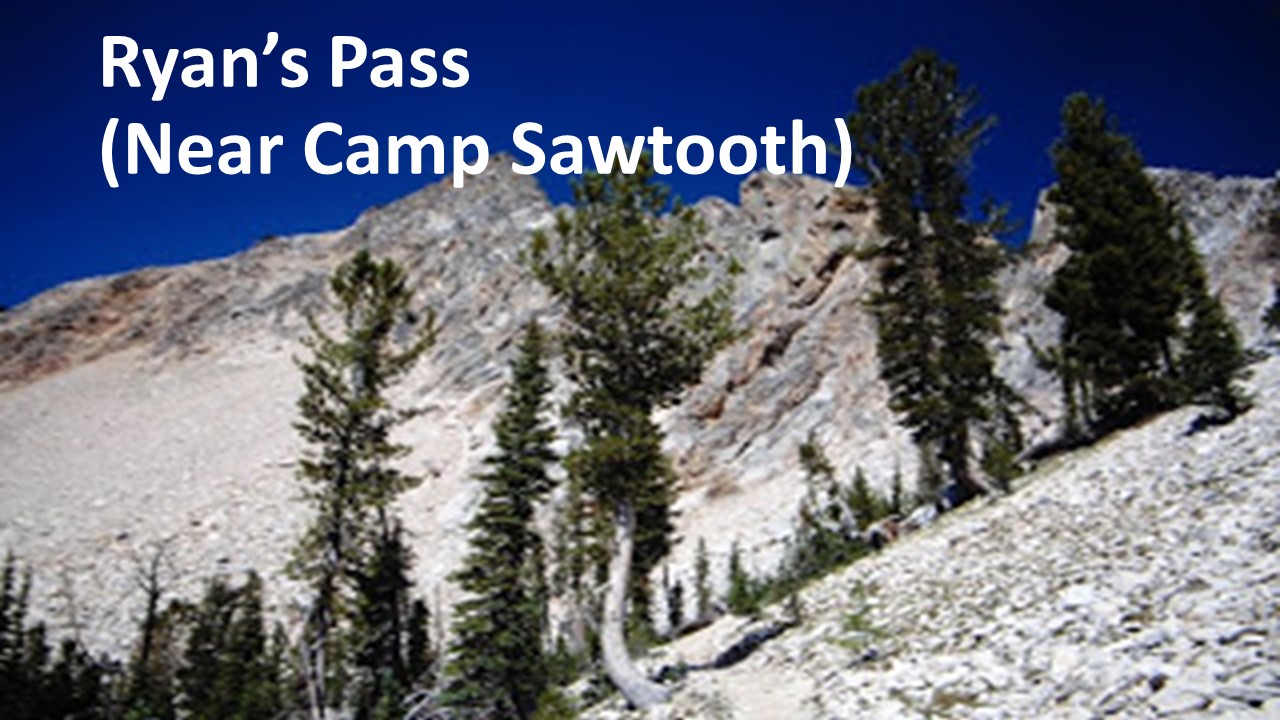 I dreaded getting out of bed. The cooks were gone for the season. I had to fix my own coffee. Yesterday, the last weekend group for the summer had left and camp became eerily silent. If you have ever worked at camp for a summer, you’ll know the feeling I’m expressing. There were only three of us left in that canyon, and we’d all be heading out after lunch. The morning would be busy draining pipes and closing up the camp for winter. When it came time to leave, we’d lock the buildings and gates and our summer in the valley under the tall lodgepole pines between even taller mountains would be over.
 After listening to the news and the weather (it was below freezing in the mountains, but would warm up and be another sunny day in paradise) I reluctantly crawled out of bed. I made coffee for Jack and Evelyn, our caretaker and his wife. I laid a fire in the wood stove one final time.
 Furthermore, Storey County, in which Virginia City sits, had legalized prostitution, a troublesome idea that made me wonder how I’d relate as a pastor, a public representative of God. Finally, even the drive to Virginia City seemed daunting. Much of it was on two-lane roads through mountainous deserts. The last leg included the infamous forty-mile desert where there isn’t a drop of water to be found. I’d just read a book on this stretch the pioneers dreaded and even though I’d be flying through that part of the trip at freeway speeds, there was something about going through this desert that made me nervous. It didn’t get any better the next morning, when I stopped in Lovelock at the edge of this desert and noticed one of my tires going flat. I took it to a shop and sure enough there was a nail in the rubber. It was good I found it when I did; however, it seemed a bad omen. Have you ever been there where you just dreaded what’s next?
 We have a God who loves to surprise us. Ours is a God who invites those at the back of the line to come to the front. He’s a God of love who’s willing to forgive and to allow us a chance to start afresh. He’s a God of protection and refuses to abandon us. He’s a God of glory who shares his majesty through the beauty of a sunrise or a rainbow after a thunderstorm. God can take what we dread and provide a memorable experience. And the resurrection is the ultimate example.
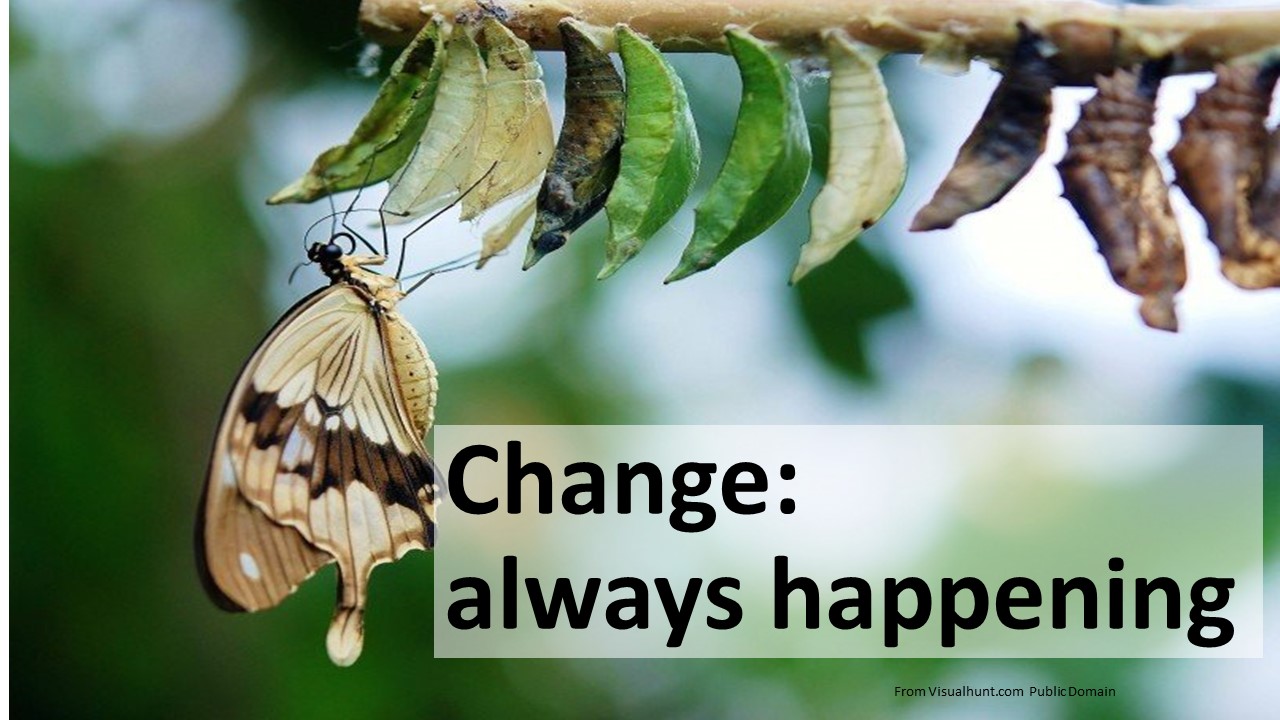 We all dread death, don’t we, but our hope is in the resurrection, which can only be experienced after death. In the resurrection, God reverses our fortune and we’re changed from dead to eternal. Just don’t ask me how. It’s just God’s way. But before I go to what Paul has to say, I should note that such dread of change can be an issue in all areas of our lives. We even find ourselves having such feelings in the church. As people, it seems we like to resist change even though it’s the only thing certain in life… Yet, we’re always nervous about the future. This shows our lack of trust in others (which can be expected, for we’ve all been let down at one time or another). But it also displays a lack of trust in God. We seem to forget that God has things under control; it’s not really up to us.
 As I said before reading this passage, Paul begins asking what probably had been a follow-up question by those who were denying the resurrection. “Just how are the dead raised, Paul? What kind of body will they have?” Paul doesn’t mince his words here and replies with a passionate response, “Fool.” You can’t be much more emphatic than that! He continues by noting what is planted as a seed has to “in essence” die (as it’s buried in the earth) in order to come to life as a new plant. He also notes there are different kinds of flesh and different kinds of bodies as he points to other animals and even to the heavens… We live in a wonderfully unique world.
 Next, Paul returns to the topic he’d brought up earlier in the chapter: Adam and Jesus. Adam is the man of dust. God created him as God created us. If there was any question about Christians believing in reincarnation, Paul negates such ideas here when he insists there is no spiritual beginning for us. This idea was no doubt prevalent in Corinth as it is found in Platonic thought. At the end of Plato’s classic work, The Republic, he describes how spirits leave one world to be born in this world.
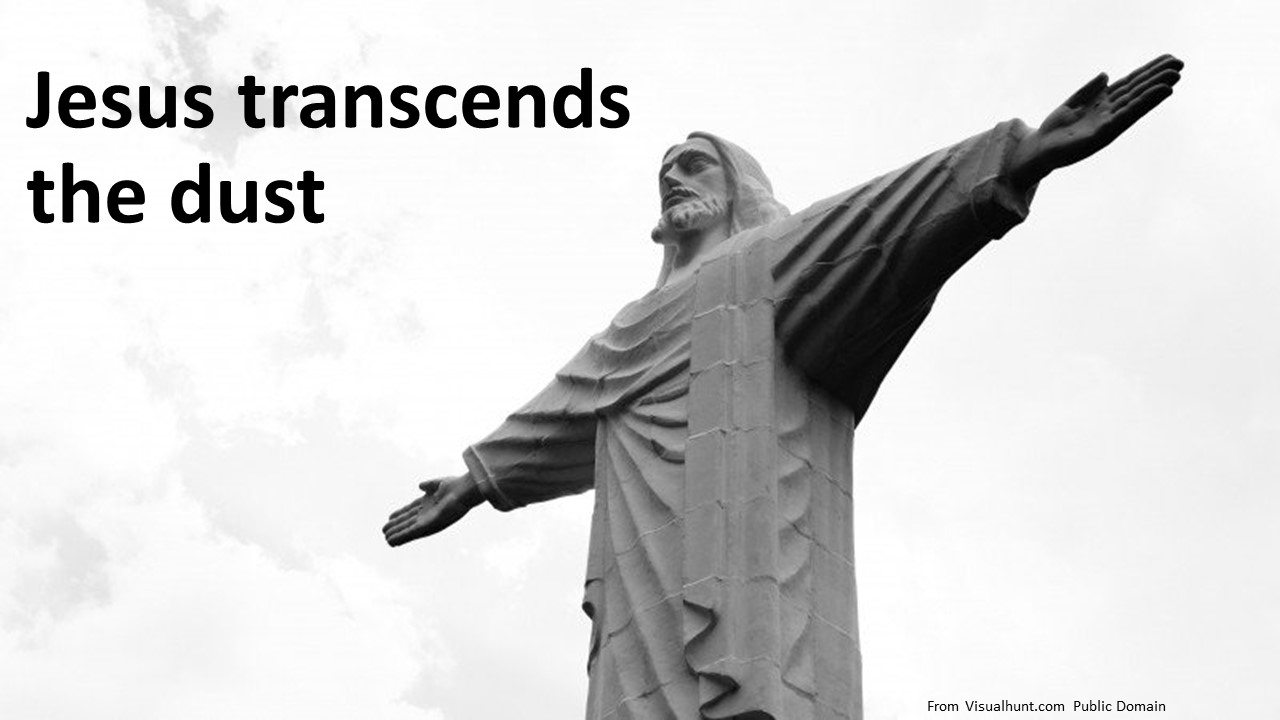 But there is one who transcends the dust, the one who in Revelation is known as “the alpha and the omega, the first and the last, who is and who was and who is to come.”
 As followers of Jesus, we shouldn’t spend too much time fretting and worrying about the future. “Don’t worry about tomorrow,” Jesus tells us.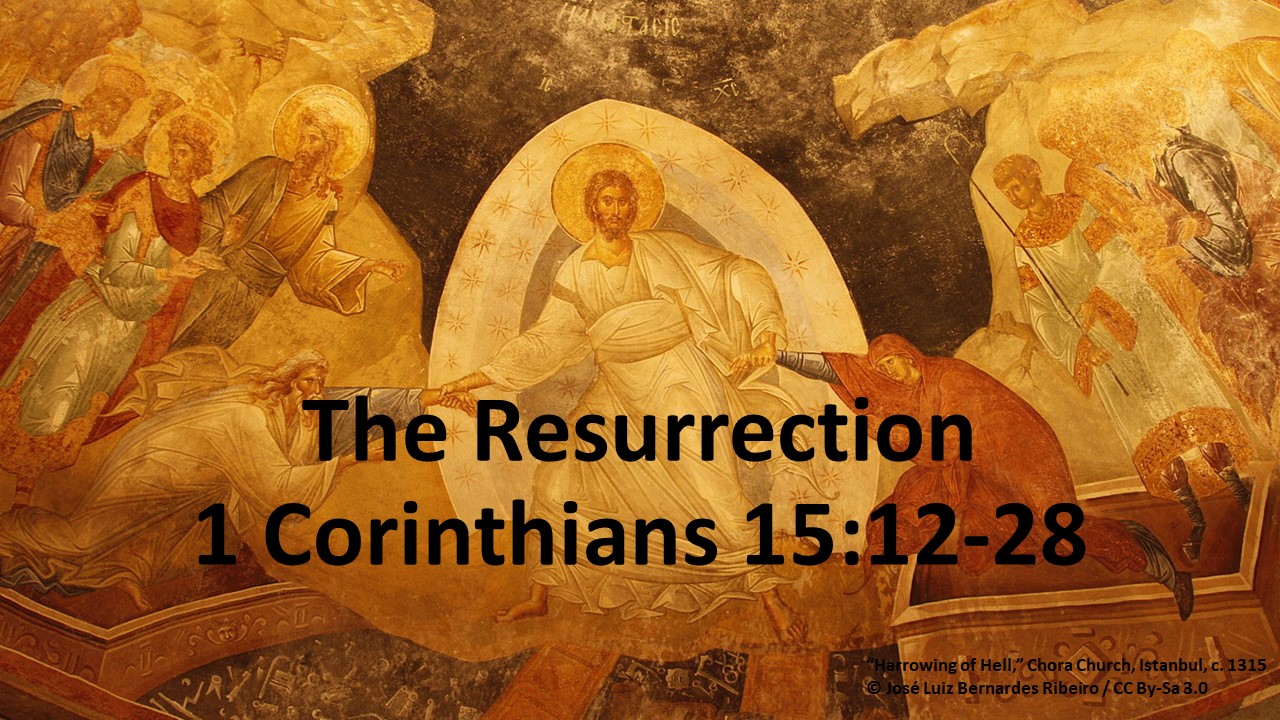
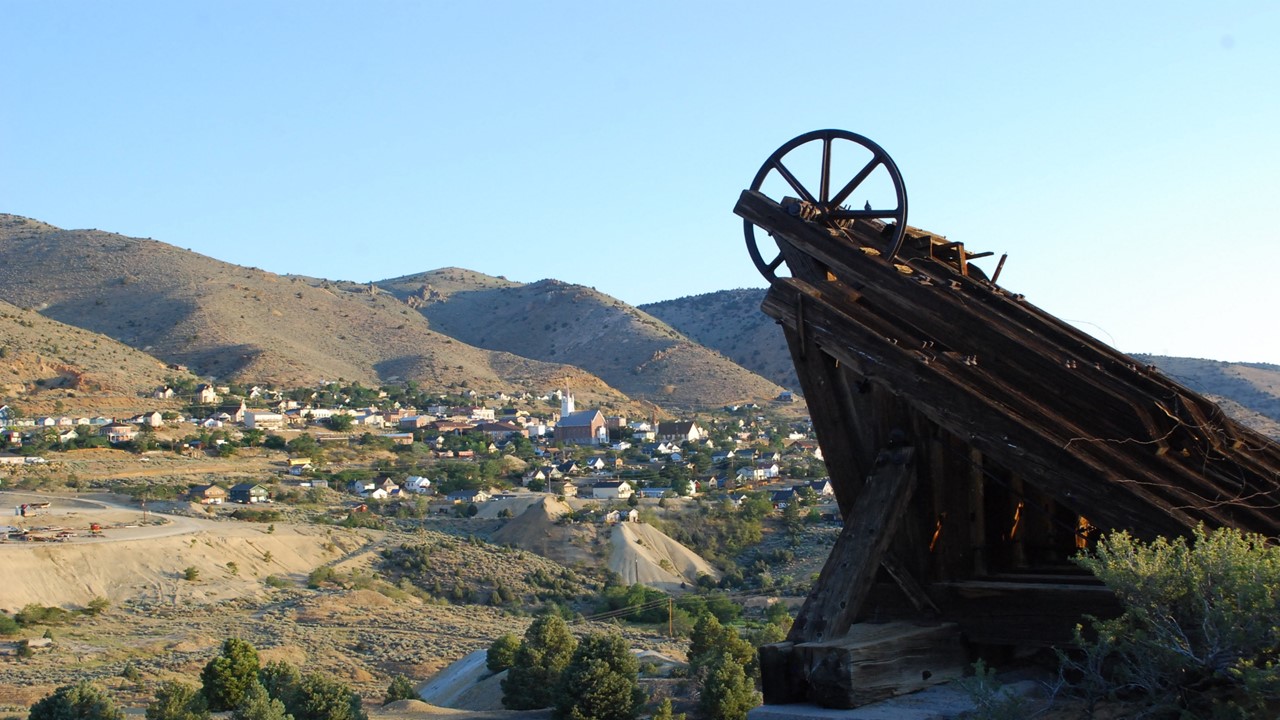 People turn to the church when there is a death because we can offer hope for something beyond our frail mortal bodies. In all the work I did on the history of Western Mining Camps, one of the surprising things I learned was how at the time of death, even people who religiously avoided the shadow of the steeple, would be brought back for a funeral. The friends of Julia Bulette, Virginia City’s most famous prostitute, sought out the Presbyterian minister for her funeral. Mark Twain in Roughing It has a wonderful tale about Buck Fanshaw’s funeral. Fanshaw, a leader of the “bottom-stratum of society” and based on a real-life character who had a relationship with Bulette, died. The local roughs elected Scotty Briggs to “fetch a parson” to “waltz Fanshaw into handsome” (their word for heaven). The dialogue between the minister and Scotty is classic Twain.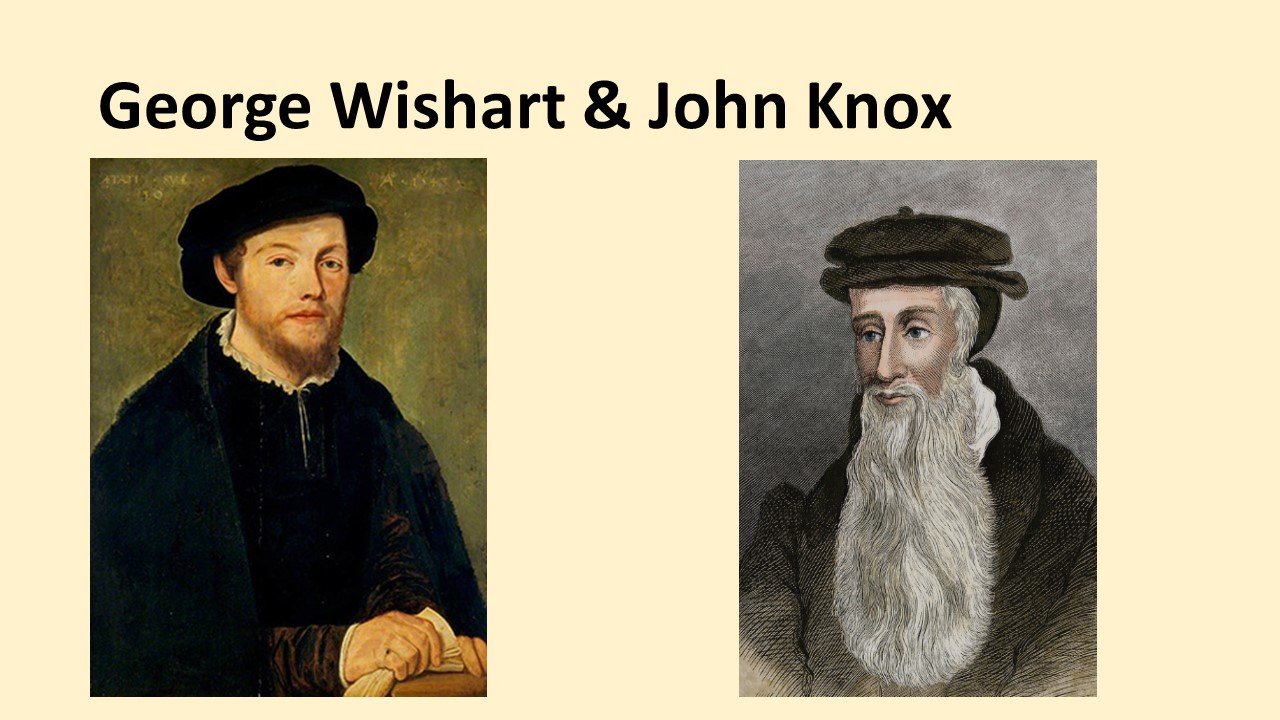
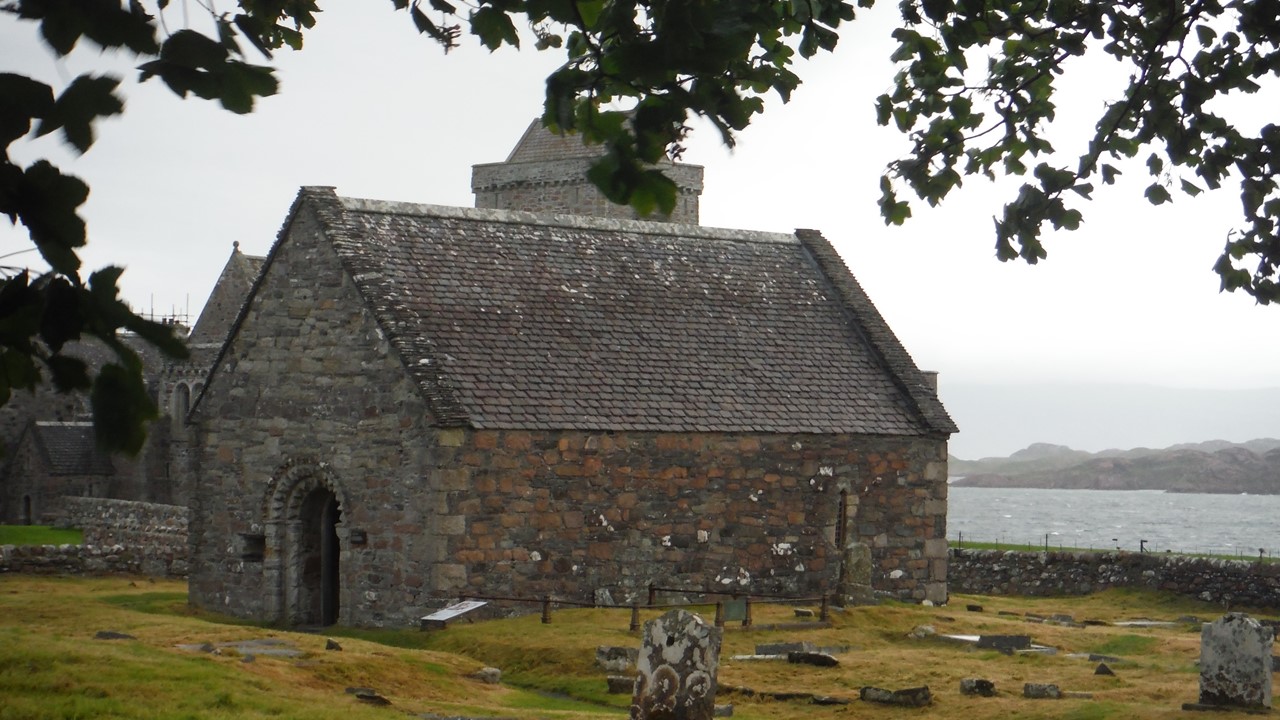 At death and in times of peril, the church is a symbol of our faith and the hope we have for something we can never fully comprehend in this life, the resurrection.
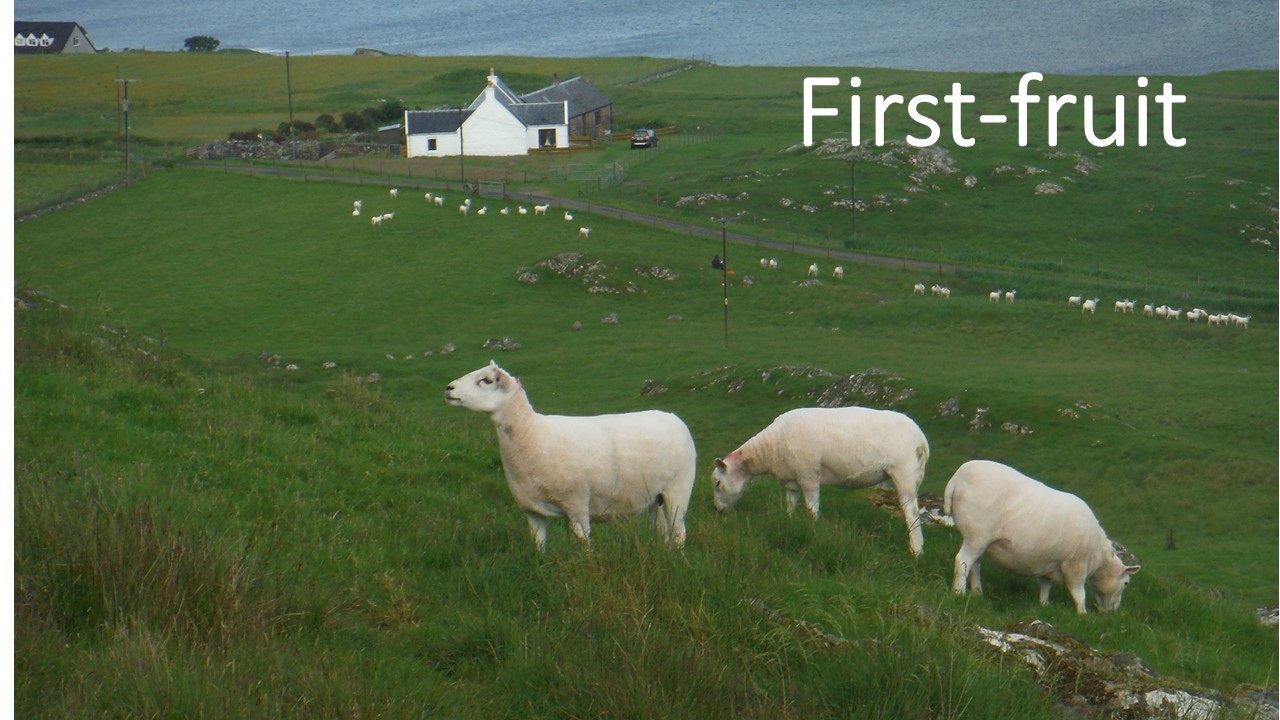 However, there is good news. Although death came through a human being, so too has the resurrection come through a human being. Paul lifts the Christmas doctrine of the incarnation. In Jesus Christ, God became flesh! Christ is the first-fruit of the resurrection, a term that probably meant more to Paul’s audience than to us today. For you see, the Jews were to bring the first of the harvest, their first-fruits, to God as an offering of thanksgiving. We tend to give God what is left, not our first-fruit, which probably says a lot more about our spiritual state that we’d honestly like to admit. However, this isn’t about our giving, it’s about God’s gift, for God the Father gave us his first-fruit, in that of his Son.
 All this is a part of God’s plan in history, Paul notes. It’s all a part of the great plan to destroy all authorities and powers that defy or challenge God. At the end, there will be nothing to draw our attention from the Almighty. All idols will be destroyed, all that which we fear will be removed, the last of which is death itself. With the removal of that great enemy which has haunted the human race since the beginning, we can worship God without fear or distraction.
 Kenneth Bailey, in his commentary on First Corinthians, goes into detail about the meaning of Jesus placing all his enemies (the last one being death), under his feet. Bailey suggests that verses 24-27 could be removed and the reader wouldn’t notice. You can try this yourself, at home, just leave the verses out and see how it reads. So why did Paul insert this little segue? It’s to make a political point: Jesus is Lord! If Jesus is Lord, that means Caesar isn’t Lord. He cites examples from the ancient world in which the ruler’s footstool often had engravings representing the kingdom’s enemies and when the ruler placed his foot upon the stool, he was making a statement about his power. When Christ has finished, there will be no possibilities of his enemies, including death, making a comeback!
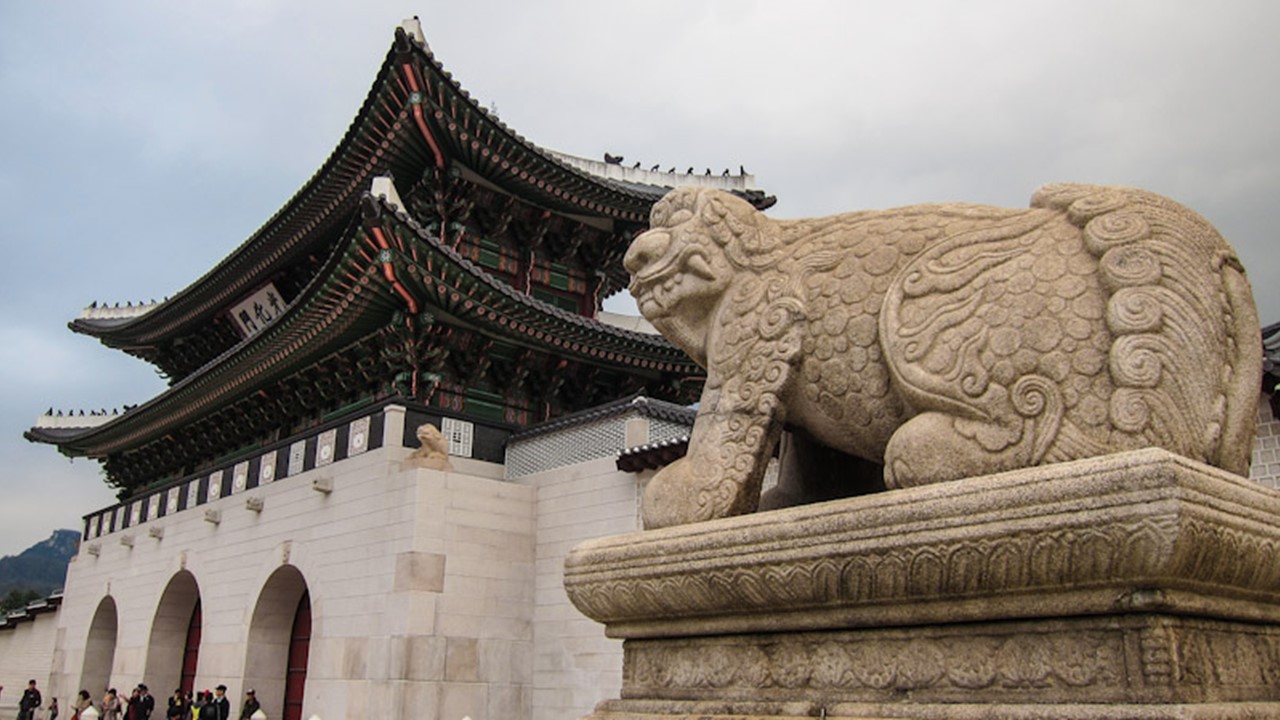 In the winter of 2000, I had the opportunity to spend a few weeks in Korea: preaching, sightseeing and mountain climbing. I visited the imperial city in Seoul, where the emperor once ruled, his throne built on a hill that allowed him to overlook the city. In 1910, Japan invaded Korea. The Japanese decided it was too dangerous to destroy the ancient throne, so instead they built a modern government building to block the view from the city. I learned there had been a great controversy over what to do with this building that was architecturally significant. Many wanted to tear it down, which is what happened, but others wanted to relocate it. One of the more creative ideas, which caused a minor international incident with the Japanese, was to dig a hole and sink the building and then glass over the top. That way, the building would not be destroyed, but the Korean people could have the satisfaction of “walking over” or stomping on the visible representation of 40 years of Japanese occupation.
 Jeff Garrison
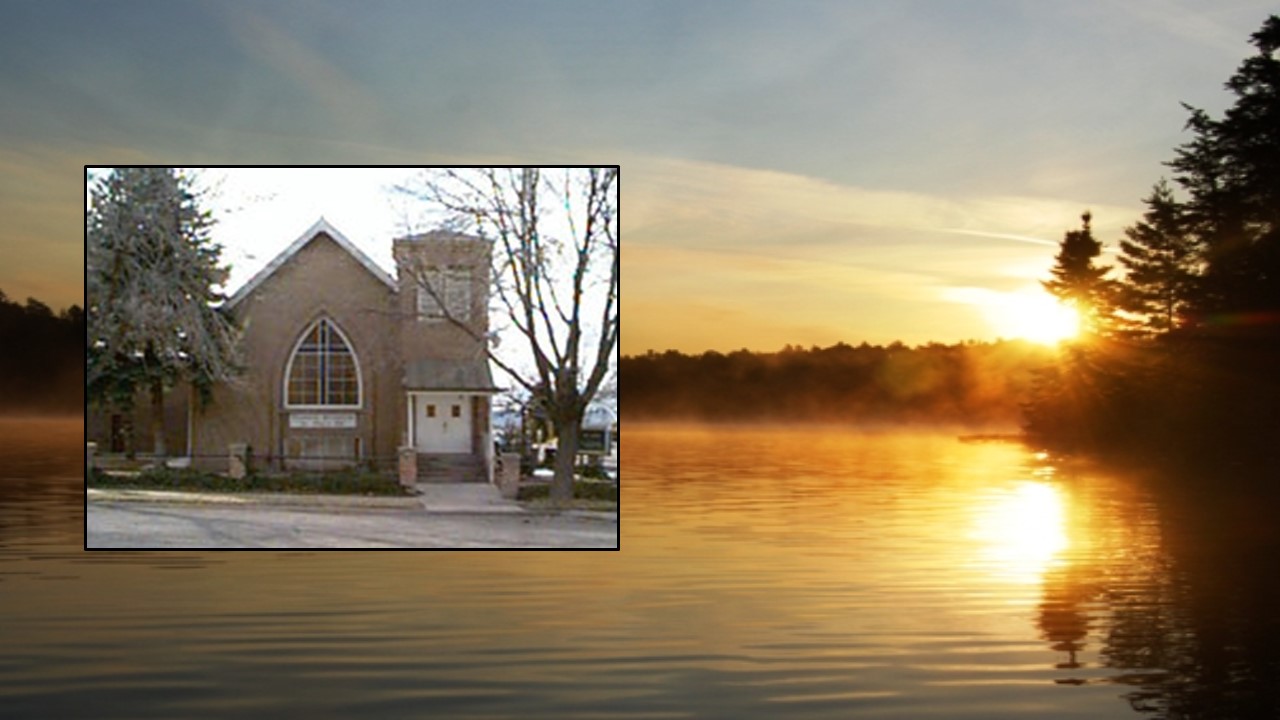
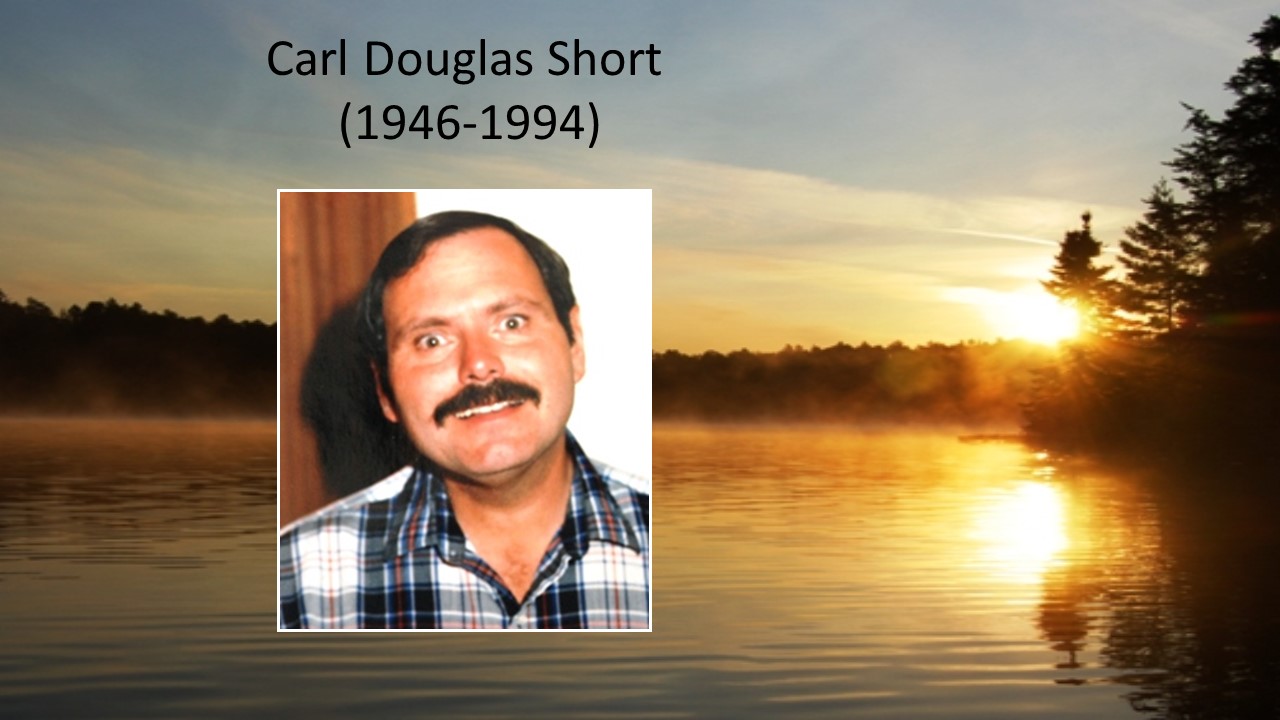 His name was Carl Douglas and he had lived in Virginia City when I was a student pastor there. In the five or so years in between, I’d lost track of Doug, but I had been with him when the doctor had given him the bad news that he had cancer. When I last talked to him, it was in remission, but had come back with a vengeance. I’d been praying for this friend, without knowing it, for months. And now I was sitting across from his estranged sister. Unlike her, I had only good memories of her brother. New Year’s Eve 1988 was one. It was a Saturday and we both had plans for the evening, but when I was in the church practicing my sermon I heard water running and after checking found there was a busted pipe in the heating system, underneath the organ. Doug came right down and we spent a couple of hours fixing the pipe so that we might have heat for Sunday. That was only one example. He was known of his kindness, for being quick to offer a hand to those in need.
 few months after the funeral, Elvira arranged to move back to Nebraska. When I think about all this, I’m amazed. I see God’s hand at work. What was the probability Elvira would end up in a church in a distant city where the pastor knew her son? There was actually a good chance her son could have died and she’d never seen him or even been able to attend the funeral, or even know of his death. Thankfully, she was able to see him and attend his funeral. God enjoys working to bring about surprises and joy!
 N. T. Wright, an insightful theologian from the British Anglican community says this:
 In other words, because of the resurrection, we’re now invited to live as God intends as we join God in his work of transforming the world—a transformation that begins with the open tomb on Easter morning. Everything will be changed. Jesus has defeated death and inaugurates the reclamation of the earth for God’s purpose.
 Will we believe? Will we allow ourselves to be transformed? God is working miracles in this world. I shared one such miracle at the beginning of the sermon. God wants to reconcile the world, not just to himself, but between mother and son, brothers and sisters, friends and enemies. Will we accept God’s invitation to proclaim the good news? Will we accept the invitation to hop up on the bandwagon and follow Jesus, out of the grave and into life? Let us pray: