
Jeff Garrison
Skidaway Island Presbyterian Church
Matthew 22:15-22
October 27, 2019
Homecoming is a time to look back, and the sermon is titled “Looking Back.” But we don’t look back just to be nostalgic. Instead, we should look back to help us understand where we are and how we got here. Think about all the people who helped build this sanctuary and establish this church. We’re in debt to them, and hopefully the next generation will be in debt to us. But we also look back to see where we picked up burdens that influence us today. Which ones are good that we should continue carrying and which ones should we discard?
Today, we start a new worship series titled “A Wonder-Full Life.” Speaking of looking back, the title comes from the classic 1946 film, “It’s a Wonderful Life,” starring Jimmy Stewart and Donna Reed. We’re using this series as a lead-up to Consecration Sunday on November 24th, the day we make our faith promises to church for 2020.
 The characters in “It’s a Wonderful Life” provide us with archetypes for the many different ways we relate to life and we handle money. The book that goes with this series, Integrating Money and Meaning, uses these archetypes to explore our spiritual relationship with money.[1] And the first task to become more spiritual is to look back and understand how we relate to money. In the movie, George Bailey plays the role of the martyr. He often does the right thing, always looking out for the needs of others, but he resents it. He slips into despair. As we heard earlier, to be discouraged is worst than being sick… He’s ready to end his life. Money can be a terrible master, which I think is a message we get from today’s text. By the way, if you’d like to read the book, let me know as we have a couple extra copies. In addition to reading the book, it would be good for us to be reminded what the movie is about, so we’re planning a pot-luck lunch and viewing of the movie on Wednesday, November 13.[2] I hope you join us.
Our Scripture for today comes from Matthew 22:5-22.
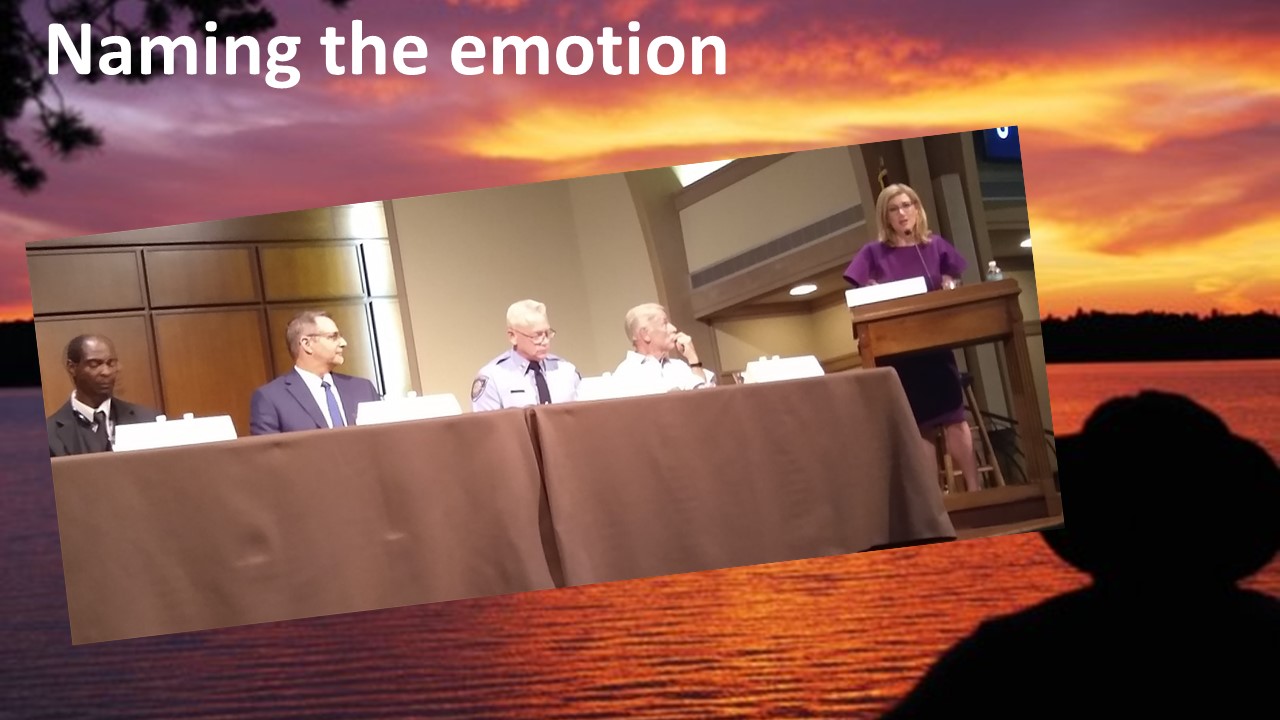 At our first forum on civility, Dr. Robert Pawlicki told of an incident when he was a psychiatrist and professor at a Medical School. A patient had gotten into an argument with a resident and he was called in by a nurse who was concerned the confrontation might become physical. Stepping between the two, he said to the patient, “You’re really angry, aren’t you?” By giving a name to what was happening and the emotions the patient showed, he opened a channel that helped the patient calm down. The situation de-escalated. This is good advice. Sometimes we need to go to the heart of the matter and, without increasing the confrontation, name the issue. But this is not what the Pharisees and the Herodians do in our morning text.
 It’s hard to understand this passage without explanation. The Pharisees are plotting to entrap Jesus, we’re told. How does Jesus know this? We could say that because he’s God, but that explanation doesn’t uphold the human side of Jesus. Instead, I think Jesus knew something was up when he saw the Pharisees walking hand to hand with the supporters of Herod.
Who are these people? The Pharisees: They’re good, upright, outstanding Jews, the keepers of the Law. And they are not too happy with the Roman occupation of Palestine, but they deal with it. Right beside them are the Herodians, the supporters of the Herod family. This half-Jewish family had a foot in both camps: the Jews and the Romans. The Herodians accept the Romans. Possibly, they want to modernize Palestine, for the Herods were great builders. Herod the Great began rebuilding the Jewish temple. They built ports along the coast and even coliseums for the Roman games, along with temples for the Roman gods. It’s said that politics make strange bedfellows. None could be stranger than these two groups: devout Jews and those supporting the pagan Romans. The Herodians and the Pharisees together would be like Trump and Pelosi working together. If you see it, you know something may be askew. Jesus smells something fishy!
These two unlikely groups approach Jesus. They butter him up by telling Jesus he’s sincere, he speaks the truth, and that he’s impartial. Don’t you love it when someone you are not so sure about butters you up? Then they ask the 64-thousand-dollar question. “Tell me,” they ask Jesus, “Is it lawful to pay taxes to the emperor, or not?” A trap is set. If Jesus says we should not pay the taxes, then the Herodians could have him arrested for treason. And if he says to pay the taxes, the Pharisees can attack him for not being a patriotic Jew. It’s a clever trap!
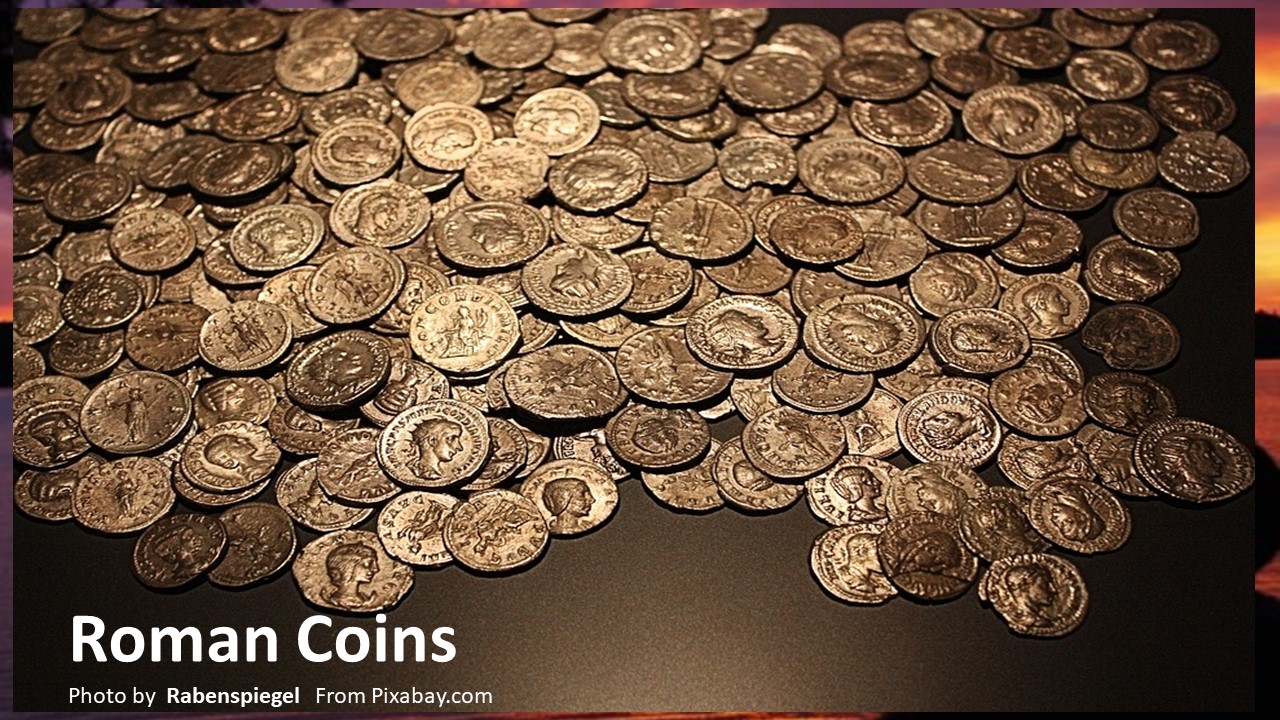 Jesus asks to see a coin. He has to be careful here. He doesn’t want the Pharisee’s to charge him with toting around an engraved image of the emperor. So Jesus has them to look at a coin they are carrying, and he asks them whose picture is on it…. They reply, “Caesar’s.” Jesus then tells them to give Caesar what is Caesar’s, and to give God what is God’s. The little band of tempters are astonished. Amazed and not knowing what to say, they leave…
Amazed, but did they understand what Jesus said? They hear “Give unto Caesar what is Caesar’s,” but did they hear “Give unto God what is God’s.” Do they understand the implications? Do we?
 The coin had an image on it, Caesar, therefore give it to him. But remember, we’re created by God, in the image of God. The coin belongs to Caesar, it has his image; our lives belong to God, they contain God’s image. Caesar may have a lien on our possessions, but God has a lien on our total being. God is calling us to dedicate our lives to himself. God, in Jesus Christ, is like those old recruiting posters found the post office, with Uncle Sam saying, “I want you.” And you, and you, and you (point at myself last).
Give to God what is God’s. We tend to get hung up on what is Caesar’s and what is ours. Let’s face it, none of us like paying taxes. They didn’t like it in the first century and we don’t like it now. But what about the giving to God part? Essentially, Jesus is saying that we’re to respect (and support) the state, but there is a limit to the state’s powers for they belong under God’s realm, and ultimately our allegiance belongs to God.[3]
If the Pharisees and Herodians really wanted to know what Jesus thought about paying taxes, they could have taken a clue from Dr. Pawlicki and admitted how uneasy it made them feel and then ask Jesus what he thought. But instead, they wanted to trick Jesus and the attempt failed.
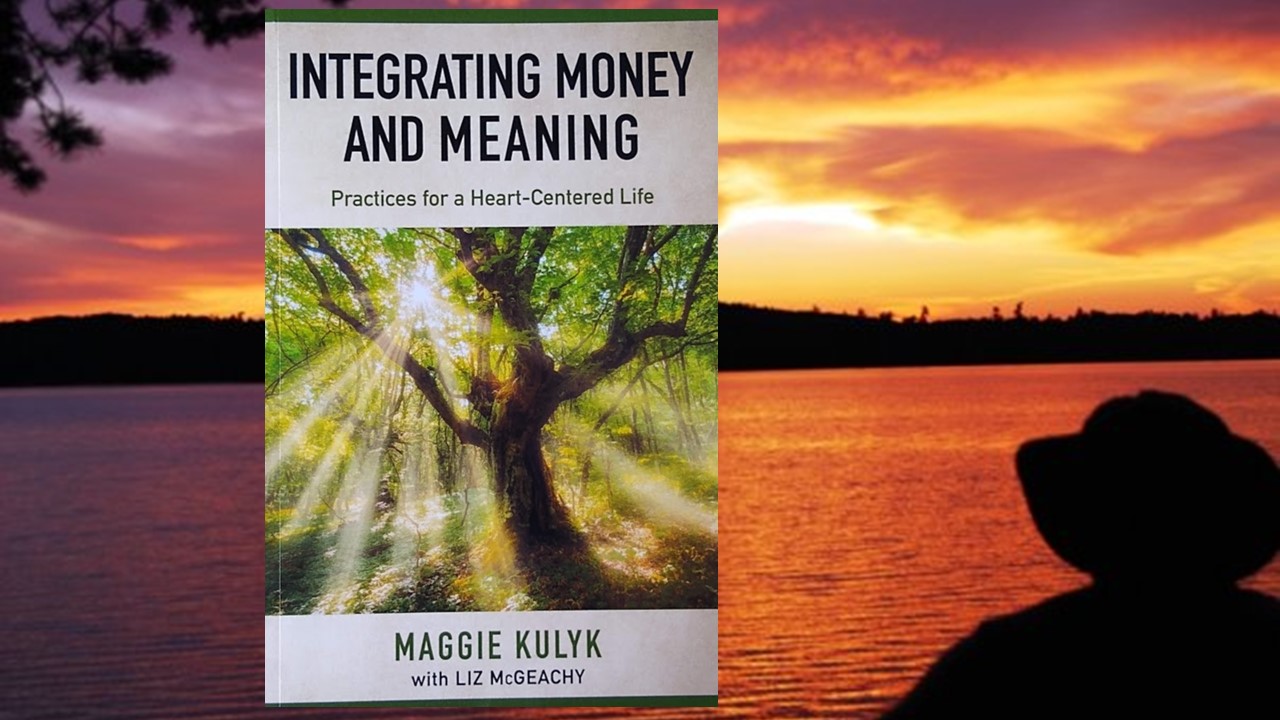 What Jesus does here is demonstrate the delicate balance that exists in our use of money. Money is necessary. It’s what we trade for the necessities of life. But, as is taught in the book Integrating Money and Meaning, we need to understand the power of money. If we don’t understand its lure in our own lives, it can bring out the worst in us. There’s a shadow side to money that’s pointed out in scripture. “The love of money is the root of evil,” we read in the First Letter to Timothy.[4] It’s not that money, itself, is bad. Money is a tool, just like a hammer. A hammer can be used to build good things like houses, but it can also be used as a weapon. Remember the Beatles’ catching tune, “Maxwell’s Silver Hammer”? “Bang, bang, Maxwell’s silver hammer came down upon his head…” Likewise, as a tool, money can be used for good and for bad, which is why we need to spiritually discern how we relate to money. What do we spend our money on? Why do we want more of it? Will it really bring us security? Do we put our trust in God or what’s in the bank?
 Over my next four Sunday’s (we will skip next week with a guest preacher), we’ll look at how we spiritually relate to money. How do we balance things like paying taxes, buying what we need, and giving to God through the church? How much control does money have in our lives? What would we do if we experienced a windfall of money? Or what would you we do if suddenly your money was of no value? These are questions we should all be wrestling with as we come to understand, as Jesus taught, that money isn’t anything to fear. We’re not to fear money, but we’re warned that it contains power. If not understood, money can overtake our lives and become a dreadful master. Look back in your lives and ponder this question, “How do you spiritually relate to money?” “What kind of power does it play in your lives?”
Friends, take care of your obligations. I think that’s what Jesus means when he says to give Caesar what belongs to him. But remember, Jesus also speaks about what we owe God. We’re to remember that we should have only one Master, and his name is Jesus. So, we take care of our obligations, but we must remember our first obligation, that we owe everything to God. Amen.
©2019
The background photo is of me looking at a sunset on a lake deep within the Quetico Wilderness Area in Western Ontario.
[1] Maggie Kulyk with Liz McGeachy, Integrating Money and Meaning: Practices for a Heart-Centered Life (Chicorywealth.com, 2019).
[2] The church is obtaining a video license to legally show this movie (which is required if it is shown outside a home audience).
[3] F. Dale Bruner, The Churchbook: Matthew 13-28 (Grand Rapids: MI: Eerdmans, 2004), 399-400.
[4] 1 Timothy 6:10.
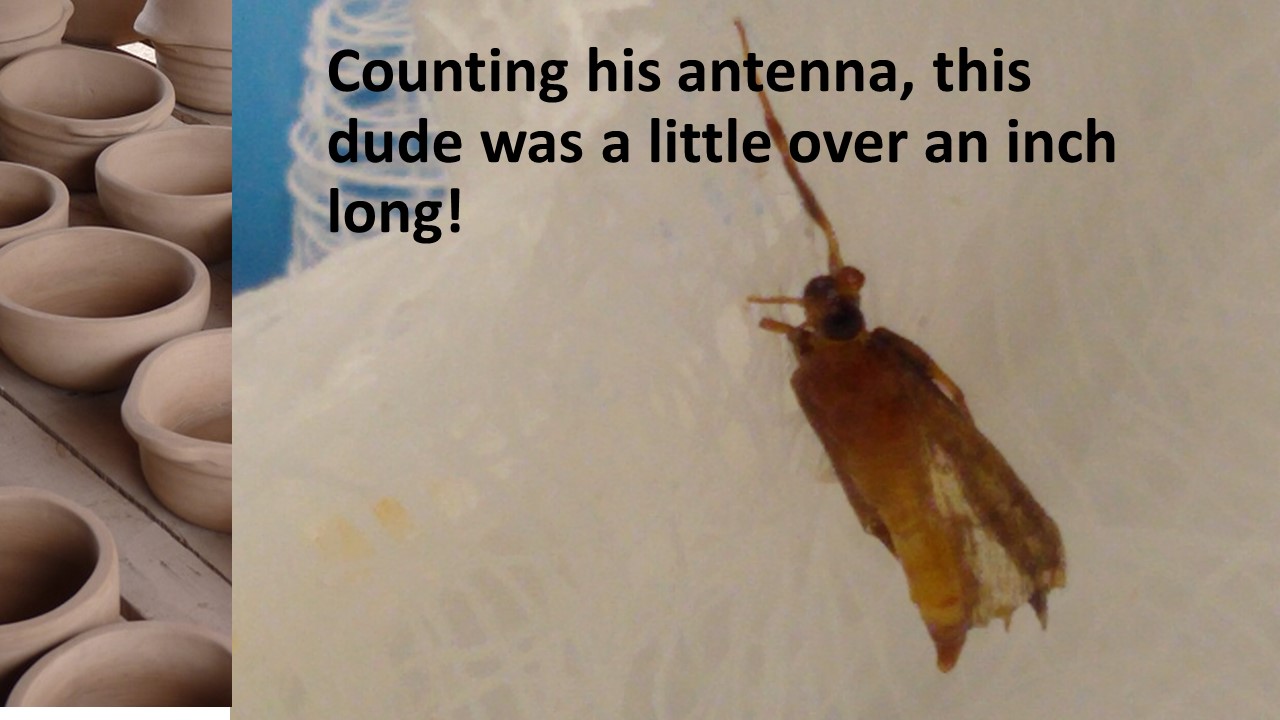 I’d ridden my bicycle down to the marina to meet with some friends late Friday. It was after dark when I left. With a rather bright LED light on my handlebars, I wasn’t worried. But about halfway home something flew into my right ear. The bug dug down deep and as it fluttered its wings. I stopped. I’d always thought the saying, “a bug in your ear,” was a metaphor. Now I was shaking my head and pounding it, in an attempt to free the bug. I was going insane. I rode on home and about every 15 seconds the insect would have saved enough energy to flutter again for a few seconds. Coming into the house, I called out that I needed help. Donna, after checking with the Mayo Clinic website, warmed up some oil and poured it into my ear. It was supposed to flush the bug out, but it never came out. Eventually the bug stopped fluttering. I assumed it drowned. Yesterday morning (which is why I wasn’t in Bible Study), I went to urgent care. They were able to remove the bug. It was a big bug and counting its antenna was over an inch long. That may not sound big until you consider the size of your ear canal.
 Professor James Cone, writing about the African American musical tradition, said that spirituals do not deny history. They don’t deny that there’s a lot wrong in our world. Instead, spirituals see history leading toward divine fulfillment.
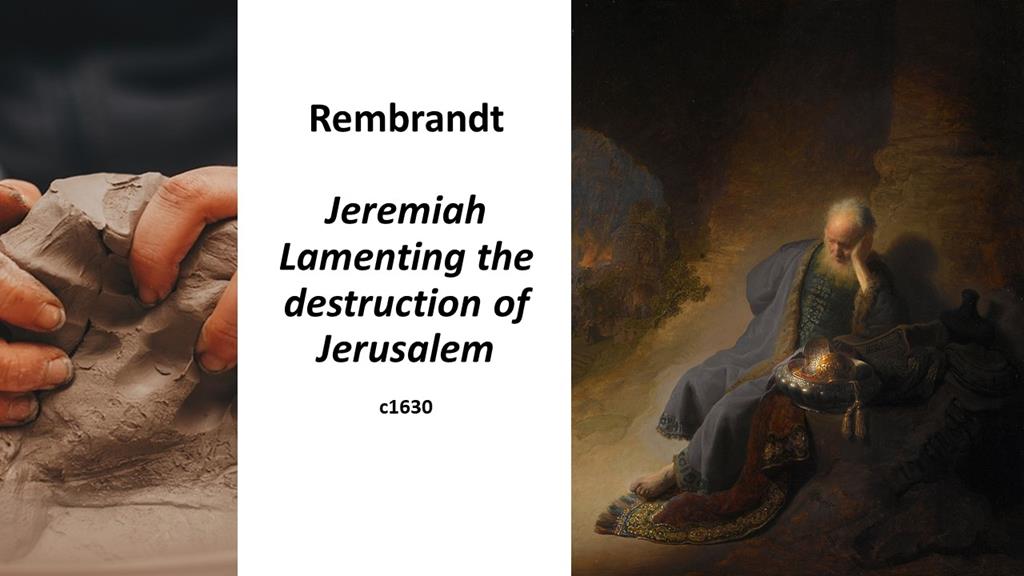
 Let’s imagine ourselves in the 6th Century before the Common Era and join Jeremiah. Having left the city, the prophet walks alone, across what should be a grain field. With each step he kicks up dust. The immature stalks of grain, long dried under the desert sun, crunch under his feet. This should be the time of the harvest, but there are no men out swinging sickles nor women gathering sheaves. The grapes and the figs and the olives area also shrivel on the vine. The harvest has failed. There’s going to be hunger. And with Nebuchadnezzar’s army on the loose, there won’t be a chance to trade for food. Jeremiah’s heart is heavy. As he looks back toward the walls of the city, he cries. He images the bloated bellies of the young and the riots when there is no more bread in the market.
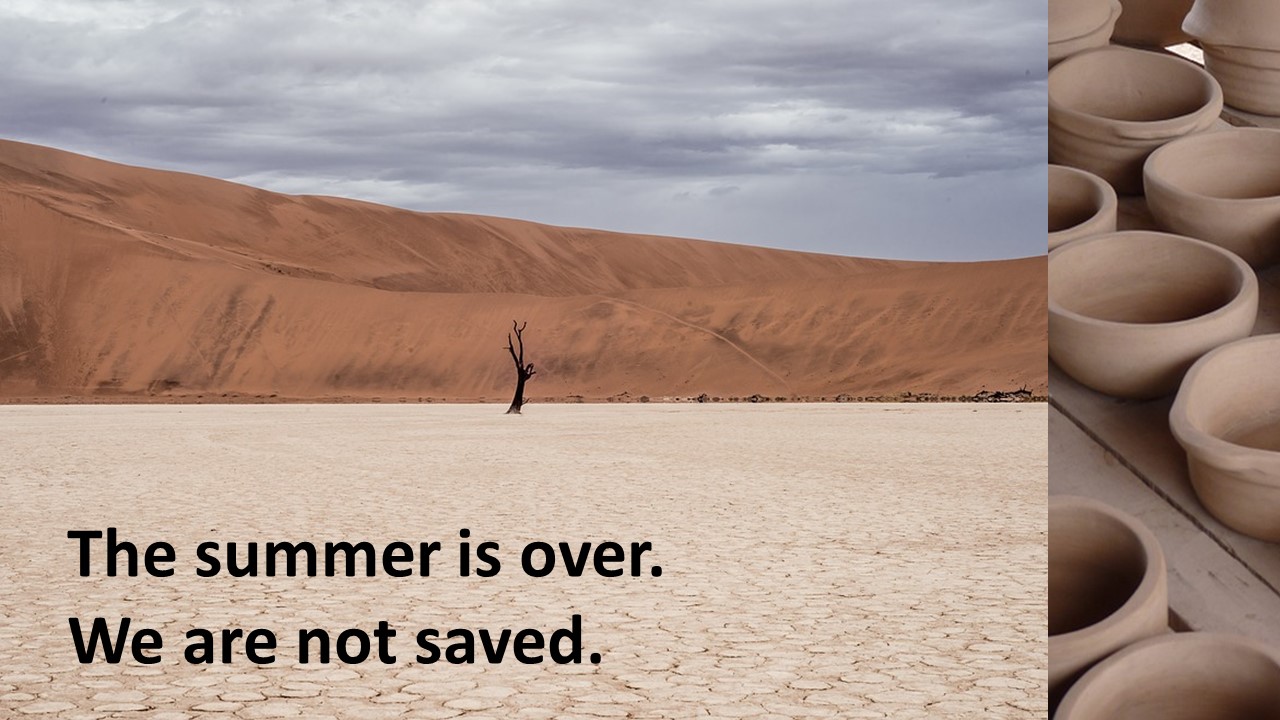 “We are not saved.” What painful words. It’s tough being a prophet, bearing the burdens of a people. Yet, as he cries, he hears something. A voice? Can it be God’s voice? “I’m disappointed. Why have they provoked me to anger with their images and foreign idols?” Yes, it’s God, speaking judgment on the Hebrew people.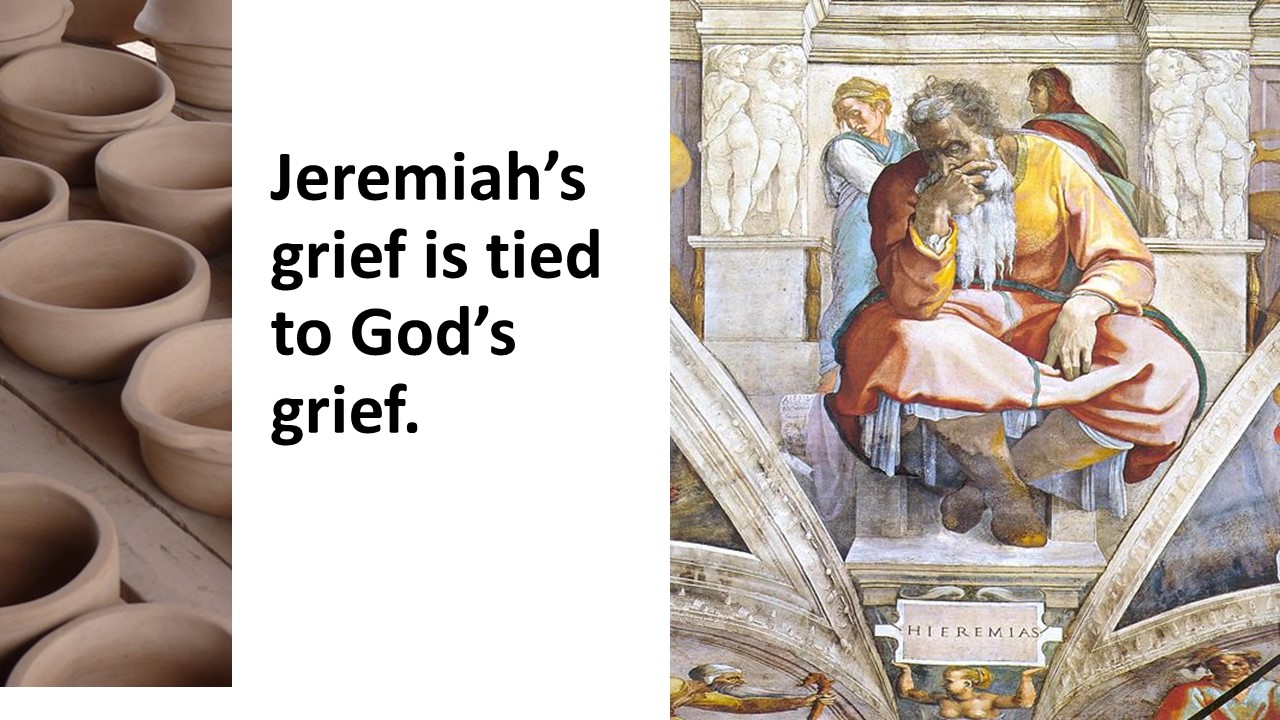
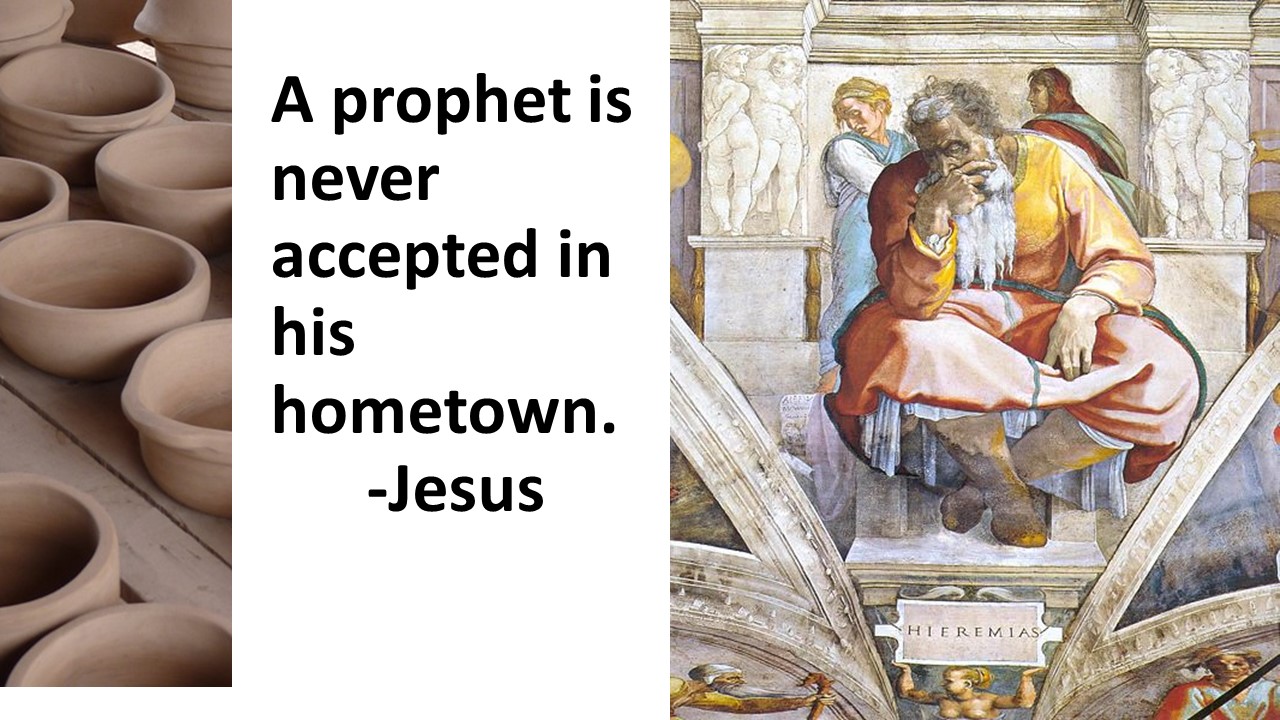 Jesus told those in the synagogue in Nazareth that a prophet is never accepted in his hometown.
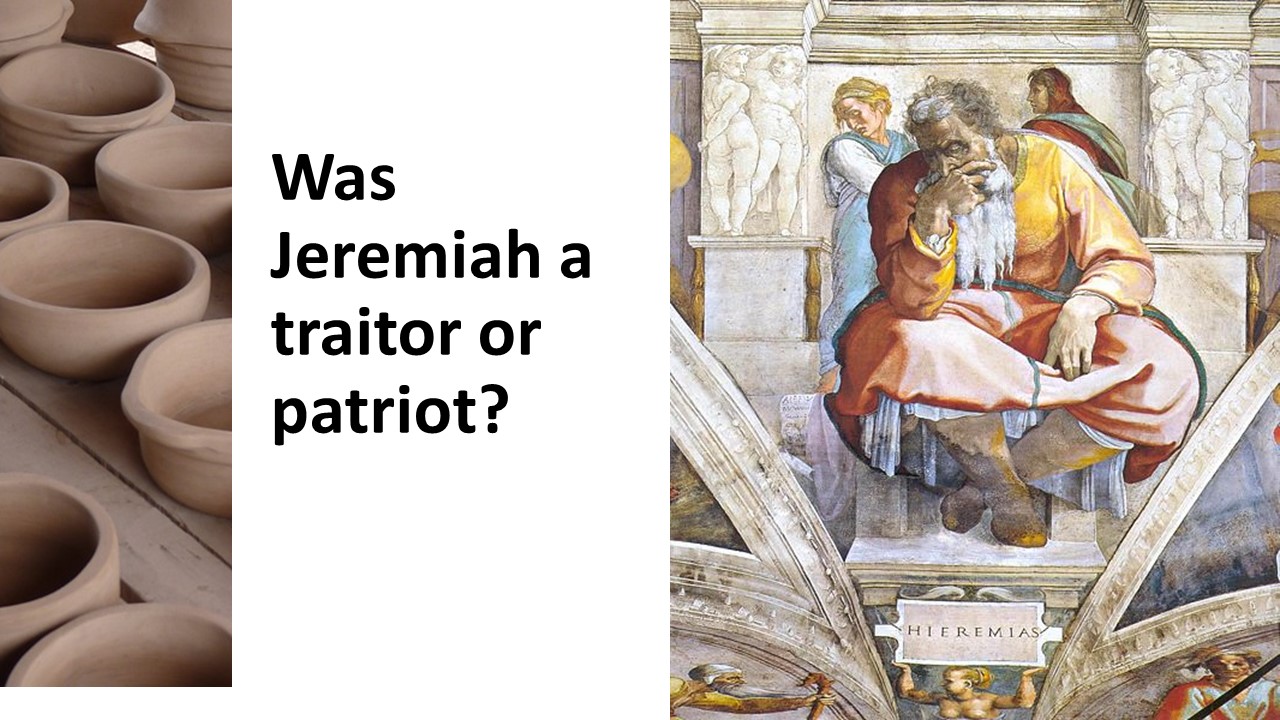 While Jeremiah was considered a traitor in his life, looking back we cannot help but to see that he was a true patriot. God’s people are not called to be loyal to a king or even to a nation. Our first loyalty always belongs to God and when we fail to put God first, we risk hardship, judgment, and perhaps even defeat. Do we have the faith and the perseverance of Jeremiah? Are their Jeremiahs in our society today? If so, do we listen? Or do we tune him or her out, or worse, mock and abuse?
 You know, on the 22nd, we’re going to have our first community forum to discuss civility. If we want to build a better society, which is one of the goals of the church as we are to be a part of building God’s kingdom, we must listen to others. I hope you plan to attend and to tell others about the forum. Go to our church’s Facebook page and like the event and share it with others on your page. We have got to get our community and our nation on a new direction. We need to be about listening to all voices, even the voice of a Jeremiah, crying a fountain of tears. Only by listening to others who challenge us, like Jeremiah challenged Jerusalem, will we be able to build a better society.
 Let’s go back to that day, some 2500 years ago, and join Jeremiah once more… The heat of the day is over when Jeremiah starts back toward the city. Having wrestled with God through lament, Jeremiah is more assured than ever of God. Ahead, the city David claimed his capital, is magnificently lighted by the setting sun. As the even breeze picks up, Jeremiah picks up his pace.
 Jeff Garrison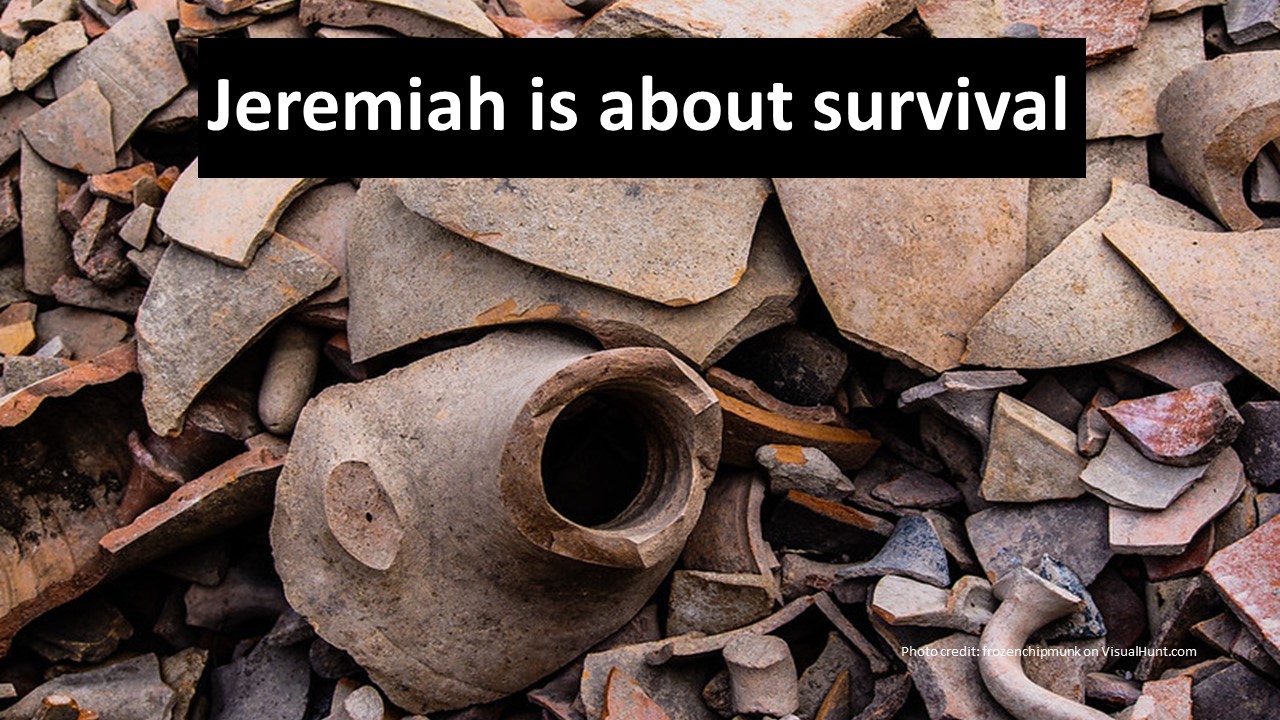
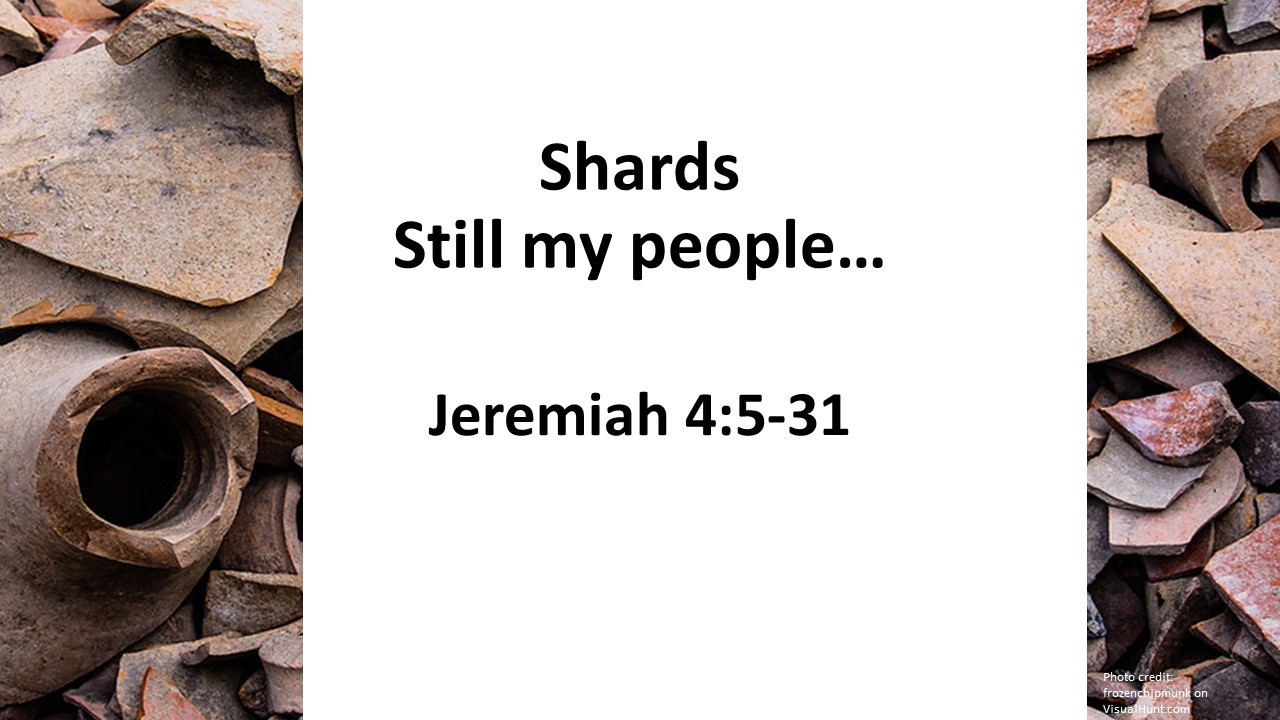
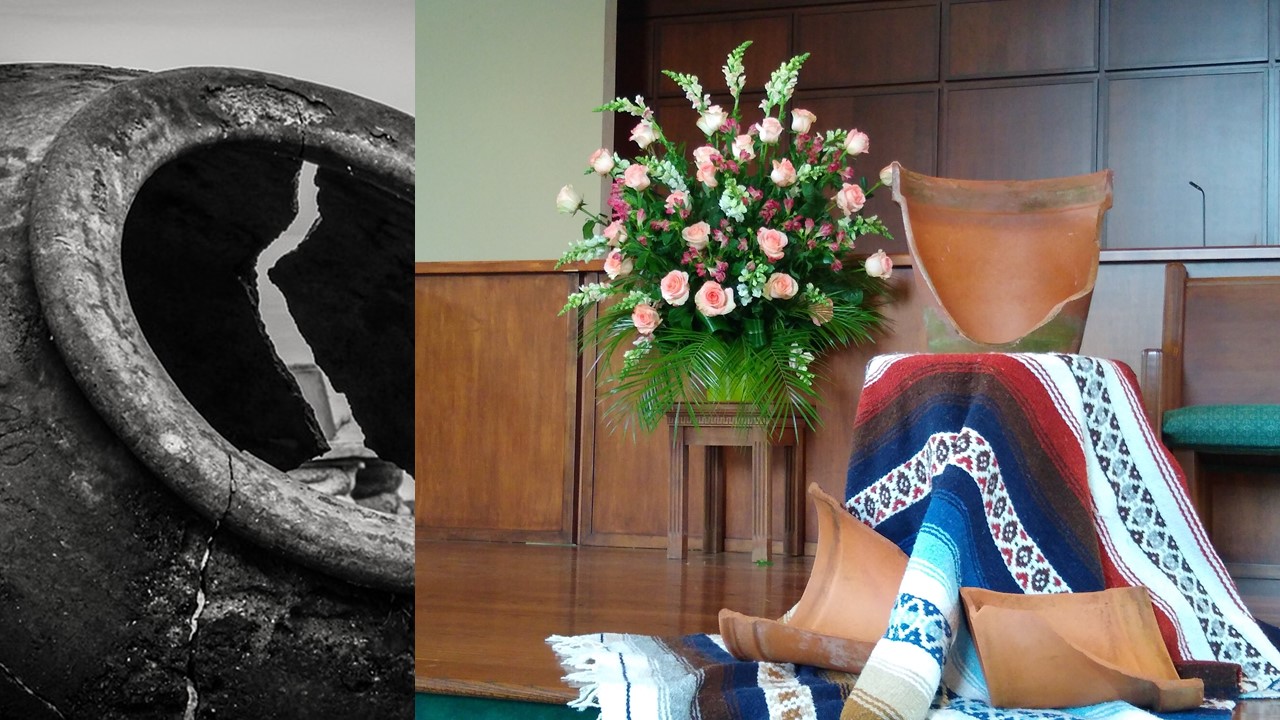
 Beautiful pottery breaks. Today, during the sermon, hold on to the shard you’ve been given, and ponder God’s judgment. Think about what it means to be broken, unfixable. But don’t throw away the shard. When the service is over, take it over to Liston hall, where we’ll attempt to put it back together and see what kind of design Sue Jones created for us.
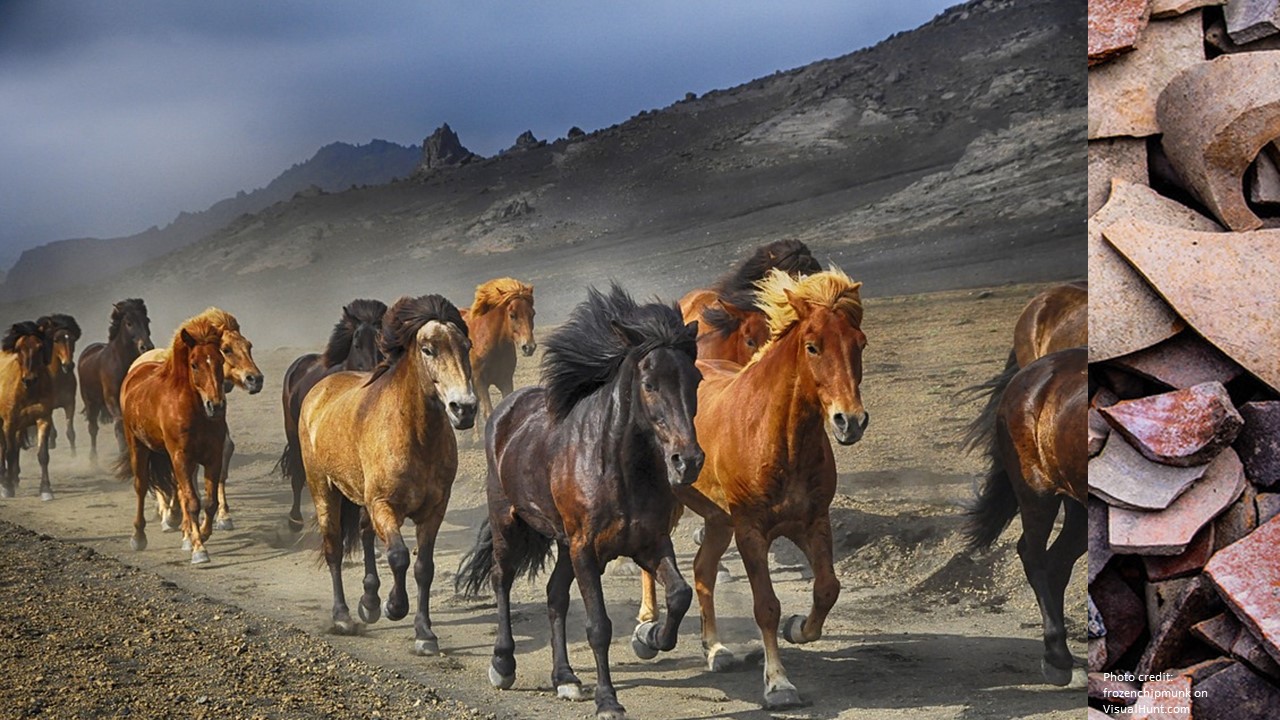 For the people of Jeremiah’s day, storm clouds are gathering. It’s not looking good. It’s kind of like that vision we get from the song “Ghost Riders in the Sky,” those wayward cowpokes who are eternally damned to chase the Devil’s herd. Storm clouds are always frightening. But let’s think about ourselves.
 You know, we have blessed as a nation in that no foreign army has invaded us for over 200 years. The last was during the War of 1812. It’s been a century and a half since those of us who are from the South experienced the horrors of having towns and cities burned, armies destroyed, and people suffering. We can only image what it was like for the people in Savannah during that Civil War, hearing the distant bombardments of Fort Pulaski and Fort MaAllister, and then, in 1864, the rumors building fear as Sherman’s army approaches.
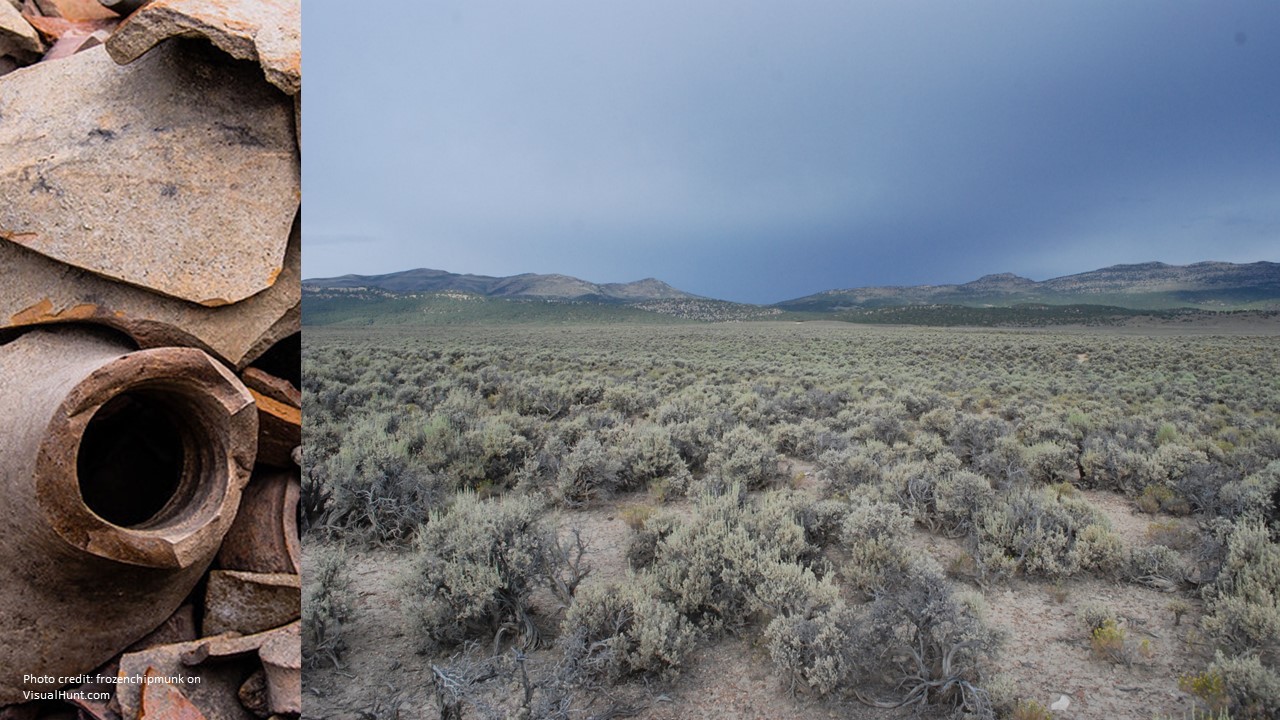 In this section of Jeremiah, the approaching Babylonian army is described as a hot wind blowing up a frightful dust cloud off the desert. This could be like the dust clouds off Africa that eventually turn into hurricanes that threaten our coastline. In the part I skipped, we hear how the rumors begin to filter down to Judah and Jerusalem, starting way to the north, above the Sea of Galilee, in the territories of Dan. We know a similar drill with hurricanes as they approach the Leeward Island and the Lesser Antilles and the Puerto Rico, Dominican Republic, Cuba, and the Bahamas as the storm makes its way across the South Atlantic. Sometimes these storms are like Jeremiah’s vision, bringing total destruction. Just as we hurt seeing the damage Dorian caused the Bahamas, we also worry what might happen to us if the storm doesn’t turn, Jeremiah is bothered by his vision. He can see it happening and cries out in anguish. But despite the heartache of what he sees, he faithfully proclaims God’s word.
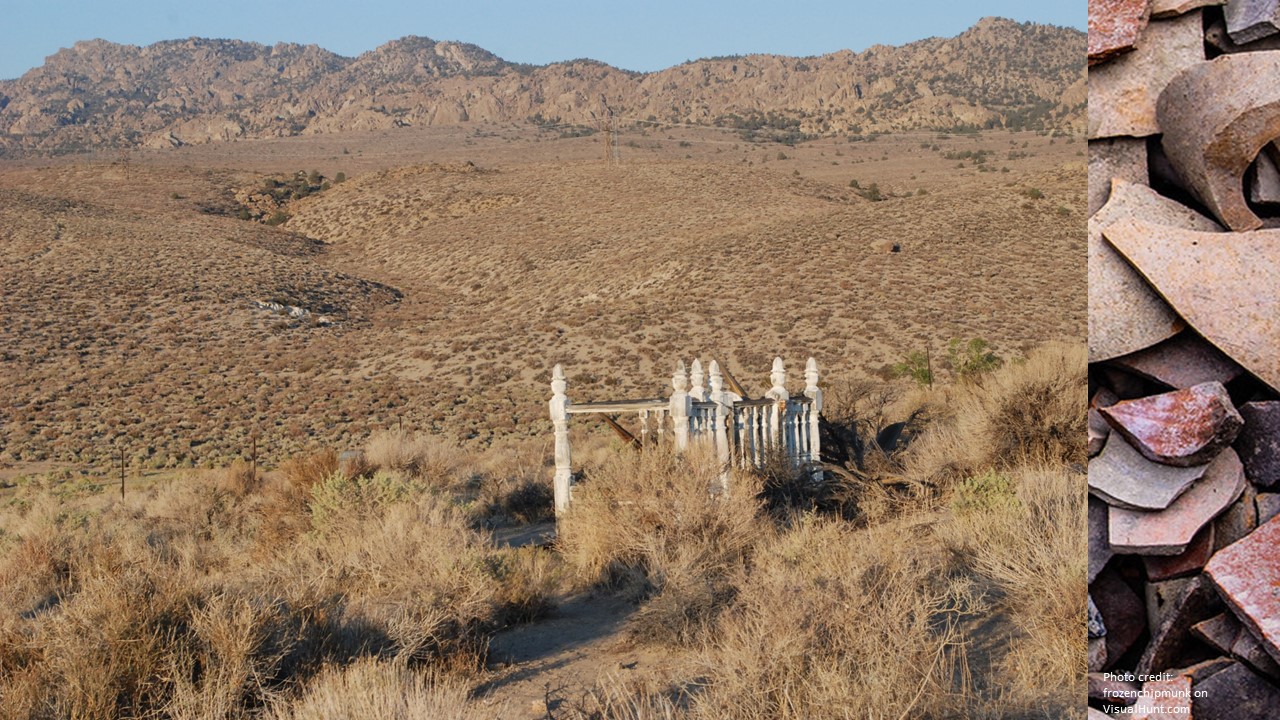 The second part of my reading describes the aftermath. Destruction is total. Starting with verse 23, the poem recalls the “dismantling of creation.”
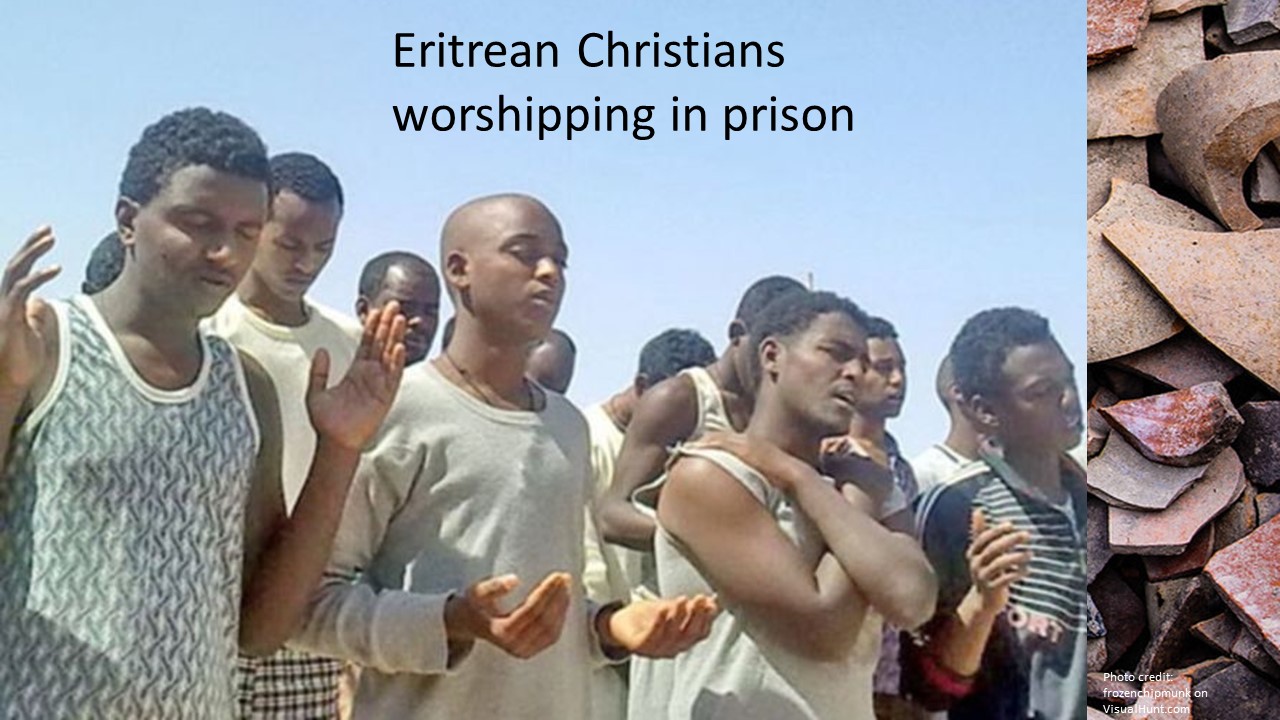 For Christians living in America, we may have a hard time relating to Jeremiah’s vision. But many Christians, those living around the globe in places where it’s dangerous to worship Jesus, recognize Jeremiah’s anguish as their own. For them, gathered around this table on World Communion Sunday, they are in danger. They know what it means to worship in fear, to experience the loss of jobs, of their homes and their land because of their faith. They know what it means to be locked up, to be tortured, and to watch loved ones be taken away and never return because of their faith. Christians are suffering in China, in Eritrea, in North Korea, in Iran and Iraq, in Syria and parts of India. We must stand by those who do not enjoy the freedom to worship as we enjoy it.
 Remember, we have an insight Jeremiah didn’t have. We know about the resurrection, how the grave is not the end. Jeremiah knew that somehow God’s destruction wasn’t going to quite be total. We know that even if it appears total, as it does at death, as when we peer down into the grave, God is still God and the end is not the end.
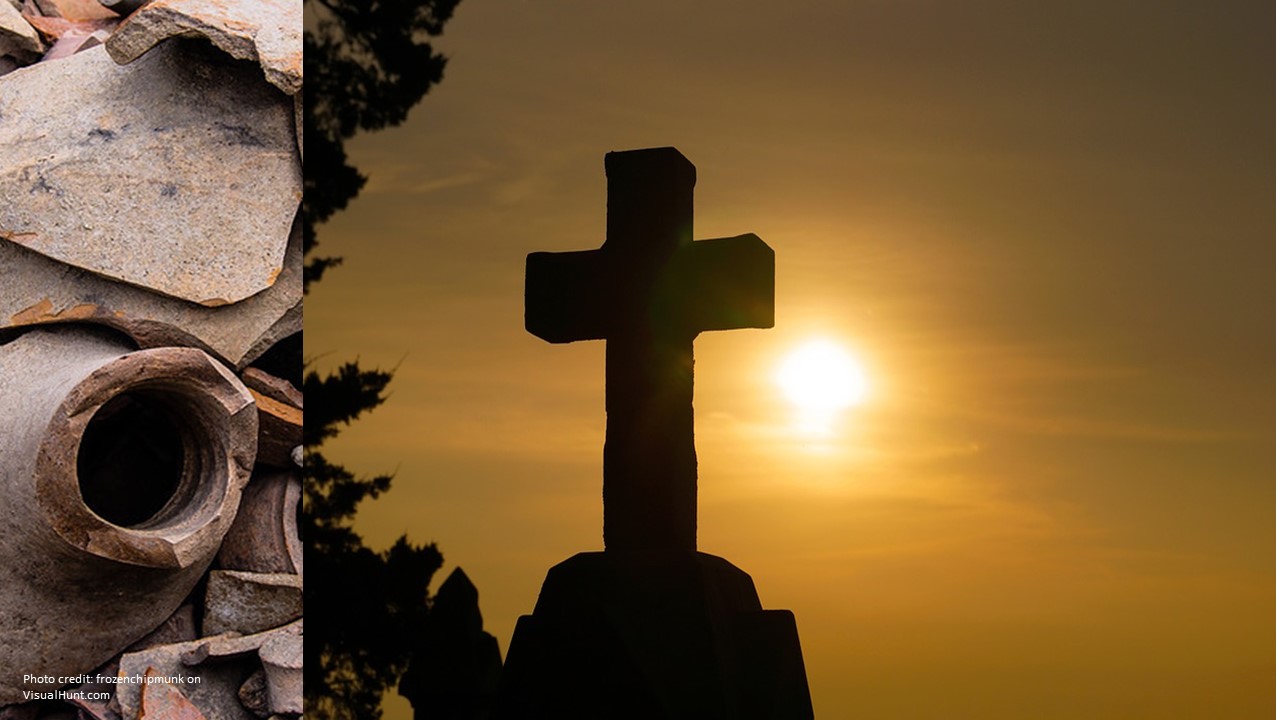 The center of the gospel is the hope we have in the resurrection to eternal life. And for that reason, we can face those storm clouds. We can face the stampede of Satan’s herd and the cowboys running roughshod across the skies, and know that as bad as things are, there’s hope. We may feel like we’re just broken shards of pottery, but God has the power to make what’s broken new and whole. Believe in God. Hold on to such hope. Amen.
 Jeff Garrison
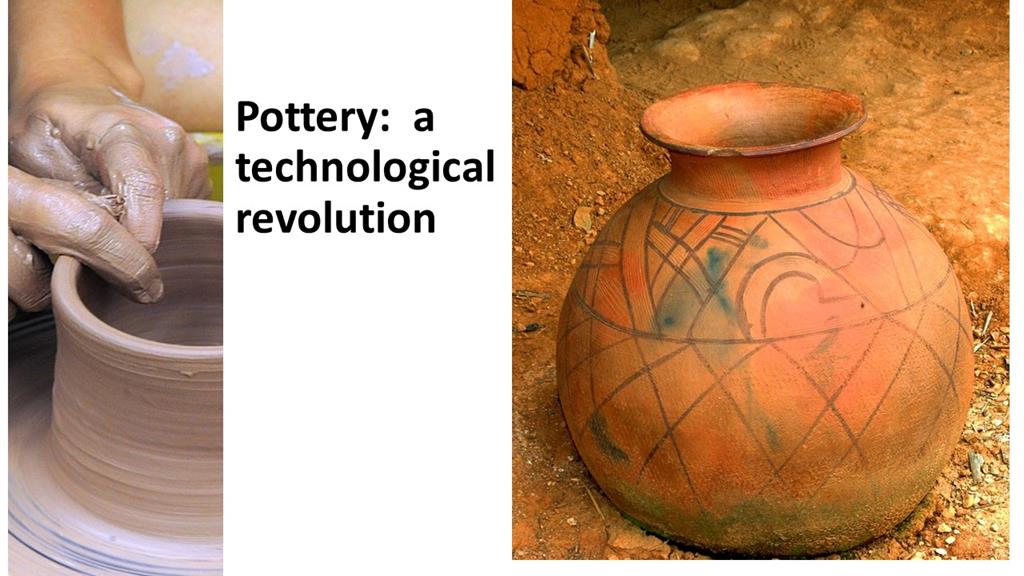 You might be wondering about all this emphasis on pottery as we look at the Prophet Jeremiah. Pottery was a revolutionary technology in the ancient world. It allowed more movement as people could store things in pots, such as water and grain.
 About twenty-five miles northwest of where I was born, where the Carolina Sandhills turn into clay hills, is a dot on the map known as Jugtown. It’s a place I like to visit when I am back in that part of the world. Today, the area around Jugtown and Seagrove is dotted with crafty potters who turn muck into beautiful and useful art. It’s a treat, as we’ve just seen on the video, to watch a potter turn a lump of clay on the wheel into something useful and beautiful.
 Jugtown received its name, as you can guess, from jugs. The law-abiding folks in the clay hills around there, I’m sure, intended their jugs to store molasses, honey, cane syrup, or something similar. Of course, it was also used to hold liquefied corn (also known as white lightning or moonshine). But with the advent of mason jars, such use of the jugs ceased. But early on, some of the potters had new ideas. In 1917, two of the potters began selling their wares in a store and tea shop in New York City. They emphasized utilitarian pots, things that could be used such as pie plates, crocks, mugs, and bowls. They stamped their unique mark on the bottom of each vessel. Over time, they began to teach new potters the craft and as one generation passed, another took up the wheel. Today, if you go to the area around Jugtown, you’ll find dozens or potters selling their wares. These artists have brought new life into that worthless clay that sticks to your shoes and gums up a plow.
 Jeremiah is called to the potter’s house where God uses a common image of the ancient world to make a profound message. God’s word comes to him as he watches the potter over and over start off one direction with clay, and it not working, so he reworks the clay into something more suitable. This sounds hopeful. God will continue to work with us until we become a vessel that serves some purpose. One preacher, writing about this text, said that it demonstrates a sovereign God, “not a God of absolute capricious control, but a gracious willingness to change his plan to benefit his flawed people. When God discovers this fatal flaw in his people, he does not simply destroy them; he offers to start over.”
  Jeremiah’s task is to preach impending judgment to God’s people. If they don’t shape up, if they don’t stop running around chasing foreign gods and idols, if they act like they’re in control and the God of the Universe is of no matter, they will be punished. Just as the potter can shape a vessel in a new way, they can be handled in a different manner. God can shape another nation to punish. There appears to still time, at this point, for the Hebrew people to change. Later prophecies of Jeremiah hold out no hope of repentance, but here, it’s not too late.
 The message of this passage is that God has the power to reshape us, but we must let God work with us. If we resist God’s shaping, we may not be completely crushed, but we won’t fulfill the potential for which we were designed. The intention of our passage isn’t to be fatalistic and say we have no control. Instead, it’s a warning that we’re to work with God and not against him.
 When you leave this sanctuary today, ponder these questions: Where is God at work in the world? How can we participate? How can we be the clay that trusts the potter? Amen.
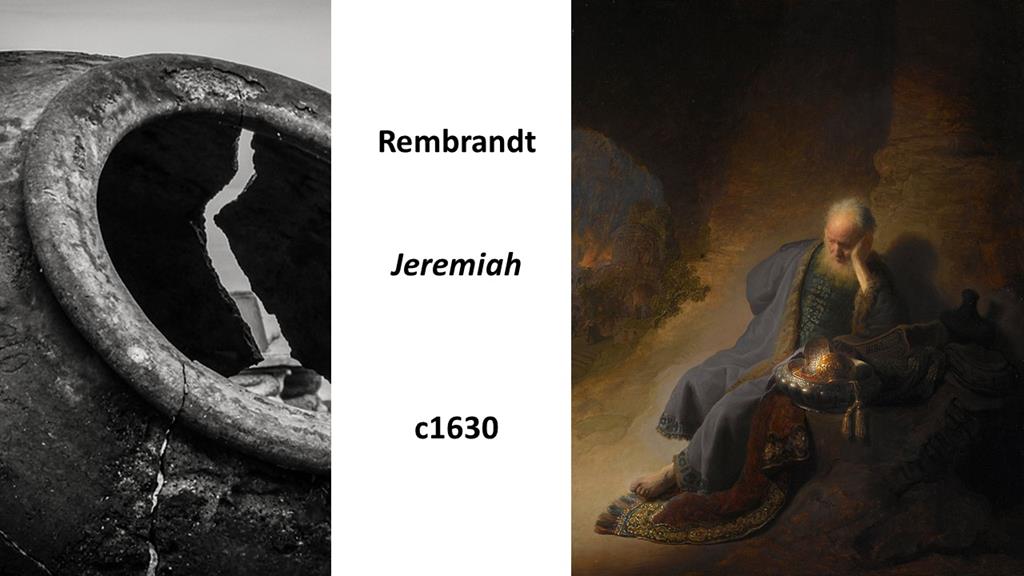 Last week we learned of Jeremiah’s call by God as a prophet to pluck up and to pull down, to destroy and to overthrow, to build and to plant.”
 In the spring of 2018, my sister, my father, and I took a trip to the Dry Tortugas. I’m sure many of you read the article I had about the trip in The Skinnie.
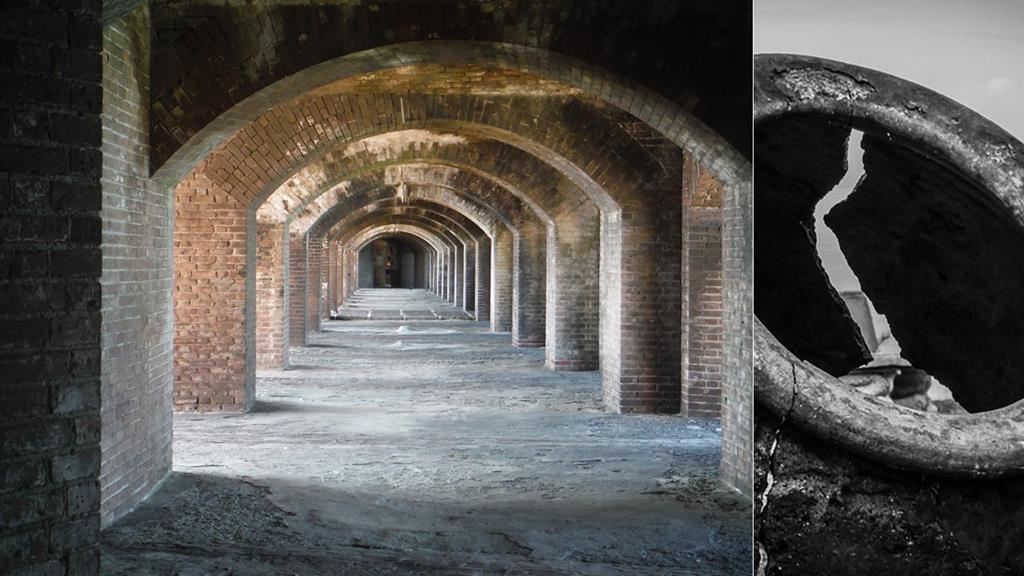 If you’re going to have a fort with a substantial garrison on an island without fresh water, you must find a way to overcome that limitation. The engineers who designed Fort Jefferson came up with a unique way to address the lack of water. They built a series of cisterns under the walls of the fort and designed a system to funnel rainwater into the cisterns where they provided water for later use. The fort could hold nearly two million gallons of water. It was thought there would be enough water and provisions within the walls for the fort to survive a yearlong siege.
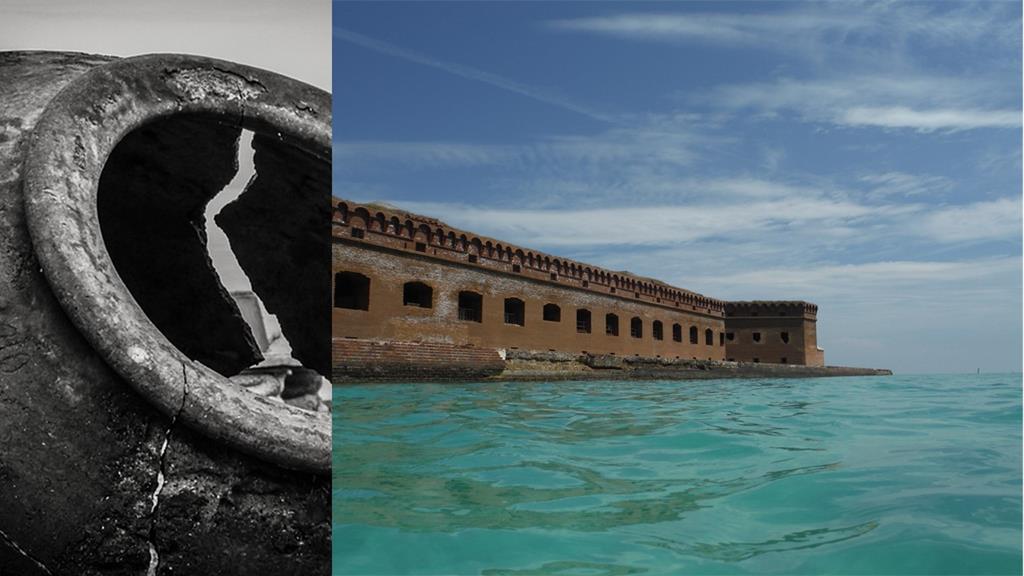 But the plans of men and women often fail. This massive fort, built with millions of bricks and packed dirt, was so heavy that of the 136 cisterns, all but three cracked and allowed saltwater to infiltrate. They became useless.
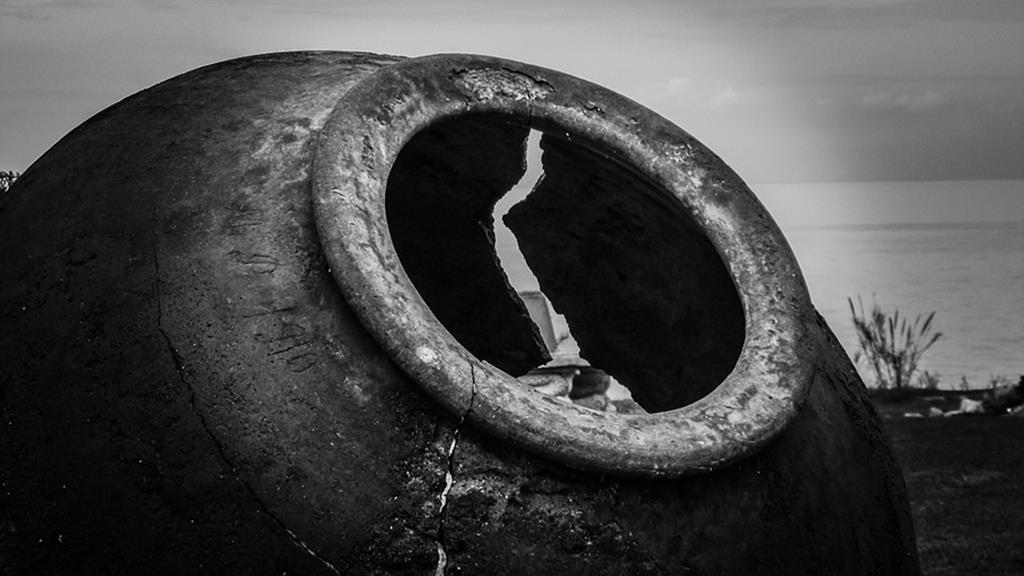 The cracked cistern image shows Israel’s condition after chasing after non-existent gods. As humans, we all need water. An image of God’s providence found throughout Scripture is that of living water nourishing us.
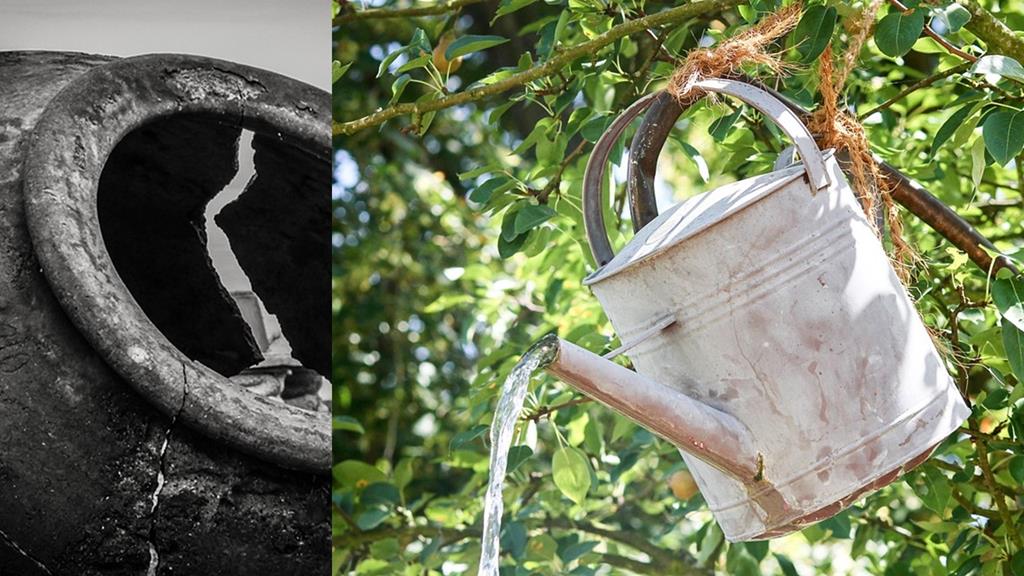 Friends, we don’t want to be cracked pots. We want to be vessels holding abundant living water that will quench our thirst, and can be shared to others, to quench theirs. Amen.
 Jeff Garrison
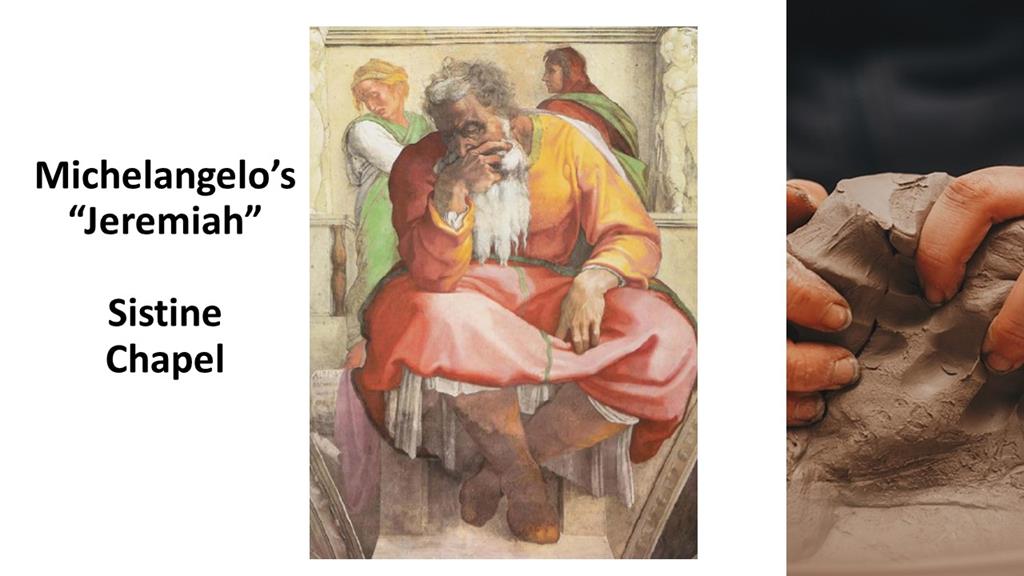 The prophet Jeremiah lived in interesting times. He was one of the longest serving prophets in Israel’s history, his calling coming as the Assyrians were losing power. It was a time of optimism in Jerusalem because they had existed as a vassal state under Assyria for over a century. It appeared they might be free once again, as in the years of Kings David and Solomon. Furthermore, Josiah, one of Judah’s few good kings, was implementing religious reforms. But then Josiah is killed in battle against Egypt.
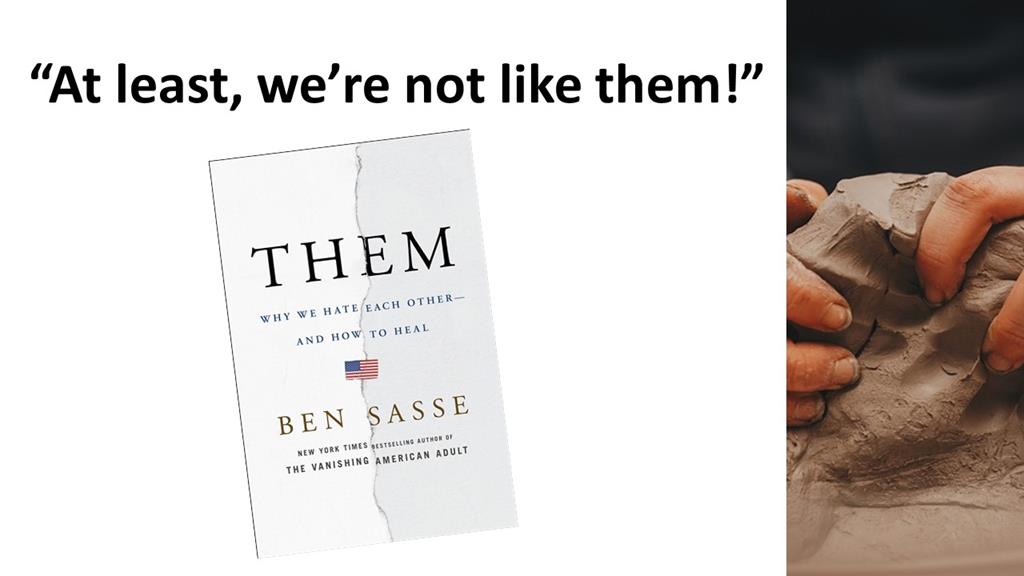 We, too, are living in interesting times. Things are scary in our world: rogue nations having the bomb, individuals going berserk and killing people, terrorists creating political instability, and huge storms leaving behind chaos and destruction. The news often leaves us fearful and angry. And since we often don’t have answers for the problems we face, we blame others. Ben Sasse, a Senator from Nebraska, suggests one of the few things uniting us is our contempt for those of whom we assign blame. “At least,” we say, “we’re not like them.”
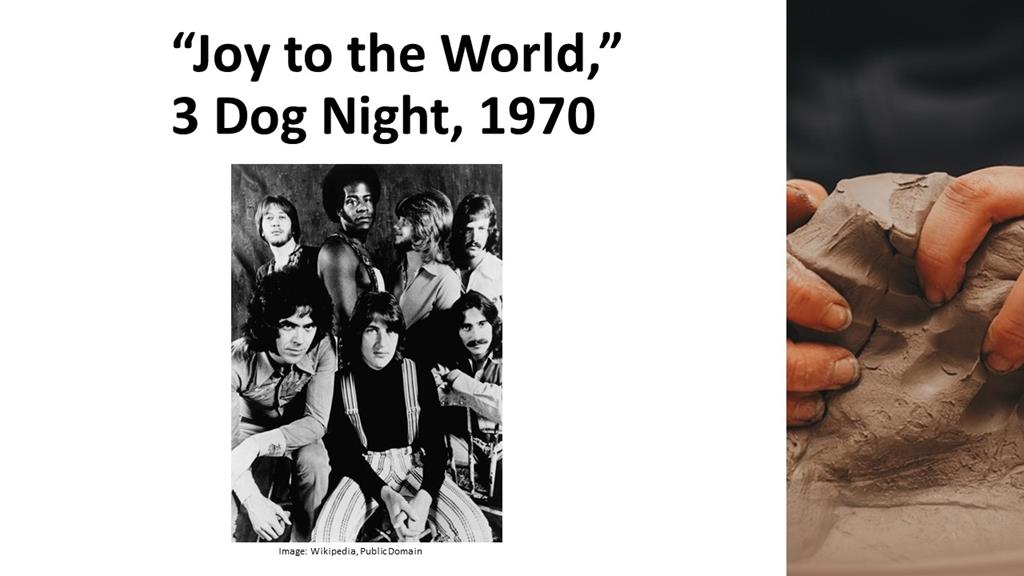 Jeremiah was a bullfrog,
 Back in early May, Gary Witbeck and I took a trip into the Okefenokee National Wildlife Refuge. On our second night, we were camping on a platform at a place called “Big Water.” It’s the headwaters for the Suwanee River. As the sun set and evening descended, we watched alligators battle over territory (or maybe they were fighting over mates, or were flirting, we couldn’t tell the difference). While the gators fought, in the background a chorus of frogs sang. Their song would come in waves, starting up the river and working its way down and then back up. The frogs were in perfect harmony. You couldn’t tell one frog’s croak from another. It was quite beautiful.
 But this is where the song gets it wrong. The one singing, claims to be a friend of Jeremiah, enjoying drinking his wine. But the Jeremiah of the Old Testament, was often lonely. He didn’t have many friends bellying up to him at the bar. Like a bullfrog, he cried out the message from God that he’s been given, and message that no one wanted to hear, so he was often alone and vulnerable. But he was faithful, and when we consider eternity, that makes all the difference in the world.
 You’ll notice in the text that Jeremiah didn’t have a choice in all this. He was chosen by God before the foundation of the earth. Yesterday morning, in the Men’s Bible Study, we were reading Paul’s letter to the Ephesians, where are reminded that God calls us through Jesus Christ to do the work which has been prepared for us.
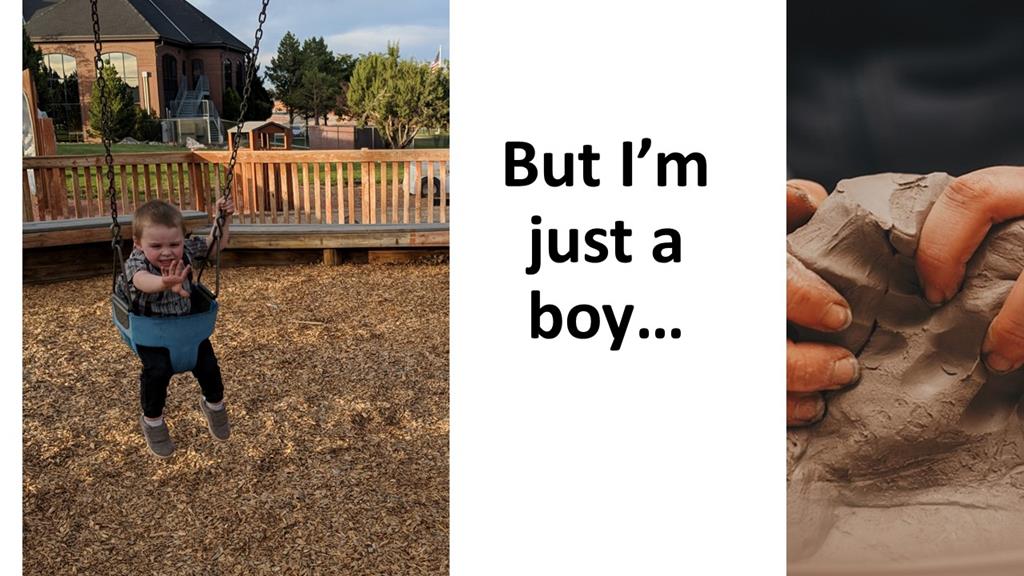 Of course, like Jeremiah, we can beg off. Jeremiah said, “I’m just a boy.” Looking around, we might say, “we’re too old.” But God has heard that one, too. Remember Abraham and Sara? How old were they?
 Jeremiah has been appointed for a mission. Likewise, the church has been appointed for a mission. We’re all called by God to follow Jesus and to point to him as our hope in a world that often seems hopeless.
 Over the next six weeks, as we work through this series, we’ll be using images of potters. Our image today is a clump of clay, being kneaded like bread dough. The technical term for doing this to clay is “wedged.” The potter takes the clay and stretches and pushes it like a baker works dough. In doing this, all the air pockets are worked out so that the clay is easier to shape on the wheel and afterwards, when firing, the pot won’t have air pockets that’ll explode and destroy the vessel.
 Paul, writing to the Ephesians, encouraged them to put away all bitterness, wrath, anger, wrangling, slander and malice. Such behavior is to be wedged out of us, like air is wedged out of the clay, so that we might be kind to one another, tenderhearted, and forgiving.

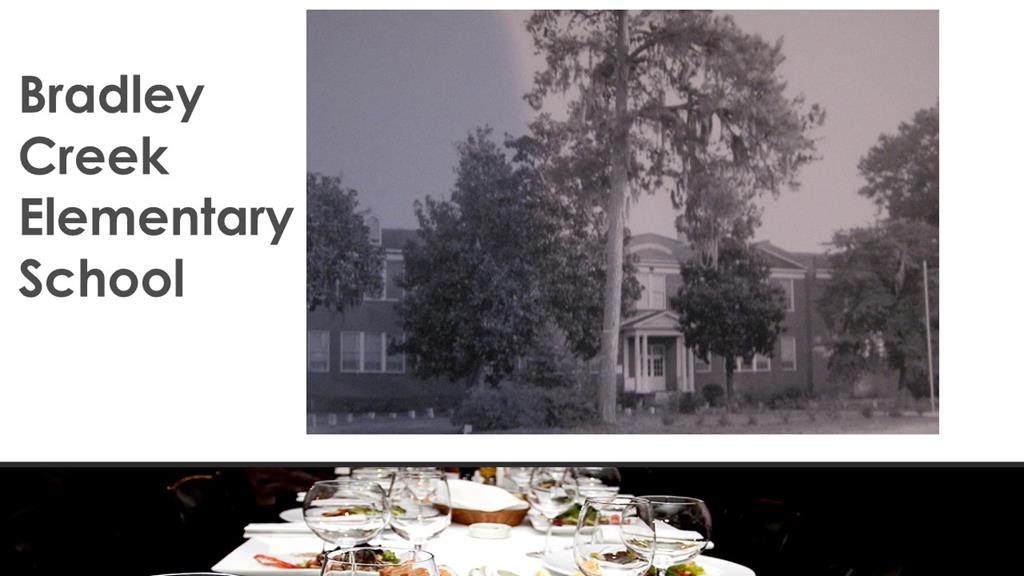 At the end of the sixth grade at Bradley Creek Elementary School, there was a graduation banquet. It was held in the evening, which made it special, and in the cafeteria, which wasn’t so special. I’m sure we had macaroni and cheese. We always had mac and cheese. There must have been a rule that you couldn’t open the cafeteria without mac and cheese. But this was a special meal, so maybe there was a slice of ham or a piece of chicken and a piece of cake that was larger than the one inch cubes they fed us at lunch.
 In the bulletin, I titled this sermon “Humility and Hospitality.” The problem with coming up with a title a few weeks before writing a sermon is that you often have no idea where the sermon is heading. I later decided that a better title might be Banquet Etiquette. But as I continued to study and ponder, I decided to put a question mark at the end. Yes, Jesus expects us to be humble and not pretentious. Such advice will also keep us from being in an embarrassing position. Yes, on the surface, this is about etiquette. But is this what Jesus is driving? Is this Jesus’ attempt to be the Emily Post of the first century? Or is there a deeper message here?
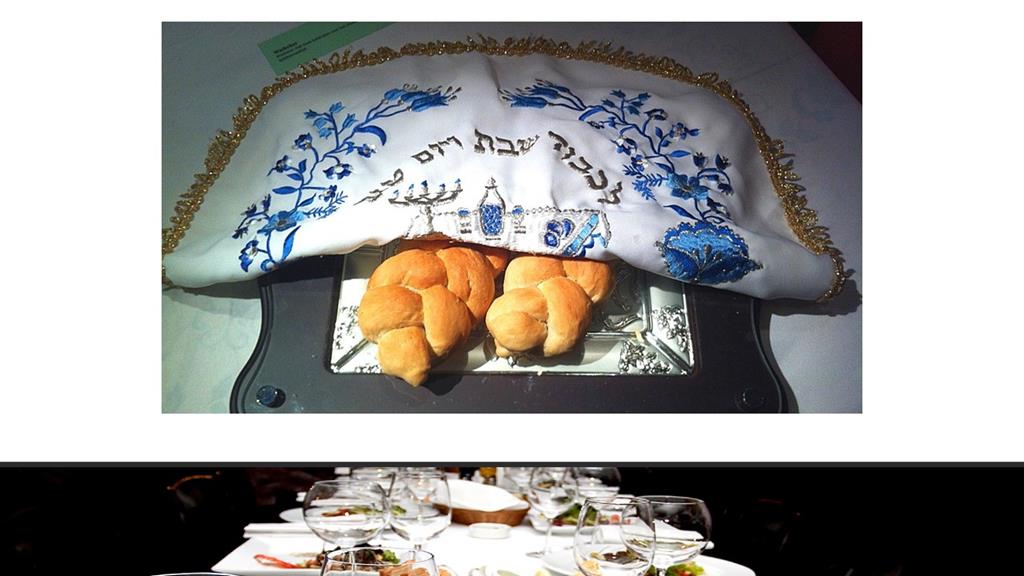 Remember what I said about the Sabbath, before reading this passage? That it was a foretaste of the eternal kingdom. And this section of Luke’s gospel is filled with parables that focus on the kingdom.
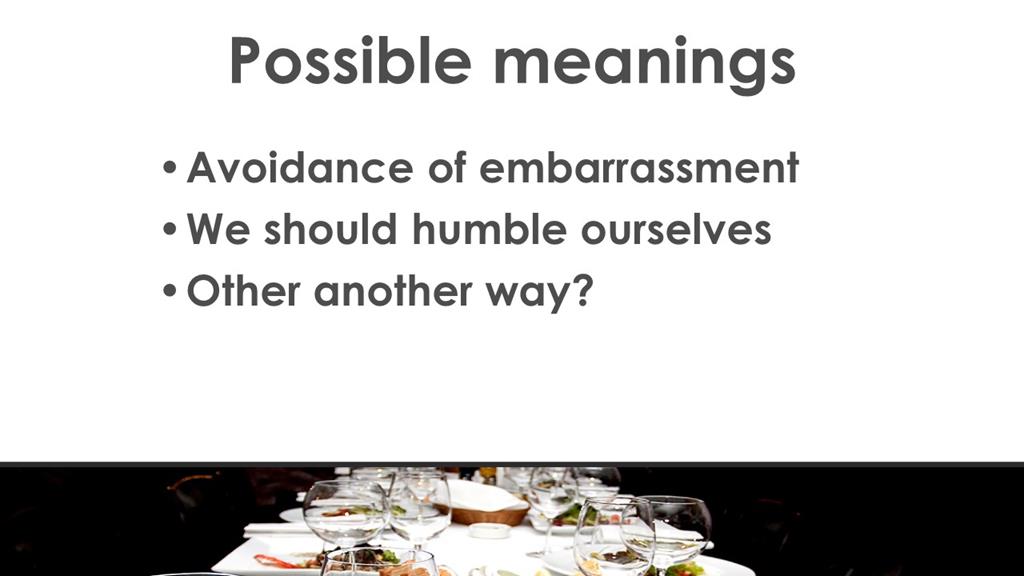 The surface meaning may have to do with avoiding embarrassment. A deeper meaning might be that we should humble ourselves. One of the challenges that Jesus had was his disciples wanting to grab key positions in the coming kingdom.
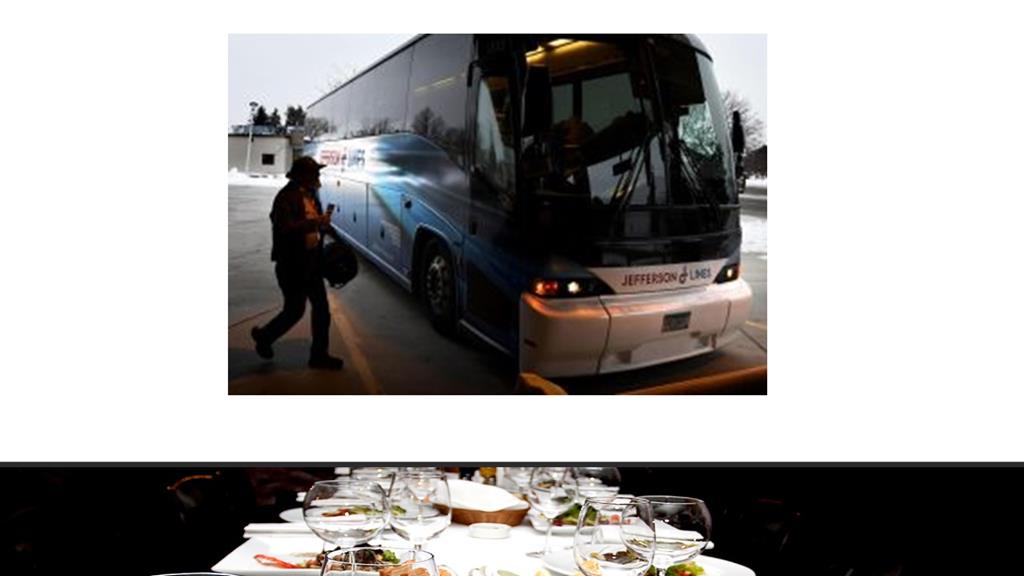 But there is another way to look at this parable, which I had not considered until I read a blog post by a pastor in Iowa earlier this week.
 Instead of Jesus wanting us to show humility in the hopes that we might be called up to the head table (as you could read this passage), maybe Jesus is telling us to meet others where we find ourselves. Show hospitality to those less fortunate. If our only goal was to sit at the head table, we could easily display false humility to gain such a blessing.
  But Jesus wants us to long for the kingdom, which isn’t going to be made up of exclusively of those who look, and act like us. Jesus’ vision is for a world where believers cherish their friendship and fellowship with all people. It’s about us showing goodness to those who have no way to repay us for what we can do for them. Ponder what this kind of world might look like.
 You know, none of us know what this week will bring as Dorian churns up the waters. When Hurricane Matthew hit in 2016, I spent a few days in Dublin, GA. There’s a great hot dog shop there, not far from the courthouse, where I found myself drawn at lunchtime. There were the regulars, but there was also those of us in exile: from Savannah, from Hilton Head, from Brunswick and Saint Simons. The place was packed. Friendships were made as we were forced to share tables. Stories were told of shared experiences such as being in gridlock on the highway. There was a lot laughter. I image that’s how the kingdom will be. So, if we evacuate this week, and you find yourself in a strange land for a few days, don’t see it as a burden. Instead, take it as an opportunity to sample the kingdom. That’s what Jesus would have you do. Let us pray:
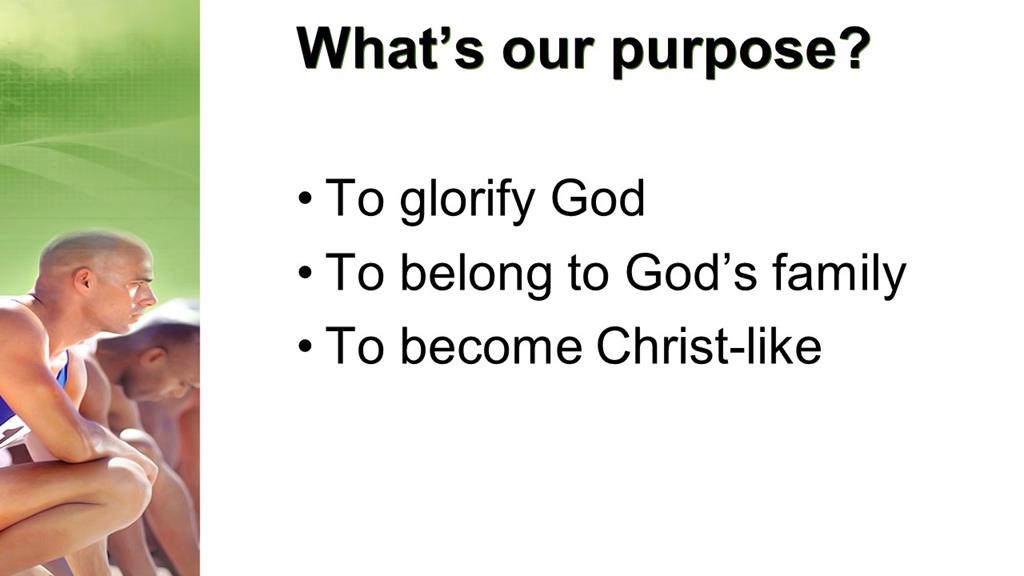 Why do we exist? What is our purpose in life? The Westminster Confession says we’re to enjoy and glorify God. That’s succinct. In Rick Warren’s best seller, The Purpose Driven Life, he expands this into five purposes. First, we are to love God. God wants us to open our lives up so that we might experience and be overwhelmed by divine love and in turn we might show our love to God. We call this worship. Our second purpose is that we’re created to belong to God’s family, which we know as the church. Within this new family, we are to be nurtured and to mature. This morning, I want us to consider our third purpose: to become like God’s Son. A big word for this is sanctification. We’re to become Christ-like. The fourth and fifth purposes are that we’re shaped to serve God and are made for a God-given mission.
 Last weekend, Donna and I were in Cumberland Gap, a significant place in American history even through it is mostly overlooked these days. This gap was the easiest place for settlers from the Carolinas to Southern Pennsylvania to make their way across the Appalachian Mountains. Today, we breeze through those mountains on engineered roads, but in the late 18th Century, those mountains stood like barricades, keeping people out. Then along came Daniel Boone, who built the Wilderness Road through the mountains and for the next hundred years, it was the easiest way to get into Kentucky and Tennessee and further west. It felt good to be there, riding bikes over the same terrain that Boone cut the road that began western migration. I’ve always liked Daniel Boone.
 My first lunch box had a photo of Fess Parker who played Daniel Boone in the TV show that was popular back during my childhood years. And you bet I watched it. When I was in the second grade, we had an opportunity to buy books from a flyer sent home from the school. It was fundraiser designed to raise money for the school and help get books into the hands of children. My parents allowed me to buy a book. I looked through that catalog and knew right away that the book I wanted. It was a biography, written on a child’s level, of Daniel Boone. On the day that it came, I looked through the book, but found many words I did not know so I took it to my mom, and she helped me read. One of the words that I seemed to have a hard time learning was “enemy.” I just couldn’t get it out. I had a mental block against this word and had to ask several times what the word was. Hard to imagine ever being that innocent, isn’t it?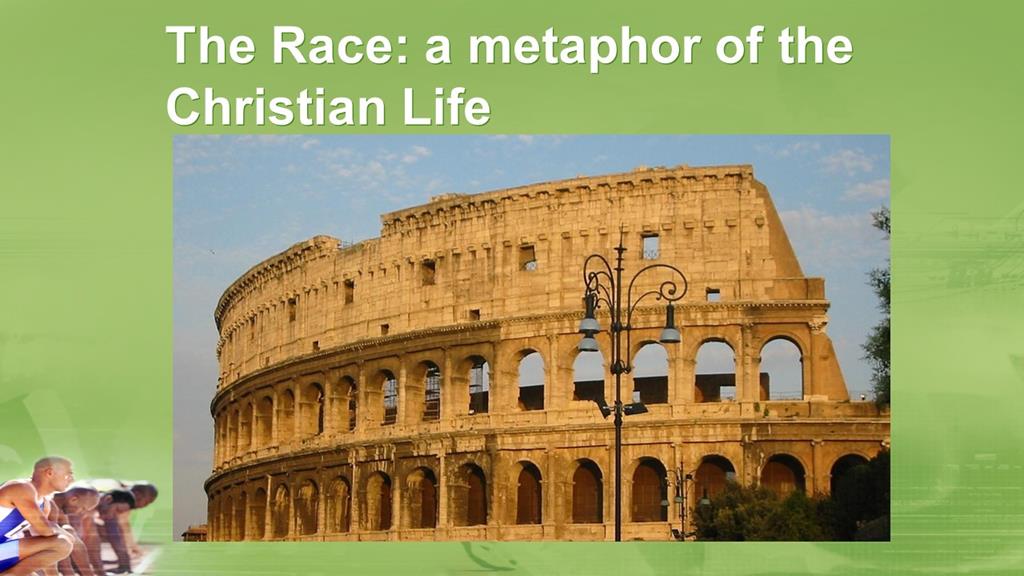
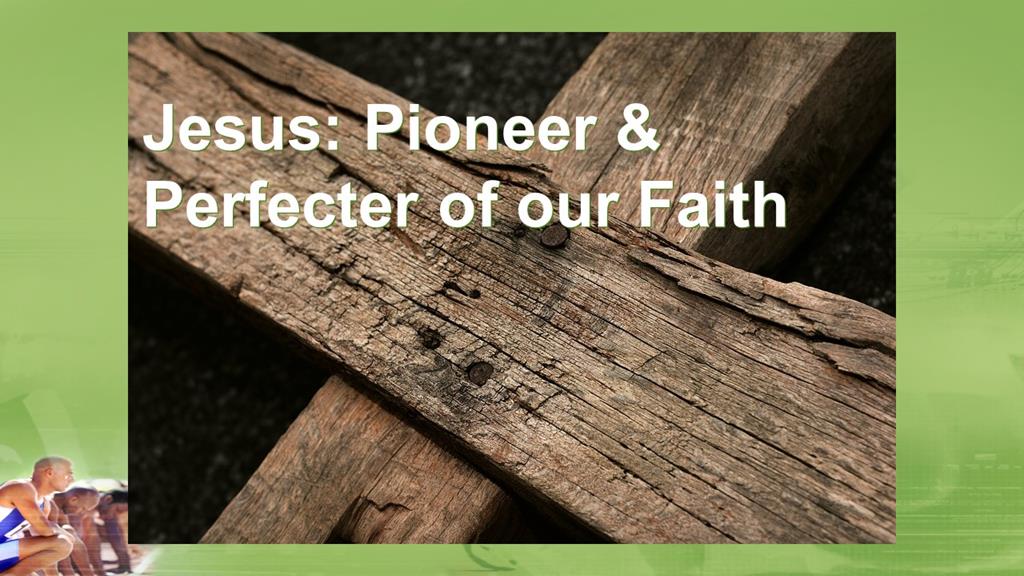
 How might we become more Christ-like? As I’ve already covered, the writer of Hebrews first suggests we strive to unburden ourselves of sin. As a runner, anything that holds us back can be a burden; so we should make sure we are not overwhelmed. We free ourselves of burdens so that we might run faster. Secondly, we’re to persevere. We are not perfect: there will be times we’ll trip, there will be times we fall, but like a good athlete, we brush ourselves off and continue. We must pace ourselves for it’s a life-long race. We don’t give up for we are after the prize. When our time here is up, we want to stand boldly before God’s throne.

 Jeff Garrison

 But how many of us truly live life without worry? I fall short of the mark. I worry about a lot of things, just like you. We worry about our loved ones, our jobs, our retirement portfolios, our safety, our health, the health of our animals (that’s a big one for most of us don’t have them insured). The list goes on and on. We worry about the economy and the violence that seems too prevalent in our society. We worry about international politics, climate change, and sea level rise. As people, we worry. But the phrase often heard throughout scripture, whenever God or a representative of God is present, is “do not be afraid.”
 As I said, our passage starts out with a wonderful promise from God about how God wants to give us good things, then it’s followed with two stories about the end of time. Our first story is based on a wedding banquet. The slaves await their master’s return so they can open the door for him and welcome him home. This is a positive parable, for those who aren’t dozing find themselves recipients of the master’s hospitality. He’s in a jolly mood after the wedding, so even though he returns in the middle of the night, the master pulls up his gown and ties it off around his waist, like a servant who needs to have freedom of movement to do his tasks. Then he has his slaves sit down and serves them dinner. This is odd behavior. The master, in the middle of the night, assuming the role of a slave in order to serve his servants. Who has ever heard of such a thing? This story, instead of encouraging us to be afraid of the Second Coming, should make us look forward to it. God wants to reward us by serving us. In scripture, the heavenly banquet is often used as a metaphor for the here-after. If we are doing God’s work when he returns (or when he calls us home), we’re promised good things.
 The second parable is about a thief coming in the night. This parable is a bit more of a threat, for we are reminded of the uncertainty of when things will happen. Jesus reminds us that if the owner of a house knew when a thief was coming, he or she would remain awake. We’d probably be sitting in a chair, with a good view of the door, with a shotgun across our lap, ready to properly greet the intruder. But since we don’t know when a thief will pay us a visit, we must take precautions. We lock the doors. We latch the windows. We safely store valuables and pay insurance premiums.
 These two parables complement each other. In one, we’re told to be awake, to be alert, for the Lord is coming. In other words, we’re told to be busy, doing God’s work. The second parable reminds us that we need to prepare ourselves for we don’t know when our Lord will return.
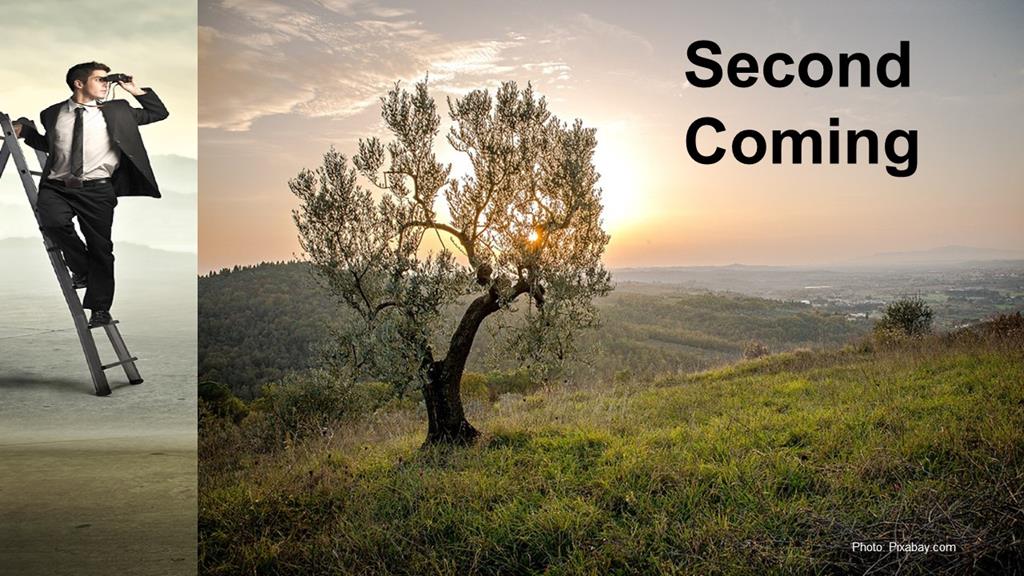 Okay, you’re thinking. The church has been expectantly waiting for two millennia and Christ hasn’t yet appeared in glory. But I believe he will. Preparing for his coming is paramount. Furthermore, it doesn’t matter if we’ll be the one to see Christ come in the clouds or if we meet him on our deathbed or when we accidently step in front of a dump truck, the time will come that it will be too late. Preparation for our earthly demise is necessary. We’re to make our peace with God so we’ll be justified before the throne on the Day of Judgment. Furthermore, we’re then to use our talents to further God’s glory in the world as we strive to be more Christ-like.
 What should we take from this passage and apply to our lives today? Sure, we’re reminded, as the cliché goes, to get our ducks in order. We need to make peace with God while there is still time—before the master returns. But we also need to see there is no need to fear the second coming. The coming isn’t seen as a fearful event, but one of excited expectation, of God’s blessings!
 The first parable reminds us that we need to be ready to use what God has given us, our talents, to further the master’s work in the world. We’ve all been given talents and skills that we can use to build up the body of Christ, just as we all had different talents yesterday on the job site. Are we ready? Do we put our skills and abilities to use? Or do we sit back with the hope someone else does our part? If we chose the latter, we’re no different than the servants who played around and were not ready for the master’s return. But if we’re doing our part, then we’re promised that when Christ calls us home, we’ll find a place set for us at the table.
 Even though these passages encourage us to be alert and active, we need to keep in mind as we do the work of a disciple, we are not buying ourselves into heaven nor are we striving to get a better room in the sweet bye-an-bye. We are called, as Christians, to respond to God’s grace, not to earn it. And we respond to God’s grace by creating a life that honors God and furthers the kingdom’s work in the world. Jesus, our Lord, died for us. He was the obedient servant. Through his sacrifice, our sins are forgiven, and we are freed to go out and work on the behalf of others that they too might come to experience his love. The Christian life is about forgiveness and service. It’s also not worrying about tomorrow, trusting in God’s providence and longing to experience the joy of being in God’s presence.
 When things look tough in the world, when we struggle throughout our lives, remember the promise that God wants to give us the kingdom. Amen.
 Jeff Garrison
 Did any of you get nervous as the end of a reporting terms approached when you were in school? Be honest. I certainly did. The idea of receiving a report card that had to be signed by parents was troubling, especially if I didn’t do well in a subject. It was even more troubling if I received anything less than a satisfactory mark in conduct. Personally, I never saw anything bad with my conduct, but my teachers had different expectations. It was often reflected with a “needs improvement” or “unsatisfactory” marks on my report card. I’d go home and if I only had a “needs improvement” mark would discover a few new chores. If it was an “unsatisfactory” mark, I’d find myself grounded for six weeks. Maybe Paul’s claim that freedom is not an opportunity for self-indulgence was meant for me.
 Our passage today is about the God’s expectation for our lives. Paul provides us with guidance on practical Christian living. Such a life should show the evidence of spiritual fruit that centers on love. Paul begins this section by reminding us that we have been called to be free, but we should not use our freedom for our own self-indulgence. Instead, through love, we become slaves to others. Paul speaks of love as way of looking outward, always wanting what is best for the other person. It may be idealistic, but if we all lived this way, we the world would be a better place. Are we making the world better or worse? What kind of report card would you receive?
 Paul draws a comparison between the types of work that come from our own desires and that which shows evidence of God’s Spirit working in our lives. The flesh can lead us down the wrong path, whether it is sexual immorality, idolatry, or creating discord within our communities. We’re to avoid such things, as Paul highlights in verses 16-22. Then, Paul provides a contrasting list of what the fruit of our life in the Spirit should look like: love, joy, peace, patience, kindness, generosity, faithfulness, gentleness, and self-control.
 In this series, we’re reminded of our call to use our creativity to become better disciples of Jesus. As a disciple, the end goal isn’t to convert the world (that’s God’s work), but to be witnesses which means exhibiting such characteristics in our lives. If we were to receive a report card from God, it could have these nine items listed. How would we do? Would our grades be high enough to make our parents proud?
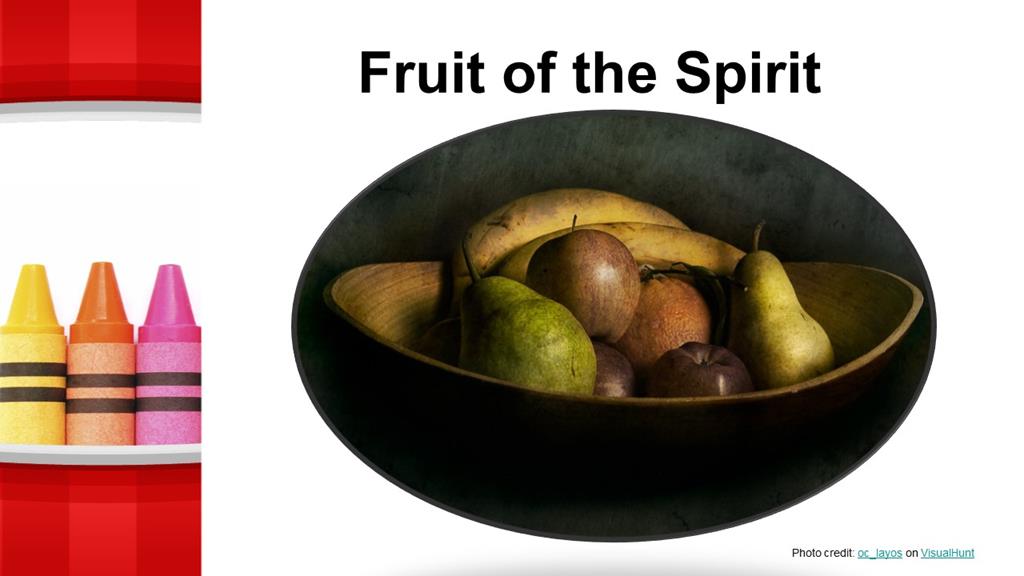 Before we get into the individual items, let me suggest that they are to be taken as a whole. We don’t have nine different fruits of the spirit, like you might have apples and pears, bananas and pineapples. Instead, we are to have “fruit of the spirit.”
 Now let’s look at each of these traits. Love: It’s been said that love always implies a personal investment in the object of love.”
 The second trait we should be showing is joy. This is a hard one for we tend to think about joy as the person always smiling and laughing, forgetting the truth of that old Smokey Robinson song, “The Tears of a Clown.” We think of joy when the war is over and everyone celebrates in the street or when your favorite team wins the World Series, but such joy is fleeting. Paul encourages us to have joy even in times of trouble and persecution.
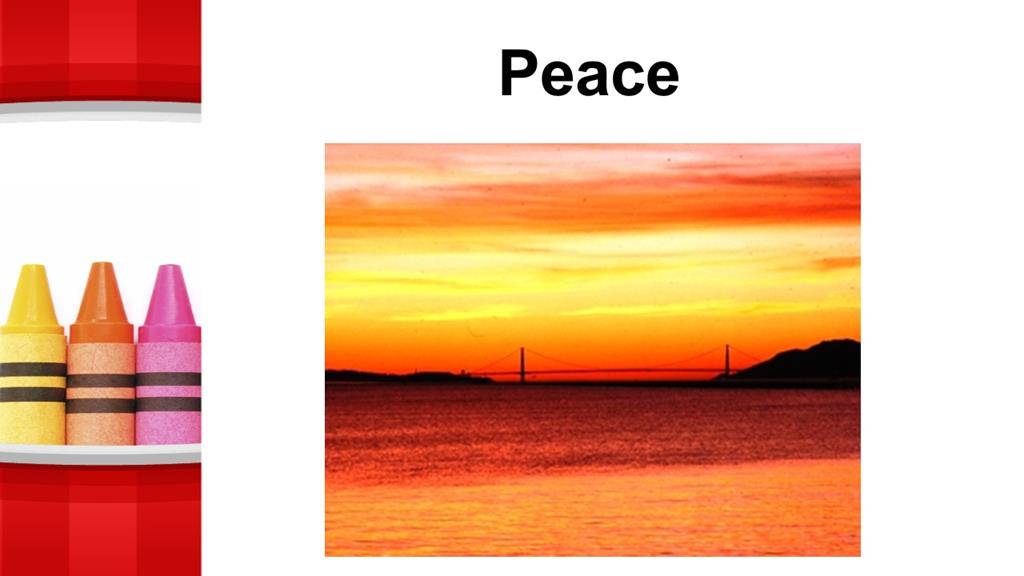 The third trait we’ll show, if we are fruitful, is peace. Again, as with joy, peace is often misunderstood. Without war is what we think peace is, but the Biblical concept is much deeper. Peace has to do with a wholeness within ourselves. It’s a state of mind that keeps us from being overwhelmed when chaos (and war) surrounds us. Peace is an outcome of knowing and trusting God.
 The next trait is patience. Again, think about how we often act. We want what we can get as soon as possible. When we want to go to the store or the club or wherever we’re going, and we are impatience when we get behind a slow driver or a driver who’s lost and looking at mailbox numbers. But as a believer, we should take a deep breath. We should realize the source of our frustration, such as the slow driver, may need a break. We don’t know what is going on in his or her life. Besides, what’s the worst that might happen? We’ll be a minute late? Give the person a break and be patient is the Christian response, but one in which many of us struggle.
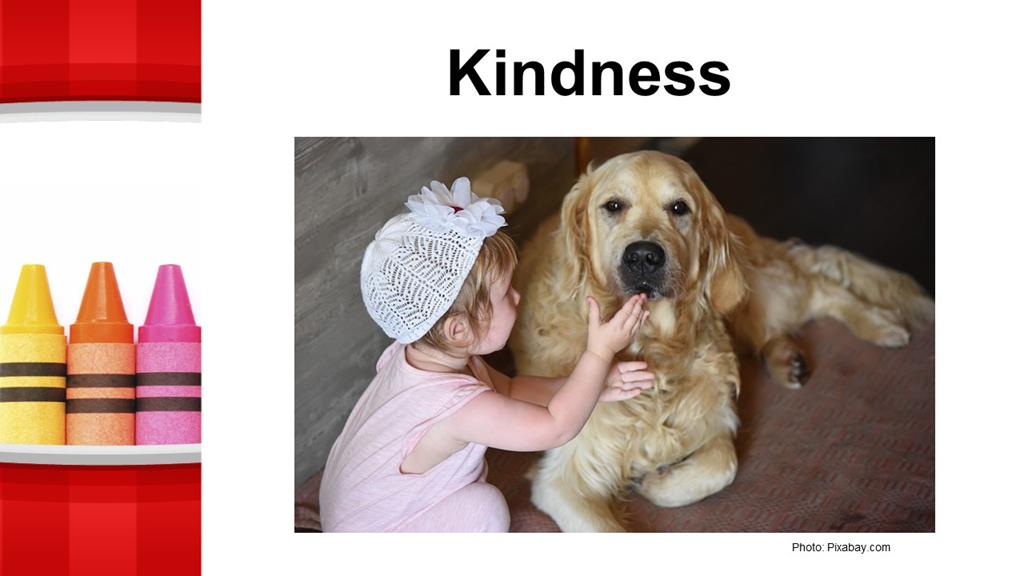 Kindness goes without saying. Again, God has shown kindness to us and calls us to show kindness and mercy to one another.
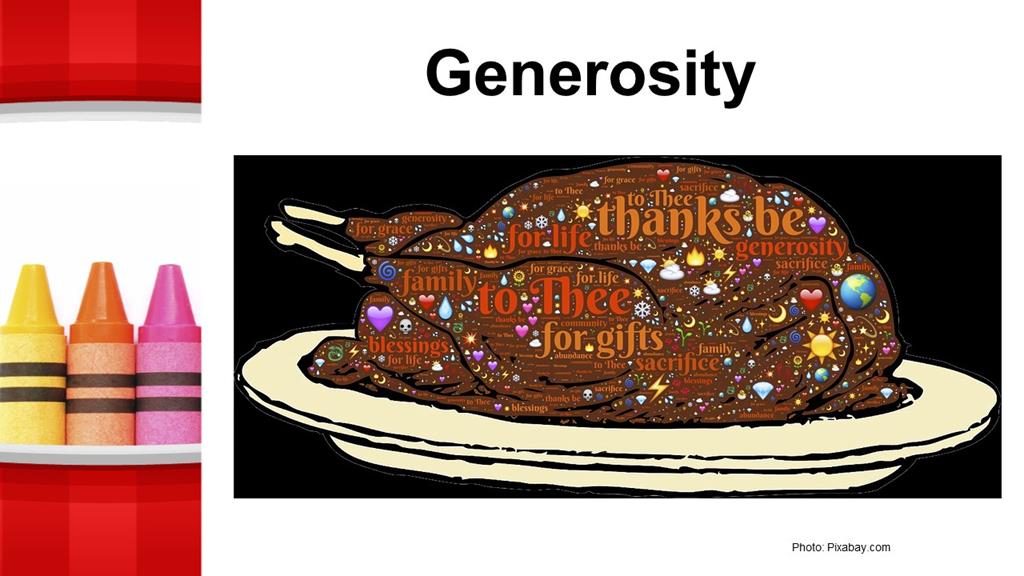 Next comes generosity. Again, in giving His Son, God has been generous with us, and we are to therefore be generous to one another.
 Gentleness is another godly trait. Remember the parable of the forgiven servant that Jesus taught?
 Going with gentleness is self-control. Self-control implies the discipline of an athlete; a metaphor Paul uses to describe the Christian faith.
 We have witnessed God displaying all these traits that make up the “fruit of the Spirit.” Now it’s our turn to learn from life of Jesus and to show such grace to others. Doing so will make this world a better place for all God’s people. Amen.