Remembering Harry

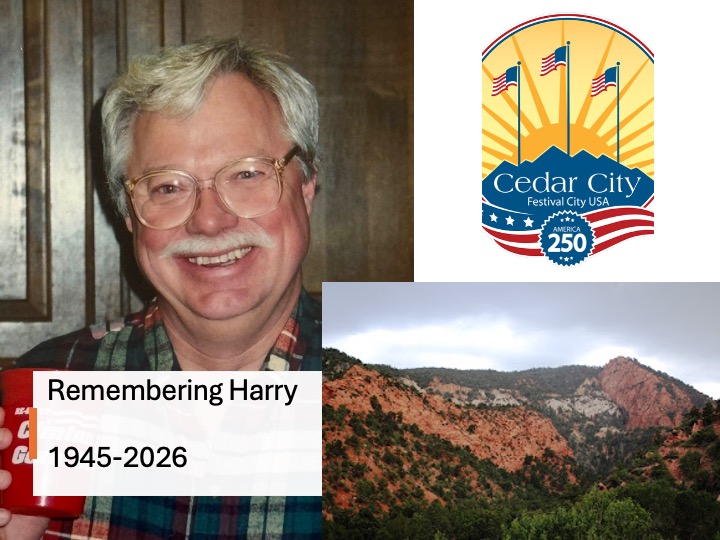
Title slide with a photo of Harry, Cedar City's logo, and a photo of Cedar Canyon

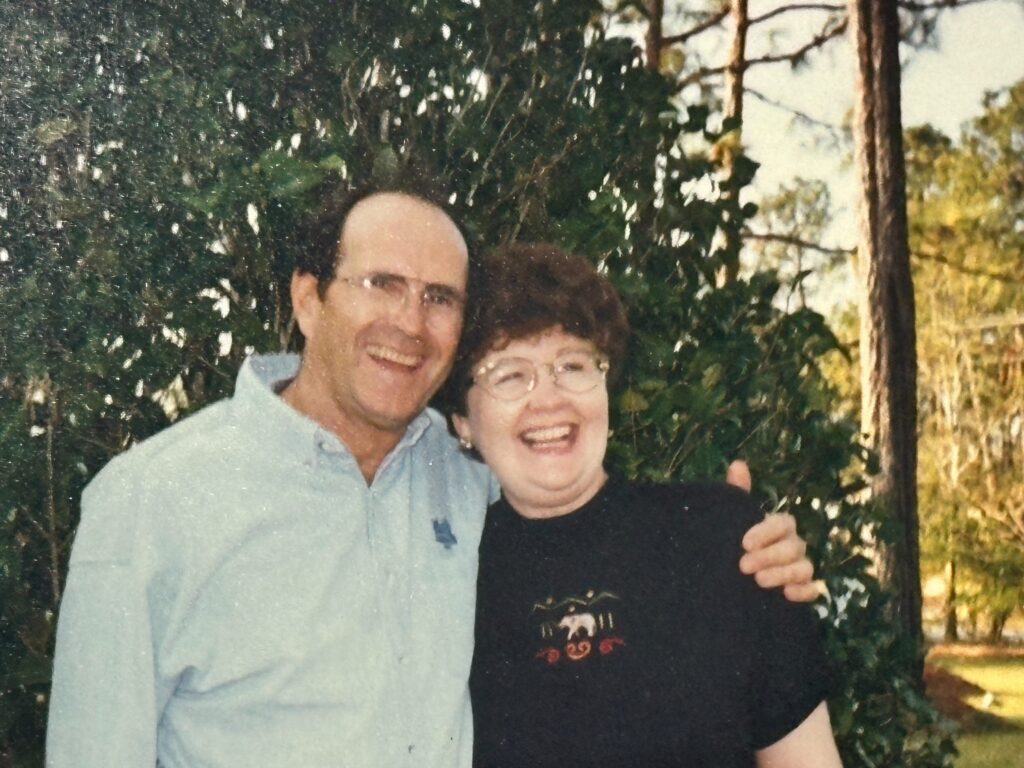
Note: Thanks to Lynne, I think I now have all of Harry’s titles correct. It is my hope you gain a sense of how wonderful Harry was. I know I have more photos of him, but could not find them quickly last night. The photo of Harry holding a Clinton/Gore cup was at a dinner. I’m not sure where the cup came from but someone thought it appropriate to serve Harry, a Republican, a drink in it. As you can see, he took the joke well and played along.


Sunday night I received word through a friend in Utah that Harry died. It wasn’t expected. I later learned his death was sudden. Walking down his front steps to greet friends, he collapsed. It was his time. They were unable to resituated him. So many people close to me during my decade of ministry in Utah are now gone. Harry joins a long list which includes the Armstrongs, the Pevelers, the Behrens, Marcia Beck, Des Penny, Jim Case, Christine Winterrose, Pam Burns, Harry’s son David, among others. 

I met Harry on a Monday in late September 1993. I probably met him the day before when I preached at Community Presbyterian Church, but don’t remember it. In a meeting following worship, they voted to called me as their pastor. That Monday, I went to First Security Bank (now Wells Fargo) to set up an account in preparation for my move. Harry, a commercial loan officer at the time, saw me enter. He came out of his office, greeted me like a long-lost friend. Then he introduced me to everyone as his new pastor. He also made sure I was well taken care of by the tellers. From that point, we were friends. But that’s not unusual. Harry was the type of person who became a friend to everyone he met. He also befriended every dog. .
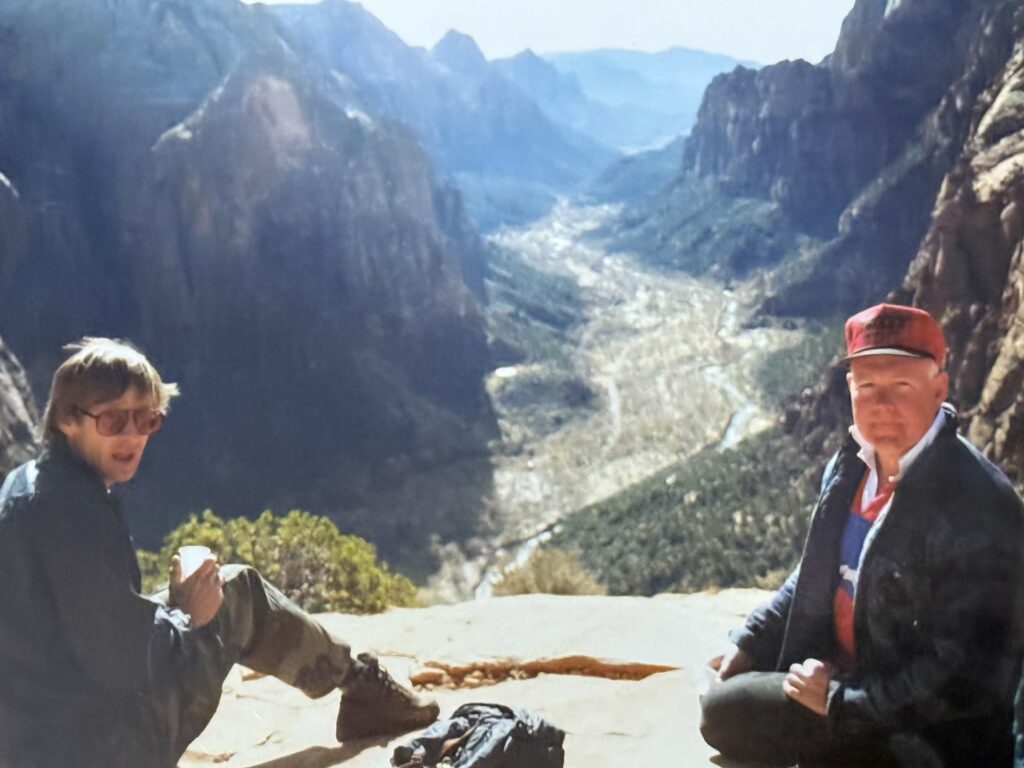
John and Scott on Angels Landing.

I moved to Utah that November.   A few Saturdays later, Scott, another member of the church, organized a climb of Angels Landing in Zion National Park. Harry, Brad, Craig, and John joined us. We made our way up Walters Wiggles to Scout Landing, where the Angels Landing trail breaks away from the West Rim Trail. Soon, we were on a knife edge, with a 1500 or so foot drop on each side. Heights, we discovered, terrified Harry. John and I led him down off the knife-edge and back to Scout Landing. Harry waited for us as we climbed to the top of Angels Landing, which hovers over the valley of Zion Canyon. When the day was over and we stopped for dinner and a beer on our way back. Harry expressed thanks that we had not abandoned him. 
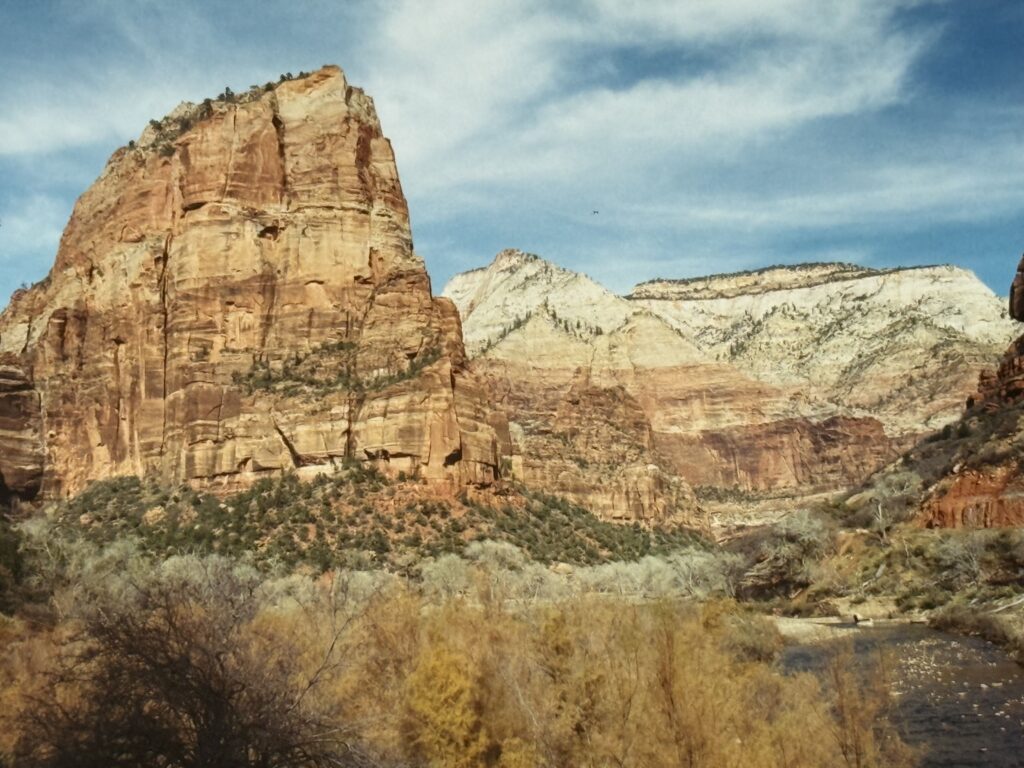
Angels Landing from the Virgin River
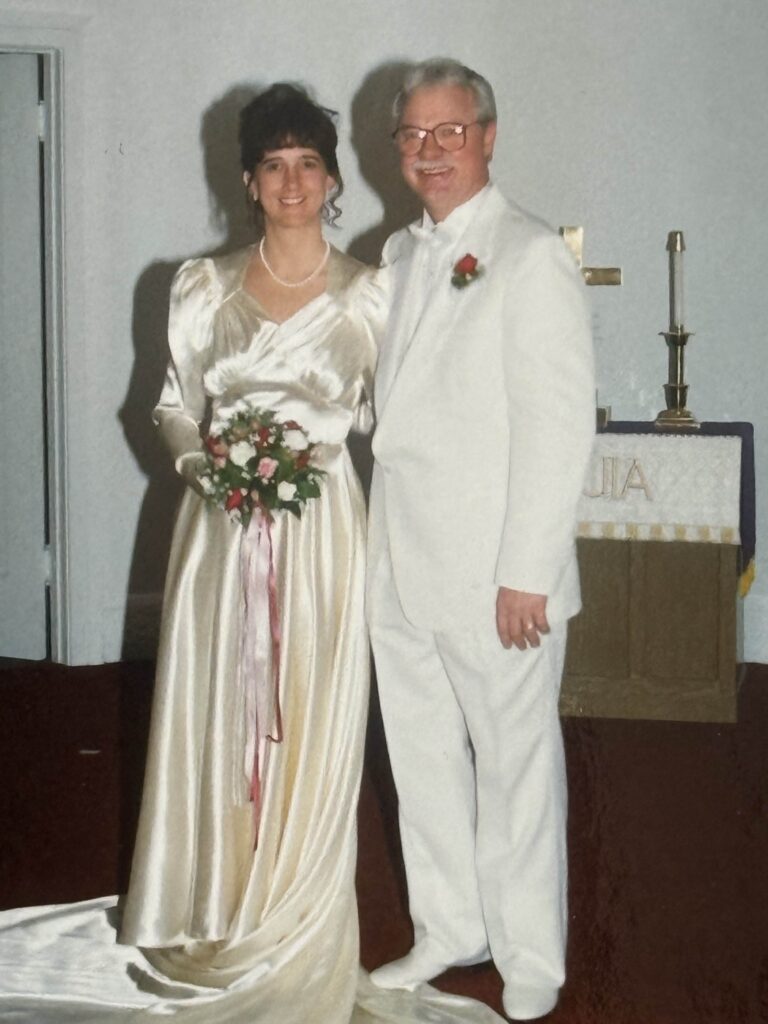
Harry and Lynne after their wedding

In February of the following year, I was honored along with the Reverend Ed Kicklighter, a retired Navy chaplain and the former intern pastor at Community Presbyterian, to officiate at the wedding of Harry and Lynne. Harry and Lynne would become close friends. 

In the fall of 1994, I began teaching a year and a half long class to train lay pastors. Harry signed up. We spent much of the class discussing theology and how to handle Biblical text in preparation of a sermon. Harry felt comfortable speaking in front of groups. His faith was strong, but quiet. He showed his faith in how he worked to better the lives of others.

Two years later, the Presbytery of Utah commissioned Harry as a lay pastor.  The presbytery meeting of the commissioning was held at the brand-new church in Layton, Utah. It had been raining hard for a few days. As I stood with Harry before the entire body, asking him the questions for his commissioning, a spot in the roof failed. Suddenly, a torrent of water poured from above, just behind Harry. I paused, then looked at Harry and asked, “Do you need to be baptized?”  Everyone laughed, as members of the congregation ran around grabbing buckets and mops. For the rest of my time in Utah, Harry would preach for me when I was gone and at Presbyterian Churches in Richfield, Delta, and the Methodist Church in Milford. 
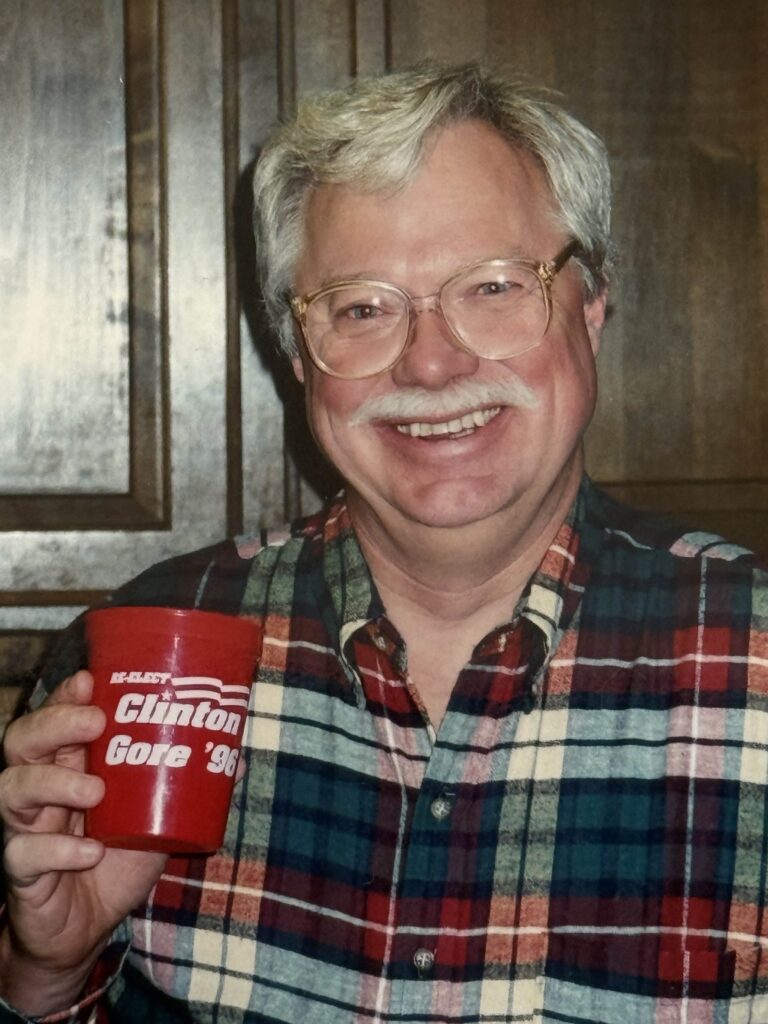
Joking with Harry at a dinner in the mid-90s.

During my time in Utah, our families attended parades together and had cookouts and dinners. Harry could take a joke. At one party before the 1996 elections, Harry, a Republican, laughed when he was served a drink in a Clinton/Gore cup.  Around this time, Harry and I both begin to collect Dutch ovens. Soon, we hosted dinners for the congregation and other groups in town.  Harry and I also participated, in competition with each other, in local chili cookoffs.

A few years after I arrived in Utah, Harry left banking and became the director of the Chamber of Commerce. I believe he was instrumental in bringing the Rocky Mountain Oriental Express train to the city. This was the first time since the 1950s that passengers got off a train in Cedar City. This elegant train traveled across the West, stopping at various National Parks. The trains would spend two or three days in Cedar City. While in town, they made excursions to Bryce Canyon, Zion Canyon, and the North Rim of the Grand Canyon. Cedar City was also known for its summer Shakespearean and Renaissance Festivals. Working with the city’s mayor, Harry expanded the number of festivals so that every month had a celebration. The city lived up to its title, the Festival City. 

After working with the city for a few years, Harry became the hospital foundation and public relations director for Valley View Hospital. Exciting things were happening as the hospital built a new faculty. As I was on the hospital board, Harry and I got to work together on a project not related to the church.  After I left Cedar City, Harry helped raise funds for a new cancer center.

Toward the end of my time in Utah, I began reading a lot about the area in which I had grown up. My family had moved to Petersburg, Virginia when I was six and then moved outside of Wilmington, North Carolina when I was nine. My backyard in both places endured significant battles toward the end of the Civil War.  Harry was also interested in the Civil War and read the books I read on the fall of Petersburg and the fall of Fort Fisher and Wilmington. Even after I moved, when I would visit, we discussed the Civil War. 

I last saw Harry in the fall of 2018. We toured the congregation’s newest effort, a thrift store on the south end of town which sold furniture, household goods, and clothes. I could sense Harry’s pride at what the church had done and how it served those in the community he loved.  Harry wanted the best for his community and worked hard to serve others. 

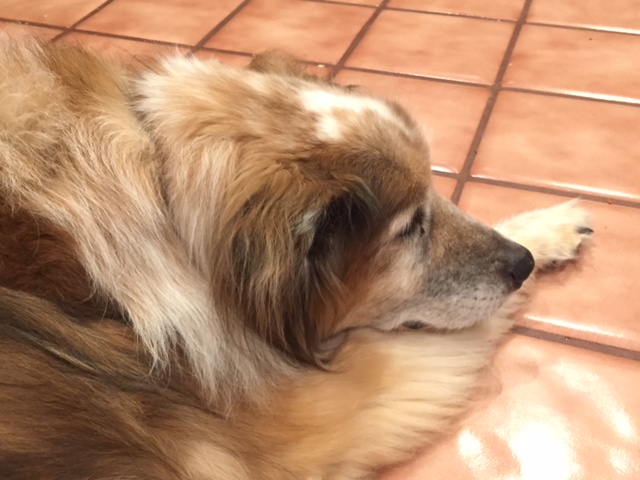
Anyone who knew Harry also knew of his love for animals, especially dogs. He and Lynne adopted many dogs and gave them a wonderful home. Over the years, I mainly kept up with Harry and Lynne through Facebook. Seldom was there a post that didn’t include dogs in the pictures. 
Cedar Canyon east of Cedar City

Harry had moved to Cedar City from Las Vegas, where he had been in banking. Before that, he’d lived in Alaska and had served in the Air Force Intelligence Agency. He told stories of how, as a young man, he traveled first class in Japan to attempt to listen in on communications from Soviet leaders staying in adjacent hotel rooms. And before that, Harry, who grew up in the Philadelphia area, was one of the first “kids” to dance on American Bandstand. 

Sadness often broke into Harry’s life. Long after I left Utah, his son David, who had been in our our group died. Harry, I know, strove to maintain a positive outlook on the future and continued to help others. May he rest in peace and may God embrace Lynne, their dogs, Harry’s daughter, and his stepdaughter and their families in love. 
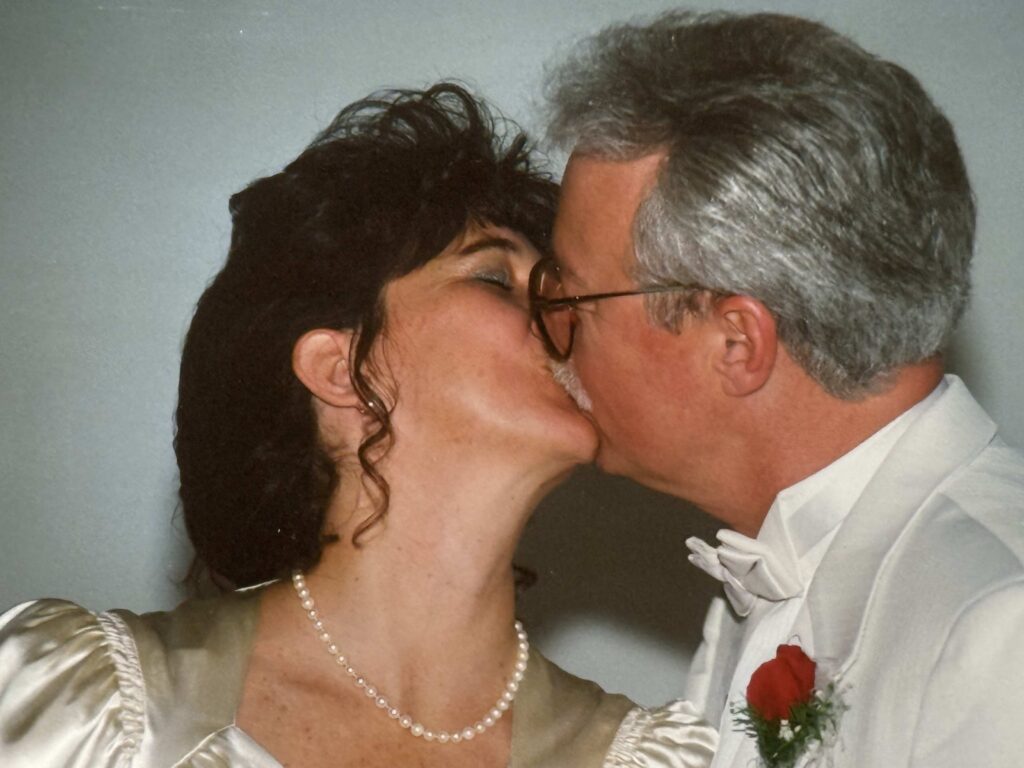
Harry and Lynne after their wedding

Remembering Ralph on his 100th Birthday

title slide with photo of Ralph in California Majove Desert and his truck near Hamilton, Nevada

bottle of scotch with a glass of scotch on ice

Last Thursday, February 12th, Lincoln’s birthday, was also the 100th birthday of a late friend of mine, Ralph Behrens. That evening, his son (Rob who lives in Northern Utah) and I each had a Scotch in memory of his dad. 

Ralph and I met at a potluck dinner for Boy Scouts Troop 360. It was late 1993 or early 1994,, shortly after I moved to Cedar City, Utah. Sometime that evening we started talking. Ralph learned of my interest in mining towns as I had written a few journal articles on the Comstock Lode. At the time, I was considering returning to school for another degree. My hope was to write a dissertation focusing on the role the church played in mining camps.

I learned that Ralph grew up in Goler Gulch, a mining community in the Mojave Desert of California. It was a rough place to live during the Depression. Ralph graduated from high school in 1944 and joined the Army Air Corp. He arrived in the South Pacific near the end of the war, but earn a combat ribbon because, as he was fond of say, “some General wanted another metal so they loaded up a bunch of bombs on a 100 airplanes and we flew and blew the hell out of a handful of Japanese on an island we didn’t deem important enough to invade.” 

Shortly after that potluck dinner, Ralph and I started taking regular trips out into the desert. I’m not sure exactly how many trips we made, but we did at least a dozen or so trips in Utah, Nevada, California, and along the Arizona Strip. I even helped Ralph cut and haul wood for several years to heat his house. One trip we didn’t get to make when I was in Utah, but had discussed, was to the Hole in a Wall. In 2006, a couple years after having left Utah, I flew back and the two of us set out to visit this spot. While not an overnight trip, this was the last big trip we took. The next few times I visited, Ralph’s health had declined to the point he could no longer able to travel in such a manner. Ralph died in 2010. 

Ralph, his dog, brother, and father around 1930 in Goler Gulch, CA
Ralph’s dad, Ralph with his dog, and his brother. Goler Gulch, CA, around 1930

The story below I wrote in 2006. I’ve edited it and republished it here. 


We arrive in Escalante around 11 AM. This must be one of the strangest towns in Utah. A few years ago, the Mormon influence remained so strong you had a hard time finding 3.2 beer. Interestingly the town isn’t named after a saint, but a Catholic priest. Father Escalante came through here a century before the Mormons settled this area. He searched of a faster way from Santa Fe to the California missions. At that time only a few small bands of Paiutes lived in this hostile environment, descendants of the Anasazi whose culture flourished here until abruptly disappearing around 700 years ago. As Escalante discovered, travel in canyon country is difficult. It’s easier today, but by modern standards is still difficult.

I hadn’t been in Escalante for five or six years. The town appears prosperous; almost negating the doom predictions of the naysayers who predicted President Clinton’s creation of the Grand Staircase National Monument would be a catastrophic event. The town now has sidewalks with classic streetlamps, several new businesses and a new high school. Ralph pulls up in front of the Golden Loop, a diner. The logo has a cowboy standing tall in the saddle, with the “golden loop” of his lasso falling over the neck of a calf. As it’s not quite time for lunch, we hit the Roan Pony Bookstore next door first. I know right away things have changed in Escalante. 

“Don’t sell too many books to locals, do you?” I quip sarcastically to the salesclerk.

“We sell a few children books,” she replies, “but not many to adults.”

“I bet not,” I say while reading through the titles of books critical of the Mormon faith. She has a couple copies of Fran Brodie’s, No Man Knows My History. It’s a good biography of Joseph Smith, the faith’s founding prophet, and written by a granddaughter of Brigham Young, the faith’s second prophet. It’s been over fifty years since this book came out. Its publication got Brodie excommunicated and the book placed on the church’s blacklist. There are other books critical of the Mormon Church including a few titles by people who have left the church, encouraging others to follow in their footsteps. In another section of the small store are the works by Michael Moore, Calvin Tillian, Al Franklen, and other liberal thinkers. Not only is this Mormon country, but this is also Republican country, and these titles won’t gain her any friends. 

The Roan Pony also features a section reserved for environmental writers, Abbey and McPee and a host of others. The only thing worse than a liberal in this country is an environmentalist. Pick-up trucks all sport bumper stickers critical of environmentalists and nature lovers. “Hungry: Eat an Environmentalist,” reads one. Not too far from here, over on US 89, more than one effigy of Robert Redford has dangled in a noose. It’s obvious the Roan Pony isn’t marketing itself to the locals, but there are now plenty of tourists now flocking in to see this rugged country. I admire the owner. She’s a brave soul. Just having this bookstore in Escalante is akin to Jeremiah of the Old Testament standing up and telling King Zedekiah and his court what they didn’t want to hear. Of course, Jeremiah got thrown into a well.


The Roan Pony advertises a 20% off sale. She’s preparing to close for winter in a few weeks. I pick up a book that’s been on my reading list, Paul Theroux Dark Star Safari, figuring with a 20% markdown, I can support the local economy.

After the bookstore, we enter the restaurant and sit at a table. It takes a few minutes for the waitress to get to us. I order a hamburger and iced tea. Ralph asks for chili and coffee. After a few minutes more she brings out drinks. Then the waiting really starts. After a good fifteen minutes, after I’ve finished my tea and he’s drunk his coffee, Ralph quips: “If they keep up at this pace, we can make it dinner.” Not very happy at the service, I nod in agreement, saying something about them having to catch a cow before they can butcher it. But then the meal comes and the burger is tasty. This isn’t any corn fattened cow, its range fed and you can taste the difference.


As we’re finishing up with lunch, Ralph tells me the problem he’s been having with the lights on the truck. He can’t remember if he got ‘em fixed. I’m sure there was a speck of horror on my face. Ralph doesn’t use this truck much anymore, but he’s always keeps it in good running order. Seeing that we’ve lost an hour between the bookstore and diner, and there is little chance we’ll get back before dark, I heartily agree that we should check the lights out before we leave town. They work!

Ralph then tosses me the key and asks me to drive, complaining of his shoulder. As I maneuver out into the street, I ask if we should top off the tank. He doesn’t think so since the truck has a full 18 gallons reserve tank. We have plenty of snacks and water, just in case. We leave the town and civilization behind.

Just out of Escalante, we take the graveled “Hole in a Rock Road,” which runs southeast. Its fifty-four miles from the point we leave the pavement until the trail dead-ends on an overlook at the Colorado River. In the 19th Century, Mormons used this road to migrate into the Arizona Territory. It was a long and punishing trip. Once they got to the “Hole in a Rock,” an opening in the mountains above the Colorado, they lowered their wagons with ropes down to the ford in the river. The ford is gone; the Glen Canyon dam has flooded this part of the river to create Lake Powell.

Imposing cliffs rise to the right of the road, with bands like chevrons of different colored sediment running nearly the fifty miles. To the left, the country drops off into canyons that lead down into the Escalante River. There are a few signs noting points of interest along the way. There are also a handful of mileage signs which aren’t consistent. After ten miles on the road, a sign says its 51 miles to the end. Then, after only a mile, another sign says its 42 miles, which is about what we expect. Yet just a few miles beyond that sign, another one says we got 46 more miles. 

“You driving backwards, Ralph asks? We don’t place any confidence into the signs.

Hole in the Wall Road, Utah

The first thirty miles of the road is good; or as good as gravel roads in this country get. This is high desert; as far as one can see there are pinion and juniper trees, yellow rabbit brush, and sage. Just off the road, to the west, are acres of unique rock formations known as the Devil’s Garden. Large beige columns of mushroom like sandstone cover the area.

Afterwards, the road continues to lose elevation, and fewer trees are seen until somewhere under 4500 feet, they become non-existent. However, there are flowers: Orange Mellow, Sego Lilies, Snakeweed. It’s a pleasant surprise to find so many flowers blooming this late in the season, but the area has recently had rain as evident by the muddy bottoms in the ravines. Yucca plants are also prevalent, their spring blooms long dried by the sun and wind. Cottonwoods grow in a few washes, an indication of water in this barren land.

at the beginning of the Hole in a Rock road

As we approach the end, the cliffs and the canyons draw closer and the road snakes down into washes, only to wind steeply out of them. Driving is a challenge. The truck has no power steering, and I fight with the wheel while constantly downshifts to keep from burning out the brakes. On a few occasions, I even double clutch the truck into low, to get enough power to climb a steep embankment. We’re swung around at every bend. Driving, I recall the chase seen across slickrock in Edward Abbey’s Monkey Wrench Gang. But we’re not being chased by the Sheriff out of Moab, so I slow down.

It’s getting late in the afternoon, and we both begin to worry about getting back to the pavement before nightfall. Around 4 PM, after having covered maybe 2 miles in the past thirty minutes, we give up. We’re at least 4 miles from the “hole.” I was willing to continue, but I’d been there about 10 years earlier. Ralph had never been out this far. After swearing that it’s the worst road he’s ever been on (and he grew up in the desert Southwest), Ralph suggests we turn around.


Coming out goes faster than going in even though we’re driving into a north wind blowing sand down the road. Whenever we stop and get out, the sand stings my bear legs. As the sun drops closer to the Kaiparowits Plateau, we have one final adventure. I tell Ralph we’re low on fuel in the main tank and he instructs me on how to change tanks. I do and a minute or so later, the truck runs out of fuel. We stop to check things out. The switch has broken. 

“What are we to do now,” I ask? 

“Don’t worry,” Ralph says. “I’ve got my Oklahoma Gas Card,” as he pulls out a flexible tube from behind the seat. Although a toddler when his family left Kansas for the desert, Ralph somehow retained a prejudice against the southern neighbors of his infancy. 

Cliffs with pocket of water from recent rains

For the time being, I switched back over to the main tank and drove cautiously. The needle pegged empty as the sun slips below the mountains. I let out a sigh of relief when we turned back onto the blacktop of Utah Highway 12. A few minutes later, we’re back in Escalante and I pull in under the lights at a gas station. Filling up the main tank, I calculate we had less than half a gallon left in the tank. Had we continued on to the hole in a rock, we’d been out of gas and siphoning it from the other tank before we got back to civilization.

Once back on the highway, I watch the stars appear as we head west, arriving back at Ralph’s home in time for a late but wonderful dinner of short ribs, prepared by Pat, Ralph’s wife. Ralph fixes himself a martini and offers me a Scotch. 

Other stories of traveling with Ralph

Great Basin Mining Trip 

Camp Bangladesh (A humorous look at the two of us as summer camp Scoutmasters)

Goler Gulch (where Ralph grew up)

A 94 year old red head and the mother of Ralph’s childhood friend

Memories of a Foster Daddy

photo of young girl and one of her and her foster dad.

I started reading Frances Liardet’s novel, We Must Be Brave, this week. It’s about a woman who falls in love with a lost girl whom she cares for during the chaos following the German bombing of Southampton, England during World War 2. The story reminded me of something I experienced and wrote about over 30 years ago, before our other kids came along. At the time, I had the article approved by the social worker, making sure I wasn’t breaking any rules or leaking confidential information,, then submitted it for publication. A magazine accepted the piece for publication, but then they closed down the presses before it was published. So, it sat in my files. This evening I dusted it off and presented it here.

MEMORIES OF A FOSTER DADDY

photo of Becky
Becky, photos are copies (this was before digital)

The first of September 1994, one of the saddest days of my life. 

I waved good-bye to Becky for the final time as the social worker’s car backed down our driveway. But the sadness didn’t take away the joy of the previous six months as I experienced how precious life seen through the eyes of a toddler can be. Becky taught me the importance for adults to spend time with children, caring for them and helping them to discover the world. From Becky, I learned a lesson which everyone needs to experience firsthand. Children need responsible adults in their lives and, as adults, we need children in our lives if we are to experience life to its fullness. Perhaps that is why Jesus was so insistent on the disciples allowing children to come to him (Mark 10:13).

Becky was just a little over a year old when she came to live with us. At first, she seemed so small and fragile. The previous month, she lived in a shelter for children and came complete with a cold. She struggled to go to sleep in a strange place while hacking and coughing. My wife and I took turns holding her, patting her back and saying, “it’s okay,” while praying she would eventually fall asleep. After regaining her health, Becky still had a hard time going to bed. Only then, it had to do with her fear of missing out on something exciting. She was at the age where she wanted to experience all that life had to offer.

Church was a new experience for Becky. On that first Sunday, she seemed stunned to hear my voice from the pulpit and started to run down the aisle. My wife caught her after a couple of steps, and we introduced our foster child to the congregation. Becky came with only a few clothes, mostly worn hand-me-downs. Before her first church service, my wife brought her a lacy pink dress. Becky looked stunning in that dress and she knew it. After worship, she came to me expecting to be held. Acting shy, with her arms tightly hugging my neck, she charmed everyone during fellowship hour.  Soon, however, she lost her shyness and became the terror of the fellowship hour, running around like a wild cookie monster. No one seemed to mind, everyone loved her.

During our time together, Becky and I developed a special relationship. She would get up in the mornings with me, and we would eat oatmeal together.

This was so long ago I was skinny and had hair!

On the days my wife had to work, I would take her to church with me. Even though the nursery with all its neat toys was next to my study, Becky would insist on playing with my books. She would take them off the shelf, rearrange them on the floor, and then put them back in another location.  Sometimes she would demand that I read to her.  I think she found Augustine as boring as I once did. At other times, I would take Becky visiting. I know my parishioners were glad to see us coming, and I’m sure they were just as glad to see us go. Having an energetic toddler along assured me that a short pastoral visit wouldn’t take up the whole afternoon.

In a way Becky became my guardian angel. Taking the suggestion of Family Services, we didn’t teach Becky to refer to us as mother and father. Instead, we allowed it to happen naturally, and Becky quickly took to calling me “da-da.” Becky showed concern for her daddy when my wife dropped me off on a backroad for an overnight backpacking trip. According to my wife, when Becky realized I was not in the car, she panicked and cried “ah-da-da” all the way home. In addition to looking out for me, I found myself looking forward to coming home early so that I could spend time playing with her. Having her around made life less stressful.

at the table

From the beginning, my wife and I made it a point to include Becky in our prayers at mealtime. With her sitting in a highchair between us, we would each take one of her hands and say grace. At first, Becky was not at all cooperative with what must have seemed to her a strange ritual. Instead, she was ready to eat as soon as her food was placed on her plate. Having just come from a children’s shelter, Becky learned not to wait too long when food was available and would stuff herself with whatever placed in front of her.

However, as the months passed, Becky calmed down at the table. She waited for us to sit down while holding out her hands in anticipation of the prayer. Before she left, she had added to word “amen” to her vocabulary and would boldly proclaim it at the end of the prayer.

Although Becky was a foster child, we held out hope that we would be able to adopt her. Becky’s case worker assured us it was unlikely she would be allowed to return to her original family.  Our dreams were shattered when another family member decided to accept custody. We were given two weeks notice, two weeks to say goodbye to her and our dreams, before the social worker moved Becky to her new home.

Running in the backyard

On our last full day together, we took a picnic and went up onto Cedar Mountain. Becky seemed so happy. No longer a fragile sickly little child, she had blossomed into a healthy toddler. She ran around enthusiastically, only to occasionally stop and examine nature. While on that picnic, Becky collected several rocks and sticks and gave them to me for safe keeping. I still have those mementoes, in a small glass case, as a reminder of what a small child considers special in our world.

During the final week of Becky’s stay, I found myself drawn to the passage of her namesake in the Bible. I read and re-read the story of Rebecca in Genesis. I came to understand Rebecca had done all she could to prepare Isaac for life, but in the end, she had to let him go. With Esau out to kill Isaac, Rebecca could no longer protect him. Isaac fled and as far as we know Rebecca never again looked into the eyes of the son she loved so much. It suddenly dawned on me the pain that she must have felt, and the pain that parents everywhere feel when they lose a child.

The Apostle Paul reminds us of how some plant, and others water, but God gives the growth (1 Corinthians 3:6-9). In a way, my wife and I had an opportunity to water and nurture Becky. We cared for her, loved her, and allowed her to love us. But Becky didn’t belong to us, and in the end, we had to let go. We could only pray and trust God, the one who gives the growth, to watch over her.

A few weeks before Becky left us, a fierce thunderstorm in the middle of the night woke her up. I went into her room, picked her up out of the bed and held her. She quickly calmed down. With the thunder rumbling and lightning flashing, Becky started patting me on the back, saying, “it’s okay, it’s okay.” Among other things, she learned to trust and to love.  
I still get tears in my eyes when I think about her; however, I am thankful I had the opportunity to be her daddy, even if only briefly.

Becky had a serious side. At the groundbreaking for the new church facility, Summer 1994.

Charlie Wallace: A Man with a Positive Disposition

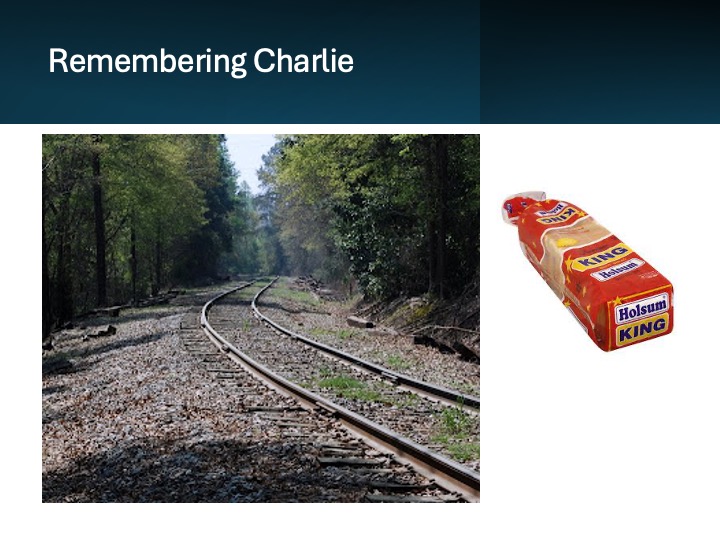
Title slide with a photo of train tracks and a picture of a loaf of Holsum Bread

“We’ve lost a good friend, Jeff,” Terry said. It was late in the spring of 2010. I stopped by to see my Uncle Frank on his farm just north of Carthage. Terry, Frank’s oldest son, heard I was around and dropped by to see me.

I’d forgotten my cousin knew Charlie. Terry runs a company which rakes and ships straw from longleaf pines over the East Coast. Charlie’s wife had inherited a track of land, and my cousin harvested the straw off it. Terry told me about the old homestead near Cowpen Landing on the Northeast Cape Fear. Although I’d heard about the place, I’d never been there. My cousin told me the old house had fallen in, but the chimney still stood upright. Charlie had pointed out an indention in the brick where his mother-in-law sharpened the blade of her butcher knife. She ran the blade along the course brick till the blade was sharp. Then she would walk out to the smokehouse to cut off a slap of meat for dinner. Over the years, the metal of the knives carved into the brick.

I met Charlie at the Holsum Bakery. I hired on the summer I was nineteen, between my freshman and sophomore years of college. Charlie would have been almost sixty then. He spent most of life working for the bakery. You could always count on him to lighten things up with a good joke and you knew that any joke he told would be clean. Charlie worked hard but laughed even harder.

One afternoon, there wasn’t much to do as we’d run out of flour and the railcar, which was scheduled to be delivered that morning, had been delayed. We sat out near the loading dock where we could look down the tracks. Charlie came by and told us of growing up next to the railroad tracks, out north of the Green Swamp, east of Wilmington.

His daddy had been a section foreman for the Atlantic Coastline, maintaining the rails and water tower along a section of the mainline between Delco and Bolton. It may not look like much to those who speed by these days on the four-lane highway, US 74-76, but it’s a magical place. The land is as flat as a pancake and grows some of the most interesting plants on earth including the Venus flytrap. In some high sandy areas, higher by only inches, stately longleaf pines, and huge live oaks grow. In wetter areas, tupelo or black gum grow, often capped with mistletoe. And on the edge of swamps, often standing in water, are cypress, their sparse limbs dangled in Spanish moss. On cleared land in these parts, farmers raised tobacco and grew peanuts, along with strawberries and blueberries. 

This is black-water country, water darkened by the tannic acid produced by the tupelo and cypress. Often, in the evenings when the air cools, fog develops over the waters, making it even more mysterious.

“Charlie,” I asked, “have you seen the lights?” 

Just down the tracks from where Charlie grew up had been Maco Station. There, just a couple years after the Civil War, at a time the line was known as the Wilmington and Manchester Railroad, a brakeman named Joe Baldwin rode in a caboose. His car decoupled from the rest of the train and started to slow down. When Joe realized what happened, he grabbed a lantern and ran out on the back deck of the car. There, he swung his lantern back and forth, a universal sign on the railroad for trains to stop. He knew the schedule. Another train followed them.

Joe hoped to signal the engineer in time. But in the foggy swampland, the engineer didn’t see the signal until it was too late. The engine collided into Joe’s caboose, destroying it. Joe died; his head severed from his body. As they cleaned up from the accident, they never found the head and Joe’s body was buried without it. Most just assumed the head had rolled down the embankment and into the black waters filled with cottonmouths and an occasional alligator.

Shortly after Joe’s death, people started reporting a strange light moving in the swamps near the Maco sidings. Some suggested it was Joe’s lantern swinging along the tracks. A legend developed that Old Joe still looked for his head. People often went to these parts to walk the tracks to see the lights, but the tracks were removed in the late 1970s and not long afterwards, the highway expanded, and the lights fades away. 

Charlie had seen the light, but he didn’t believe it to be Joe’s lantern.  If I remember correctly, he brought into one popular theory that the lights were caused by swamp gas.

photo of old railroad tracks
I don’t have any photos of the line near Charlie’s house. This is the Aberdeen, Carolina and Western Railroad in northern Moore County, North Carolina

Living by the railroad tracks, hearing that lonesome cry from the engine pierce through the night as freight rolled toward the port in Wilmington must have been sealed in Charlie’s memory. But that lonesome wail can also bring sadness, as Charlie shared with us.

A year into the Great Depression, when Charlie was still just a boy, finishing up grade school, the lonesome wail wasn’t heard as much. There was so little freight moving that the railroad laid off every other section foreman. Charlie’s dad lost his job. The next day, Charlie went with his dad into Wilmington to look for work. But there were none to be found. Coming back home, late in the day, discouraged, they noticed smoke over the distant pines. As they got closer, they realized their house was totally engulfed in flames. The family lost everything. 

Charlie’s life was forever changed. He went to live with family in Wilmington, where he worked hard and earned a little until the war came and he joined the Navy.

You’d think that after such hardships, Charlie would have been bitter. But there wasn’t a bitter bone in his body. He was one of the most joyous and positive individuals I’ve known. He wasn’t a bellyacher. Even when he had good reason to complain, he just shrugged it off. 

About a year before I left the bakery, I was called into the General Manager’s office. I wasn’t sure what was up. When I entered, Charlie was there, along with the general manager, plant manager, and the president, who owned the bakery with his brother. It was obvious, they had been talking for some time to Charlie. At this point, Charlie’s responsibility included sanitation, receiving, and building maintenance. I was a production supervisor.

In the past six months, we had several problems in sanitation and receiving. When I entered, they informed me changes were being made. They assigned me Charlie’s responsibilities. Thankfully, they kept Charlie employed. He would continue to handle building maintenance but even there would report to me. It seemed strange for Charlie was nearly three times my age. I felt sorry for him, but he never showed any bitterness toward me. 

Thinking about Charlie, I’m left to wonder why some people endure tragedy and disappointment and yet can still be joyful. He continued to maintain a positive attitude. In Charlie’s case, this partly had to do with his faith. Charlie knew he was loved by God. He found joy in creation, in life, in laughter, and in good friends.

My cousin met Charlie long after I had left the bakery “Charlie thought a lot of you,” Terry said. “He was always asking about you.” 

Two weeks before Easter, 2010, and a month before Terry and I talked, Charlie died at the age 91. Hearing of his death, it seemed as if a part of my past died with him. Charlie was the one person from my time at the bakery whom I would occasionally see. After he retired, Charlie found a home in the church in which I grew up. Whenever I visited my parents, I would attend church on Sunday. Afterwards, Charlie and I would talk about old times. 

Oh, how I wish I could talk to him again.


I haven’t yet been able to find any photos of Charlie. I wrote this in 2010, but edited and significantly expanded it for this post.

More Bakery Stories:

Coming of Age in a Bakery: Linda and the Summer of ’76

A College Boy in the Bakery

Harvey and Ernest

Frank and Roosevelt

The Perils of Working on the Christian Sabbath

Baking Memories and a review of a book on “White Bread”

A Good Boy

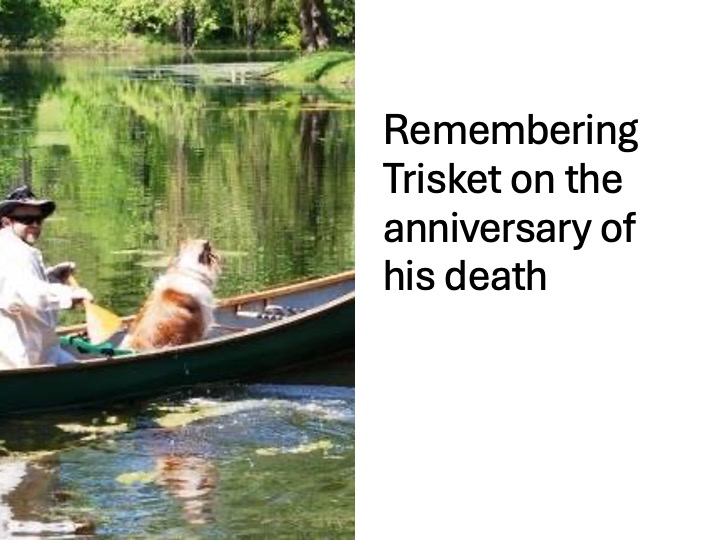
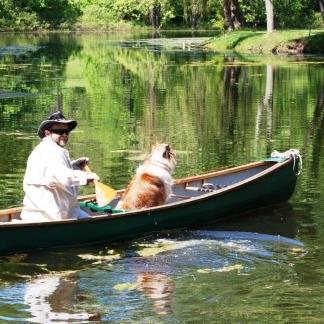
Title slide with photo of Trisket and me in a canoe

I have been working on a post, but just didn’t have time to finish it. As I’m coming up this week on the 7th anniversary of Trisket’s death, I decided to pulled this post from an older blog and reposted it.

Trisket lying on the kitchen floor on the night before his death, November 2017.

Over the past year, I often watched you sleep.  At times, your legs twitched. I imagined you dreaming of when you were younger and ran with grace.  In your sleep, were you still circling the house at full speed, stopping only to chase squirrels back up into the trees? 

Over the past year, on our walks, I took the lead while you moped behind. As I slowed down to your speed, I wondered if you recalled dragging me as we headed into Hastings or up the canyon by Cedar Creek.

Over the past few months, I watched in sadness as you bumped into walls and furniture. Your cataract eyes glassed over, and I wondered if you remembered the hours we played in the kitchen. Your sharp eyes followed my hand as I tossed popcorn. You’d snap each kernel out of the air, seldom missing. And how, I could never make banana pudding without you being under my feet. While you never turned down a strip of steak, you loved banana pudding. I even tested you once, putting a dab of banana pudding on one plate and a strip of steak on another. When I let you go, you headed straight for the pudding, then the steak. Always go for dessert, first, you taught. And let’s not forget how much you loved pineapple!

When we moved to Skidaway, near Savannah, you struggled in the humidity and heat. I wondered if you recalled snow. Could you remember running through it as you scooped it up with your snout and tossed it in the air, snapping at the falling flakes as if it was popcorn.

I am thankful that to the end, when you stood beside me, pressing your neck on my lower thigh. You were atthe right height for my fingers to bury themselves in your beautiful mane. And I always loved how you stood in the wind. The tufts at the end of your ears flew back, as you sniffed and enjoyed the breeze.  Sadly, I miss our long walks around town, our hikes in the wood, and how you sat like General Washington in the middle of the canoe as we floated down river.  

You were so gentle with that little girl, the one who picked you out of the litter and named you for a cracker. You always looked out for her and for that reason alone, I am eternally grateful. The two of you grew up together, but you grew old much too fast. Seventeen years is a long time for a dog, they say, but not nearly long enough.  The house is way too big, lonely, and sad tonight. I keep listening for the sounds of your clanking tags and the tap of your toenails on the hardwood, but only hear the cold rain splattering on the deck out back. We’re all going to miss you, Trisket.  You were such a good boy, a pretty boy, a big furry fluffball!

My favorite photo of Trisket and me. On the Thornapple River in Michigan in 2007. He would have been around 7 years old at this time.

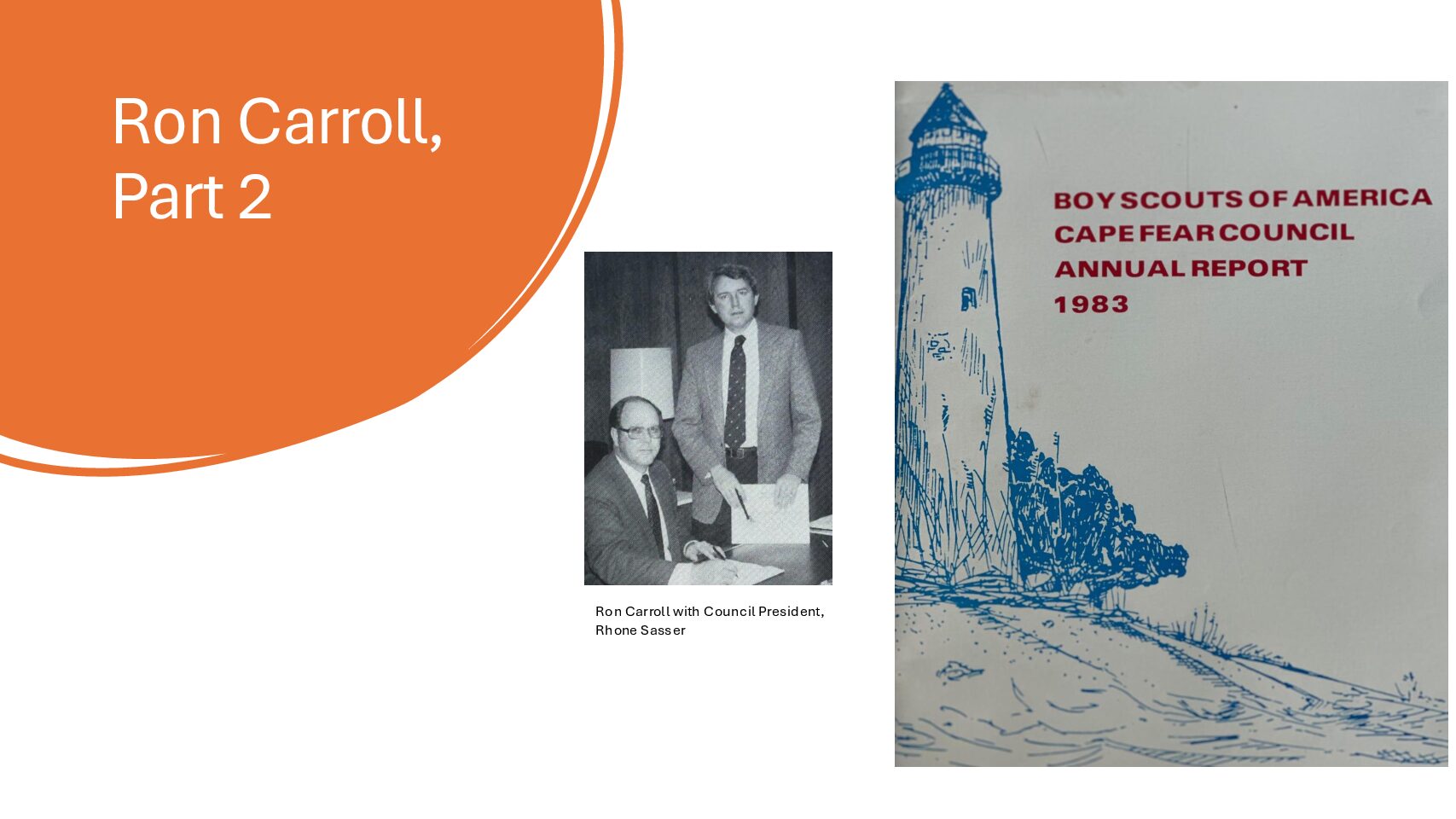
Recalling a Mentor: Ron Carroll, part 2

A couple of weeks ago, I posted the first of memoir of one of my mentors. Click here for that post. Here is the second part. 

Staff Retreats 

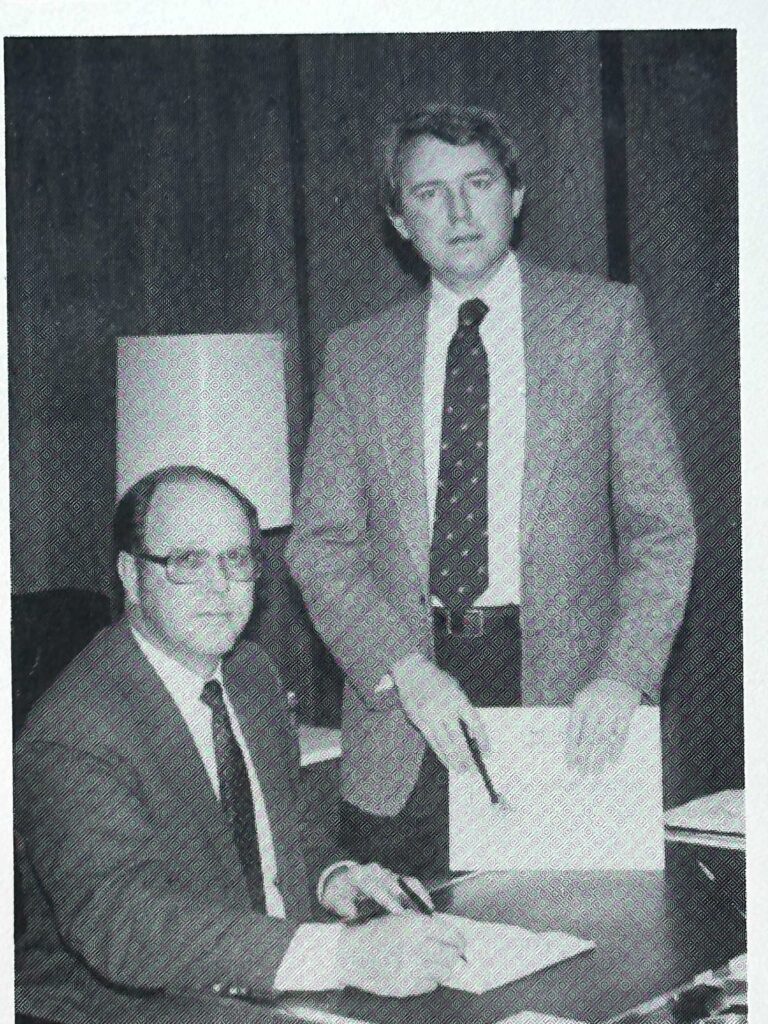
Ron Carroll and Rhone Sasser
Ron and Council President Rhone Sasser who was President of United Carolina Bank at this time. I no longer have the original photo, this was copied from an annual report.

Ron taught those of us on staff to make the best of any situation. We were a small staff; there were only five of us. Twice a year, Ron pulled us away for a three-day retreat. We spent the time planning and training. We worked hard. But Ron was never one to let hard work get in the way of a good time.

Many of these retreats were held in beach houses owned by a council board member. Several were on Wrightsville Beach, others on Brunswick County beaches. In addition to planning, training, and setting goals, we’d fish and take turns preparing fancy seafood dinners. If the water was warm, we’d swim. There was one fall retreat, after working all day and a big dinner, we played football in the surf as the sun set. It probably wasn’t the brightest thing as the sharks often move closer to shore to feed at dusk, but no one was harmed. 

One fall morning we meet at a beach house on Wrightsville Beach. Ron unlocked the door. We began to barge in with boxes of food, a couple of cases of beer, bottles of booze, bags of chips, along with flip charts and calendars and other assorted accruements. We were all shocked as a barely dressed woman stepped out of the bathroom. She squealed and ducked back in. Then, in the commotion, a young man appeared from the bedroom as the coed returned from the bathroom with a towel wrapped around her. “Who are you?” She asked. Ron told her he arranged with so and so to use the house for a few days. This turned out to be the girl’s father. 

Embarrassed and concerned her daddy might learn she’d taken a premature break from college in order to entertain her boyfriend, she asked for a few minutes to pack. Ron was polite and said we were all in need for some breakfast and that when we return, we’ll have forgotten what we’d seen. We left. An hour later we returned; the woman and her illicit boyfriend were gone. I’m sure when Ron dropped a thank you note to her Daddy, he omitted that it had been our pleasure to meet his daughter.

Ron’s Organizational Skills

Ron had a temper and never liked it when things didn’t go the way he’d plan. In one staff meeting, where he learned several assignments had been dropped, Ron started cussing and fussing and marched us into his office.

Ron’s desk was always immaculate. He started lecturing on how to organize our mail so that everything got done. He had a three-bin file on the edge of his desk. His goal was to never handle a piece of paper more than twice, he said. When he opened his mail, if it could be handled immediately, he did so. If it was of top importance and wouldn’t take much time, it went into this top bin. Second bin was for things that weren’t critical, and the bottom one was for things he wanted to look at but was not so important that the world would end if he didn’t get around to it. In his rant, Ron picked up the stack of papers in his top bin.

On the bottom of this stack was a Hustler magazine. We all started to smirk. Ron’s face became redder and redder as we all broke out into laughter. Finally, before Ron blew a gasket, someone pointed to the magazine. Ron turned over the pile. Then he laughed. His lecture came to an end with some mumbling about priorities.

Ron and Marketing

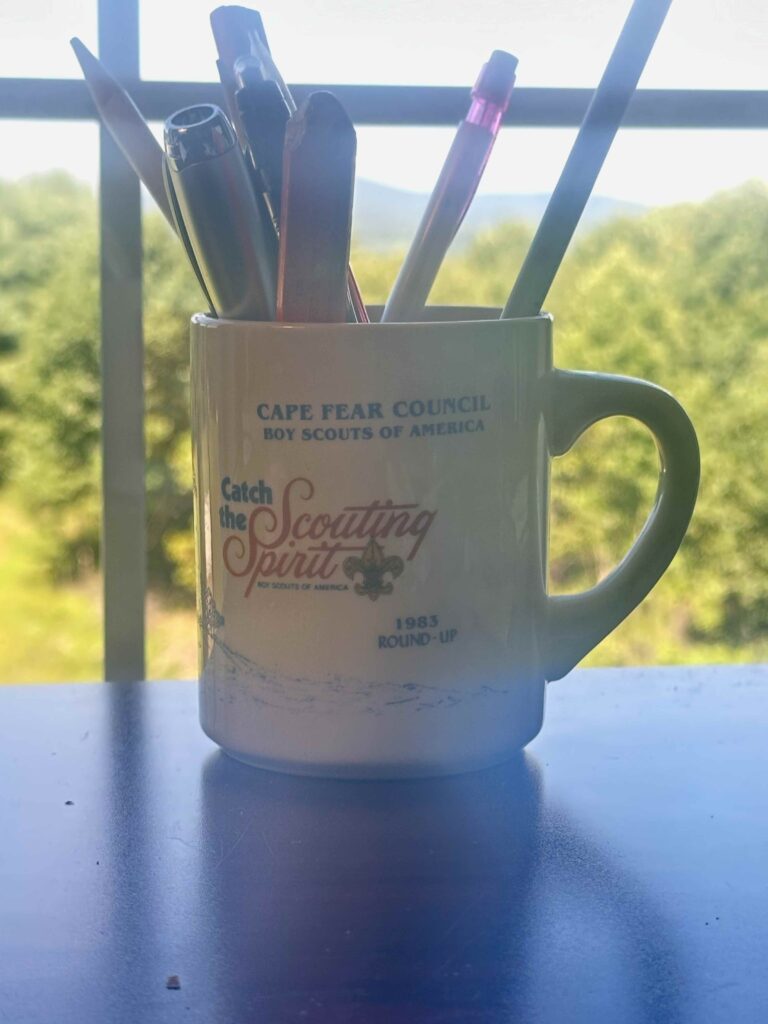
Ron should have been on Madison Avenue. Not only was he a good salesman, but he was also a master marketer. Even when we were doing things like raising money to pay off debt, Ron could come up with positive campaign slogans and materials that turned what many would have considered drudgery into an opportunity to celebrate. I don’t remember all the names, but one desk, I still have a “Catch the Scouting Spirit” mug holding pencils. In a shelf at work, there’s a “Total Development Campaign” apothecary jar holding toothpicks. 

Ron insisted that when an event was over, it didn’t matter how good it turned out. What mattered was how people thought it went. If it was the greatest event in the world and only those who were there knew about it, it was a flop. Then next time we’d have to work just as hard. However, even if the event was mediocre, but everyone thought it was great, then it was a success. The next time such an event would be even easier to promote. Ron encouraged us to learn the stories from scouts and leaders and to tell them in order to promote the program. 

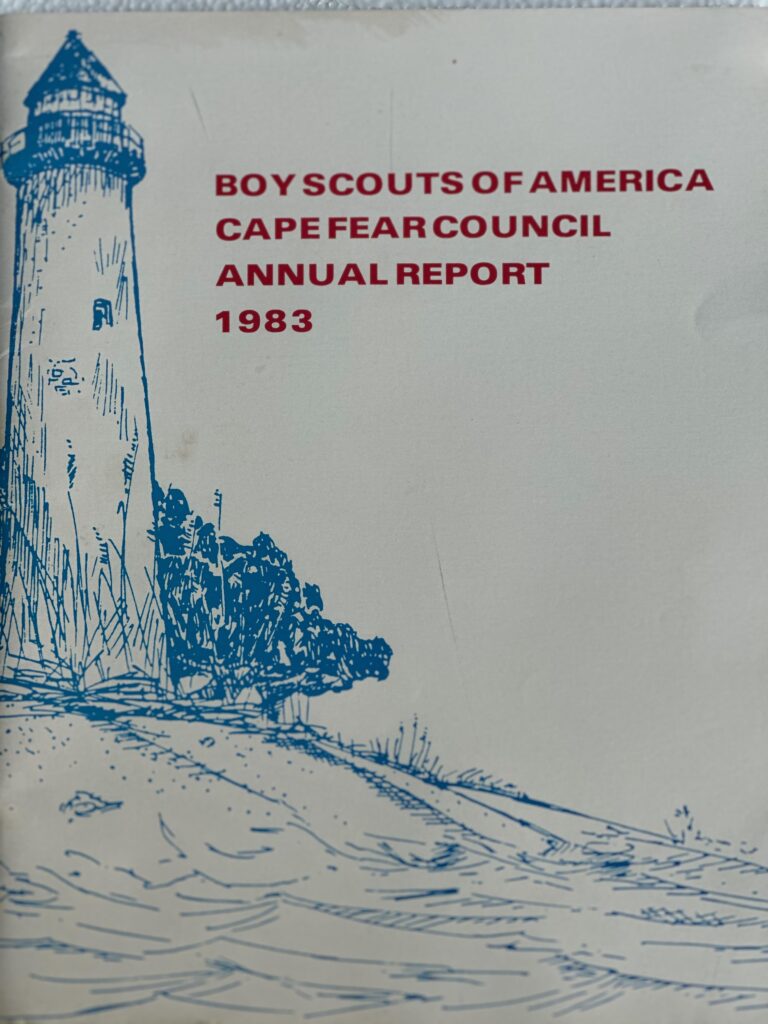
Knowing I was interested in photography, Ron encouraged me to shoot photos whenever possible. With the scouting program financing my film and developing chemicals, I photographed everything. As I was working in rural areas with smaller newspapers, I often had full page spreads of my photographs showing scouts in action. Photos ended up in the council annual report and on camp posters. I was shocked when visiting Ron years later, just before his death, to see the posters framed and hanging in his home. Although at the time my writing was limited to an occasional press release, I’m sure Ron’s insistence on telling stories influenced my writing more than I could have imagined.

Ron and Perception (another part of Marketing)

Perception was also important in how we did our jobs. Ron taught us that you always left your business card and even encouraged us to stop by places in which we knew someone wouldn’t be home or in the office. Leaving a business card was almost as good as making a face-to-face visit. It didn’t take as much time and it left the perception that we were hard at work (in truth, when you have hundreds of volunteers, such time saving techniques were necessary to help everyone feel connected and cared for. He told stories about dropping off his business cards in mailboxes in the middle of the night. I never did that, but I wouldn’t put it past Ron.

In addition to dropping off business cards, Ron was always writing notes to people—both to volunteers as well as his professional staff. Whenever we did something well, he’d write us a note and encourage us to do likewise. To this day, I always care a few note cards in my folder, a habit I learned from Ron.

Building Camp Bowers

One of Ron’s great achievements as the Scout Executive for the Cape Fear Council was creating Camp Bowers in Northwest Bladen County. The council had not had a camp since a few years after my scouting days when they had sold Camp Tom Upchurch. While they had property, nothing had been done toward building a camp. Ron set out to change this. He charged ahead. 

I remember one of my first staff meetings where I learned the importance of fund raising, if we wanted to be paid. We all worked hard and soon were not only raising enough to meet the budget but also paid off the debt which had been accumulating on camp construction through the “Total Development Campaign.” While the camp wasn’t quite finished, we dedicated the camp in May 1981. Hank Aaron, who had recently retired from baseball (and an Eagle Scout) gave the keynote address. A month later, we began the first summer of camp. 

The fire at Camp Bowers

A year later, we held another council camporee at the camp. Troops from all over Southeastern North Carolina gathered. We had around 1000 boys on the site. It was dry and windy spring day, and things were going well. Around lunch, people began to comment about the smoke in the air. It was checked out a learned that a few miles away, someone was burning a large brush pile from where there a track of land had been clearcut. Shortly after lunch, the winds picked up. We received word the controlled burn was no longer in control. A raging fire headed straight toward the camp. 

The word went out to evacuate. Since the camp was a couple miles from a paved road, with only one way in or out, it was important to be on the safe side. After everyone had been safely evacuated, the staff all stayed behind.

Ron went into town to get more water hoses so we could have hoses available at all the buildings. He came back, not only with water hoses, but with a cooler of beer and snacks. That night, the humidity rose, the wind died, and the fire laid down, burning in a bay (swamp) at the edge of camp, not too far from the camp office. We were told to watch the fire and to let the forest service know if it started to come out of the swamp. Ron got the bright idea to haul lawn chairs and the cooler up to the roof of the camp office. We took turns napping and watching the fire, while enjoying cold beer and chips. 

The next morning, the wind picked up and the humidity dropped. We worked liked crazy putting out spot fires and watering down buildings. The North Carolina forest service brought in the big guns. Several large helicopters were based on the lake, picking up water and dropping it a few hundred feet away. A waterbomber made a couple of passes, as bulldozers trenched around buildings. While the first didn’t destroy any buildings, the burned areas were on the camp boundaries were evident even as summer camp began that summer.

Ron’s Single Life

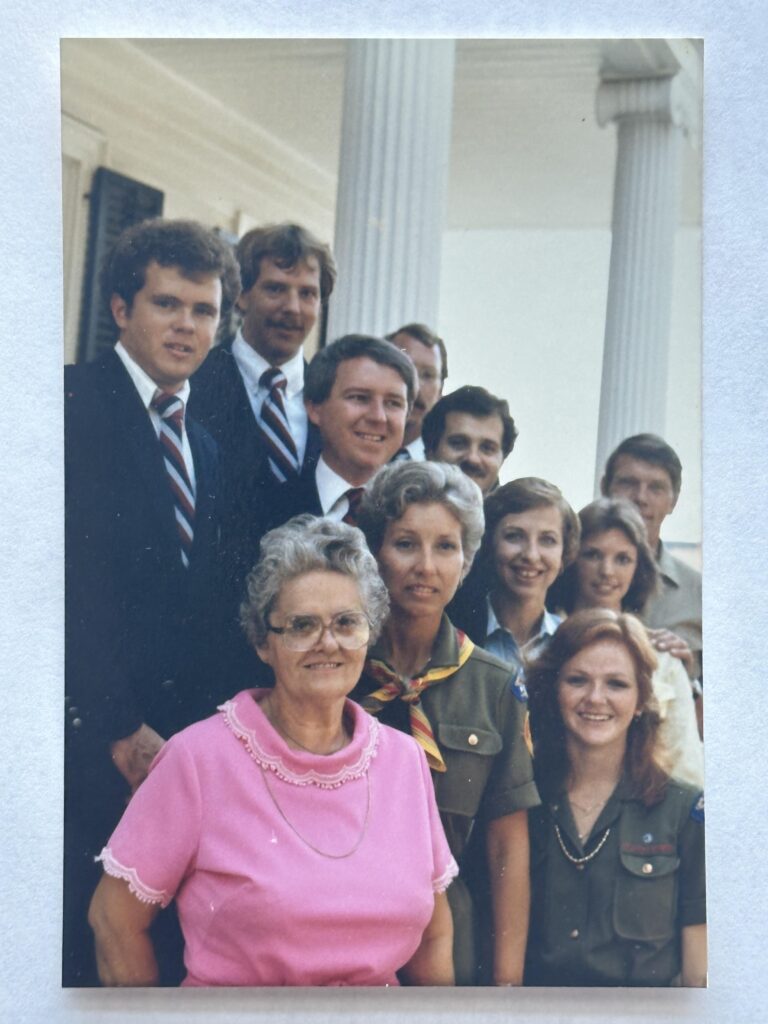
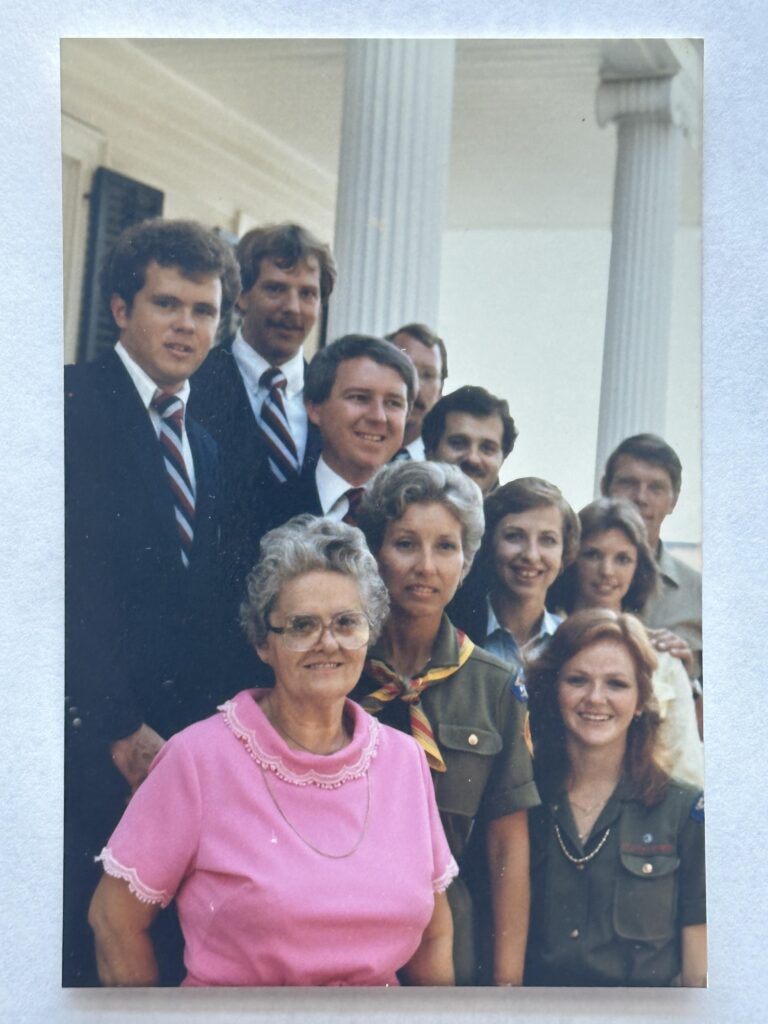
Cape Fear Council Boy Scouts of America Staff 1983
Pam is behind Ms. Lillian, the woman with the pink dress.

Toward the end of my time with the Cape Fear Council, Ron and his first wife divorced. We’d often hold staff meetings on Friday afternoons and those of us available would go out on the town during the evening. Often, I stayed with Ron overnight in the condo he rented on Wrightsville Beach. On one occasion, I had been down to the council office mid-week. Ron suggested we go out. We did and I spent the night with him. The next morning, I had a 7 AM breakfast meeting with the Chairman of the Board of United Carolina Bank (for whom Camp Bowers had been named). That morning, it was foggy. I wondered what’d I’d gotten myself into as I drove back just in time to make the meeting. 

A few months after I left for the Piedmont Council, Ron became the Scout Executive in Orlando Florida. Not long after that, Ron returned to Wilmington to marry Pam, who had been his secretary. It was a delightful wedding and they remained together until Ron’s death in 2005. 

Addendum 1 (added two days later):

Parker, a who was also a part of the staff at Cape Fear Council in the early 1980s and can barely be seen in the back of the photo, emailed me about this post. He told of another skill Ron taught. Always set up for a meeting enough tables and chairs for 90% of the expected guests. This way, if more came, it looked even more successful as you pulled out extra chairs. If there were those who couldn’t make it, you didn’t have a lot of empty chairs sitting around. Parker spoke about how he, in his career working for Chambers of Commerce, adhered to this practice.

For some reason, I didn’t associate this practice with Ron, but it was also another thing I learned from working with the scouts.  Over the years I have fought the battle with administrators, sextons, and volunteers to set up less chairs than expected. It takes a while for them to see the reason, but eventually they do.

Addendum 2 (added two days later)

In my previous post, I told about being with Ron a few months before his death. At the time, Ron and Pam asked me if I was willing to officiate at this funeral. I was. Sadly, when Ron died, they wanted to do the funeral on a particular day in Wilmington, NC. I had already committed to officiate at a wedding the next day on the West Coast and needed to be there for the rehearsal. I wasn’t able to officiate at the funeral.

Other Scouting Stories: 

Ron Carroll, Part 1

Harold Bellamy 

Delano

My Last Week as a Camp Director: Camp Bud Schiele, 1984

Camp Bangladesh (A Summer Camp Scoutmaster)

Another Scouting Memory: Ron Carroll

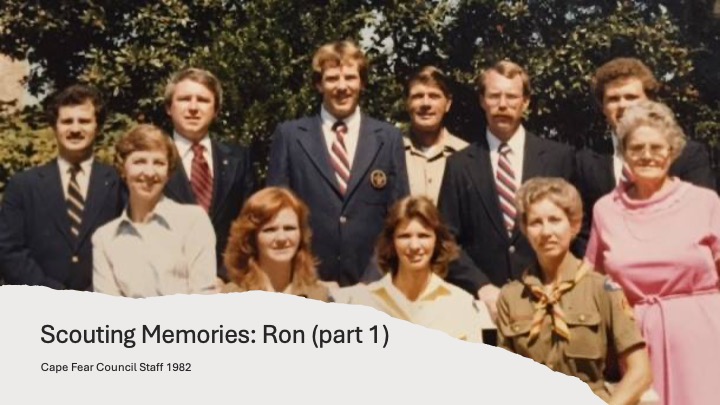
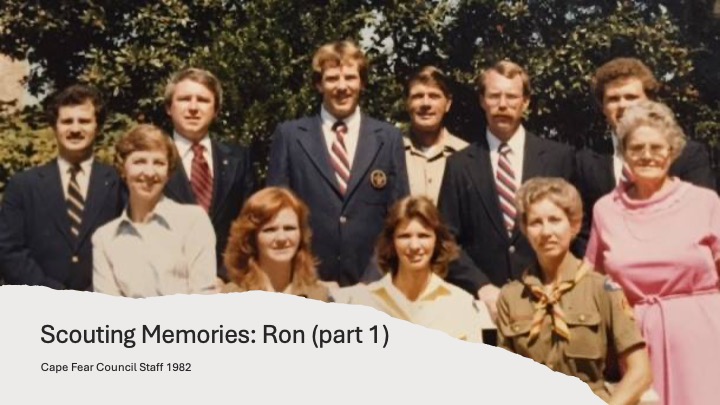
title slide showing Cape Fear Council Staff 1982

With our plates overloaded with barbeque, coleslaw, baked beans and hushpuppies, Ron and I searched for empty seats at the makeshift tables filling Clarkton’s tobacco warehouse. It was a month or so after the tobacco market, but the sweet smell of Brightleaf tobacco lingered. We nudged our way to a couple empty seats. Ron turned to the man and his wife sitting next to them and asked if these seats were available.

“Ya’ll good Democrats, aren’t you?” the man asked in a strong southern dialect.

“Hell yeah, wouldn’t vote no other way,” Ron shot back.

I about dropped my plate as I knew Ron had never voted for a Democrat in his life.

It was homecoming day for Jimmy Green, North Carolina’s Lieutenant Governor. Green had just been acquitted for corruption. I was a young district scout executive and since many of Green’s supporters were also scout volunteers, they’d arranged from him to give a sizable gift to our camp construction campaign. I was at the homecoming to present Green with a plaque in front of his friends and neighbors on this day of celebration. Ron was my boss, the council executive. I had told him about the program, and he asked if he could tag along. Waiting for the program to begin, we ate our barbeque and drank glasses of iced tea. Ron, with his Mississippi accent, fit right in.
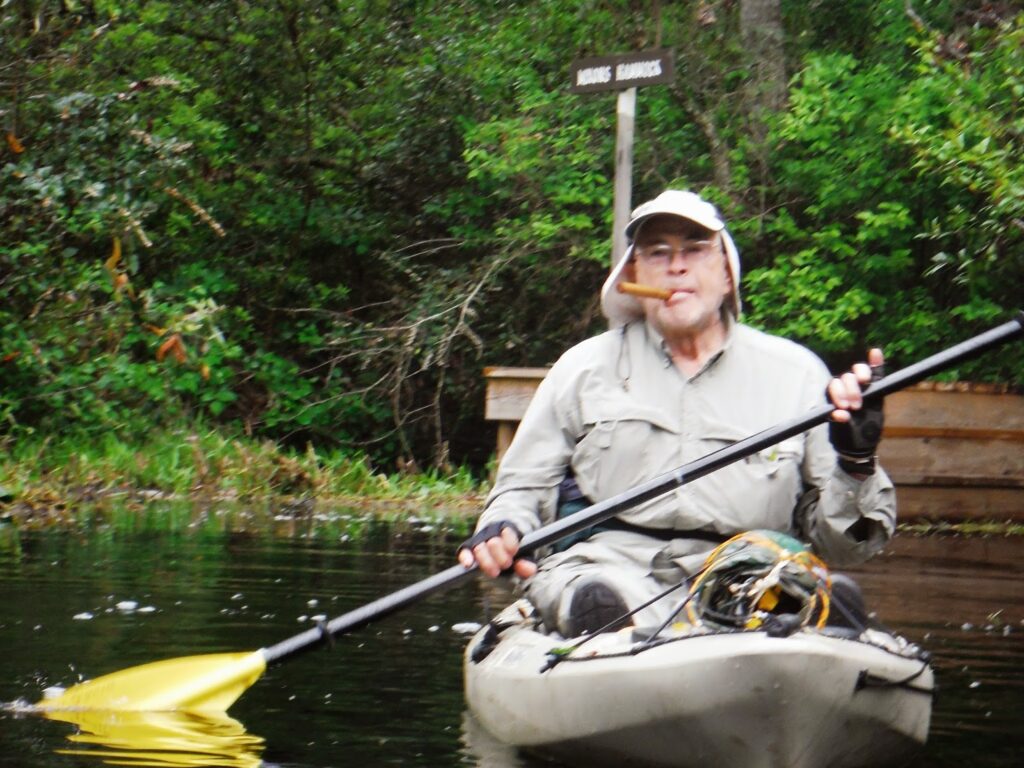
Cape Fear Council Staff, 1982
Ron is in the back row, second to the left. Back row John, Ron, Ray, Andy (camp ranger), Parker, me. Front row: ?, Teresa, Lisa?, Pam, Lillian.
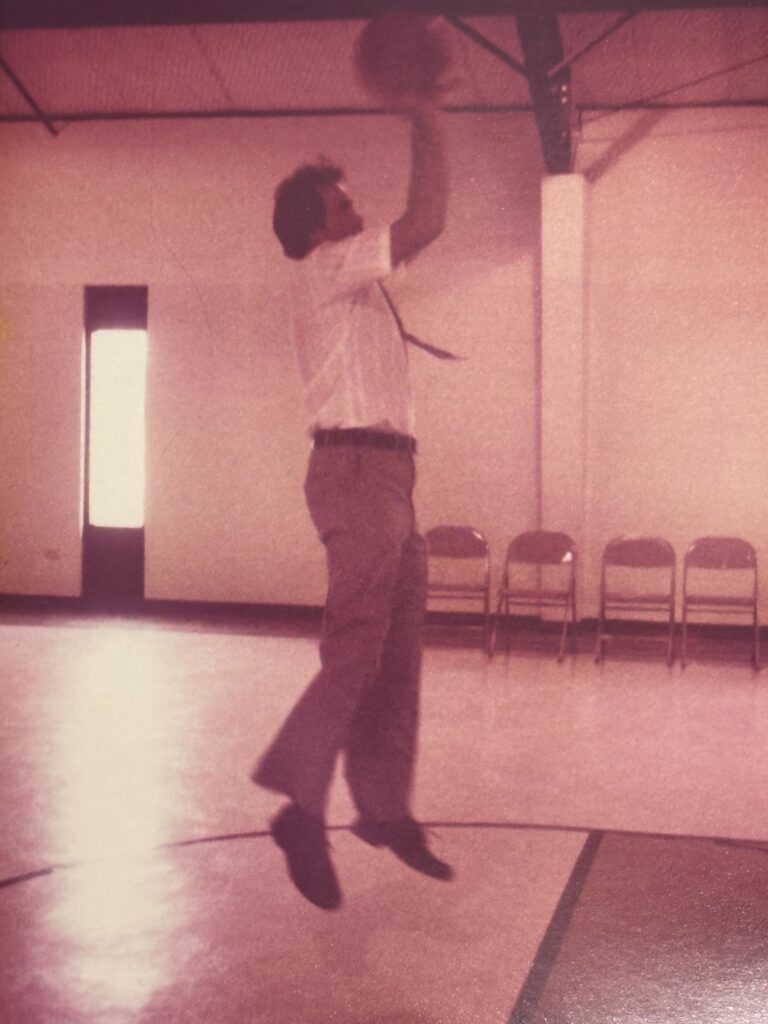


Ron was a salesman, and a good one. He’d recruited me to work for the Boy Scouts, taking a significant pay cut when I left the bakery. He was also a good teacher and mentor and to this day I am indebted to him. Under Ron’s tutelage, I learned to run successful fundraising campaigns which not only raised money, but empowered people to feel a part of the organization. Although on this day in Clarkton, we honored someone who’d given a five figure gift to the scouting program, Ron continually emphasized to his staff to go after every gift, regardless of size. 

Emphasizing the importance of grass root gifts, Ron told and retold the story of Big Jim Folsom, a populist governor from Alabama in the mid-20th Century. Whenever Folsom spoke, he passed the hat and encouraged people to put in what they could. “Even if you don’t have any folding money, he quipped, “drop in a little change. Every gift is important, and we will use your gifts to fight for you.” Folsom’s advisors questioned this policy, reminding him he had plenty of fat-cats backing him and didn’t need to nickel and dime the poor folk. But Folsom knew better. “People make their commitment with money,” he told them, “If they give me a quarter, I don’t have to worry when the next candidate comes around seeking their support; they’ve already sealed their commitment to me.

Starting in February 1981, I worked with Ron for three years with the Cape Fear Council. I moved to the Piedmont Council in February 1984, but we kept in touch. A few months after I left, Rom moved south to become the Scout Executive for the council in Orlando, Florida. It was a big promotion. I remember talking to Ron as I was considering leaving the Scouting organization to attend Seminary. It was in the spring of 1986. As he’d done in Wilmington, Ron had been working to kicking off a major building fund campaign. They were building it around the Space Shuttle Challenger. Ron had the staff to design letterhead and logos and just a week or two before they were to kick off the campaign, the Challenger Space Shuttle blew up on take-off. They postponed the campaign. 

Over the next twenty years, Ron and I mainly stayed in contact through Christmas cards. His cards often included an ointment from the council where he was serving. A few of these still remain on my Christmas trees.

After Orlando, Rom became the Scout Executive for the Council in Washington, DC. There, he got to rub shoulders with politicians of all stripes, Democrats and Republicans. He was even considered for the Chief Scouting Executive position for the whole nation. But Ron’s health began to fail. Always a workaholic, he began to realize he couldn’t concentrate on the work he’d bring home to read in the evening. He started to forget things. A physical indicated a growth in his brain. Ron consulted some of the best medical minds through the National Institute of Health, but the cancer couldn’t be contained. In late 2004, at the age of 62, Ron took a medical retirement and he and Pam moved back to Wilmington, NC. 

The last time I saw Ron, it was a few days after Christmas in 2004. I had flown down to Wilmington to see my parents and Ron. We saw each other a couple of times over the few days I was home. On the day I arrived, I met with Ron and his wife Pam for ice cream at Salt Works near Bradley Creek. Ron could no longer drive. We met again for dinner. Then, before I headed home to Michigan, I allowed Pam the day to do some errands, while I sat with Ron at their home. 

That morning, I asked Ron about Big Jim Folsom. We talked for a few minutes about the former governor. Ron, who had later in his career worked with many in Clinton’s administration, told me that Bill Clinton could have learned from Folsom’s straightforward approach. According to Ron, Big Jim had once been caught going into a hotel room with a beautiful young woman who wasn’t his wife. He admitted to his constituents that he’d made a mistake, but went on to say that his opponents were out to get him and that girl had been the bait they’d used and anytime they use bait that appealing, they’re going to catch Big Jim.

“Ron,” I said, “Willie wasn’t set up.”

Ron laughed and told me another story. A rumor circulated that Folsom was known to have cocktails with the Kennedy clan. “That’s a damn lie,” Folsom retorted. “Everyone knows I don’t drink cocktails, I drink my whiskey straight, just like you folks.”

Although Ron had learned the skills of motivating people from a populist governor who was also a racist, Ron worked hard to overcome the prejudices instilled in those who grew up in the South. That last day I’d spent with Ron, I reminded him of an incident that occurred one day, not long after I’d started working with the Boy Scouts. 

Ron and I made a call on a Baptist pastor in Evergreen, a small community in Columbus County which did not have a scout troop at this time. Several parents and kids in the community, most of whom were black, had requested that a unit be started. We just needed to find a chartering organization. 

We had pleasant chat with this pastor. But he insisted that although he’d love to see a scout program, his deacons wouldn’t allow black boys to run around in their church. I began arguing, pointing out that this wasn’t a Christian attitude. But Ron cut me off. He politely and told the pastor if things changed, to contact us. We quickly left. 

As we drove away, Ron muttered, “that lying son-of-a-bitch.” “Don’t you believe he really wanted the troop,” I asked. Ron said he felt the pastor and the deacons were of the same mind. Then I asked why he didn’t want to confront the man. He said we weren’t going to change the preacher’s mind; it was best to leave with him thinking better of us than we did of him.

Ron chuckled, as I recalled the incident that had happened nearly a quarter century earlier. Ron wasn’t doing very well, having had numerous surgeries and bouts of chemotherapy to fight an aggressive brain cancer. The drugs bloated his face. He often forgot what he was saying. At about 11 that morning, Ron insisted we have ice cream. An hour later, he decided we needed a sandwich and a beer. 

Ron was the only boss I had in my life who would treat his staff to drinks at lunch! And even here, a quarter century later, and just a few months before his own death, Ron treated me to a beer. Over lunch, he spoke about how he hoped to have a chance to write his memoirs. Sadly, that chance never came. 


I first wrote this post about 15 years ago. I have added to it and edited it for this post.

Other Scouting Stories:

Harold Bellamy

Delano

Camp Bangladesh

Cape Fear Council Staff 1982
A copy of another photo of the council staff, I think this was taken in front of City Hall on 3rd Street in Wilmington

Scouting Memories: Harold

title slide

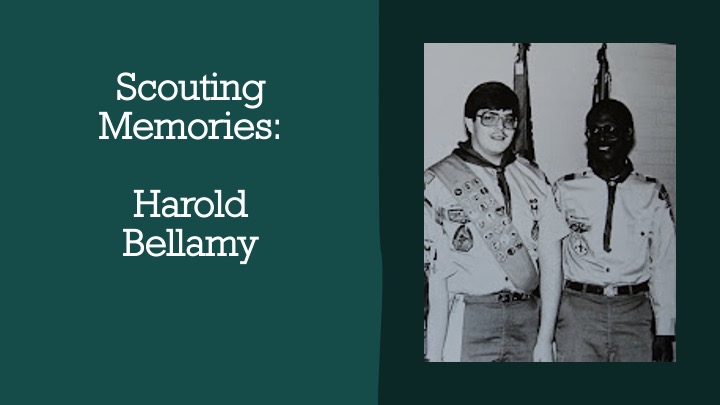
Last week, I introduced you to Delano. Today, I’m introducing you to Harold, an unlikely Scoutmaster from Tabor City during my time working for the Boy Scouts in Columbus and Bladen County, North Carolina in the early 1980s.


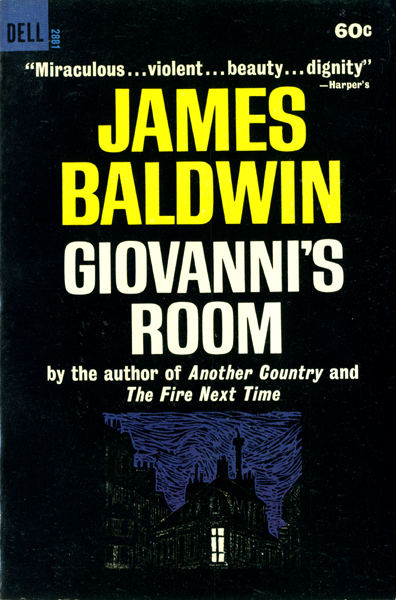
It was probably a cruel joke. Harold volunteered to spend a week with his scout troop at Camp Bowers. He asked me for book recommendations. I lent him a couple of books, one of which was James Baldwin’s Giovanni’s Room. I knew he’d read it. It shocked him to learn of a book by Baldwin he hadn’t read. After all, he taught social studies. Furthermore, like Baldwin, he was an African American, both products of the Black Pentecostal church. And I was a white boy and the Boy Scout’s hired hand. 

Cover photo of the copy of Giovanni's Room that I lent Harold

Giovanni’s Room isn’t your typical Baldwin book. Unlike Baldwin’s better-known writings, Giovanni’s Room has nothing to do with the African American experience. Set in Paris, the story features a unique triangle relationship between an American couple and an Italian (Giovanni). But it’s not the American girl, who’s interested in Giovanni; it’s David, the boy. I read the book in college. I found the book eye-opening and unnerving. Baldwin draws on his readers emotions by making them feel affection for all the characters. And he doesn’t touch on race. In addition to bisexuality, the story also involves capital punishment. After a fight with his former employer at a bar, Giovanni kills the man. The book ends with Giovanni’s execution for the murder.

When I lent him the book, I had a suspicion Harold was unaware of Baldwin’s sexuality. I should add that in addition to teaching Junior High, Harold was also a preacher in an Apostolic Pentecostal Church. But he dug right into the book. 

Harold didn’t exactly fit the Norman Rockwell’s view of a scoutmaster. He ended up with the job by default. A coach at the high school had been recruited to be the scoutmaster. He asked Harold to be his assistant. That next school year, the coach accepted a high school position in South Carolina. When no one else stepped forward, Harold who wanted his troop to do well, took over as Scoutmaster. I don’t think Harold had ever camped before becoming an assistant scoutmaster. I’m not even sure he’d built a campfire and I’m pretty sure he never used a compass. Harold was much more comfortable sitting inside with his head in a book than outside swatting mosquitoes and gnats. 

Even though Harold wasn’t created out of the scoutmaster’s mold, Harold was a great leader. Under his leadership, several of the boys in his troop earned their Eagle. These were the first Eagles earned in Tabor City in more than a decade. In fact, there had not been a troop in Tabor City for a decade before Harold and the coach got together. Harold served as Scoutmaster for four or five years. 

Tabor City had been a rough place. While the Chamber of Commerce crowned the town the “Sweet Potato Capital of the World;” informally it was known as Razor City. The city had a brutal past. In the 1950s, the Klan ruled. An intervention by the FBI destroyed the Klan. However, an uneasy truce existed. As an African American, Harold helped break down barriers which existed into the early 80s. He earned respected from the community, as shown by families allowing their white sons to join his troop. Several of the business leaders of the community thanked me for working with Harold and wanted him to succeed. 

Harold and I became friends, partly drawn together by our interest in history, social studies, literature and practical jokes. Later, as I felt drawn to seminary and to the ministry, we had some serious theological conversations. While I knew Harold to be a preacher at a Pentecostal Church in Tabor City, I just learned (see below) he ordained as a Bishop.

Harold finally forgave me for shattering his idyllic view of Baldwin. When my personal life became chaotic, Harold supported me. He even tried to set me up with another teacher at his school. I no longer remember her name, but husband had died in a work accident. We went out to lunch and her former mother-in-law was there. When we finished, we discovered that she’d paid for our meals! Harold, I think to care for both of us, attempted to bring us together. Later, after I left the area and moved across state, Harold and I occasionally met for lunch or dinner when I drove across state to see my parents in Wilmington. We wrote back and forth a few times after I left North Carolina for seminary in Pittsburgh, but with me having no reason to travel through Columbus County, and Harold no reason to head up north, we lost contact. 

A few years ago, as I was again occasionally driving through Columbus County (from Savannah to Wilmington), I tried to find him. I learned he retired from teaching after serving as a principal in Chadbourn.  In preparation for posting this, I learned of his death. Reading the comments posted on his obituary, I learned that after teaching in Tabor City, he taught at West Columbus High School and, as I had learned earlier, served as principal at Chadbourn Elementary. The secretary at the school could give me no more information about him. I also learned he become a Bishop. He suffered from a long-term illness and died in a Whiteville Nursing Home. He was 71 years old. 


Yet the key to my salvation, which cannot save my body, is hidden in my flesh.
-David imagining Giovanni’s execution in James Baldwin, Giovanni’s Room)

Harold (left) and Delano with two scouts who were rewarded their Eagle award.
Harold (left) and Delano with two recent Eagle Scouts, 1983

My experiences with Amateur Radio

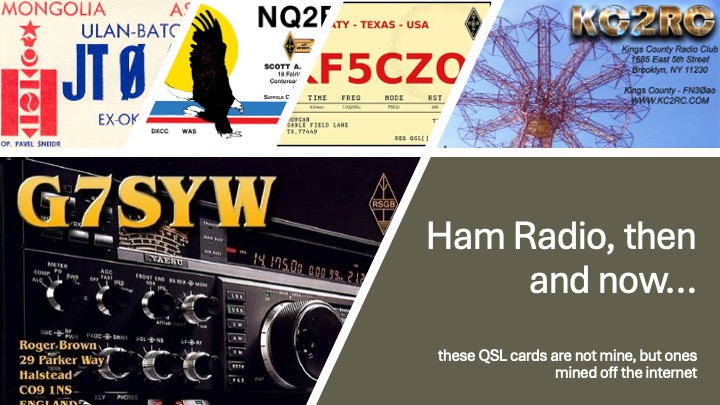
title slide with photos of QSL cards

Happy Fourth of July everyone!

This past winter, I took an introduction to Amateur Radio class. In March, I took the exam for my Technician license. It had been almost 50 years since I had held such a license. In May, I passed the General license and am now studying for the Extra Class.

I’ve been dipping my toes into the world of radio, using a small 5-watt handheld on 2 meters and 70 cm bands. These bands have a limited distance as the higher frequencies (VHF and UHF) don’t do the skipping off the ionosphere the lower bands do. However, thanks to repeaters last night I had a conversation with a guy in West Virginia, probably 75 miles from me as the crow flies. I have been assembling equipment and soon, once again, hope to listen for someone calling CQ from around the world on the high frequency bands. Here’s a reworked piece in which I share my early teenage experiences with amateur radio in the early 1970s. 

My new license call sign is KQ4PVG, although I may apply for a vanity call sign and see if I can get a part of my old call sign (at least the YGY part) back.


I’m not sure all the reasons I got so interested in Ham Radio. Perhaps it was because I was small and there was little chance of me playing sports once I got to junior high. To compensate, I decided to excel at something else. Don Conaway, a man from our church, who only had daughters (and perhaps to compensate for that), offered to teach my brother and me about radios. 

We started meeting in the evening, once a week, at his house. We’d begin sitting around his dining room table. First, we’d practice Morse Code for fifteen minutes. That was easy because I’d taught myself Morse code (and semaphore), due to spending too many days grounded in my room. After a code session, he’d pull out some paper and for another fifteen or twenty minutes, we’d have a math and drafting class, learning Ohm’s law, how to slice the PIE formula (determining power), the meanings of various electronic symbols, and the schematics of radio components. 

After the classroom session, Mr. Conaway would take us out to his “shack,” a small white wooden building behind the house and next to a persimmon tree. I remember the latter for he tried to entice us to try a green persimmon, but we were no dummies. Later that fall, after a frost, we enjoyed a few of the ripe fruit.  

The place was crammed with electrical parts and all kinds of radios and test equipment. Here, we learned the purpose of resistors and capacitors of which we’d drawn in our schematics and how to solder. In time, we built a power supply designed to take 110 AC current and, after running it through a transformer and a bridge built out of vacuum tubes which converted the power to the desired voltage and to DC current. Then we started building a transmitter, using a 6146 tube. When finished, this transmitter was able to produce 60 watts of power. It was a simple machine, utilizing crystals to control the frequency. This meant that if you wanted change frequencies, you had to pull out one crystal and replace it with another. He gave us three crystals, two in the 80-meter band and another in the 40-meter band. 

That fall, around the time the persimmons were ripe, we took the exam. A few weeks later, I learned I’d passed and received my “ticket” (or license). It arrived in early December; about the time we’d finished building the transmitter. My ticket couldn’t have come at a better time as I wasn’t doing particularly stellar in school. It provided a bit of pride as I passed the exam before my brother, who had to retake the test.

My call sign was WN4YGY. The first three digits indicated nation (W for USA, esst of the Mississippi), class (N for novice) and 4 for the Southeastern part of the county. The last three digits (YGY) were unique to an individual. Mr. Conaway immediately came up with a phonetic rending of the last three digits of my call, “Young Girls Yell.” In more ways than one, I fondly look back on those days. 

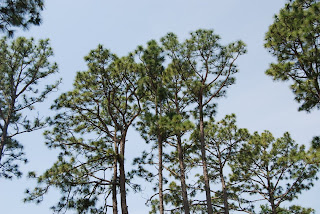
One of these longleaf pines held up one end of my dipole antenna

Soon afterwards, Mr. Conaway came over to our house and with our help, we installed an 80-meter ½ dipole antenna. As ½ of 80 meters is 40 meters (or around 130 feet), the wire stretched from a longleaf pine tree in our front yard to one in the back yard. The halfway point was just outside my bedroom window, and a piece of coax ran from the center of the antenna through the window and on to the transmitter and receiver. I started out with equipment borrowed from Mr. Conaway, but later would add our homebuilt transmitter along with a receiver I purchased. 

My first contact was to Wayne, another young ham in Leland, NC who was my age. Leland was only across the river from us, but it was a contact. Even though Wayne went to a different school, we became friends. After we both received our driver’s licenses, we hung out together. As he was on North Brunswick’s High chess team. As my much larger school didn’t have such a team, I occasionally sparred with those on his team.  We also did a fair amount of canoeing and hunting together during our high school years. 

That winter, as the sun set, the 80-meter band came alive. The upper regions of the ionosphere strengthens in the cold darkness of winter. This allows the long wavelengths the capability of making great bounces, allowing my signal to be heard across North America and into Europe. Every day I’d rush home from school and be ready to be online as the sun set. It was exciting to hear that first “CQ” of the evening, a call from operator looking for someone with whom to chat. I’d tap out his call letters, followed by “de” (from) and my call sign. Soon, we’d be exchanging information about our location and age and the weather.

Although my brother (he’s now a mechanical engineer) eventually passed his test and received his ticket, the radio bug never really bit him. Maybe this was because I was always online, and we shared equipment. Since we also shared a room, it annoyed him when I crawled out of bed at 3 or 4 AM and pull on a headset and fire up the radio. No one else in the house could hear, but the lamp was a nuisance to him. Using CW (morse code) I enjoyed chatting to folks on the West Coast as well as in South America and Europe. Each new state or country was like a conquest. Over time the wall behind my radios were covered with QSL cards sent from other operators with whom I’d communicated..

The most exciting period during my time on-air was when an emergency net was called to relay messages from Central America. It was around Christmas 1972, the same Christmas which my friend Mark had been killed in a motorcycle accident. An earthquake had hit Nicaragua and for hours I monitored traffic for messages were coming to North Carolina. Although I never had traffic sent my way, I felt as if I was a part of something big, especially when I saw the devastation on the morning news. This was the same earthquake that my hero, Roberto Clemente, the slugger for the Pittsburgh Pirates, was killed in a plane crash while on a humanitarian mission. Death seemed to be all around me that year, but it was also enlightening to watch history unfold.

In time, I lost interest in the hobby. By the time I graduated from high school, I was no longer spending time with the radio. At one point, I purchased a used low power transceiver. I got it up and running using 2 watts from a six-volt battery. Using a portable long-wire antenna, I could take this unit camping with me. But I lost interest and boxed it all away. The radios I used seemed so modern at the time. But they, were really behind times as everything was shifting to transistors and diodes and eventually to pre-wired circuit boards. Sometime in college, I gave all my equipment to the man who had helped me earn my licenses. By then I was into other hobbies. 

A Tribute to my Dad

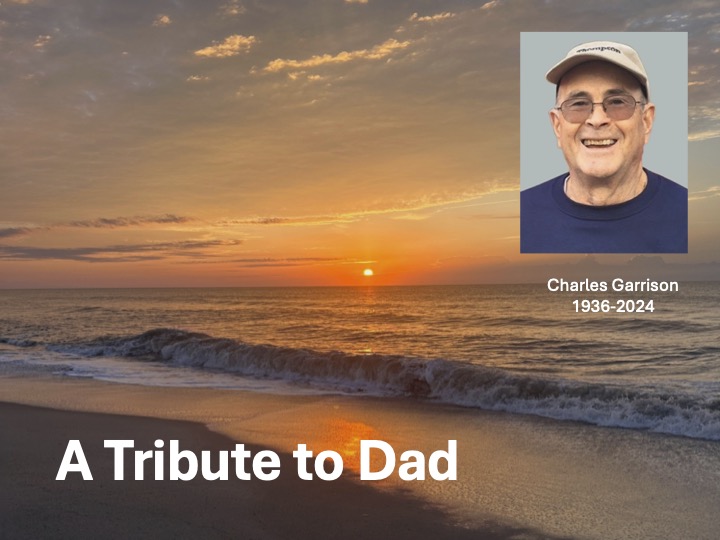
photo of sunrise and of my Dad

I’ve been quiet on social media lately, especially in blogland and on Facebook. Let me explain. I have also not posted any sermons recently as I have been away from the pulpit. This has been a time of reflection and change, which came to a head this past Monday, May 6, around 11:30 PM. That’s when my brother called from hospice to let me know our dad had died.


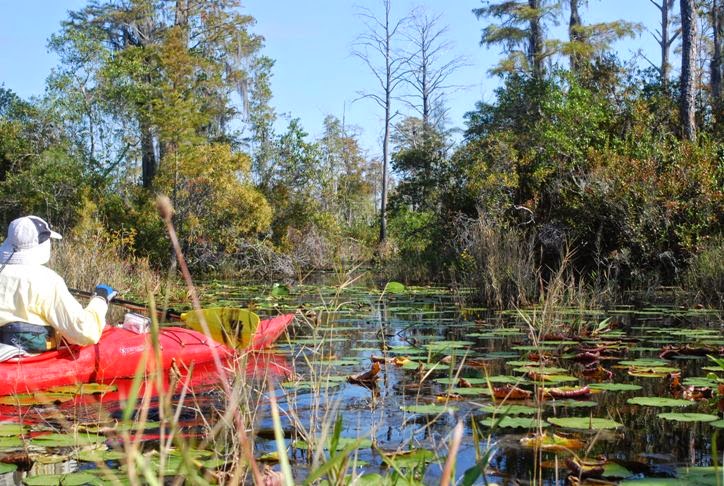
Dad paddling in the Okefenokee (2015)

As you may imagine, I didn’t get much sleep the rest of the night, and was up way before sunrise to walk the beach (I was staying in Kure Beach). As the sun rose, I remember all those times being with Dad on the boat running out of Carolina Beach, Masonboro, or Barden’s Inlet as the sun rose. Dad’s timing always seemed perfect as we headed out toward the sun for a day of fishing. Of course, there were other days with rain or fog… But now, they’d be no more of those adventures.

On April 30, my father had his fourth intestinal surgery in twelve days. The first surgery was on Thursday, April 18. I was in the Upper Peninsula of Michigan at the time. My dad came out of the surgery doing well and things were looking up. We had several conversations by phone. He expected to get out of the hospital in four or five days. But before this happened, his intestines started to leak and there were infections. The next Thursday, he had the second surgery. They were not able to do everything, so they scheduled another surgery for Sunday and kept him sedated. There would be one more surgery for Tuesday morning, April 30. I arrived in time to meet the surgeon as he met with my brother, sister, and me. While he expressed hope, he also warned us that our father couldn’t survive another intestinal surgery. 

Dad shooting a basketball after his 25th Wedding Anniversary celebration
Dad, after his 25th Wedding Celebration (1980)

On Wednesday, they removed the respirator and Dad slowly woke up. Things looked even better on Thursday morning, May 2. I was there first thing that morning and when the doctors and staff made their rounds. They discussed moving Dad from ICU to a step-down unit that afternoon. Later in the morning, my brother came in to relieve me. I went out to have coffee with Billy Beasley, a friend of mine whose friendship goes back to my elementary school days. While there, I got an urgent text from my brother to come back, that Dad’s intestines were leaking. Over the next hour, we learned there was nothing more they could do. Dad understood what was happening and with my brother Warren and I on each side of the bed, sniffling, he told us not to cry. He later thanked us for being there and for being good boys. They moved Dad that afternoon to hospice, where he spent the next five days. 

Fishing off Jetty at Masonboro Inlet, Wrightsville Beach
Fishing at jetty at Masonboro Inlet (~2010)

Thankfully, the first two days, Dad did well and was able to see a lot of friends and family members. My younger brother was even able to make it in late Friday night from Japan.  One of the highlights during this time was one of the visits of the pastor of his church. He is relatively new and thank my father for all he did to support his ministry and how he checked in on others within the congregation. My father said, “that’s what we’re supposed to do.

By Saturday, May 4, Dad began to slip and mostly slept. Once, he woke up enough to say, “That was nice,” after I prayed over him. They had to keep increasing morphine to keep his pain under control. Although a strong man, fate took over. Yet, it took him a long time to give up. He would eventually stop breathing when alone (my brother was in the room but asleep). 

Probably ten years ago, my father had me write an obituary for him and my mother, Barbara Faircloth Garrison, who died in 2020. I pulled out the obituary from my files, updated it (mostly increasing the number of great-grandchildren), and began editing it with my siblings. Below is the final product: 

Mom and Dad in front of a camellia bush
Mom and Dad in the 1990s the (copy of photo wasn’t the best)

Charles Albert Garrison died on May 6, 2024 from complications following intestinal surgeries. Charles loved being on the water and never felt more alive than when he was out on his boat or fishing. He and his late wife were known for their love for each other and their hospitality toward others, including annual New Year Eve oyster roasts. 

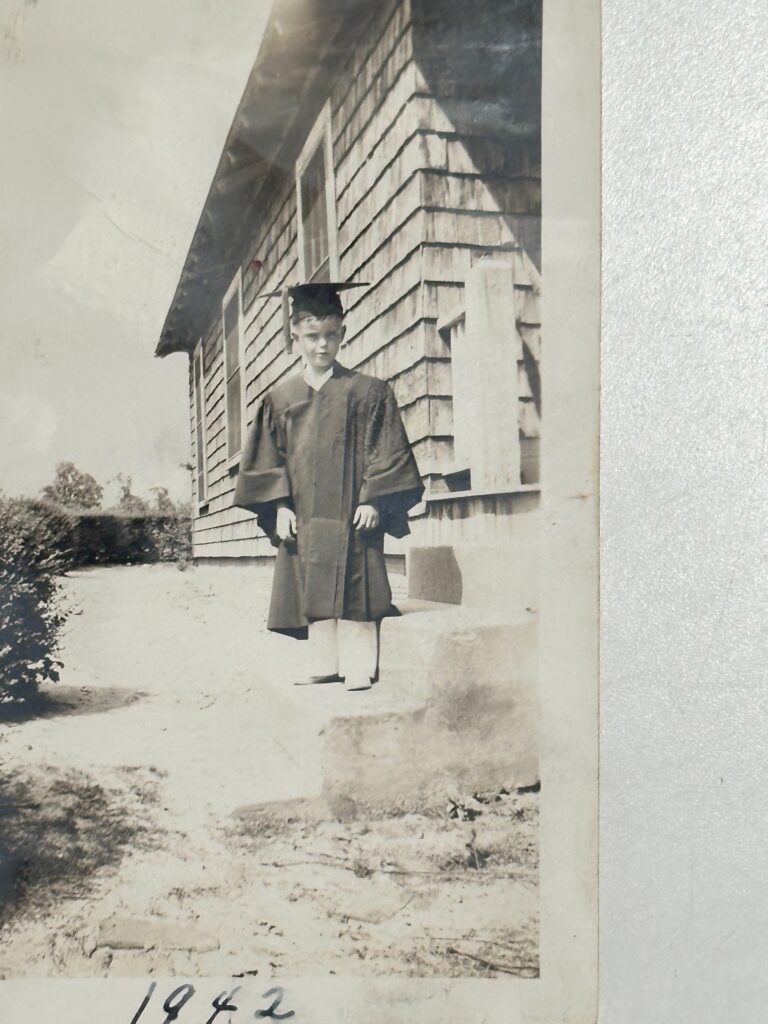
a b&w photo of dad in a cap and gown in 1942
Dad at six years of age

Charles was born on December 29, 1936 in Pinehurst, North Carolina to Helen McKenzie and A. H. Garrison. He was an Eagle Scout and while a high school student played football, basketball, and baseball. In 1955, he graduated from Pinehurst High School and two months later, on July 29th, married Barbara Jean Faircloth. Their marriage lasted 65 years, till Barbara’s death in 2020. Together, they had four children: Charles Jeffrey (Donna), Warren Albert (Sheri), Sharon Kaye and David Thomas (Monica).

In 1962, Charles went to work for the Hartford Steam Boiler Inspection and Insurance Company. He was employed by the company for the next forty years. He began his career in Petersburg, Virginia in January 1963. In 1966, he jumped at the opportunity to move to Wilmington, North Carolina where he could be near the ocean. He would live the rest of his life in Wilmington except for two overseas assignments in Japan and Korea. During his career with the company, he was an insurance inspector, an ASME Code Inspector for Boilers, Pressure Vessels, and a Nuclear In-Service Inspector. He retired from Hartford in 2002 but continued to do consulting work for another five years. He finally gave up working to care for his wife. 

Surf fishing at Cape Lookout
Fishing off Cape Lookout (Fall 2008)

Charles remained active throughout his life. In his younger years, he hunted and fished, played basketball and softball. Once he moved to Wilmington, he continued to play softball for a few years and limited his basketball to outside pickup games with his sons and their friends. He devoted as much time as possible to fishing. He often spent weeks in the fall of the year camping and fishing on Masonboro Island. Later, he would make a sojourner of a week or so to Cape Lookout, where he would camp and fish with family and friends.  

Mom and Dad with grandkids in the 1990s (notice the reindeers in the yard)
Dad with grandkids in the 1990s (notice the reindeers in the yard)

The church was always important to Charles. Like his father, grandfather, and great-grandfather, he was a Ruling Elder in the Presbyterian Church. He served on many committees, especially the building and grounds committee at Cape Fear Presbyterian Church, where he remained a member for 58 years. Charles attended church every Sunday he was able. He and his wife made many friends at Cape Fear and often visited new families within the church. They also delivered tapes of the church services to shut-ins within the congregation. 

Basketball goal
Basketball goal (in need of a painting)

Charles was a craftsman and handy man. He restored a home in Pinehurst and added on to his home in Wilmington. In high school, he made his future wife a cedar chest which they used for the rest of their lives. An excellent welder, he built the basketball goal which still stands in his yard. His great-grandchildren now play basketball on this goal. He also welded a Christmas tree stand out of steel that would have survived a nuclear war (the tree might have snapped off, but the steel stand wasn’t going anywhere).  Charles was also known for his handmade wooden Christmas decorations including a sleigh and reindeer which populated his front year during the season. He also built many Rudolph the Red-nose Reindeer door hangers and poinsettias holders which he gave away as gifts. 

Charles also served as a leader in the Boy Scout program when his sons were in scouting and helped coach baseball. Charles continued to enjoy attending the ball games of his children, grandchildren, and great grandchildren. He also served for many years as a Myrtle Grove Volunteer Firefighter and as a Gideon. 

Charles was preceded in death by his parents, a sister (Martha Kay), and his wife. In addition to his children, he is survived by his brother Larry (Louise), his four children, seven grandchildren (Craig, Kristen, Elizabeth, Jonathan, Clara, Thomas, and Caroline), twelve great-grandchildren, a niece (McKenzie), and many cousins. For the last three years he enjoyed the company of Ginny Rowlings and her family. They spent many evenings at the NC Symphony, concerts and plays and eating ice cream. 

In lieu of flowers, memorials may be made to Cape Fear Presbyterian Church and the Lower Cape Fear LifeCare of Wilmington (hospice).  A graveside service will be held at Oleander Memorial Gardens on Monday, May 13, 2024 at 2 PM. The Rev. Aaron Doll of Cape Fear Presbyterian Church will officiate. Charles will be buried by his wife in a plot they picked out and where his body will lie in rest near the salt water he loved and where, at high tide, it might even tickle his toes.[1]

Paddling in the Okefenokee, 2014

Some more “Dad Stories:

Four days in the Dry Tortuga’s

Lessons from Dad (with some great photos)

Lumber River Paddle (my last great adventure with Dad)

Fishing off Cape Lookout, 2020

Thanksgiving Day Hunt

Dad’s 85th Birthday (and my last time paddling with him)


[1] Some might wonder about this last line, so let me explain. My parents brought cemetery plots in the 1980s, after coming back from Japan. His mother (my grandmother) wanted to know why he wanted to be buried so far away and not with the rest of the family at Culdee Presbyterian Church in Moore County. My father told her that he wanted the salt water to tickle his toes during high tide. My grandmother didn’t think it was funny, but I Dad (and I) got a laugh out of it.