
 Jeff Garrison
Skidaway Island Presbyterian Church
Numbers 11:31-35
February 10, 2019
We are on our fourth week of looking at the Hebrew people in the wilderness. We have seen how they have complained about the food, how they have driven Moses almost mad, and how God has provided for their needs. This week, we’re going to look at a case of tough love. Yes, Israel’s going to have the meat they’ve demanded, but along with their bellies being full, God is going to punish them for their disobedience and lack of trust. We learn that we have to be careful for what we want. As Sheryl Crow sings in her song, “Soak Up the Sun:” It’s not having what you want. It’s wanting what you’ve got.[1] I’m sure the Hebrew people didn’t want what they got. Read Numbers 11:31-35.
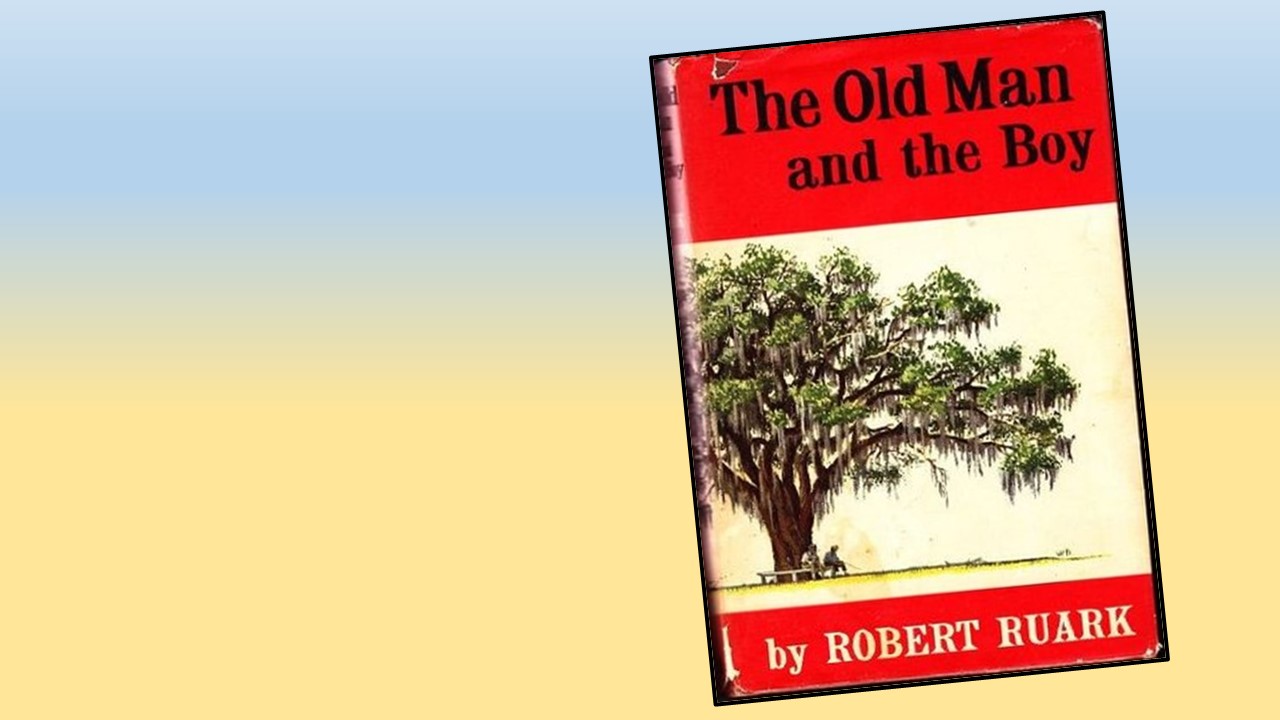 Robert Ruark began quail hunting with his granddad at the age of eight. The opening story in his wonderful book, The Old Man and the Boy, is about a quail hunt. To the chagrin of his mother and grandmother, his grandfather, “the Old Man,” brought him a 20 gauge shotgun. They headed out into a pea field with two dogs. Quickly, the dogs were pointing and the Old Man gave him a shell and told him to load up. He broke open the barrel, slipped the shell into the breech, and snapped it closed. Then as his pulled the gun up to hold at a forty-five degree angle across his chest, to be ready for when the birds flushed, he quietly slipped the safety off and stepped toward the dogs.
“Whoa, Give me the gun,” the Old Man demanded.
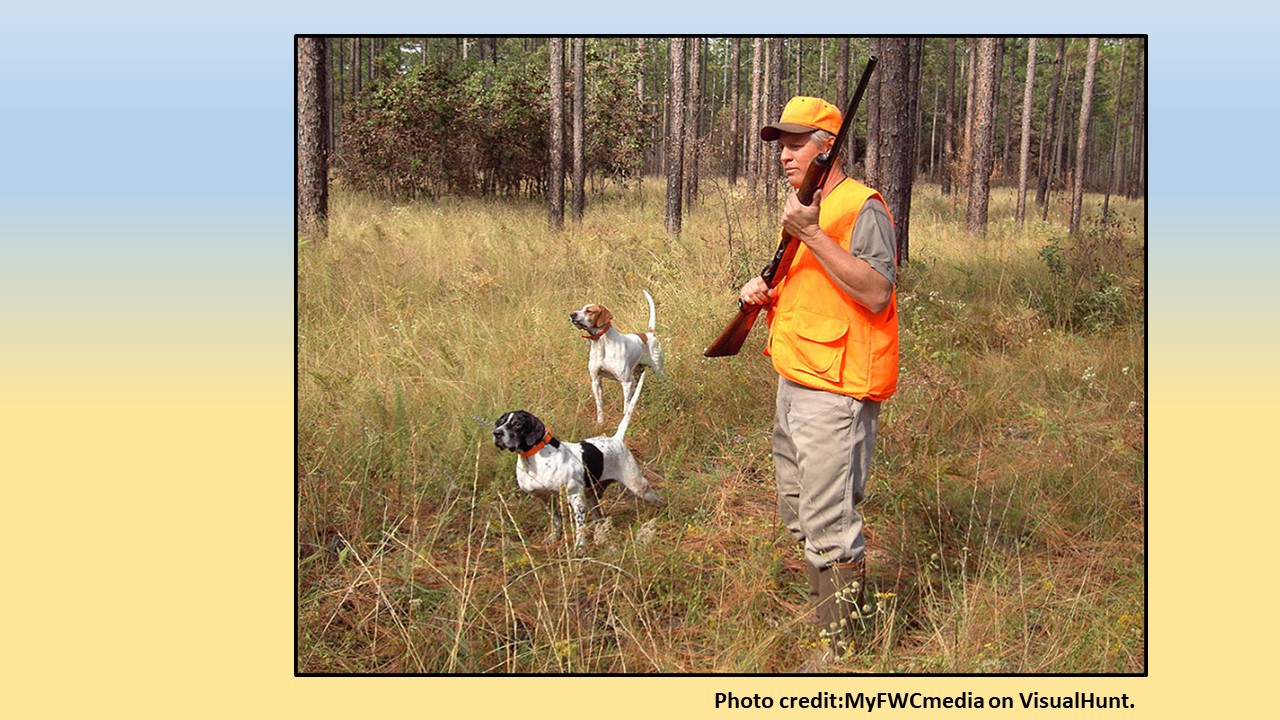 Shocked and a bit hurt, the young Robert Ruark handed his gun to his granddad, who set the safety, then headed out to the dogs. As the covey flushed, he shot a bird. When he came back, the boy yelled, “Why’d you take the gun away from me? It’s my gun. It ain’t your gun.”
At this point the Old Man gave the boy a lecture. “Safety catch,’ he said.” The boy didn’t think his granddad had heard or saw him slip off the safety. The Old Man continued: “No reason in the world for a man to go blundering around with the catch off his gun. You don’t know the birds are going to get up where the dogs says they are. Maybe they’re running on you. So the dog breaks point and you stumble along behind him and fall in a hole or trip over a rock and the gun goes off…’”
Feeling bad, the boy said: “You got to take the safety off some time if you’re planning to shoot something.”
“’Habit is a wonderful thing’, the Old Man said. ‘It’s just as easy to form good ones as to make bad ones. Once they’re made, they stick.’” The Old Man continued, as he taught the boy how the safety stays engaged until he brings the gun to his shoulder as he follows the bird in flight.[2]
 I wonder what the Old Man would have thought about the way the Israelites hunted quail. He probably wouldn’t care for it, but I expect he would understand God’s intention of teaching the Hebrew people some good habits such as placing their trust in the Lord. The land between is a good place to learn good habits.
The Hebrew people wanted meat in their diet and in this text we see that they got what they wanted. We’re told that a wind blew the quail into the Hebrew camp. Quail often migrate through the Sinai in the spring and fall. So, perhaps as these birds were transient, God blew up a storm and blew them toward the place where Israel was encamped.[3] And it’s not just a few birds. With quail, in which each bird produces about 5 ounces of delicious meat, you’ll need a lot of birds to feed so many people. But Israel gets more than a lot. The least anyone collects is ten homers. A homer is supposedly about 6 bushels, so each person has a truckload of birds. This is an absurd amount. I’m sure that soon there were fires going and birds grilling as the rest were being dressed out to dry and to store for later.
 It’s almost as if God decides to overwhelm the Hebrew people with quail as a way to show them his power. They should have been thankful that the birds were quail and not ravens. Had it been the later, Alfred Hitchcock’s movie, “The Birds,” would could have been Biblical. But instead of the birds attacking, they are easily caught by the Israelites.
It’s as if God is asking, “You think I can’t take care of you?” “Let me show you.” But that’s just part of God’s response for there is divine anger brewing because of the people’s lack of trust. (See, those quail could have been ravens). As the people dress out the quail, eat their fill, and begin to pick the meat from between their teeth, God’s anger rises and a plague descends upon the people. Did the quail contain some pestilence? We’re not told, nor are we told how many died, but enough died that they named their encampment in remembrance of those who “had the craving.” And they quickly moved on to another camp. We’re left wondering if they took the drying quail with them or if they left them in the sun to dry and for the creatures of the desert to devour.
This is just one of God’s punishments of Israel in the wilderness we find in the Book of Numbers. A few chapters later, the people will revolt and suffer the consequences.[4] And later in the book, they’ll complain again against God and snakes will come after them.[5] The Book of Numbers provides lots of ideas for a horror flick. But what do we see? Over and over again, God cares for the people, yet they do not trust the Lord to look out for their well-being. Over and over again, the people are disciplined.
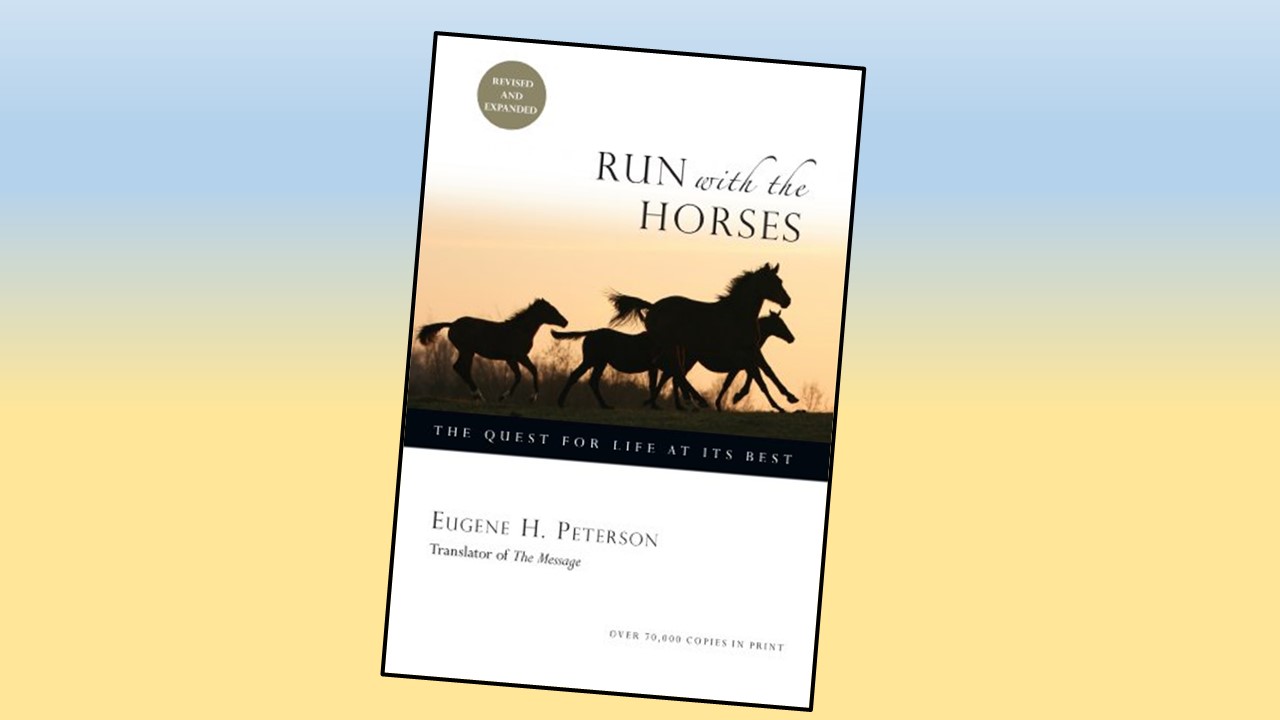 I’ve been reading Eugene Peterson’s collection of sermons on Jeremiah, a prophet at a time when Israel was again facing some discipline. We don’t like the idea of discipline or judgment, do we? But it’s a frequent topic in scripture, probably because we (as humans) are so hard headed. Listen to what Peterson says about the topic:
Judgment is not the last word; it is never the last word. Judgment is necessary because of centuries of hardheartedness; its proper work is to open our hearts to the reality beyond ourselves, to crack the carapace of self-sufficiency so that we can experience the inrushing grace of the healing, merciful, forgiving God.[6]
 Scripture discusses judgment and discipline a lot. Some of you may think there’s too much judgment and discipline in Bible, but as Jeff Manion reminds us in his book, The Land Between, we have an advantage. As Paul wrote to Timothy, “Scripture is useful in building us up,” and if we allow Scripture to work in such a manner, we can learn from the mistakes of others.[7] That’s a benefit to cherish.
 Yesterday afternoon I was sailing in a race. There was J-105, a much larger and faster boat than any of the rest of us. This boat set the mark. We were coming back up the river, against the tide, which is a time that you try to keep your boat out of the current as much as possible. One way to do this is to hug the side of the channel where the current is less. But there’s the risk of running aground. We watched that J-105, knowing that its keel was much deeper than ours. If it had problems with shoals and ran aground (which would have been the only way we could have caught it), we would know to steer clear. Scripture is like that, we get to see the mistakes of the Israelites and the early disciples, and can steer clear of them. We can learn from their discipline!
 There are many Proverbs that speak of the need for discipline.[8] We have all heard the saying, “Spare the rod, spoil the child,” and assume it is from the Bible. We’ll, not exactly. However, there are many Proverbs that do speak of the need for discipline, the one that comes closest to such a saying is Proverbs 13:24, which speaks of those who refuse to discipline their children, hate them. Paradoxically linking permissiveness and hatred is an attempt to drive home the message that discipline is required.[9] Corporal punishment isn’t necessarily required and certainly punishment that borders on abuse is condemned.[10] Discipline may be unpleasant, but if we are not taught what is right and wrong, how are we to know?
This Wednesday issue of the Wall Street Journal had an article by Robert Hamilton, a pediatrician in Santa Monica, titled “The Right Way to Spank a Child.” While he was careful to differentiate spanking from abuse, as he was writing against a recent ruling from the American Academy of Pediatrics that had expressed its opposition to all forms of corporal punishment, he made the case for mild spankings. This would be spankings that strings but doesn’t come anywhere near injuring the child. He set ground rules that I’m sure many of our parents didn’t abide by, such as only a two or three whacks, done privately so as not to humiliate the child, and administrated as soon as possible after the offense. The main thrust of his column wasn’t to defend spanking as much as it was to emphasize the necessity of effective discipline in raising children to be responsible adults.[11]
 In the land between, we see that God, our Heavenly Father, disciplines his people in order for them to grow into a nation. When we are disciplined by God, we need to remember that God is loving us. God is correcting our behavior so that we might grow in our love and trust of him. Sometimes discipline is hard. I don’t know why so many people had to get sick and some of them had to die. But the God who gives us the breath of life can also take it away. But as we see, God wants his people to trust him as they are led through the desert and into the Promised Land. It’s an important lesson, for if they don’t trust him, the people will be lost. And that goes for us, too. If we don’t trust God, we are lost. Trust God; accept his discipline as a sign of love. God wants something better from us and for us. Amen.
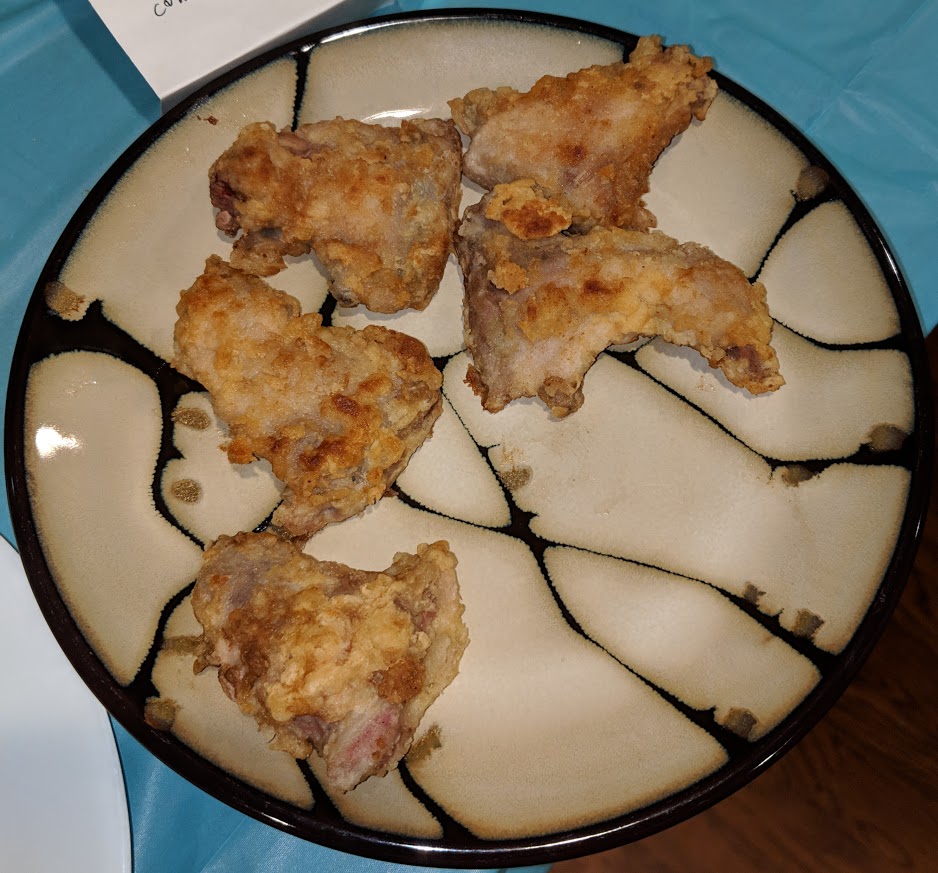
After note: After preaching this sermon yesterday, I attended a sail club potluck dinner last night where Mike, one of the members of the group, brought quail! There were a few there who had heard my sermon and thought it was funny.
©2019
[1] Sheryl Crow, “Soak Up the Sun” (2002)
[2] Robert Ruark, The Old Man and the Boy (1993, New York: Henry Holt and Company, 1957), 11-12.
[3] Philip J. Budd, Numbers: Word Biblical Commentary #5 (Waco, TX: Word, 1984), 129.
[4] Numbers 16.
[5] Numbers 21.
[6] Eugene Peterson, Run with the Horses: The Quest for Life at Its Best (Downer’s Grove, IL: Intervarsity Press, 1983), 173.
[7] 2 Timothy 3:16-17 and Jeff Manion, The Land Between: Finding God in Difficult Transitions (Grand Rapids, MI: Zondervan, 2010), 133.
[8] Proverbs 19:18, 23:13-14, 29:17.
[9] Richard J. Clifford, Proverbs: Old Testament Library (Louisville, KY: Westminster, 1999), 140.
[10] Exodus 21:20. See also https://www.crosswalk.com/faith/bible-study/what-does-spare-the-rod-spoil-the-child-mean.html
[11] Robert C. Hamilton, “The Right Way to Spank a Child,” Wall Street Journal (February 6, 2019), A15.
 U. S. Grant is an amazing story. Even how he came upon his name (which was latter joked to be Unconditional Surrender Grant) is an interesting story. At the dawn of the Civil War, Grant was broke, having failed in several business attempts. He had been dismissed from the army due to his drinking problems. Eight years later, after having led the Union forces to victory, Grant is the President of the United States. In this massive biography, Ron Chernow tells Grant’s story. Chernow challenges many of the presuppositions that are often held about Grant such as his military achievement was due to his superior numbers and that he, like his presidency, was corrupt. While acknowledging the truth of the Union superiority in numbers and the corruption of his administration, Chernow believes that Grant was a superior officer and he, himself, wasn’t corrupt. Grant’s greatest fault, according to Chernow, was his loyalty to friends. It appears Grant best action and clearest head was in the chaos of battle. In his private life he often overlooked the faults of his friends and was too trusting. In battle, he had no problems removing ineffective commanders.
 Jeff Garrison
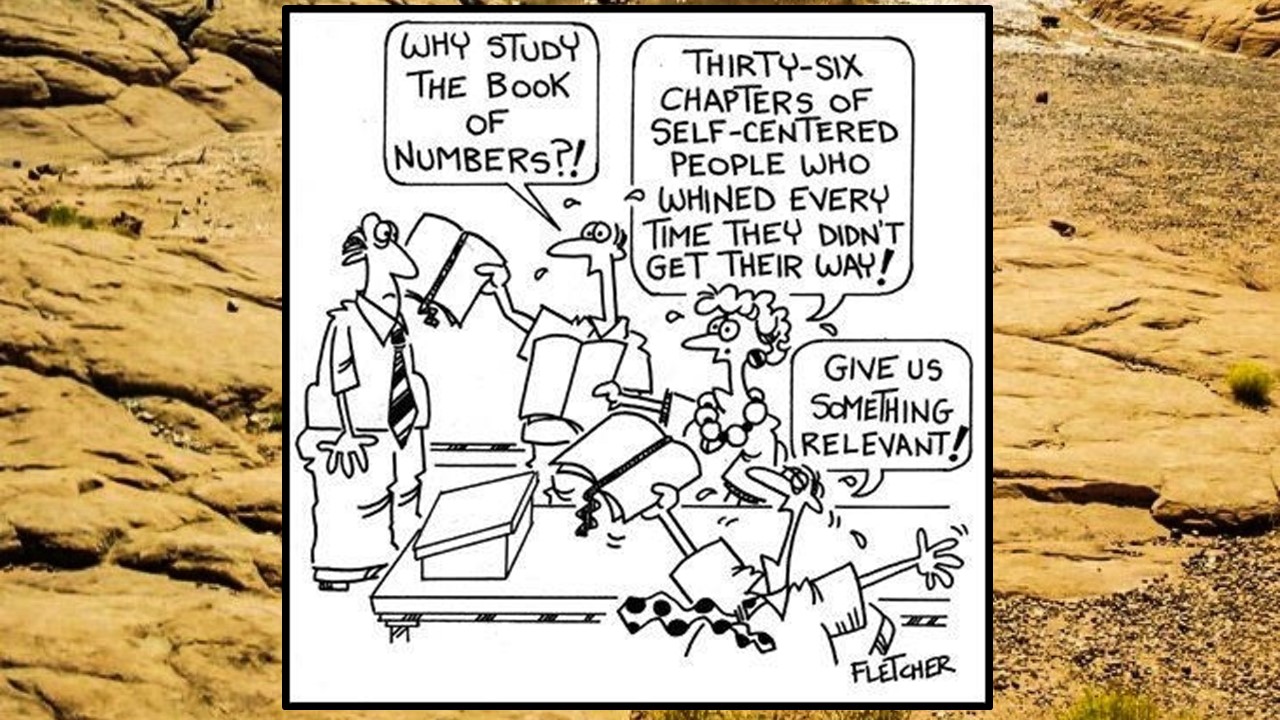 We are currently working our way through the 11th chapter of the book of Numbers. Some may wonder, “why Numbers?” After all, it’s an obscure book in the Old Testament, filled with whinny, self-centered people. What could Numbers have to do with us? Well, we’re not much different. We complain, we whine, we focus on our wants and desires, as we struggle trusting God…
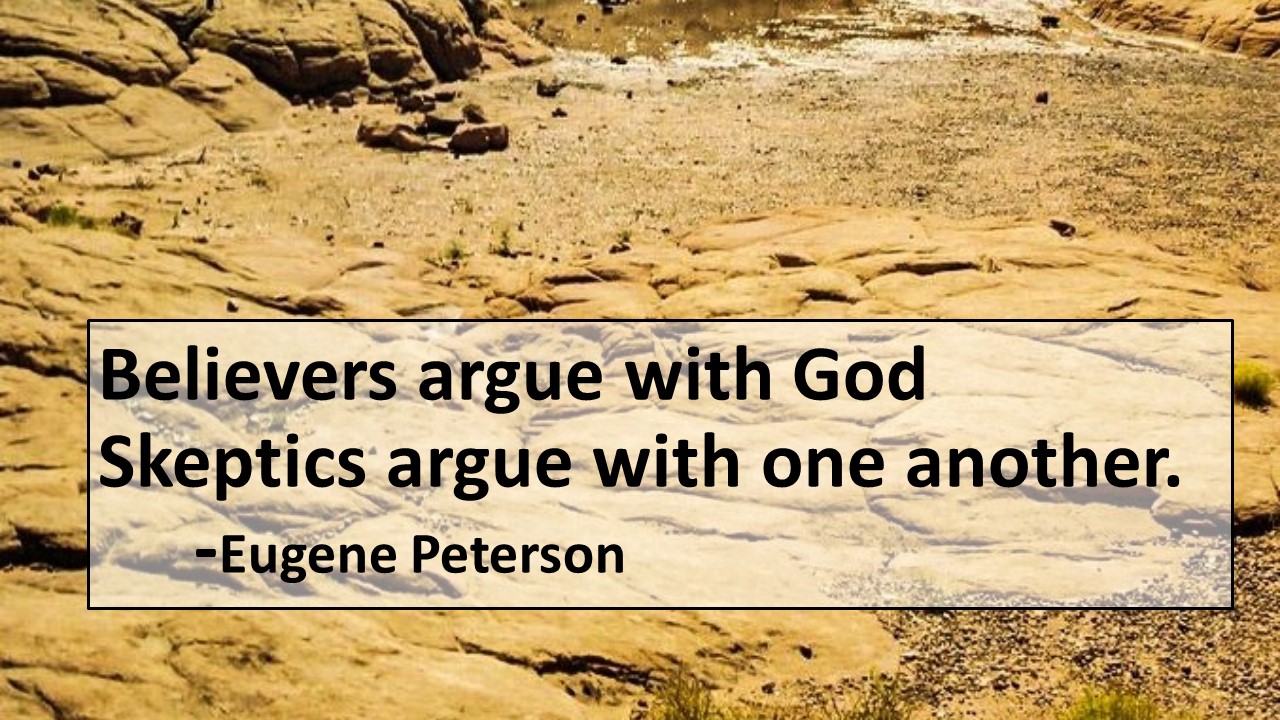 In this chapter of Numbers, the Hebrew people are in a crisis. They are in the land between, a hostile place between their former lives as slaves in Egypt and their promised future in the land of milk and honey. But they haven’t yet arrived and, in this in-between land, God forges them into a nation. They learn about temptations. In the last two weeks, we saw how it’s easy to be greedy and to complain in this land. The people’s complaints demonstrate their lack of trust in God. Moses, caught in his own land between, is being pulled apart by a grumbling people who want him to do their bidding and a God who expects him to lead the people. Although Moses also complains, he takes his complaints to God. “Believers argue with God,” I quoted last week, “skeptics argue with one another.”
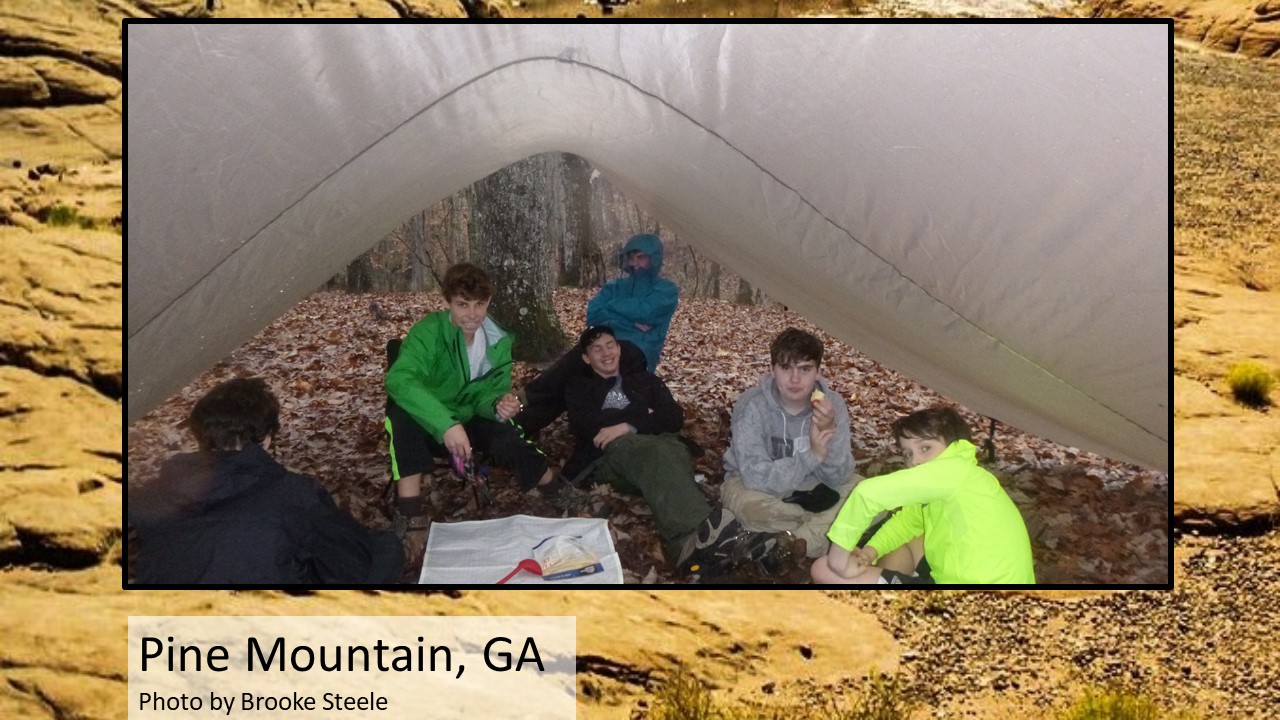
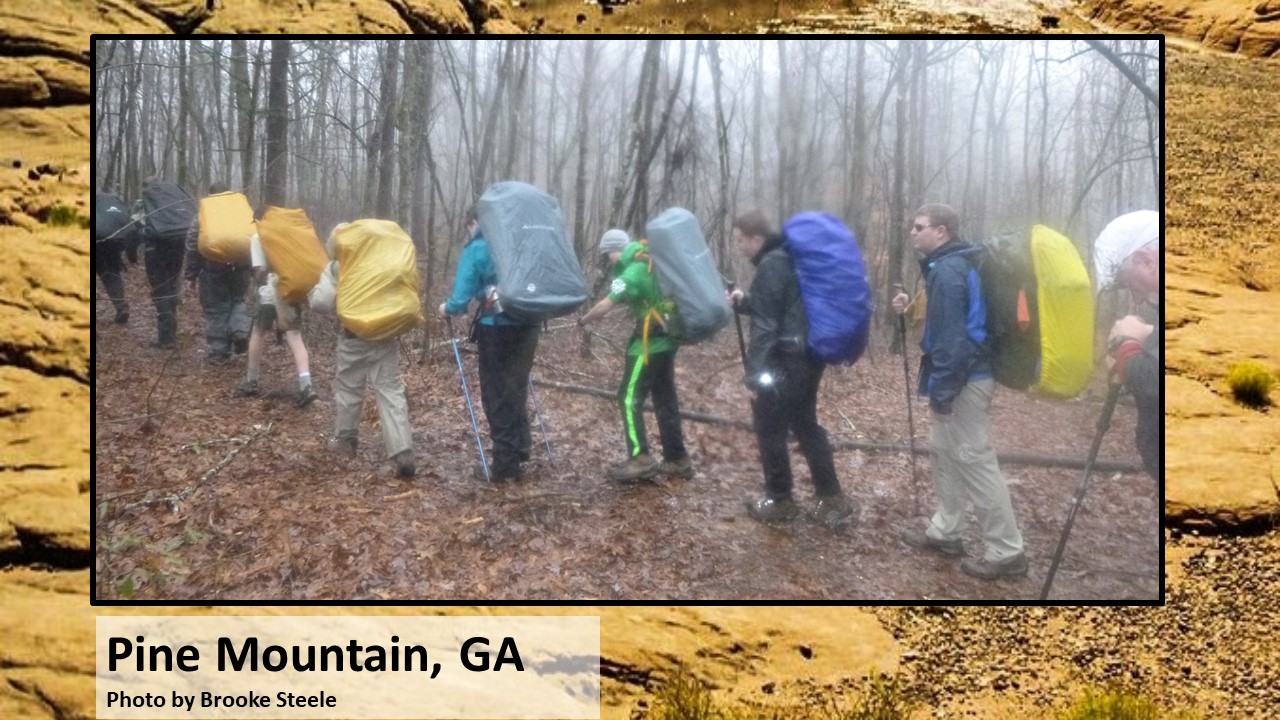 My first patrol leader was Gerald. He always seemed so mature even though he was probably 14 when I was 11. It rained on our first camping trip. That night Gerald gave his tent to two boys whose tent was flooded. Gerald said he would sleep in their tent. “Wow, this guy cares about us,” we thought. Of course, he was partly guilty for he suggested our tents to be lined up in a straight line and equal distance from one another. This one tent happened to be in a low spot. The next morning, Gerald was up early, helping build a fire. He was full of energy for one who had slept in a wet tent. We later learned he slept in the scout trailer which was even drier the rest of the tents.
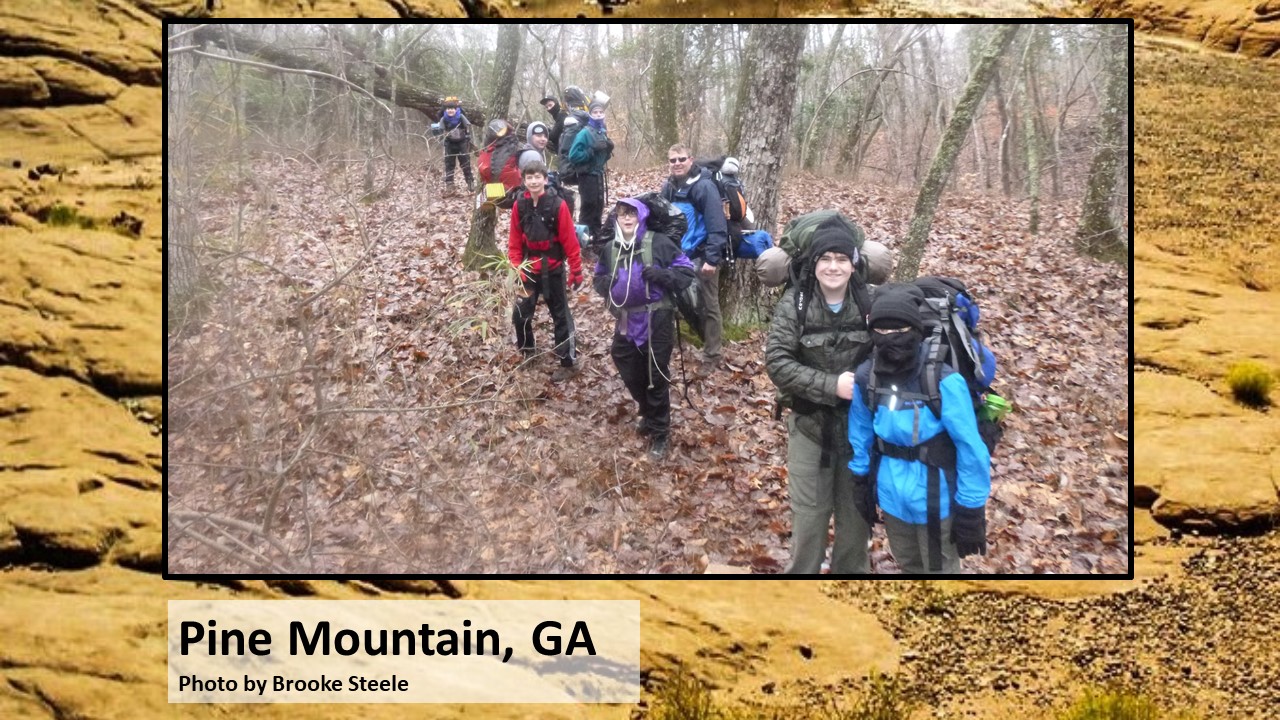 In our text today, we see God answering Moses’ pleas for help. God consecrates leading men of Israel. They’ll serve essentially as patrol leaders. Moses, with only his brother Aaron to help, has become weary by attempting to take care of everyone’s needs. Moses is like a scoutmaster without patrol leaders or an army general with no junior officers and no NCOs to implement the plan. To address Moses’ weariness, God has Moses pick seventy leaders from among the people and then takes some of the Spirit that was on Moses and gives it to those seventy. A new generation of leadership is established. This is the way the scouting program works. Those in leadership positions are constantly training new ones as younger scouts slowly take on the responsibility of the troop. And it’s the way the church is to work. As new leaders are elected, they are ordained by the church with the older leaders laying their hands on the new as a sign of ordination.
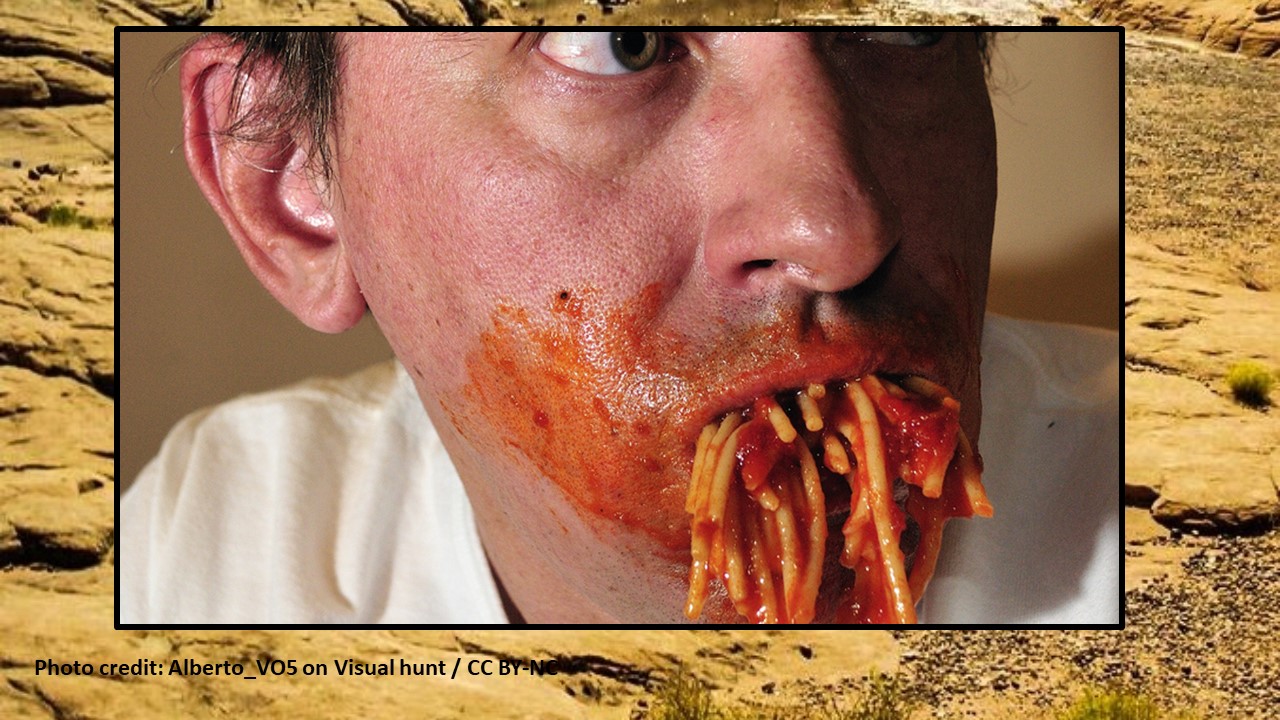 The people who have been complaining will also experience God’s answer to their prayer. Moses is to have them to get ready. They’re going to be eating meat! Of course, because they haven’t trusted God, they’ll eat so much meat they will get sick of it. It’ll be coming out of their nostrils, which isn’t a very pleasing picture. They had thought God had brought them into the wilderness in order that they might die, but now they’ll once again experience God’s power. God is able to answer their prayers and, in this case, will answer it in a way that they’ll wish God hadn’t.
 You know, it’s amazing I still love peanut butter. One day, when I was in the second or third grade, I was hungry after the academic rigors of the classroom. I came home from school and went into the kitchen in search of nourishment. I spotted a large jar of peanut butter, a three pounder. It’d just been open. It was full. Seeing no one around, I unscrewed the lid and dug out a finger-full. I licked it off my finger. It was so good! Then went for another scoop. I bet none of the Scouts have every done this, have you? About the point that I had dug out a second finger full of peanut butter, my mom walked into the kitchen and yelled a few chosen words that I had not known were in her vocabulary.
 When we are in the land between, there are plenty of opportunities to experience and learn from God’s graciousness. This is true for our scouts and all the rest of us, for we are in the land between, often, throughout our lives. We are all on a journey to a promised land, to the promised kingdom, to the heavenly banquet. And along the way, we should learn what we can. Amen.
 Jeff Garrison
 Last week, we saw how the “land between” was a dangerous place. Not only are there the obvious ones. For the Hebrews in the wilderness, such dangers included thirsting, starving, or dying by snake bite. For us, the dangers may be an illness, financial ruin, the loss of a relationship, the death of a loved one. These journeys are stressful. Israel had been called into this place by God, who is trying to teach her to trust him. But what if God doesn’t show up one day? What if God doesn’t provide? Of course, because God has called them into the wilderness, they should trust the Lord. So for two years, they have been trusting God for daily food and during this time, God has not failed them. This leads to the second danger, which we saw last week, which occurs in the land between: complaint. Instead of being grateful, the Israelites become greedy. They bicker and grumble about the quality of food. Such complaints fires up God’s anger, forcing Moses to intercede.
 This week, our text focuses on Moses. He’s the leader of these bickering people. Moses is in his own “land between.” He’s caught in the middle. God is on one side and an ungrateful people on the other. It’s a lonely place. All those complaints are getting to him. He can’t please the people. God wants him to be the leader and the people just want him to do their bidding. He’s God’s servant, but the people are looking at Moses as if he’s their errand boy. 1400 years later, Jesus will remind us that we can’t serve two masters.
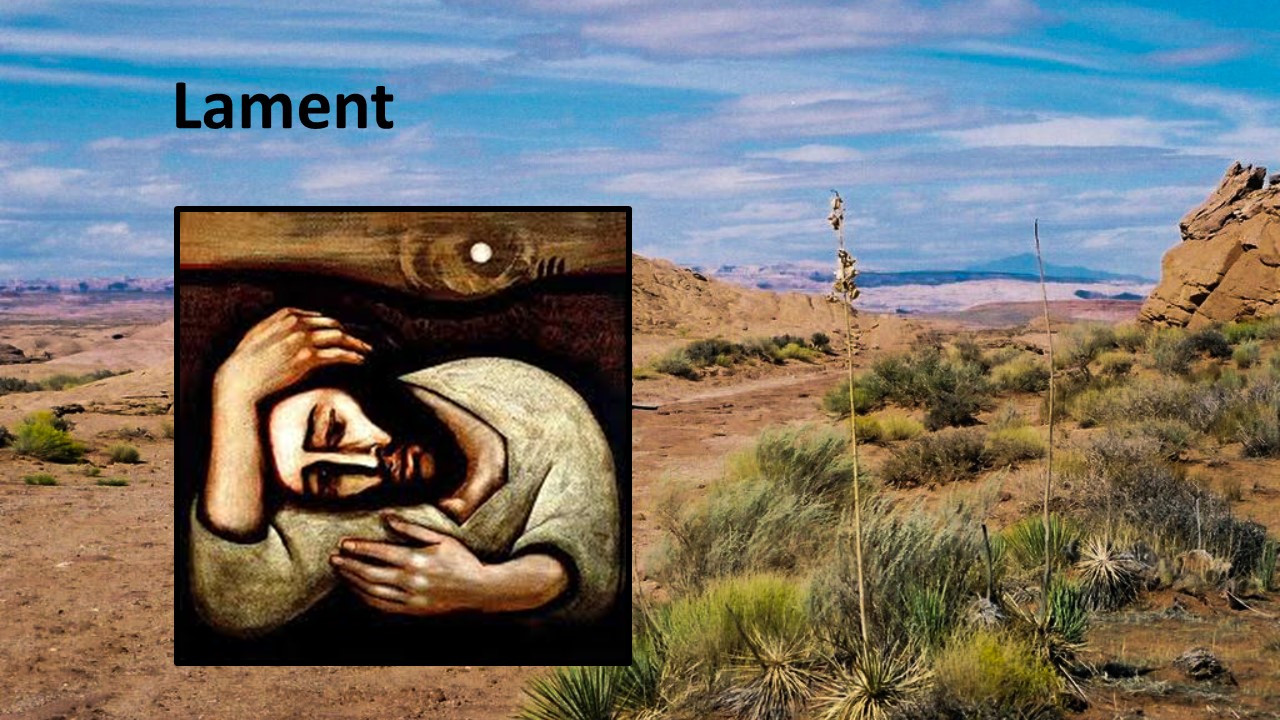
 While we are not told that Moses contemplated suicide, we do witness in today’s text that he’s ready to die. He has certainly thought about death. It seems more desirable than continuing to live in the desert where life is hard enough, but is made unbearable by a bunch of whiners. Death seems better than to live in the middle and be pulled into two different directions at the same time. Moses has had enough. I like how The Message translation handles Moses’ complaint to God:
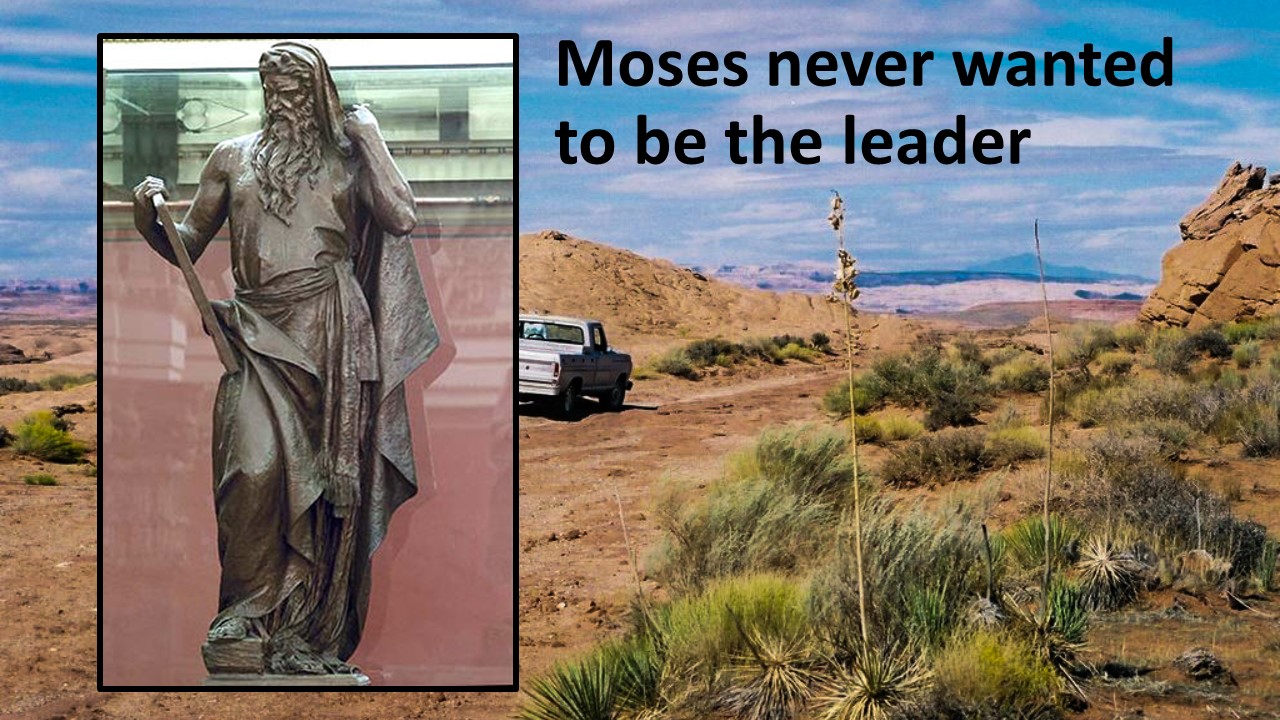 In addition to leadership being hard, often leadership is thrust upon people. Moses never asked to lead Israel out of Egypt. If you remember, he begged God to find someone else. He came up with all kind of excuses. “Lord, they’re not going to believe me.”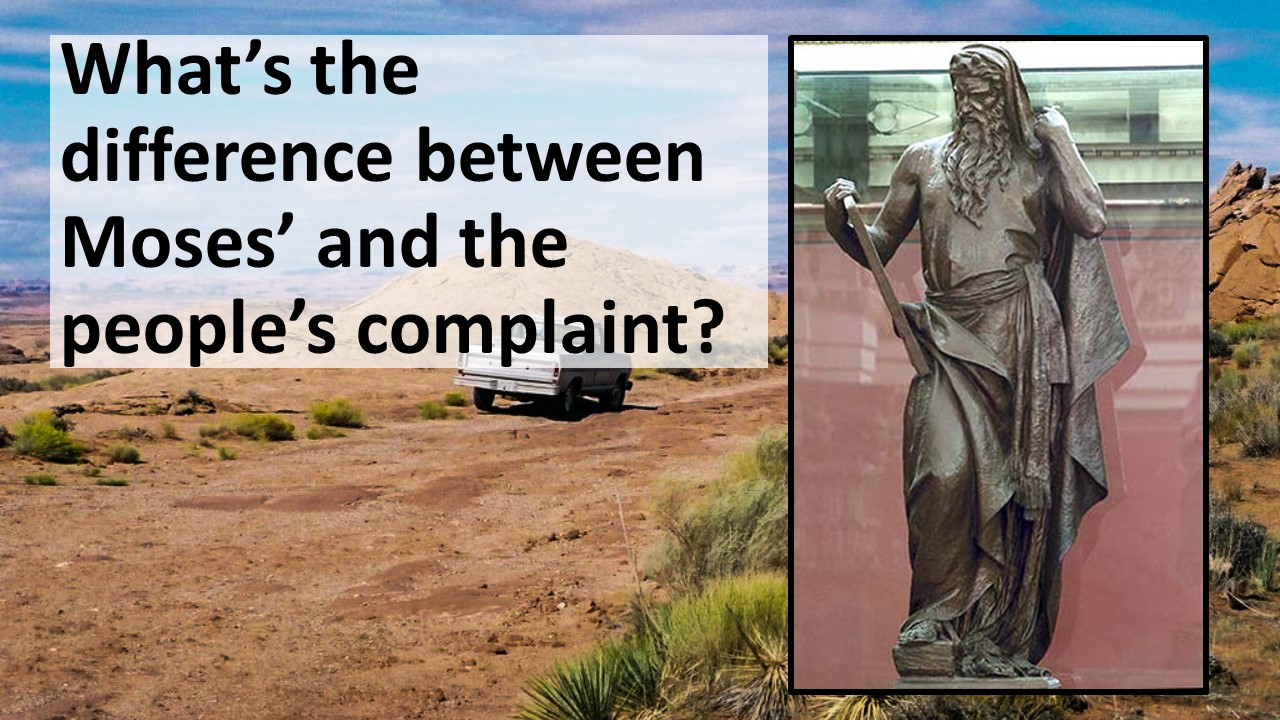
 Billy Beasley, The Preacher’s Letter. (Little Elm, TX: eLectio Publishing, 2018), 265 pages
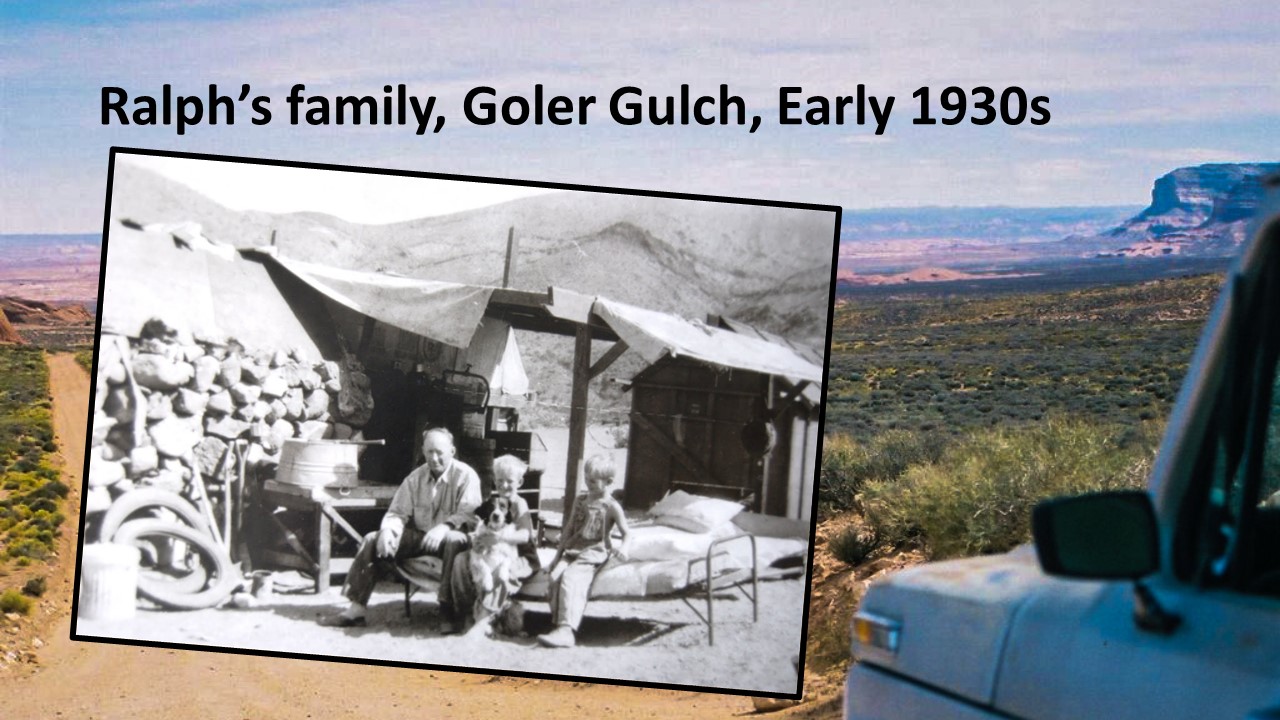 Ralph grew up in Goler Gulch in the Mojave Desert. He escaped that hard-scrabble life thanks to the Army Air Corp, spending the final few weeks of the Second World War in the Pacific. Afterwards, on the GI Bill, he earned a chemistry degree, but having grown in a mining camp, he remained interested in the industry. Because of this, he took a special interest in my dissertation on role of the church in the Nevada mining camps.

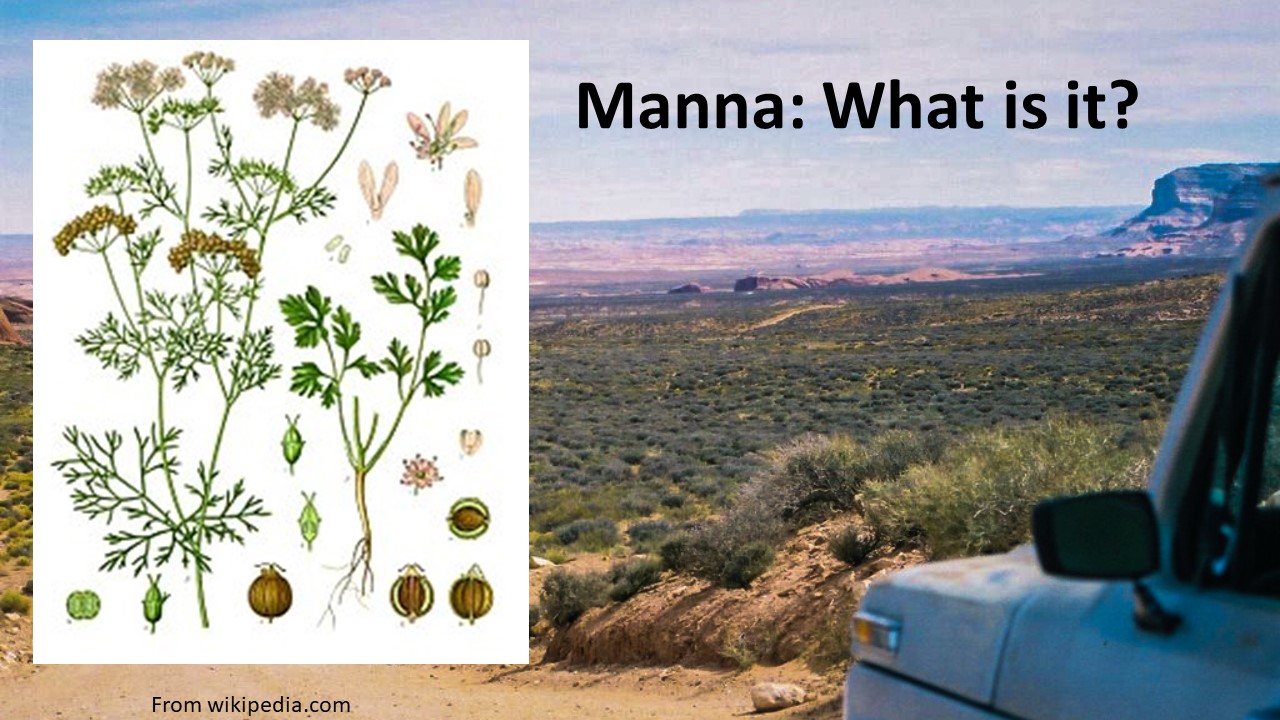 In the Book of Exodus, we’re also told more about manna, the collecting and gathering of this substance. The word manna means, “What is it?” Both books tell us it tasted like coriander seed.
 It sounds like I justified Israel’s anger over their diet, doesn’t it? Certainly, it is not anything we would want to endure, right? But the point is that at some time or another in our lives and in our Christian journey, we’re going to be in the Land Between. We are going to be at the point in which all seems old and bland and that all there is to do is to wait. At such a time, we’re going to think like me in O’Hara: “how much longer can I endure this boredom?” Instead, I should have been thankful I was safely on the ground. It’s easy for us, like Israel, to fall into the trap of complaining. “Oh great, manna again.” Like Israel, it’s easy for us to start blaming. “Moses, why did you bring us out here, we had plenty to eat in Egypt? Did you bring us out here to die?”
 Hear this, the Land Between can be a dangerous place for our souls. As we transition to a new normal, we have to guard our hearts against the spirit of despair. If we go down the direction of despair, we easily end up believing that God is not good. Then we become bitter. Or we give up on God. Instead, we need to be patient and believe that God is preparing us for something better.
 When we enter this Land Between (which we must all travel sooner or later—as individuals and as a part of the communities in which we live), we must look around and give God thanks for the blessings we enjoy. We must be content and patient. We’re Christians, we should be the hopeful ones in the crowd. Israel should have been thankful they were no longer enduring the whips of their former masters and that, even in the wilderness, God was providing for their needs. In the wilderness, where God was actively working to forge them into a new nation, God sustain them. And God will sustain us.
 When you enter a period of transition, don’t be like Israel. Believe in God. Trust in God. Give thanks for that blessings, however small they might be, that you have been given. And wait in hope, because you have faith in God. Amen.





 Upcoming!
 We’ve just finished focusing on Jesus’ humble birth with the celebration of Christmas. Born in Bethlehem, God came into this world in like all of us. This morning, let’s for a moment contrast the humility of Jesus’ birth with a vision of God from the 29th Psalm. This Psalm, which lifts up God’s glory, orients us to the proper way to approach God. In God’s presence, like the wise men and shepherds, we can only stand in awe.
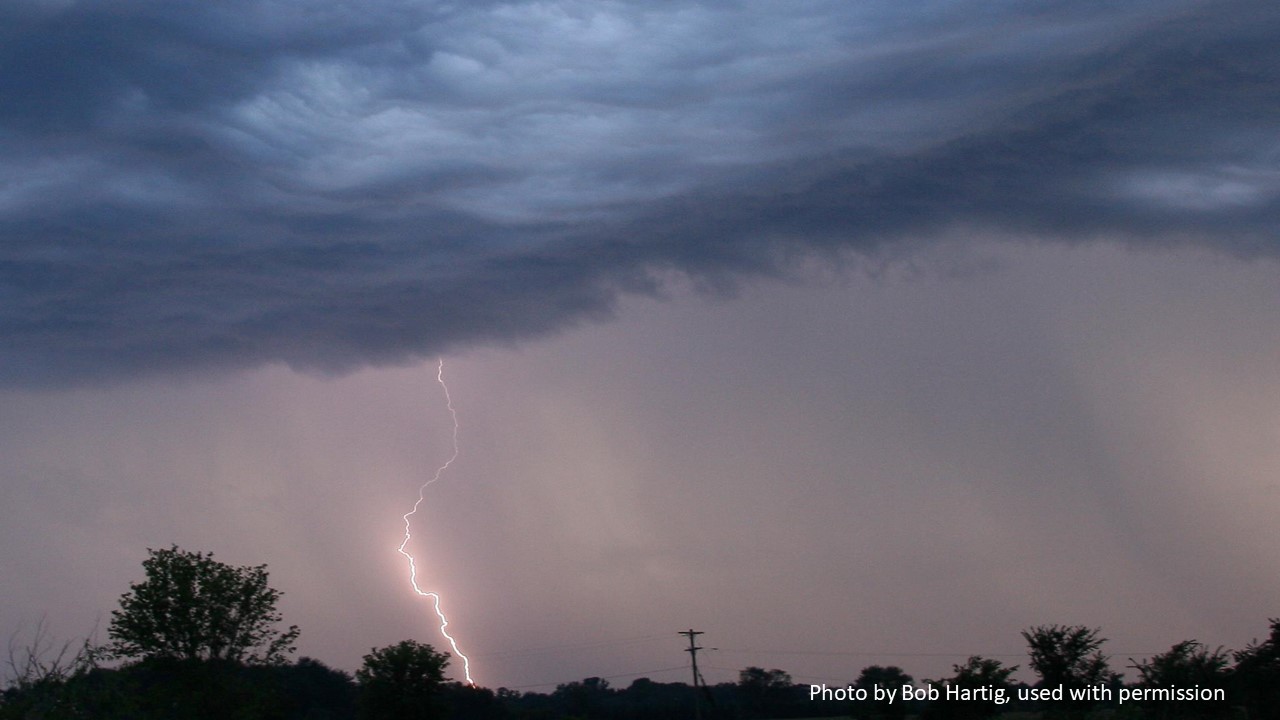 There is nothing like an electrical storm to remind us just how our lives are fragile. I’ve been caught in many such storms: hiking in the forested woods of the Appalachians, backpacking above tree-line in western mountains, in a boat offshore of North Carolina, paddling a kayak in our sounds, and even once—as a kid—playing golf with my grandfather on Pinehurst #2.
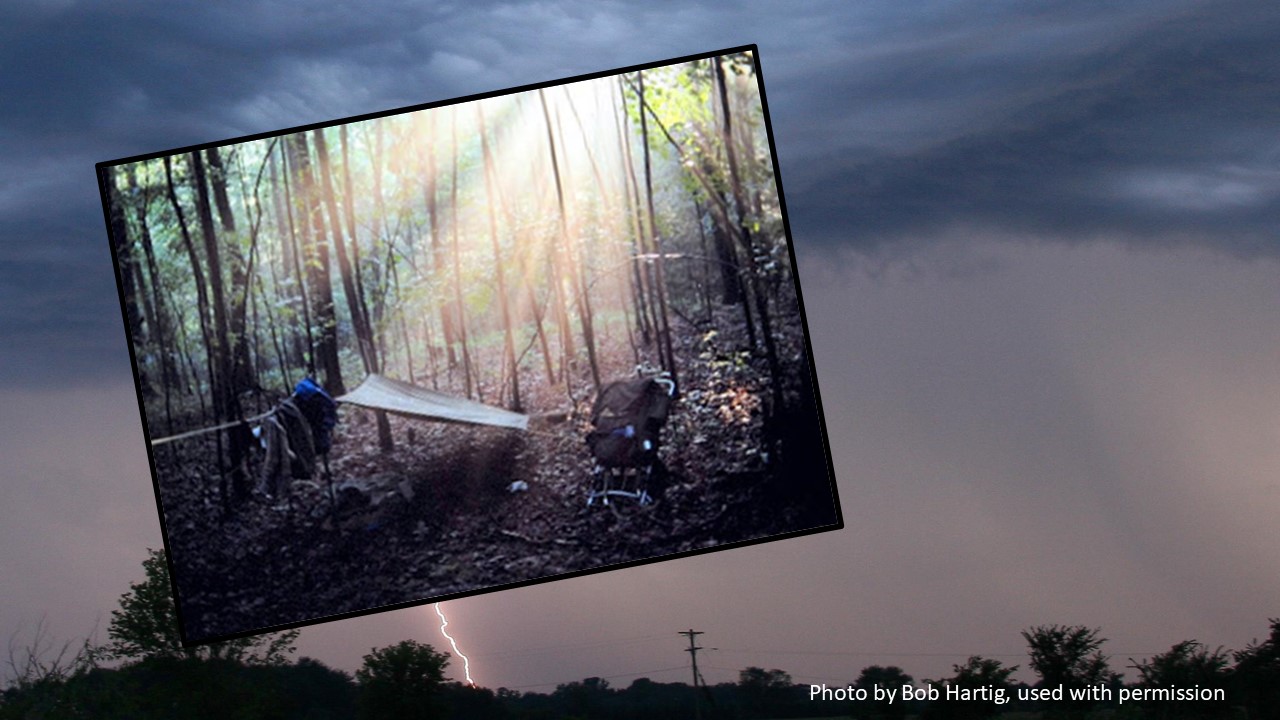 As the storm moves off eastward, each boom of thunder is a little less intense. It’s hard to tell when the rain stops as the leaves keep shedding their water a good thirty minutes after the storm has past, even after rays of sun break through the canopy, which provides another glimpse of awe. In a few minutes, the storm seems to be a distant dream. In camp that evening, you build a fire and attempt to dry out socks and boots as you discuss shared experiences. Everyone was scared, but are glad to have gone through it. Storms are awe-inspiring.
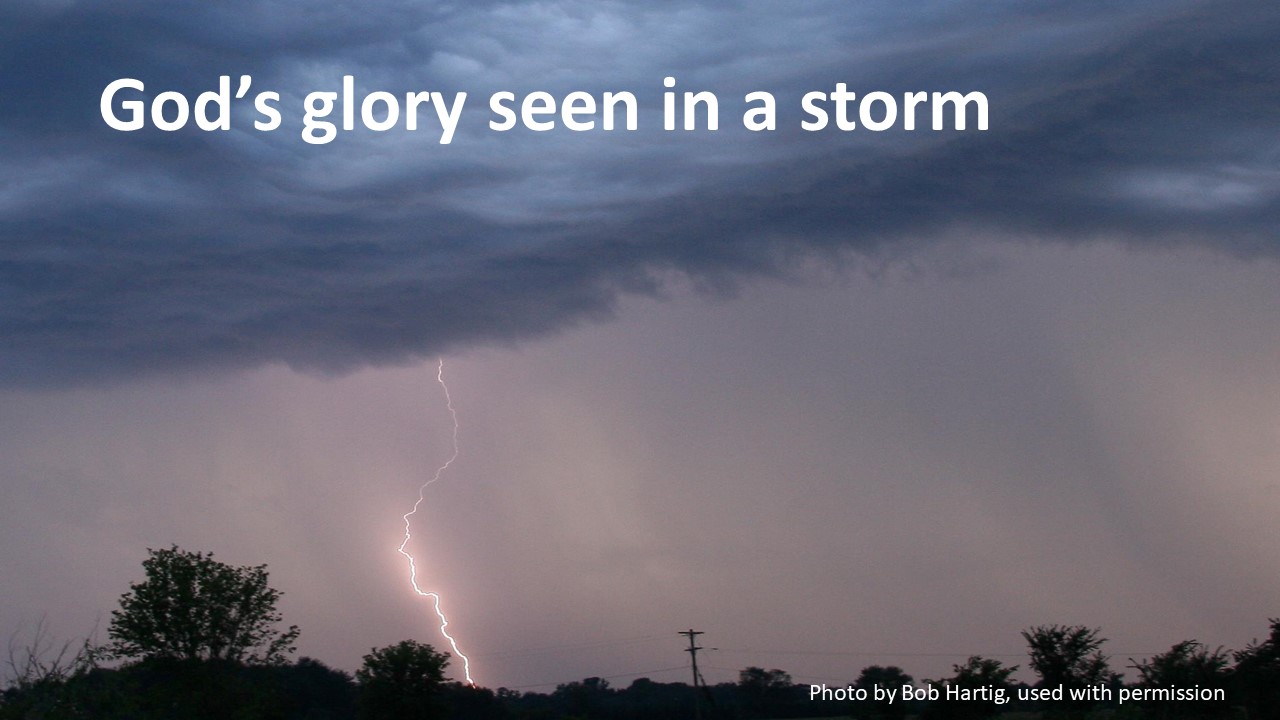 I love this Psalm! We live in a narcissistic world, yet the Psalm reminds us of our limited abilities. In the face of such a storm, in the presence of our God, all stand in awe. The power of this Psalm drowns the choruses of “me, me, me” and “I, I, I” that dominate the sound waves of our lives. We can’t think too much of ourselves when we truly contemplate the power and the glory of our God. When we truly consider the omnipotence of God, a God shown in the 29th Psalm to have power over creation, we are left nearly speechless. The majesty of God drives us to our knees.
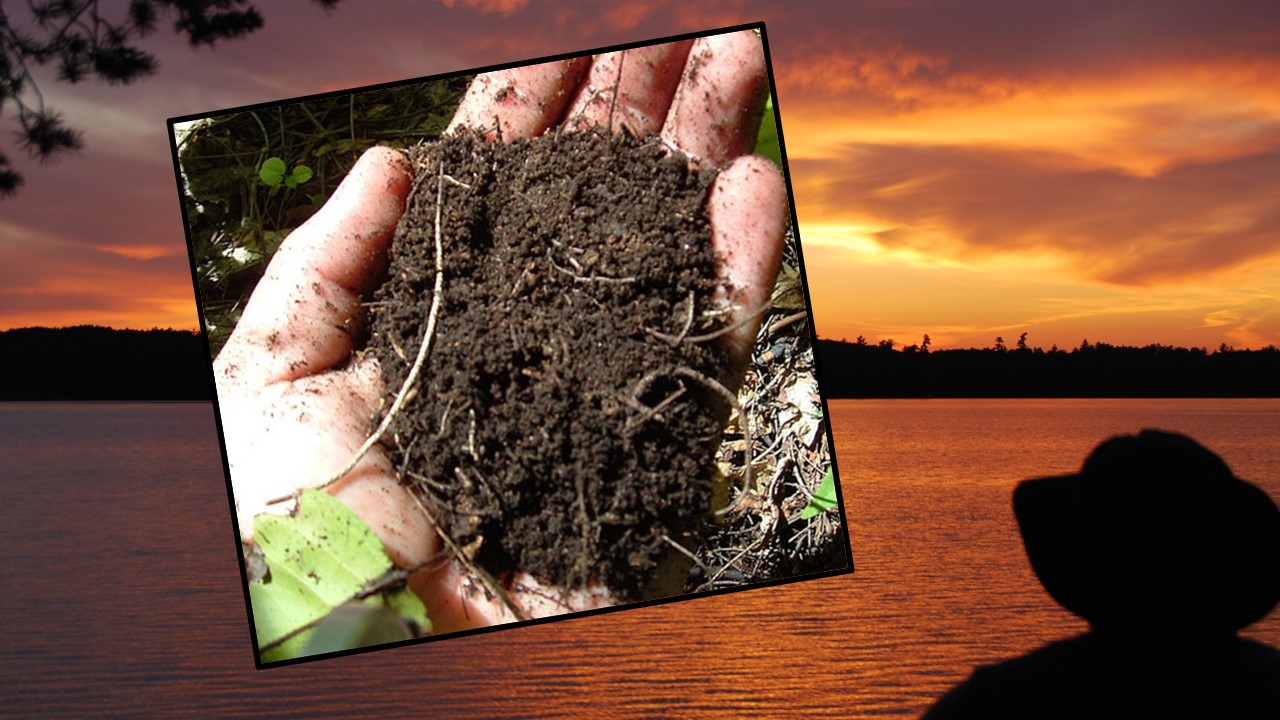 I may have told you before about the cocky scientist who thought it wouldn’t be too hard to create a human being. If God could do it, he could do it, or so he thought. So God issued a challenge. He accepted. On the day of the event, the scientist went down to a creek bank and dug out clay and rich dirt. He then began to mold it into a body. It was looking pretty good. But before he could try to blow life into his body, a lightning bolt shattered this creation and a voice from heaven boomed, “Hey you, Mr. Scientist, go get your own dirt.”
 You know, we are all on a journey in this world. We are here for only a short time. And while we are here, God has something for us to do. We refer to this as our calling and those of us in the Reformed Tradition understand this calling to be more than just what we do within the church. In fact, worship is more than just what we do here on Sunday morning. Our whole lives are to glorify God, so our vocation—whether in the church or in the secular world—is important to God and the furthering of his kingdom.
 On Monday, in our Calvin January Series lecture, some of us were blessed to hear Dr. Jimmy Lin talk about the “good news” in the battle against cancer. Those who heard the lecture may have been shocked that before Lin talked about cancer, he discussed his relationship to God, referring to himself as a “scientific doxologist.” As you know, the doxology is a praise of God. Dr. Lin suggested that the most important thing for all of us to do is to praise God. In other words, we are all called to be a doxologists. Yet, we live out our lives in different ways. He is a scientist, so he calls himself a scientific doxologist. When we all think of the labels we place on ourselves for our journey through life, all of us should strive to include the title “doxologists” with our description. “I’m a business doxologist, an engineering doxologist, a banking doxologist, a lawyer doxologist, a retired doxologist, a preaching doxologist…” You get the idea, don’t you?
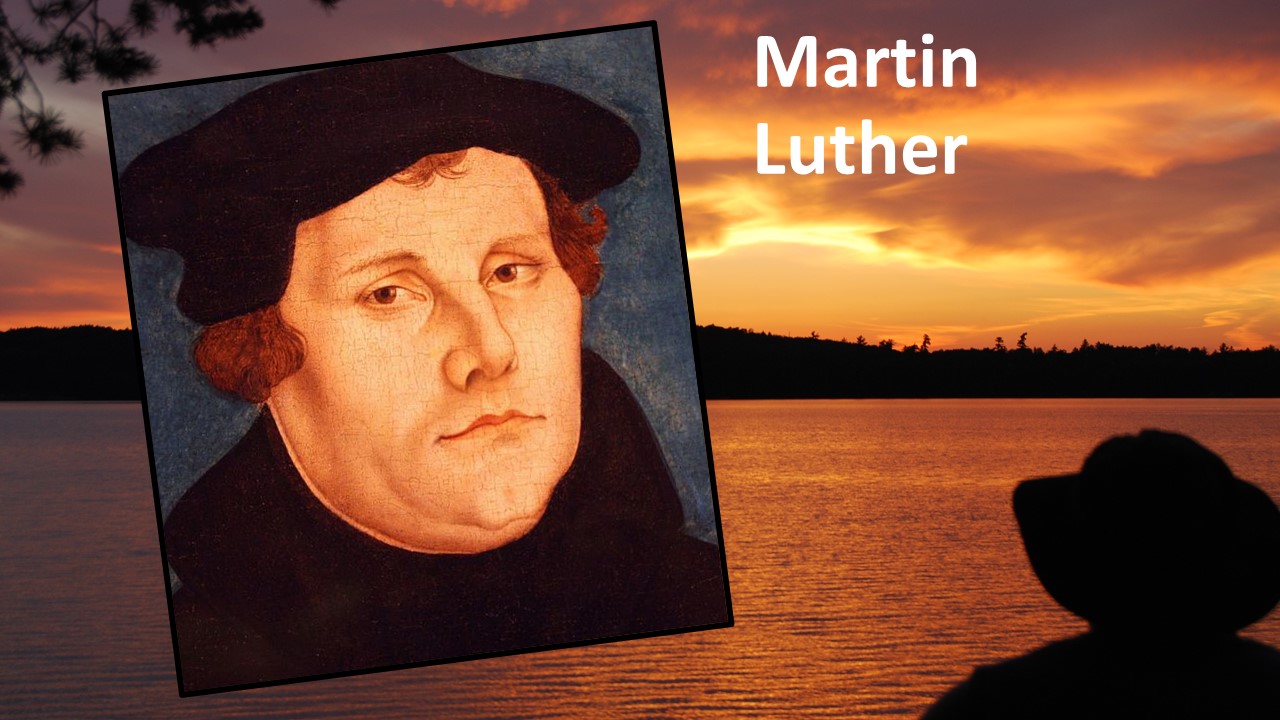 Interestingly, with all this discussion this morning about storms, Martin Luther, the great Reformer, religious vocation began with a thunderstorm. A nearby lightning strike threw him from his horse. Scared, he prayed and vowed that if saved, he would become a monk.

 Olivia Laing, To the River (Edinburgh: Canongate, 2011), 281 pages, a few black and white photos.
 Jeff Garrison
 This Sunday is Epiphany. In the Christian calendar it marks the end of the Christmas season as we see the decorations disappear. Epiphany means a surprise encounter or a manifestation of God. The root is from the Greek word for sunrise or dawn, although the word was also used in reference to an appearance of a god. In the Eastern Church, Christmas is celebrated on this day with an emphasis on the incarnation—the surprising way God came to us, “in the flesh.”
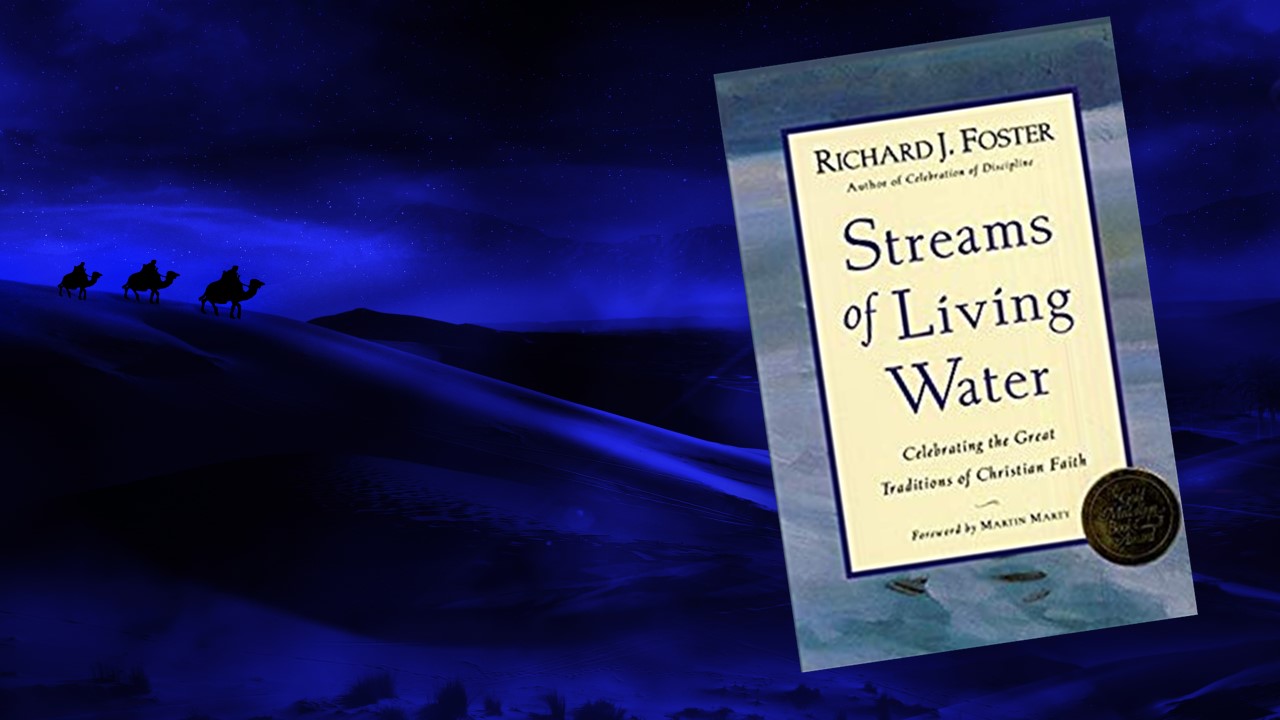 As I have done throughout this Advent and Christmas season (with the exception of last Sunday), we will look at these traditional seasonal passages through the lens of Richard Foster’s book, Streams of Living Water.
 What might we learn from the wise men’s search? They first go to Jerusalem, the holy city, a place of excitement. Herod’s there; the temple’s there. The streets are packed with pious folks carrying out the work at the temple and with pilgrims who have trekked there to worship. But that’s not where they find Jesus. Instead, they are led to a small dumpy town five miles away. A poor suburb, inhabited with shepherds and goat herders. The town supplied meat and animals for the appetites and sacrifices of those in the capital. Flashy isn’t one of God’s traits. God humbled himself by coming to us as Jesus and, I would suggest, we’ll often find Jesus in humble circumstances. To encounter Jesus, we have to be humbled. Being splashy or among those who are popular isn’t a guarantee that Jesus is present. Jesus comes to those who humbly admit their need for a Lord and Savior over their lives.
 Now let’s look at this passage from what it tells us about giving. One of the most important lessons for a Christian is to learn that giving is as much a blessing as it is an obligation. You know, we feel good about ourselves when we give, especially when we give without expecting anything in return. The wise men show the importance of giving without being asked and without expecting anything in return. If you think about it, this is a story of foreigners giving gifts to a child they don’t know. It would be like someone from Romania dropping by the maternity ward at Memorial Hospital and handing out gifts.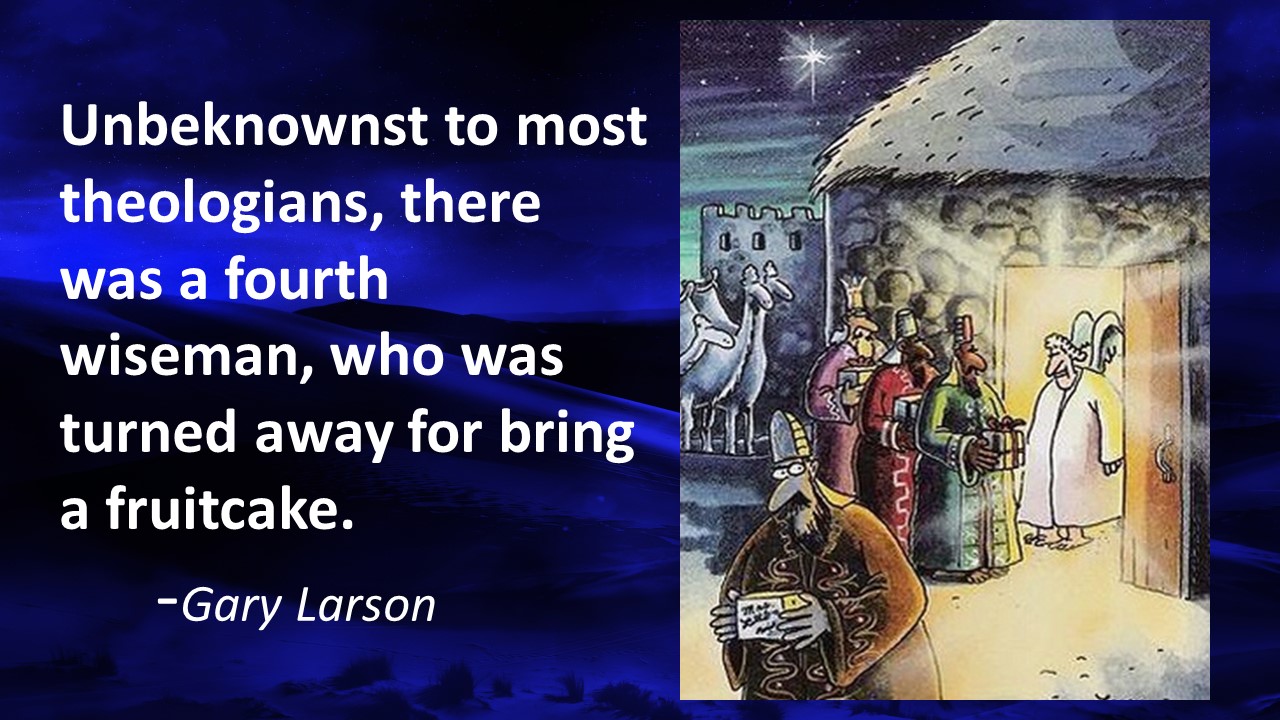
 Finally, think about the loyalty of the wise men to a higher authority. Herod provides a counter-plot to the wise men. He reminds us that even though the Messiah has come, evil remains a threat. Herod’s false humility almost fooled the wise men. But then, after being warned in a dream of Herod’s intentions, they skip out of town without letting Herod in on the secret. The wise men are a reminder that our first loyalty is to God. Although as Christians, we’re called to obey those in authority, our allegiance has its limits and our commitment to God always comes first.
 Now, let’s think of the wise men or magi in the context of the evangelical tradition. This stream within the Christian faith places a high priority on the proclamation of the gospel, the centrality of Scripture, and the confessional witness of the early Christian community.
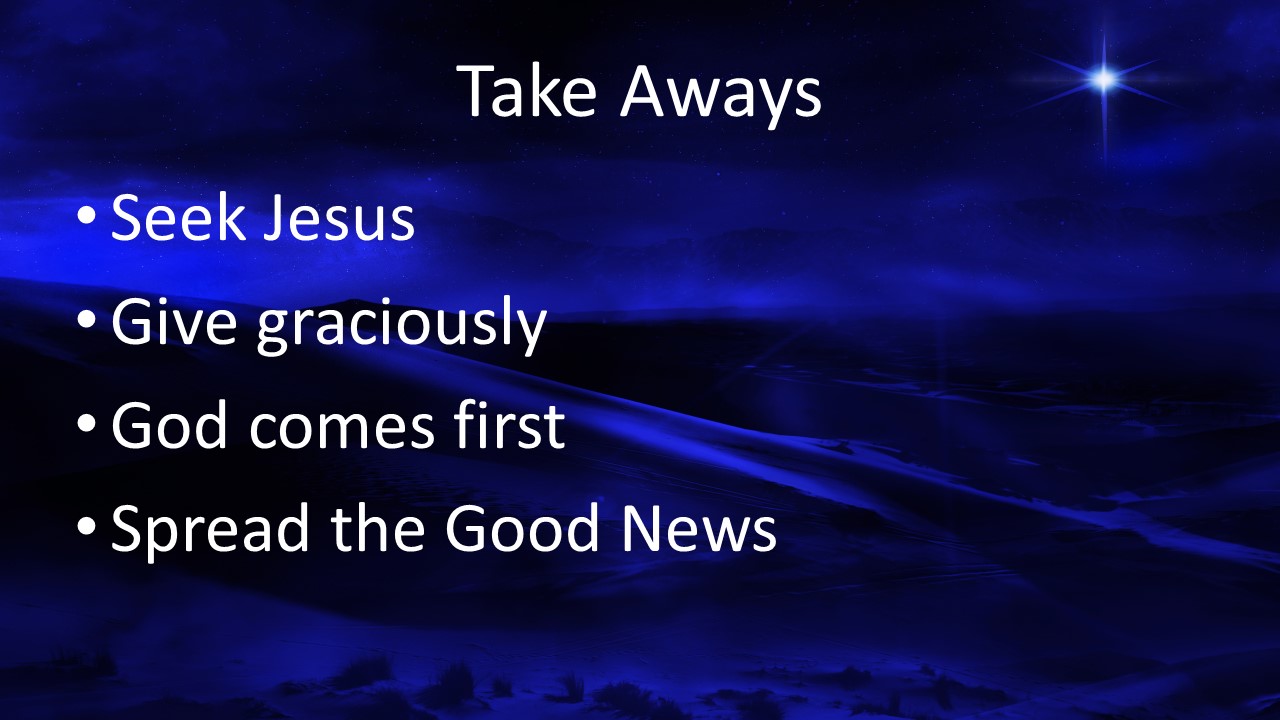 I started this sermon with three things we learn from the wise men. I am going to add one additional thing to this. There are four things that I want you to take home today and to ponder throughout the week: Seek Jesus, give graciously, know that God always comes first, and remember that we’re called to spread the Good News of Jesus Christ. Amen.