
 Jeff Garrison
Skidaway Island Presbyterian Church
Matthew 5:14-16
May 19, 2019
Over the past year, Skidaway Island Presbyterian Church has invested a lot of money along with both volunteer and staff time to help our congregation improve its technology. Last summer, we added the monitors, getting rid of the screen, that eye-sore behind the chancel that was hard to see. We also added cameras to record the service and other events held in our sanctuary. Then we started streaming our services over the internet, which is popular among those unable to make it to church because of traveling, being home bound, or in the hospital.[1] We’ve even offer a way to give online. All of this is a way to help us better connect to our community. Let me now put a plug in for a discipleship opportunity: we are always in need of people to help us with this ministry. If you would like to volunteer, speak to one of the volunteers in the sound booth or see Jim Brown or me.
Our world is changing. We are more mobile. We are living longer and the last years are often more restricted. As a congregation, this investment helps us continue as a beacon of hope in a dark world. After all, that’s what Jesus calls us to do as we’ll see in today’s reading. I am going to take a break from working through the resurrection passages in 1 Corinthians and look at some Jesus’ thoughts from the Sermon on the Mount.
 The Sermon on the Mount begins in the fifth chapter of the Gospel of Matthew and continues for three chapters. We’re told Jesus is on a hill and the disciples and other followers have gathered around him. He begins teaching with a series of nine beatitudes: blessed are the poor in spirit, the meek, the peacemakers, and so on. Then, there’s a bridge between the beatitudes and the commands that fill out his sermon. This is the “you are” section, from which we will read today. There are two “you ares”: salt and light. I should also note that the “you” here is plural. Jesus is saying, “You folks,” or as we say down here, “y’all.” Y’all are the salt and the light. This isn’t only for individuals. This is a community task, it’s the role of the church, as we’ll see.[2] Read Matthew 5:14-16.
###
 What does it mean today to be a light to the world? And what did this mean to those in the first century?
In early 2000, I spent several weeks in Korea where I had been invited to preach and, conveniently, as my parents were living there at the time, to visit them. I was able, as the old cliché goes, “kill two birds with one stone.” I flew into Seoul at night. This was the old airport that the city had grown up around. I was shocked as the plane made a low approach over the city to see numerous neon and lighted crosses on buildings. They were all over the place. Is this what it means to let your light shine?
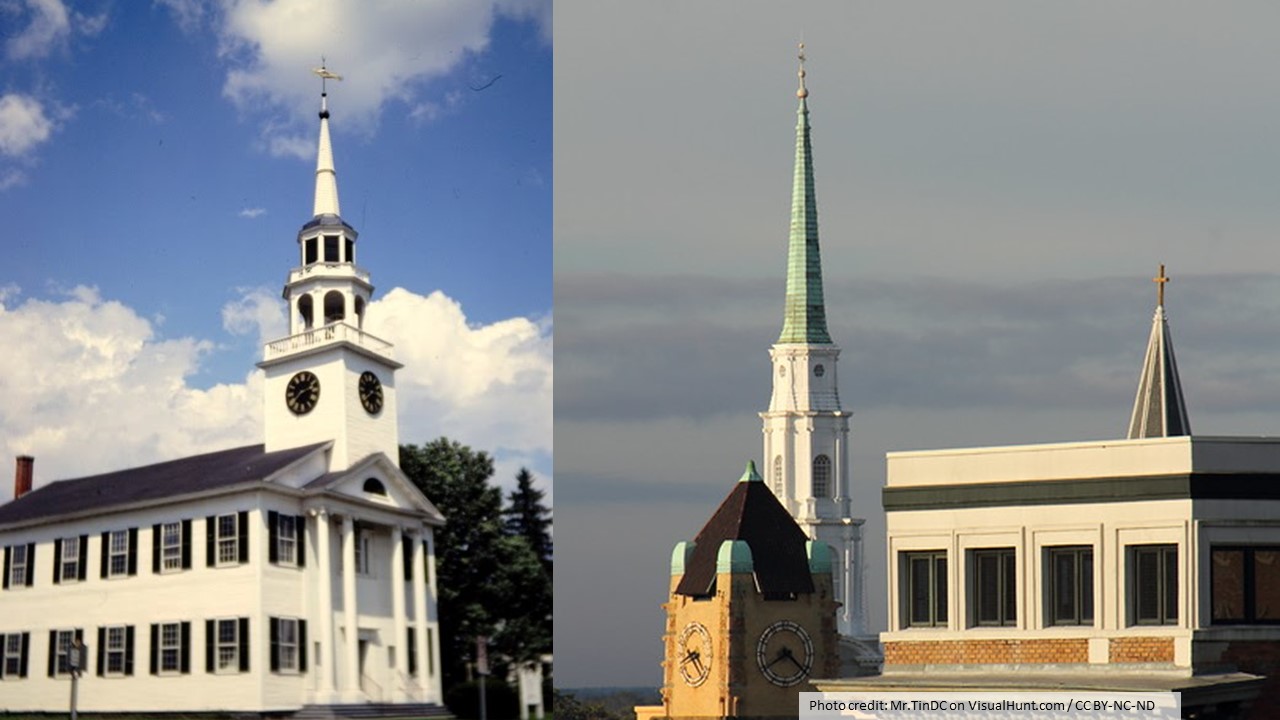 The Koreans borrowed this idea from the West. In the old villages in Europe, a church and its steeple was the center of town. You could see the steeple from far off. In America, we adopted such ideas. Consider a New England village with the tall steeple in the middle. Or look at the downtown Savannah skyline, with large steeples rising high over the trees, providing visibility and, in many cases, a maintenance nightmare. The purpose is to keep everyone mindful of the church as the center of our lives, where together we focus and praise God. Jesus talks of a city built on a hill that can’t be hidden, so if you build a city in a valley, you put up a steeple to make it more visible.
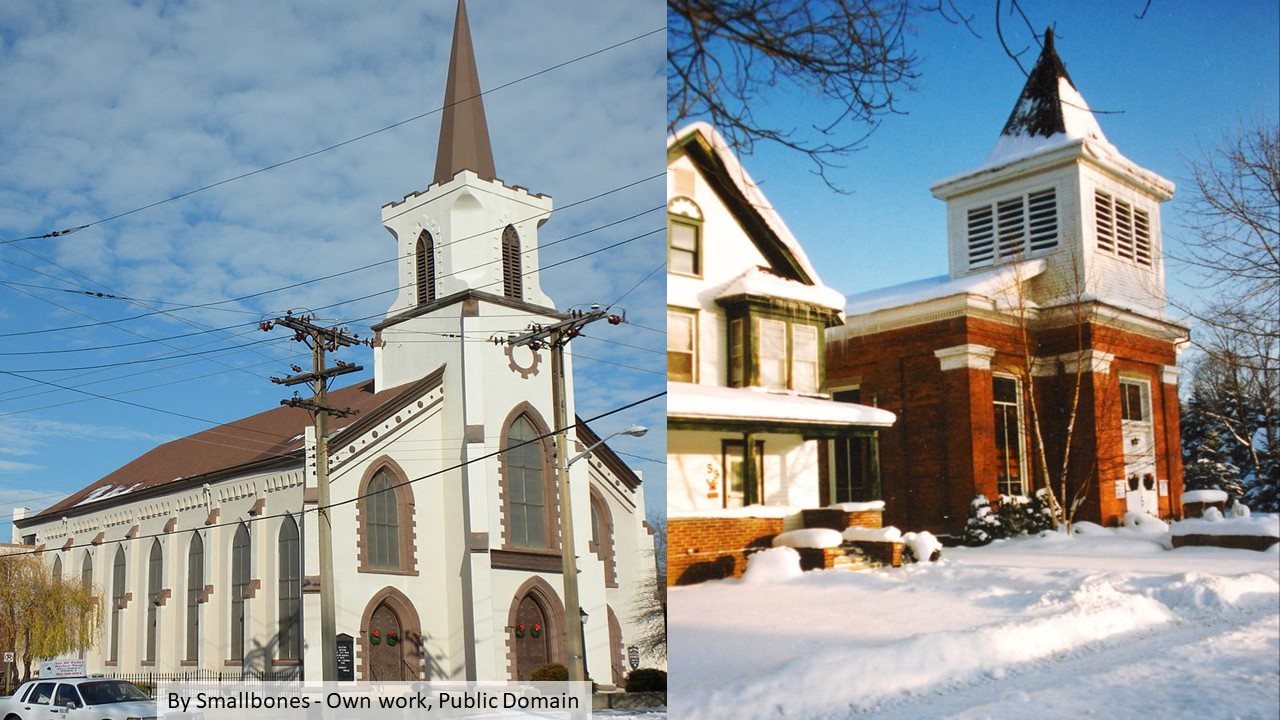 I’ve told you before about our family’s exile from North Carolina when I was 6 years old and how I spent the first three years of school in Virginia. I still remember one of the churches we attended there—Second Presbyterian Church in Petersburg. It was an old church in the downtown area that had endured much. During the Civil War, its tall steeple was hit by a Union canon ball.[3] They had a hard time with the tall steeple and after it was blown off in a tornado and hurricane, so they opted for a shorter tower. The church I served in Ellicottville, New York used to have an 80 foot spire on top of the bell tower that soared over the city. But after being hit by lightning, they opted for a stubby top. Is this the way we shine light on the world? Or, is our light through our actions?
 As I pointed out, Jesus is making a transition from the blessings he’s offered to the more instructional part of the sermon. I encourage you to read these entire three chapters to see what’s happening. In a way, he’s giving this humble and struggling collection of people a great compliment. They are to be his light in the world. God chooses the marginal. The poor and the powerless are instilled with an important mission. Jesus, the light of the world, takes such a motley group and sets them off on an important assignment. Through our good deeds (we’re a part of this group), others watch and hopefully are impressed and seek out God. They, and we, are not to do good works to be praised, but so that our heavenly Father will be praised.
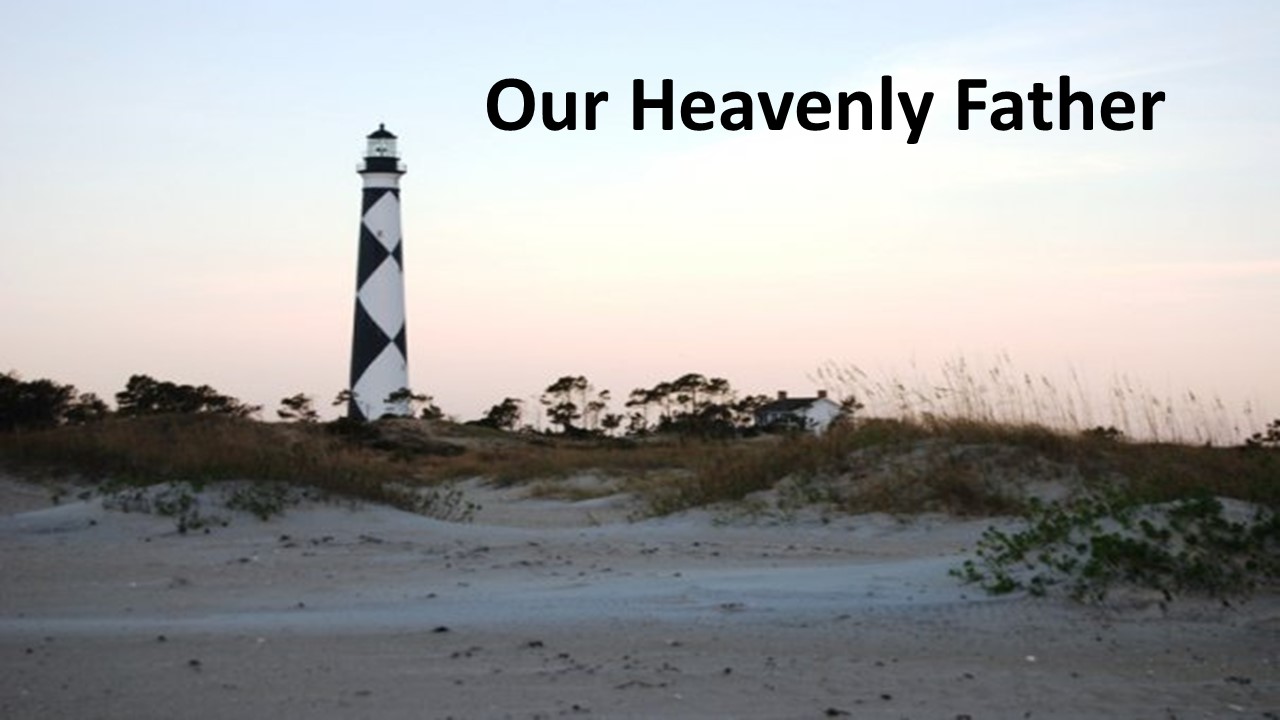 Note this: Jesus makes a point to say, “your heavenly Father.”[4] He repeats this emphasis in the next chapter in the Lord’s Prayer, where we begin “Our Father.”[5] From the very beginning, Jesus sees us as a part of his family. God is not just Jesus’ father.
So, are we a light to the world? That’s a question we should ask ourselves as I turn this sermon back to the focus of the morning—our use of technology.
 In our Old Testament reading, we hear the story of the “fall.” In the story of the Adam and Eve eating the forbidden fruit. It wasn’t that they picked a bad piece of fruit, it was that they were trying to be like God as they disobeyed a direct command from the Almighty. Much of our knowledge is morally neutral. It becomes problematic only when we use it in the wrong manner or for the wrong reasons, such as playing God. Technology is full of examples. Nuclear energy can be used to treat cancer and produce power and it can be used to blow the planet up. The same can be said for the internet. It’s a great tool for research, but we can also spread untruths and confusion. And social media, it’s a great tool to connect with others, but we can also use it to spread gossip. We can use these tools to be a light to the world or, as there’s always a downside, to cast darkness.
Jesus calls us to be a light. I pray our use of technology here at SIPC is doing that, helping us to be a light as we share the message of hope to the world. But we need to go deeper for we are all a part of this body. Because of this, we all need to take our own inventory of how we are letting your light shine? You know, if you have the church sticker on your car, it would be a good thing to be polite when you drive. Otherwise, people will have the wrong idea of what we teach in church.
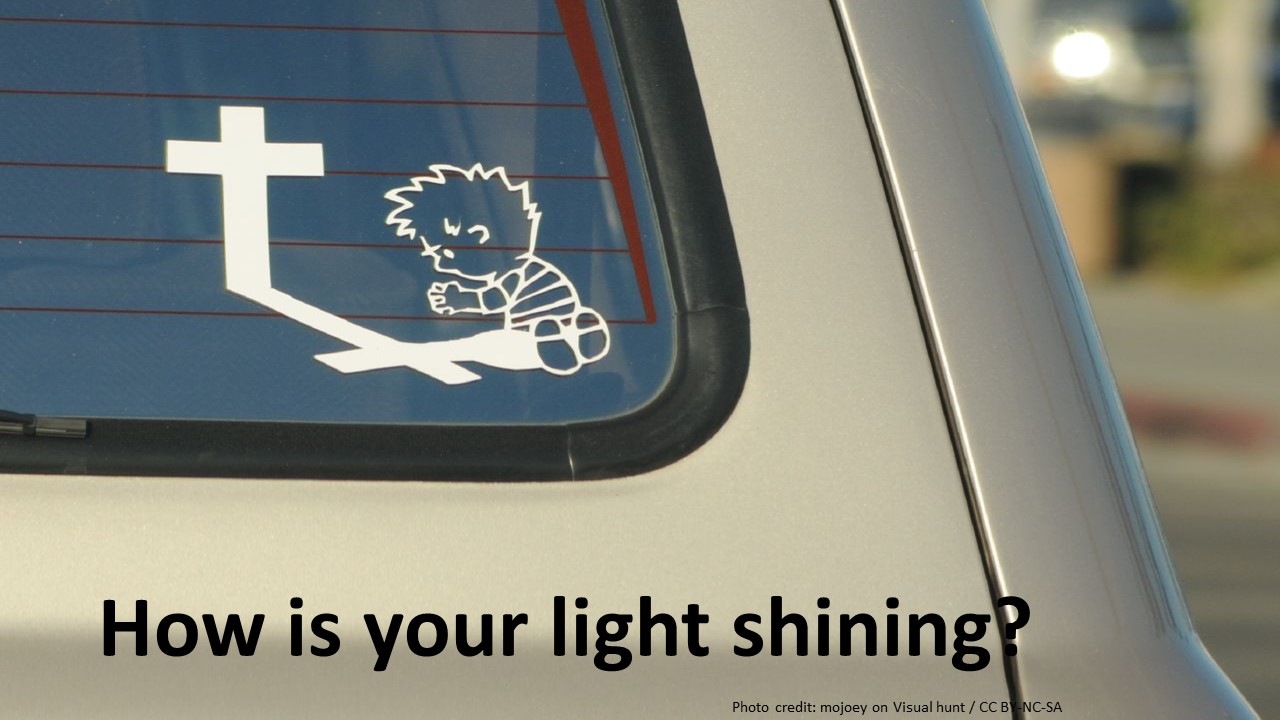 You don’t won’t to like the guy who was pulled over, arrested, and hauled off to jail for stealing a car. He protested continually. After an hour of checking his story, the police apologized. “I couldn’t believe it was your car,” the officer said. “You have all these bumper stickers about loving Jesus and following you to church. After you gave the finger, shouted obscenities, and laid on your horn at the driver who was obviously lost, I just assumed you had stolen the vehicle.”
Our actions often speak louder than our words.
If you use social media, do you use it in a way that brings God glory? Before you post something, ask if God is being glorified. You don’t have to make everything about God, but if you post or share something that is untrue or of a questionable nature, you are not being a light to the world. If you belittle those with whom you disagree, you are not being very Christ-like and your light isn’t shinning.
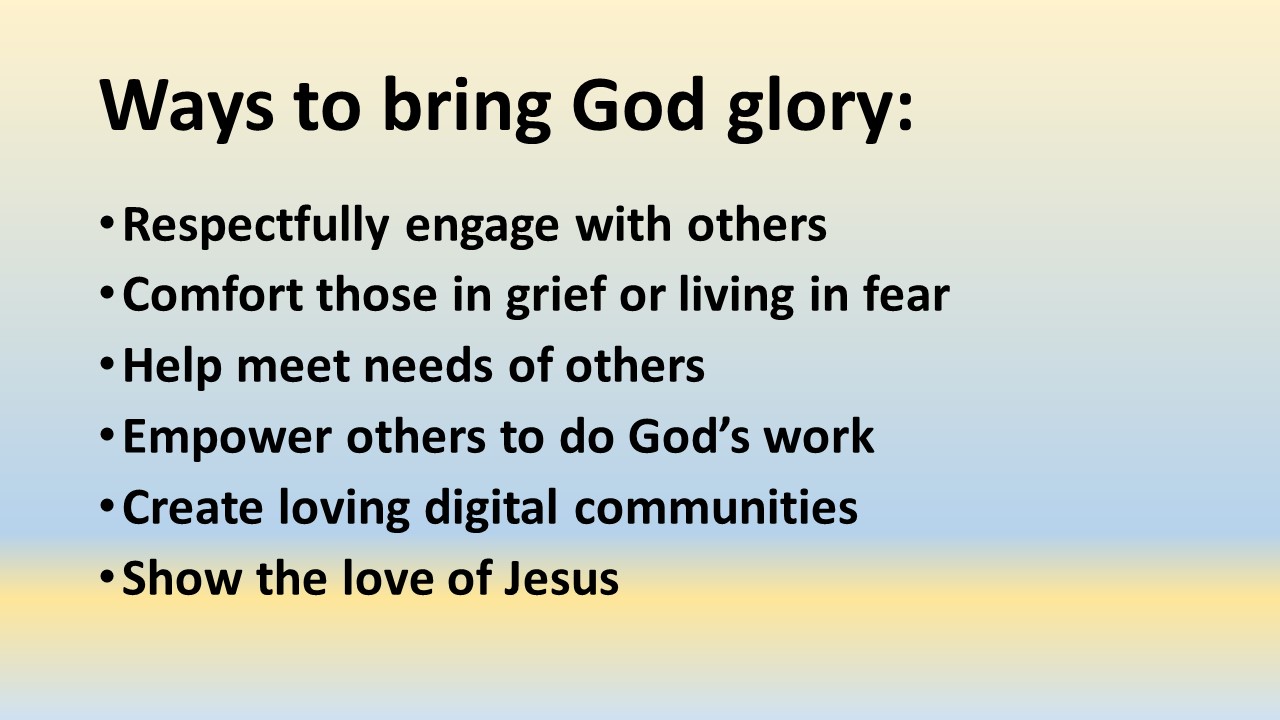 As the church enters the technological world in which we live, I also encourage you, if you use such technologies, to do so in a way that will help further our light in the world. Online, we Christians can respectfully answer questions about our faith, we can offer comfort to those who grieve or live in fear, we can help meet the needs of others, we can help empower others to further God’s work, we can help create loving digital communities, and show the love of Jesus in a compelling ways.[6]
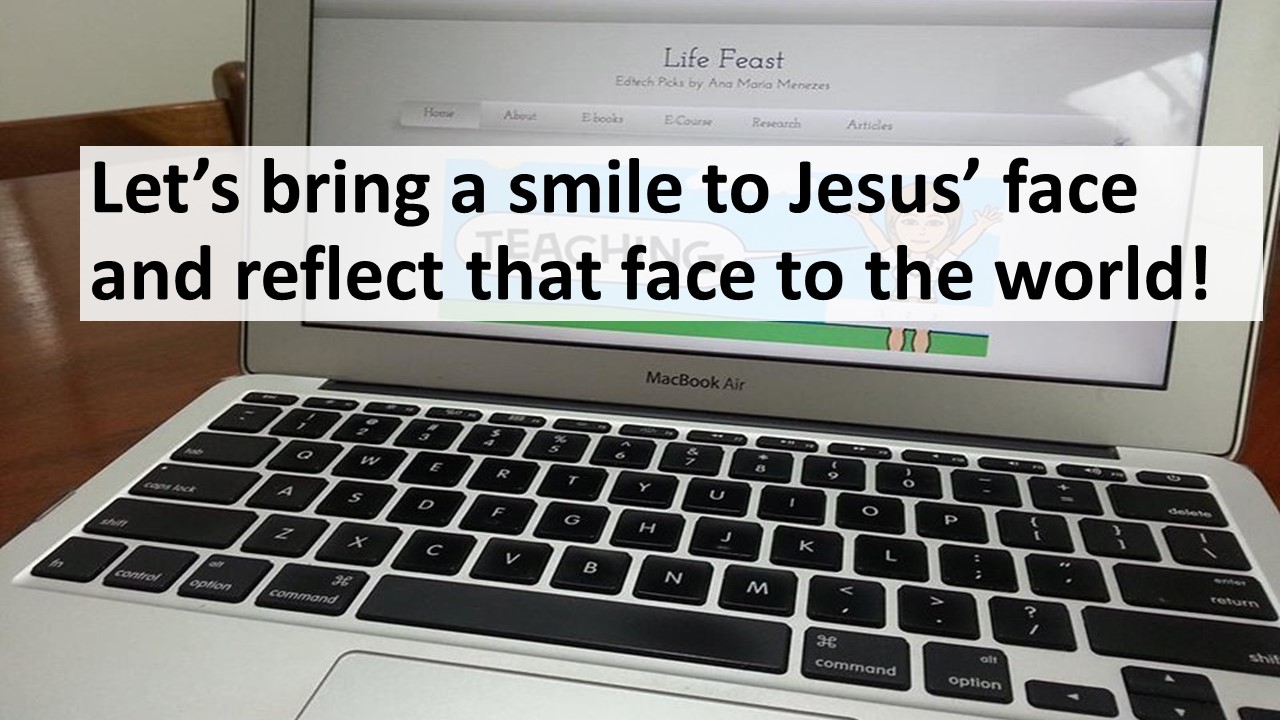 Just “liking” or “sharing” posts about our church helps us share our message with others. Don’t let this new world scare you. And there’s more you can do. Help a neighbor who is homebound reconnect with church through our streaming services. Feel free to share a gleaming you gathered from a sermon, or tell of your feelings of a piece of scripture, or how a hymn or choir anthem spoke to you. But whatever you do, do it in a way that will bring a smile to Jesus’ face and help us reflect his face in a positive way to the world. Remember, as we heard in the chancel drama, Jesus has no online presence, but yours. No blog, no Facebook page, but yours.[7] Amen.
©2019
[1] To watch the streaming on Sunday mornings at 10 AM, go to our www.sipres.org and click “watch live”.
[2] Frederick Dale Bruner, The Christbook: Matthew 1-12 (Grand Rapids, MI: Eerdmans, 2004), 192 and Douglas R. A. Hare, Matthew: Interpretation, a Bible Commentary for Teaching and Preaching (Louisville, KY: JKP, 1993), 44.
[3] This is what I remember being told as a child. For this church in the Civil War (in which it was one of two to stay open throughout the siege of Petersburg, see: https://emergingcivilwar.com/2016/12/08/petersburgs-second-presbyterian-church-and-the-final-christmas-of-the-war/
[4] Bruner, 163.
[5] Matthew 6:9ff.
[6] I modified this list from one created by Rachel Lemons Aitken, “Digital Discipleship” Ministry (May 2019), 23.
[7] This is a contemporary take on St. Teresa of Avila’s prayer, “Christ has no body:”
Christ has no online presence but yours,
no blog, no Facebook page but your,
Yours are the tweets through which love touches this world,
Yours are the post through which the Gospel is shared,
Yours are the updates through which hope is revealed.
Christ has no online presence by yours,
no blog, no Facebook page but yours..
By Meredith Gould, The Social Media Gospel: Share the Good News in New Ways, 2nd Edition (Collegeville, MN: Liturgical Press, 2015), 9.
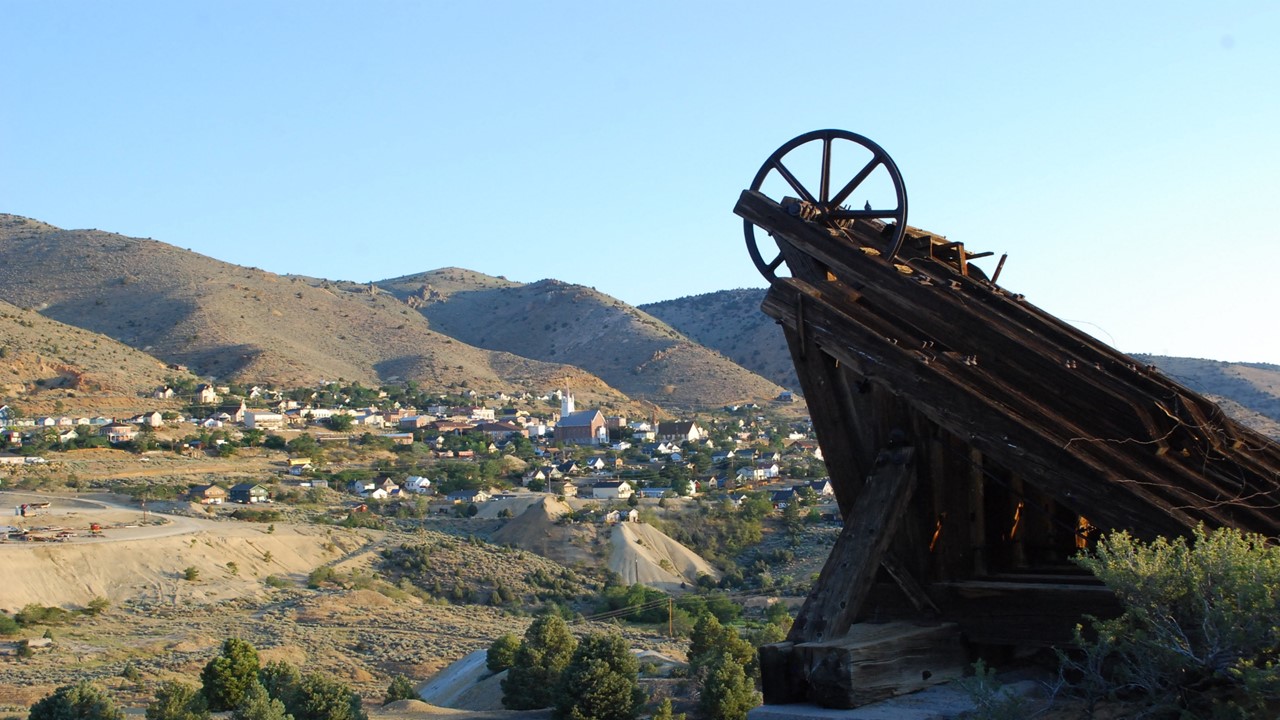 People turn to the church when there is a death because we can offer hope for something beyond our frail mortal bodies. In all the work I did on the history of Western Mining Camps, one of the surprising things I learned was how at the time of death, even people who religiously avoided the shadow of the steeple, would be brought back for a funeral. The friends of Julia Bulette, Virginia City’s most famous prostitute, sought out the Presbyterian minister for her funeral. Mark Twain in Roughing It has a wonderful tale about Buck Fanshaw’s funeral. Fanshaw, a leader of the “bottom-stratum of society” and based on a real-life character who had a relationship with Bulette, died. The local roughs elected Scotty Briggs to “fetch a parson” to “waltz Fanshaw into handsome” (their word for heaven). The dialogue between the minister and Scotty is classic Twain.
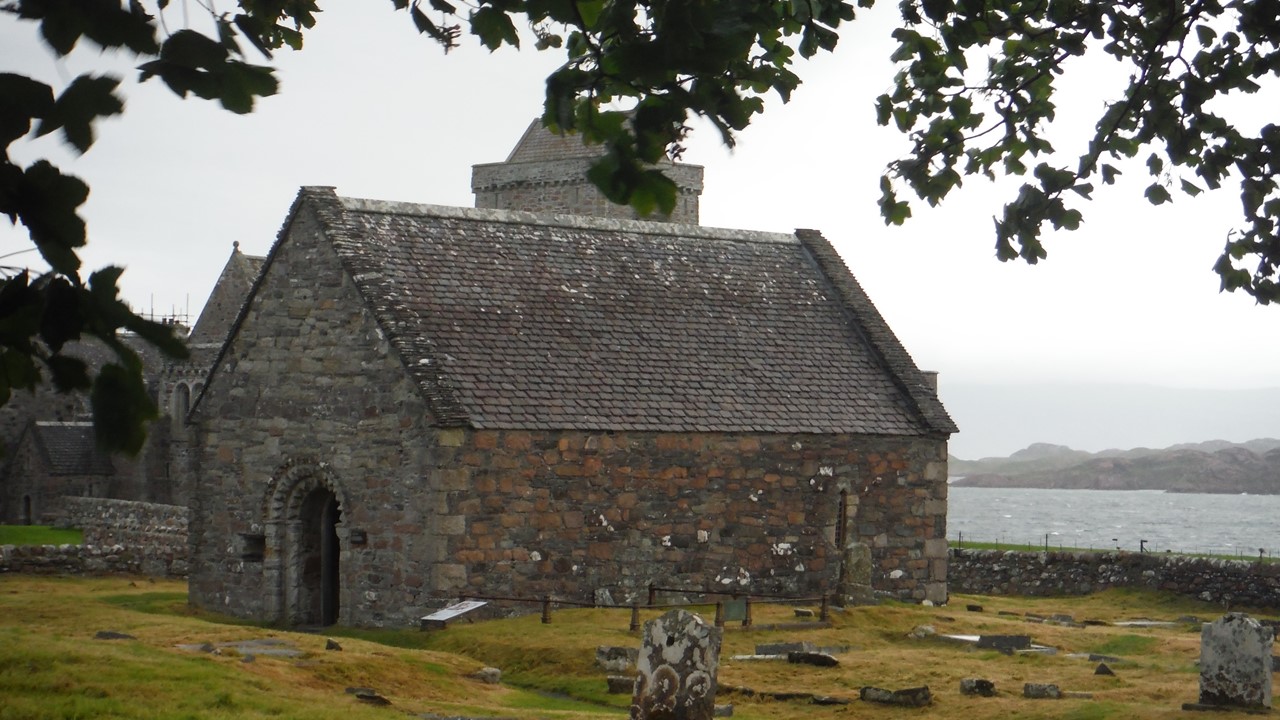 At death and in times of peril, the church is a symbol of our faith and the hope we have for something we can never fully comprehend in this life, the resurrection.
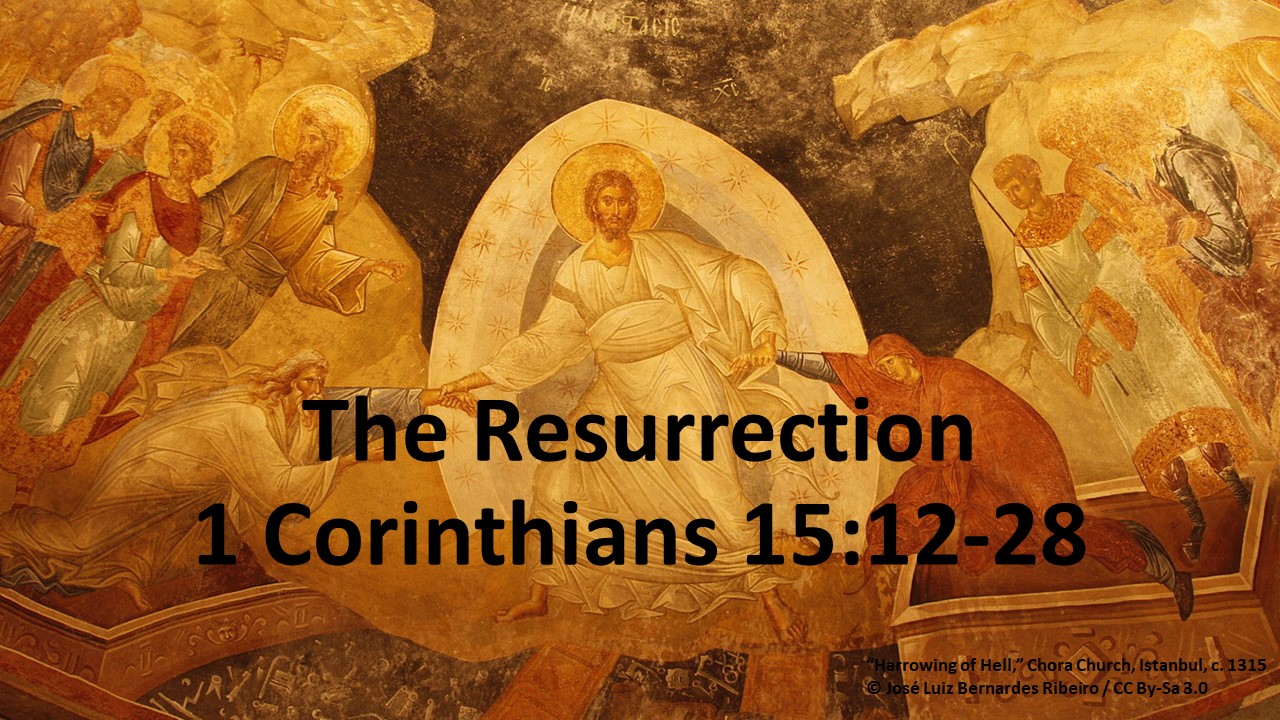
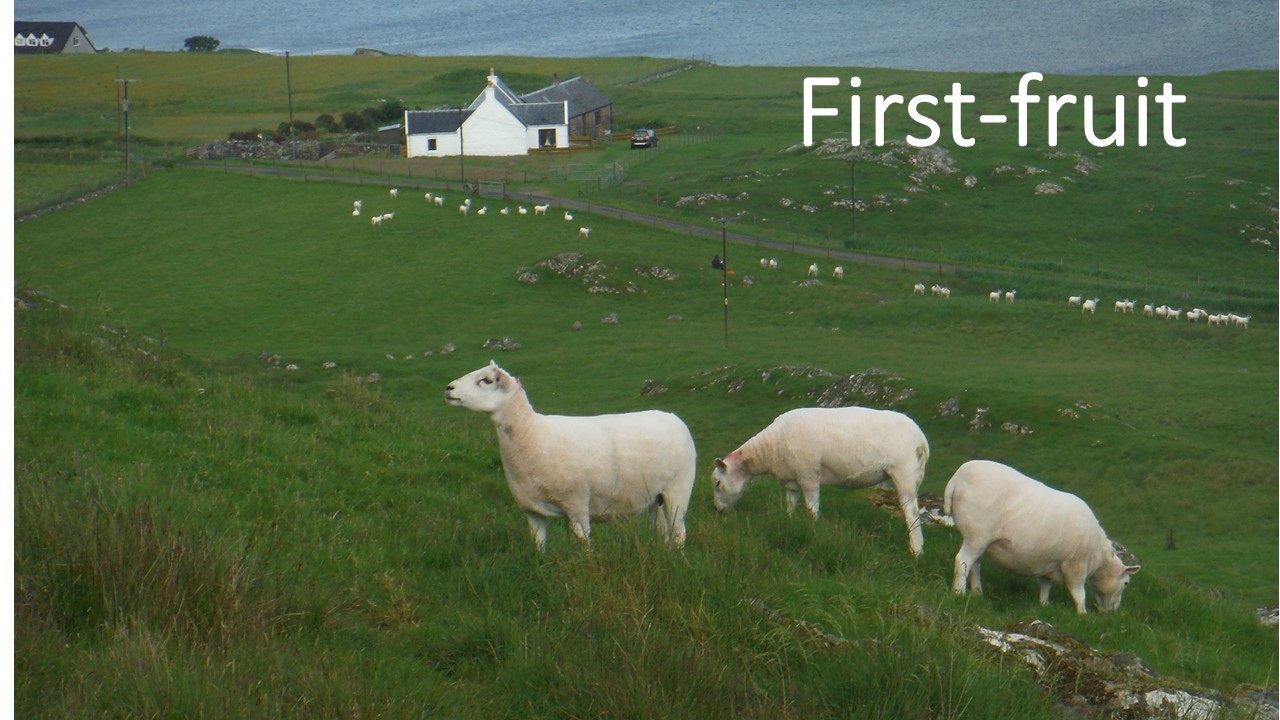 However, there is good news. Although death came through a human being, so too has the resurrection come through a human being. Paul lifts the Christmas doctrine of the incarnation. In Jesus Christ, God became flesh! Christ is the first-fruit of the resurrection, a term that probably meant more to Paul’s audience than to us today. For you see, the Jews were to bring the first of the harvest, their first-fruits, to God as an offering of thanksgiving. We tend to give God what is left, not our first-fruit, which probably says a lot more about our spiritual state that we’d honestly like to admit. However, this isn’t about our giving, it’s about God’s gift, for God the Father gave us his first-fruit, in that of his Son.
 All this is a part of God’s plan in history, Paul notes. It’s all a part of the great plan to destroy all authorities and powers that defy or challenge God. At the end, there will be nothing to draw our attention from the Almighty. All idols will be destroyed, all that which we fear will be removed, the last of which is death itself. With the removal of that great enemy which has haunted the human race since the beginning, we can worship God without fear or distraction.
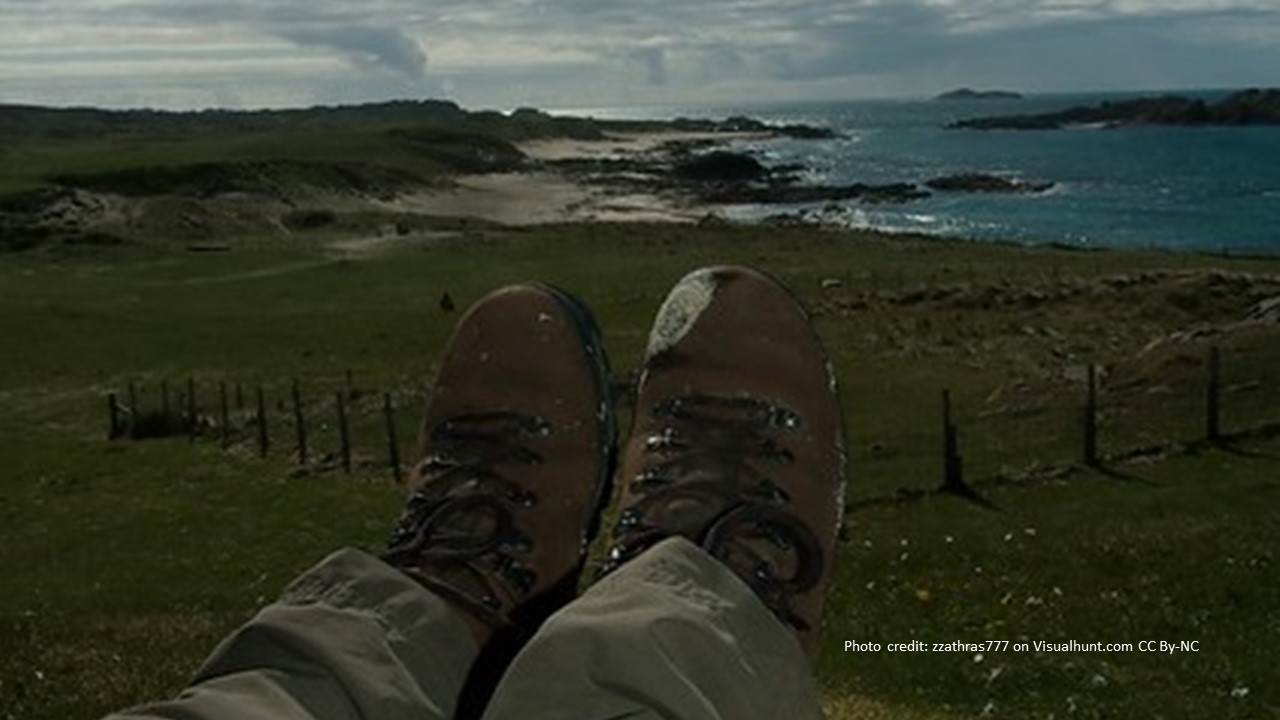 Kenneth Bailey, in his commentary on First Corinthians, goes into detail about the meaning of Jesus placing all his enemies (the last one being death), under his feet. Bailey suggests that verses 24-27 could be removed and the reader wouldn’t notice. You can try this yourself, at home, just leave the verses out and see how it reads. So why did Paul insert this little segue? It’s to make a political point: Jesus is Lord! If Jesus is Lord, that means Caesar isn’t Lord. He cites examples from the ancient world in which the ruler’s footstool often had engravings representing the kingdom’s enemies and when the ruler placed his foot upon the stool, he was making a statement about his power. When Christ has finished, there will be no possibilities of his enemies, including death, making a comeback!
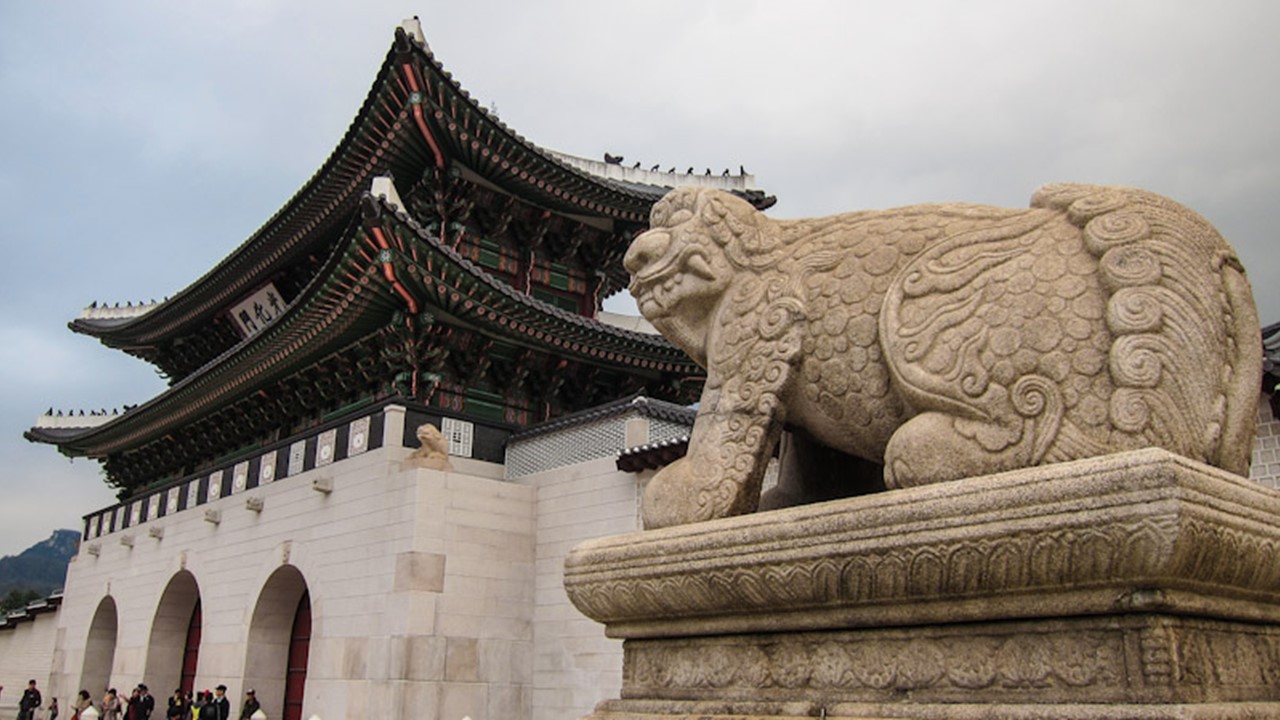 In the winter of 2000, I had the opportunity to spend a few weeks in Korea: preaching, sightseeing and mountain climbing. I visited the imperial city in Seoul, where the emperor once ruled, his throne built on a hill that allowed him to overlook the city. In 1910, Japan invaded Korea. The Japanese decided it was too dangerous to destroy the ancient throne, so instead they built a modern government building to block the view from the city. I learned there had been a great controversy over what to do with this building that was architecturally significant. Many wanted to tear it down, which is what happened, but others wanted to relocate it. One of the more creative ideas, which caused a minor international incident with the Japanese, was to dig a hole and sink the building and then glass over the top. That way, the building would not be destroyed, but the Korean people could have the satisfaction of “walking over” or stomping on the visible representation of 40 years of Japanese occupation.
 Jeff Garrison
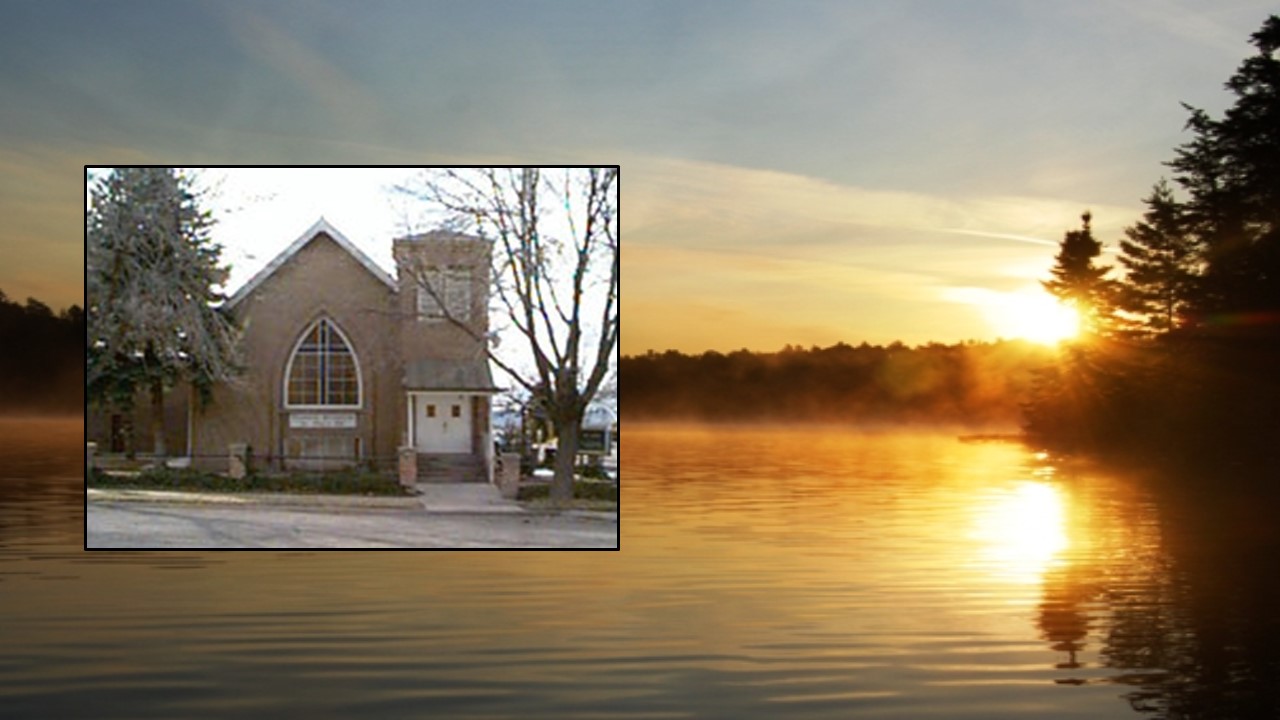
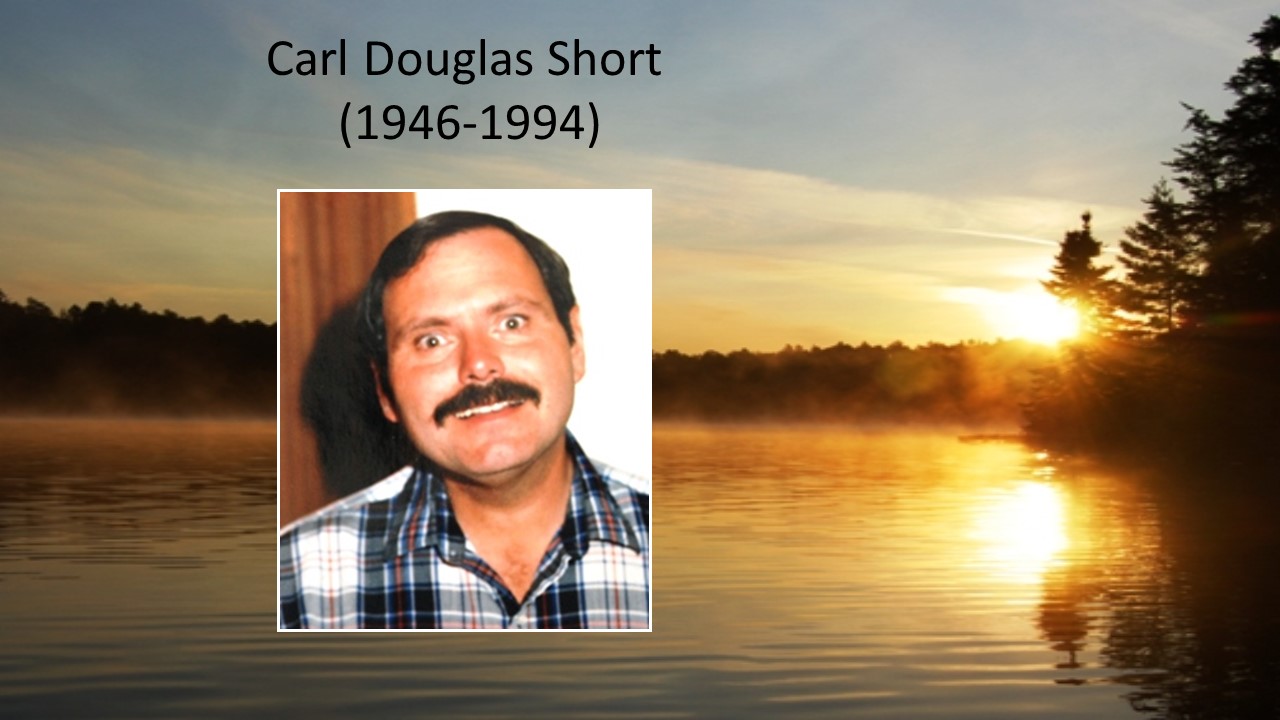 His name was Carl Douglas and he had lived in Virginia City when I was a student pastor there. In the five or so years in between, I’d lost track of Doug, but I had been with him when the doctor had given him the bad news that he had cancer. When I last talked to him, it was in remission, but had come back with a vengeance. I’d been praying for this friend, without knowing it, for months. And now I was sitting across from his estranged sister. Unlike her, I had only good memories of her brother. New Year’s Eve 1988 was one. It was a Saturday and we both had plans for the evening, but when I was in the church practicing my sermon I heard water running and after checking found there was a busted pipe in the heating system, underneath the organ. Doug came right down and we spent a couple of hours fixing the pipe so that we might have heat for Sunday. That was only one example. He was known of his kindness, for being quick to offer a hand to those in need.
 few months after the funeral, Elvira arranged to move back to Nebraska. When I think about all this, I’m amazed. I see God’s hand at work. What was the probability Elvira would end up in a church in a distant city where the pastor knew her son? There was actually a good chance her son could have died and she’d never seen him or even been able to attend the funeral, or even know of his death. Thankfully, she was able to see him and attend his funeral. God enjoys working to bring about surprises and joy!
 N. T. Wright, an insightful theologian from the British Anglican community says this:
 In other words, because of the resurrection, we’re now invited to live as God intends as we join God in his work of transforming the world—a transformation that begins with the open tomb on Easter morning. Everything will be changed. Jesus has defeated death and inaugurates the reclamation of the earth for God’s purpose.
 Will we believe? Will we allow ourselves to be transformed? God is working miracles in this world. I shared one such miracle at the beginning of the sermon. God wants to reconcile the world, not just to himself, but between mother and son, brothers and sisters, friends and enemies. Will we accept God’s invitation to proclaim the good news? Will we accept the invitation to hop up on the bandwagon and follow Jesus, out of the grave and into life? Let us pray:
 Jeff Garrison
 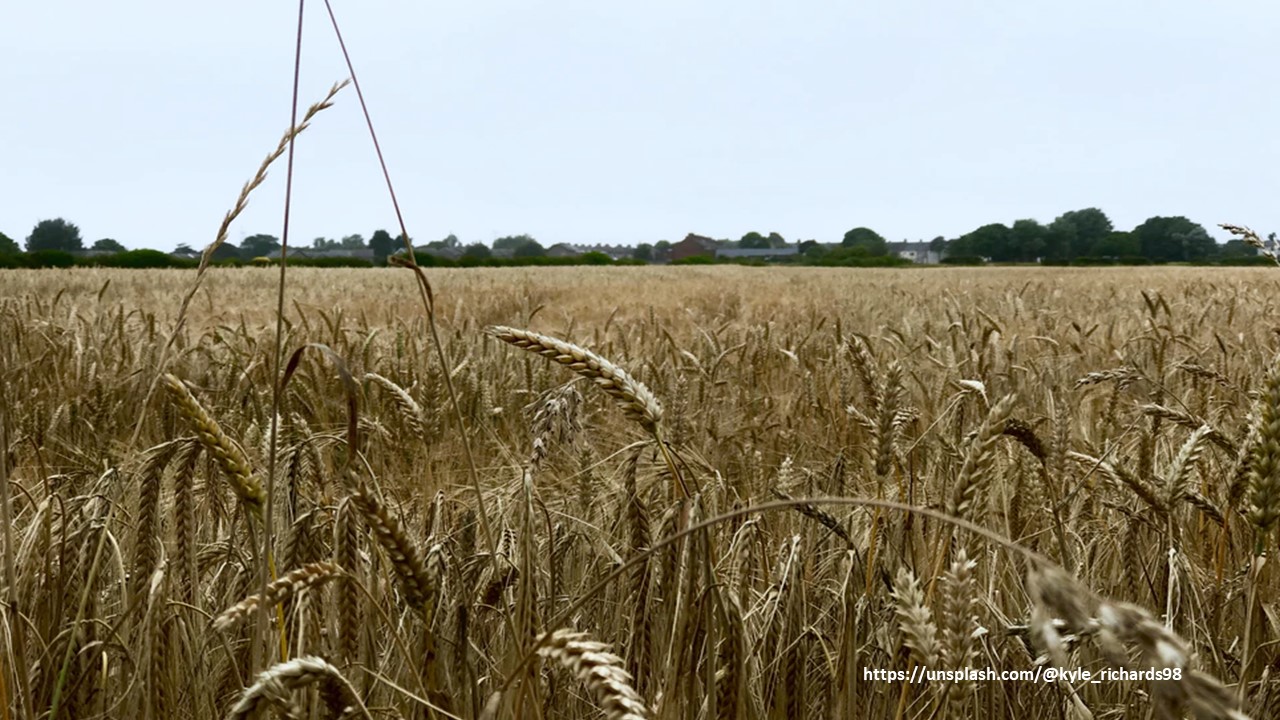 Do you think the Pharisees might have been picking on Jesus for the wrong reason? They get all over him for harvesting grain on the Sabbath, but don’t say anything about the fact Jesus and his disciples are in someone else’s grain field? Think about this for a moment as I go off on a tangent.
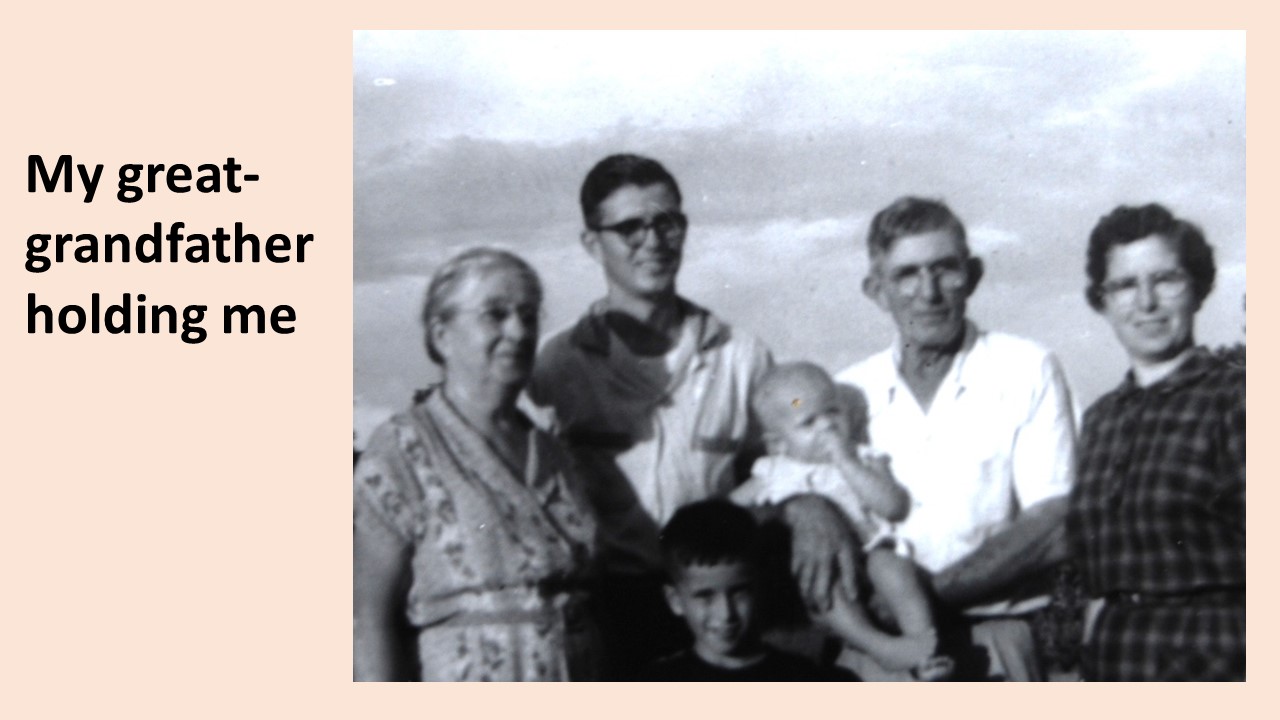 I inherited my Presbyterianism from my great-granddaddy McKenzie. He was a strong church leader who served as an elder at Culdee Presbyterian Church for over 40 years. It was the church his father and grandfather help establish in those dark days following the War Between the States. Like most churches in the day, it emphasized the fear of God and the preacher regularly reminded the congregation about God’s judgment.
 This brings me back to the subject of Jesus and the disciples munching in some farmer’s field on the Sabbath. The reason the Pharisees didn’t get on Jesus for his disciples harvesting food that didn’t belong to them was that Jewish law allowed one to pluck grain with their hands from their neighbor’s field. According to Deuteronomy, we’re told:
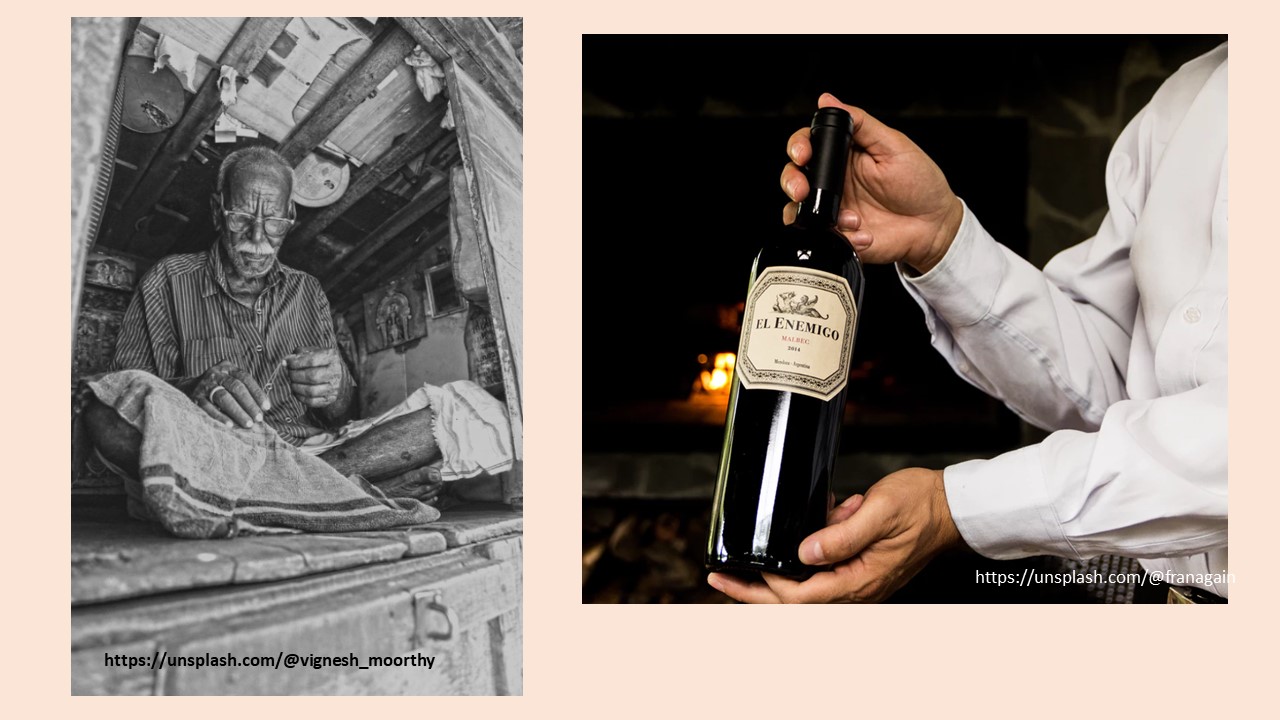 Jesus is doing something knew. Our passage begins with an illustration about patching coats and wineskins. This is probably not something any of us have experienced for we either replace our coats or take them to the tailor on Montgomery Cross. And our wine is aged in barrels and tends to come to us in bottles. But back in the first century, you had to patch your coats, and skins were used to hold wine. So you made sure the cloth you used to patch something was preshrunk and that your wineskins were new so that it would stretch and not bust open during the fermenting process.
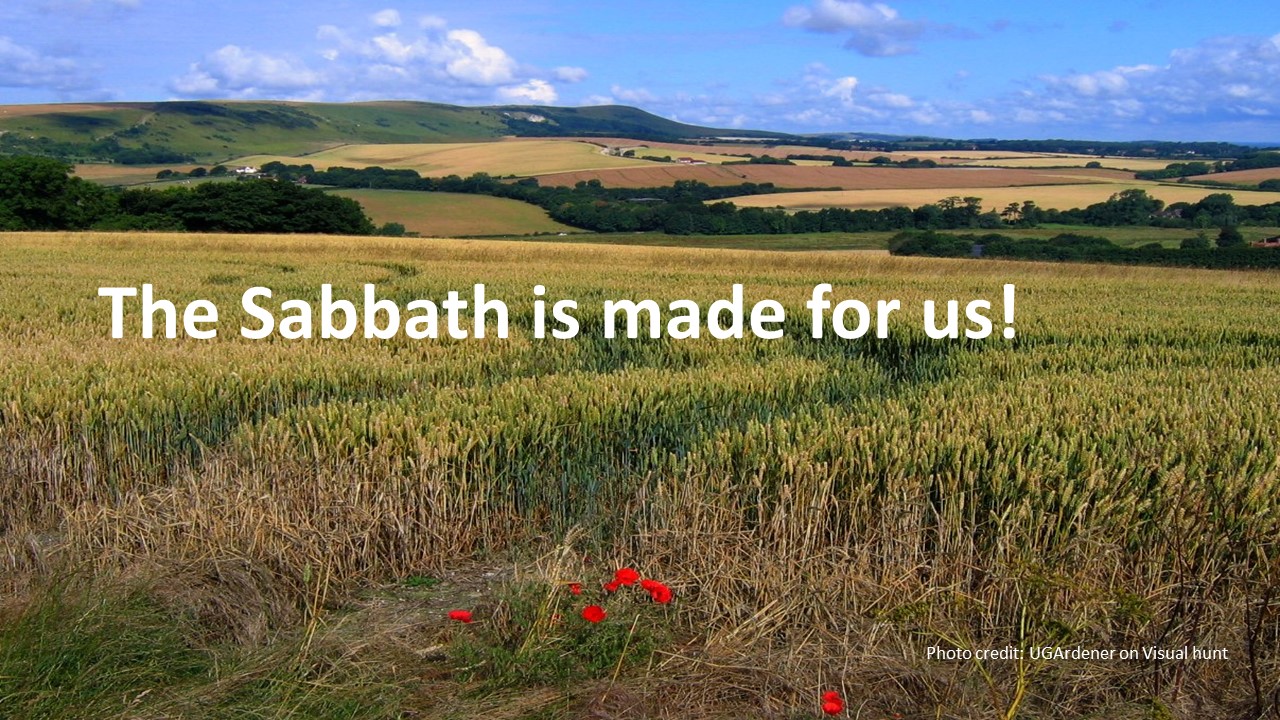 As the Sabbath is made for us, we should consider how it was understood in the early church. Paul tells the Romans that some think one day is better than another while others think all days are equal, and in Colossians he says we shouldn’t let ourselves be judged over the Sabbath.
 The Sabbath Command is a reminder that we are not able to run ragged 24/7. We need rest, both daily (which is why night was created), and for an extended period at least once a week. The Sabbath is a day we can put our employment concerns aside, and just enjoy the creation God has given us. It’s a day we can enjoy the families that God has given us. It’s a day we can catch our breath and look around and give thanks.
 When I was a small child we lived on a parcel next to my great-grandparents farm. On occasion, we ate Sunday dinner with them. First thing my great-grandma did when she got home from church was make biscuits. Much of the dinner was already prepared but the biscuits had to be fresh. First, she’d take some kindling and light a fire in her wood burning stove. Don’t get the idea that we were hillbillies because my great-grandma had a perfectly good gas range sitting in her kitchen, it’s just that she preferred the wood burning stove for most of her cooking. After her death in the summer of ’64, the wood burning range was taken out, but before then I have good memories, as a five or six year old, gathering up chucks of stove wood my great-granddaddy had split. As the oven heated up, my great-grandma mixed up some flour, salt, and baking soda, cut in some lard, then added buttermilk. She’d knead the gluey glob till it was smooth, rolled it out, and cut out the biscuits. Soon a heavenly scent filled the room.
 When the meal was over, if it was meal without pie, my great-granddaddy would get up and go to the pantry and come back with a jar of molasses or honey. He’d drop a big plop of butter in his plate, pour on the sweetener, and mix it up real good with his folk. Then, throwing away all manners, he’d sop it up with the left-over biscuits. It was good. Afterwards, we kids would run out and play while the adults retired to either the back porch or, if in winter, the parlor. When we’d come back in an hour or so later, they’d all be napping.
 Jesus in this story doesn’t negate the Sabbath. He just encourages us to use it as it was created, for our benefit. Take a deep breath. Receive the Sabbath as a gift from a gracious God. Amen.



 Our Lenten series encourages us to slow down, take a deep breath, and reconnect to an unhurried God. How might this passage encourage us to make such connections?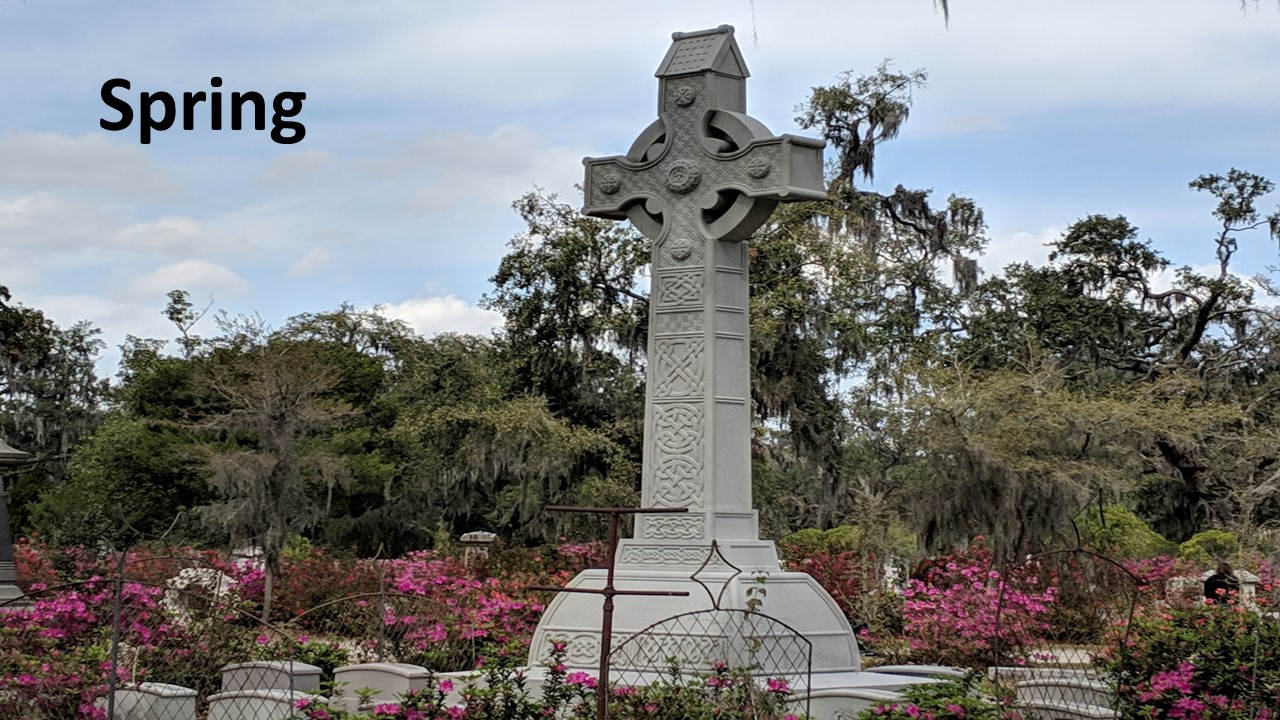

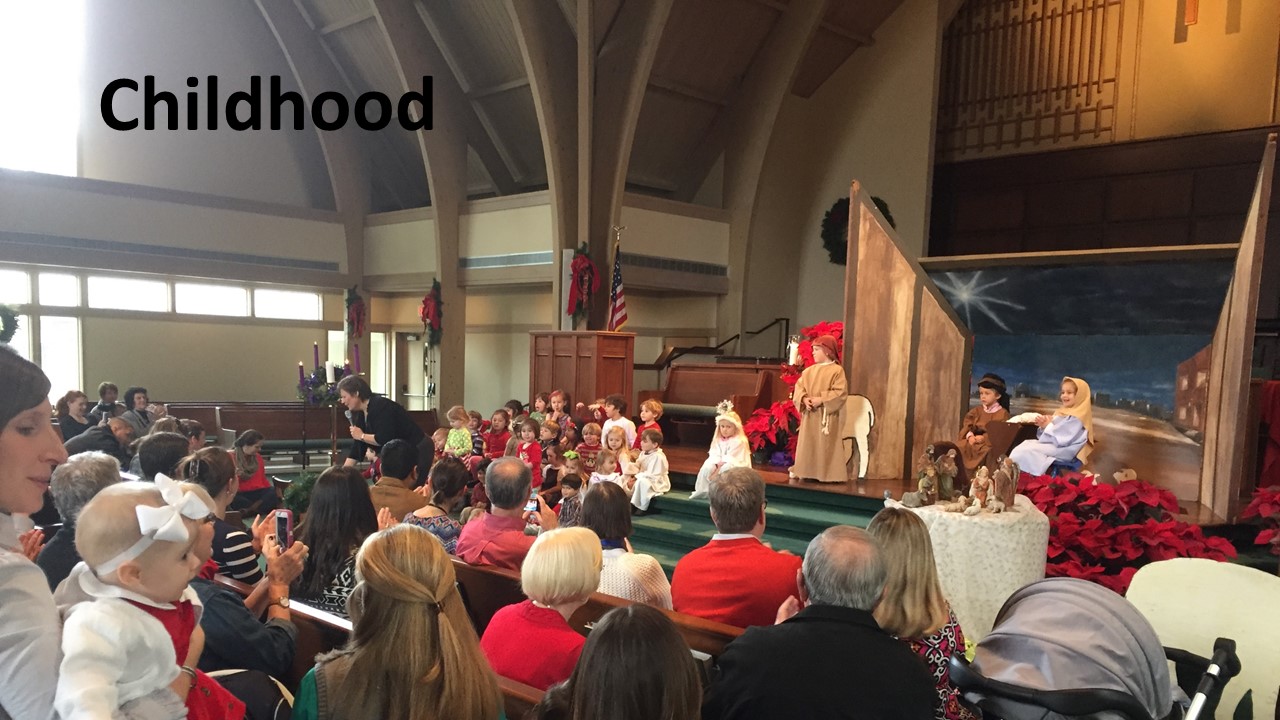
 This list reminds us that, like the seasons, there is a cycle to our lives. If Solomon had lived by the ocean, he might have added the tides. The cycles of life are all around us, but some are experienced more frequently than others. If we accept God’s sovereignty, there is no need for us to constantly be distraught over life’s ebbing and waning. We are freed to enjoy what we can while trusting and having faith that things won’t always be bad.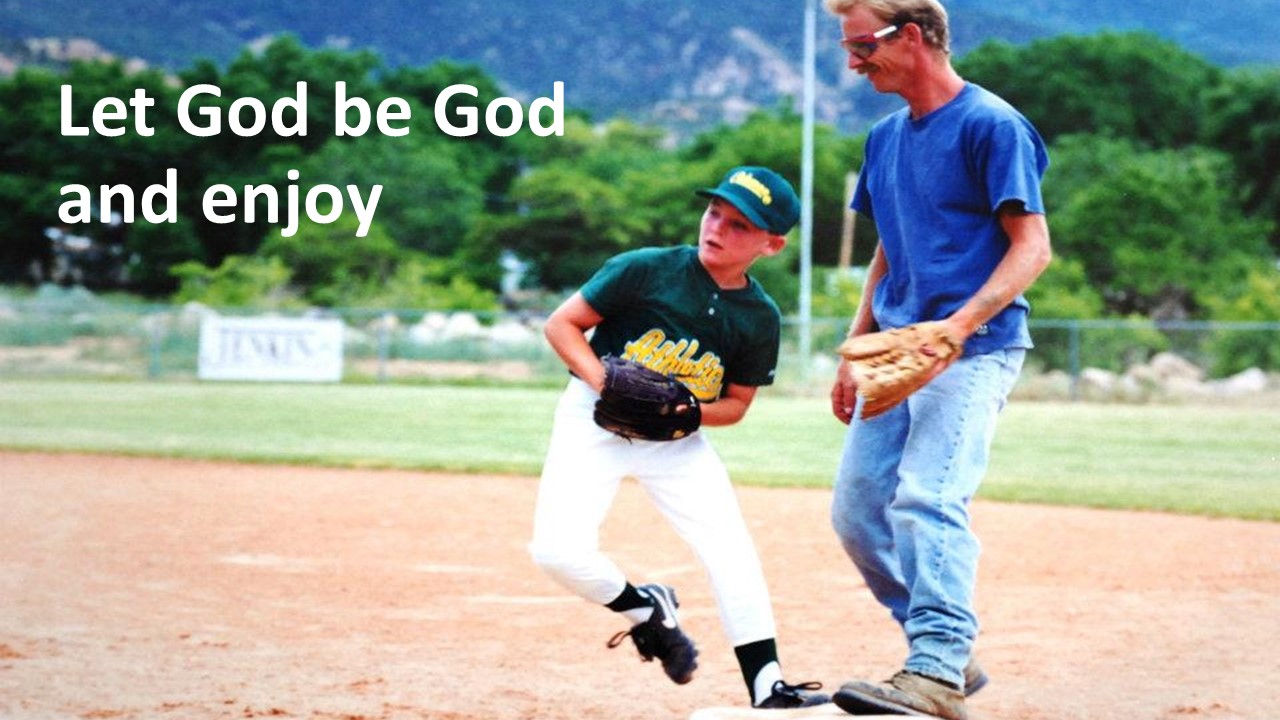
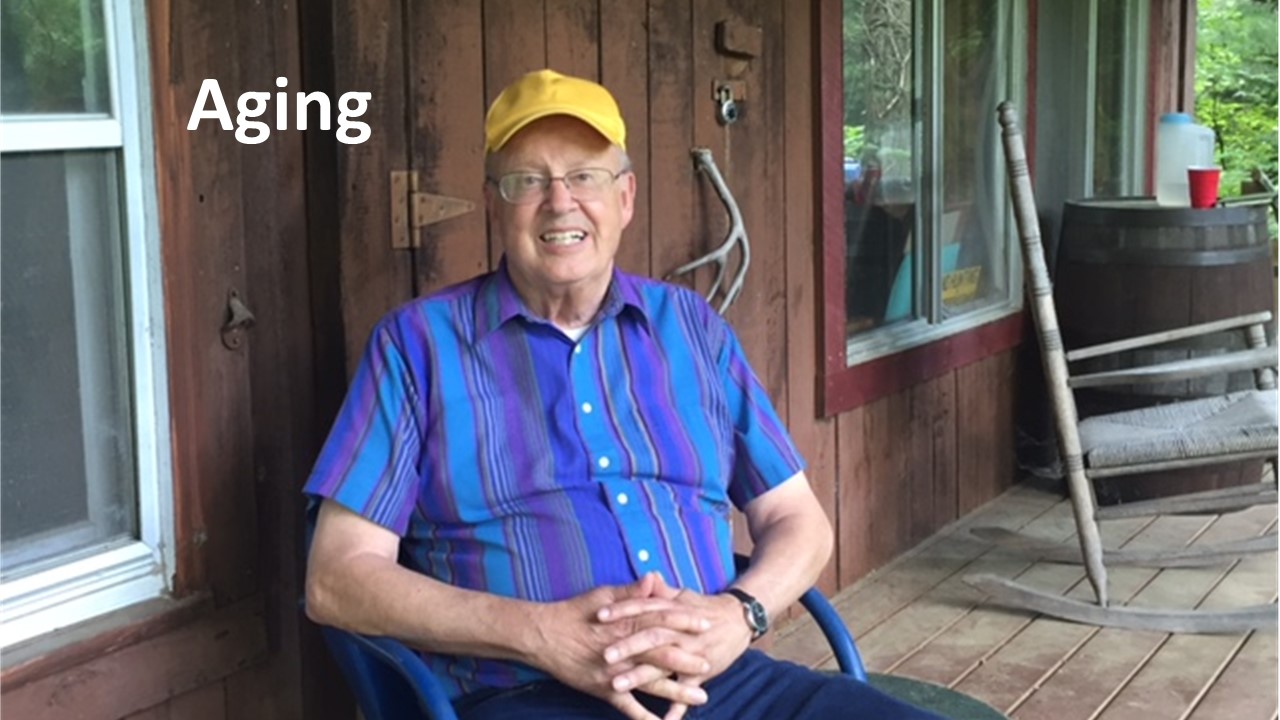 In his acknowledgements at the beginning of his book on aging which I read this past week, Parker Palmer, a spiritual author from the Quaker tradition, writes:
 We can’t control when the cycles of life happen, but we can control how we respond to them. Receive them as a gift, as grace. Amen.

 Arthur Brooks, one of this year’s Calvin January Series speakers, had a new book come out this month. I read the first half of it this past week. It’s titled, Love Your Enemies: How Decent People Can Save America from the Culture of Contempt. I highly recommend it. Brooks’ points out that anger isn’t our problem. What he sees as a problem is contempt. When we are angry, we are generally wanting something better. When we hold someone in contempt, we are essentially wishing they didn’t exist. In a chapter titled “The Culture of Contempt,” he suggests that much of America, even though we hate it, are addicted—there’s that word again—to political contempt. We don’t like what this contempt does to us (not to mention those we disagree with), but we can’t seem to get enough of it. Like a junkie, we “indulge” in the habit. And the media, who has economic interest in our addiction, is more than happy to feed us.
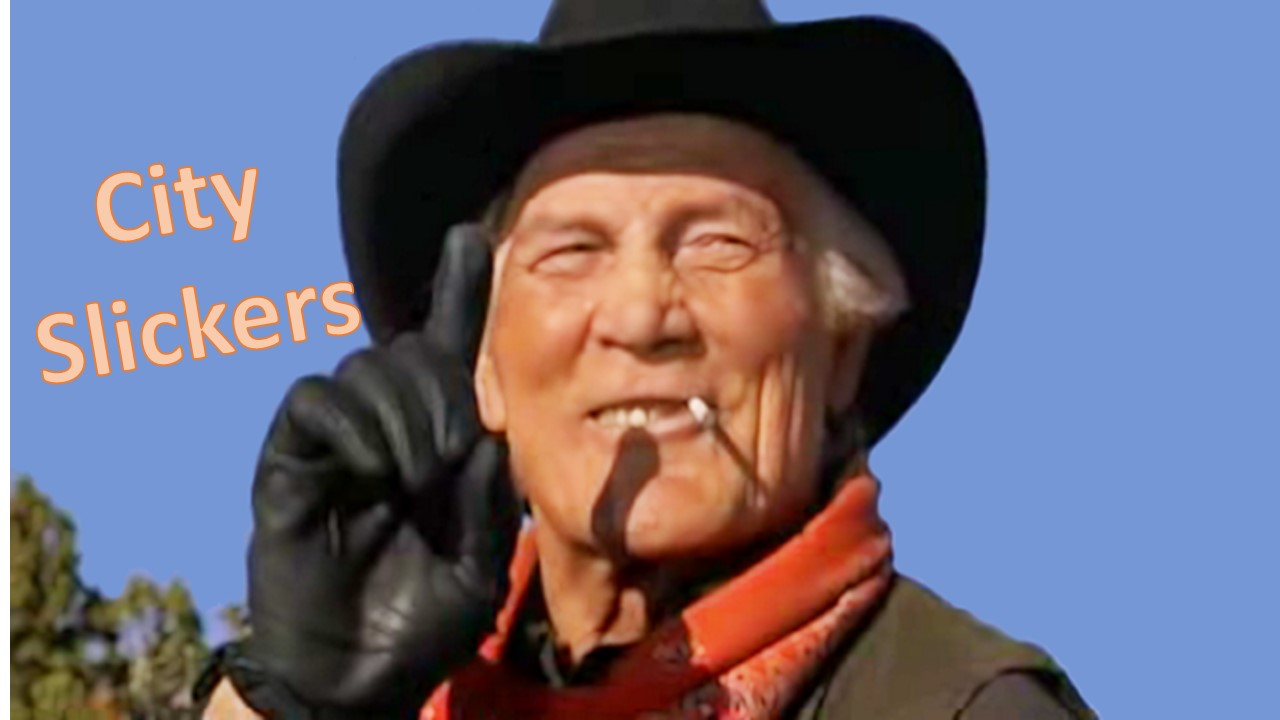 Do any of you remember the old movie, City Slickers? It doesn’t seem to be old, but the movie was released in 1991. It starred Billy Crystal who, with a group of his friends from the city, decide to go out west for a few weeks to help round up cattle. In one scene, Crystal is riding on a horse beside Curly, an old fashion cowboy who could have been the Marlboro Man. When Crystals asks about his secret to being content in life, Curly points his index finger and says it’s this. Crystal is confused and asks, “You’re finger?” Curly shakes his head and replies it’s just one thing. Of course, Curly isn’t able to tell Crystal what’s his one thing is, that’s for him to find out. This “one thing” is now known as Curly’s law.
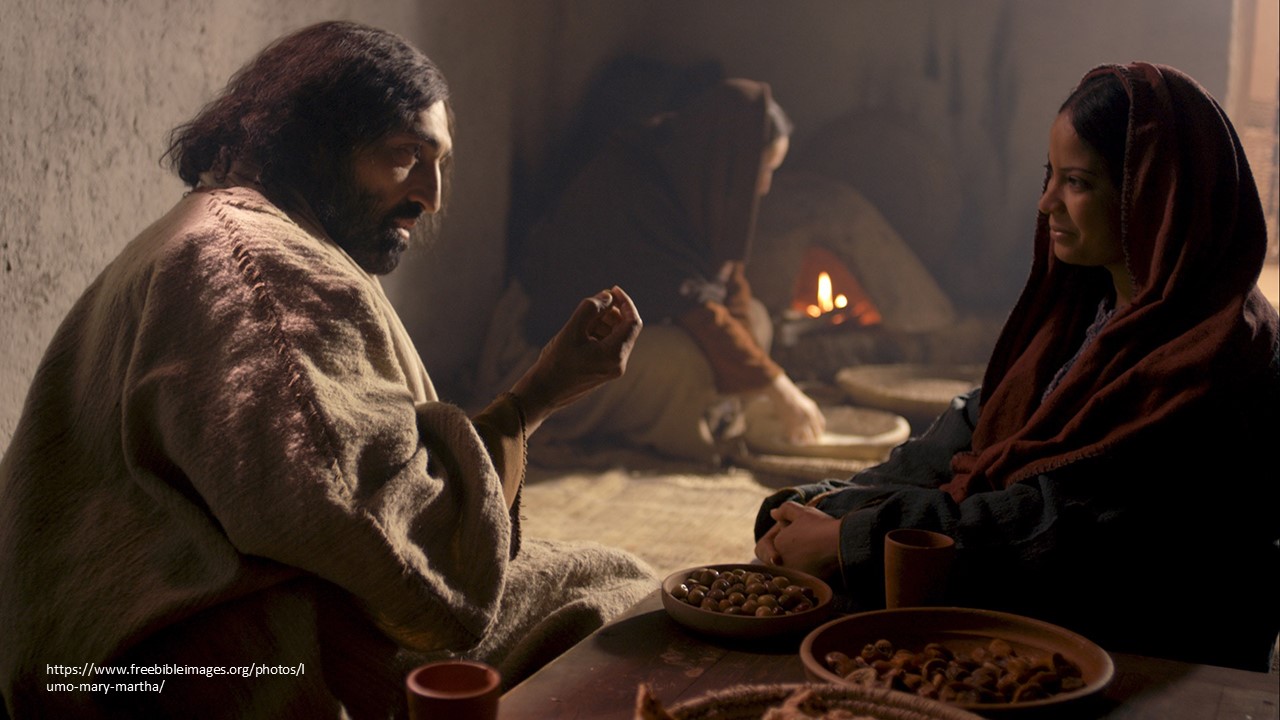 I suggest that the one thing Jesus points out to Martha was himself. Serving others is good, doing a good deed such as feeding visitors is commendable, but there is a deeper human need and if we don’t ground ourselves there, we burn out. As humans, we have a need to connect with others and as a Christian, our need includes a connection to Jesus. How do we go about this? Let’s see what our text says.
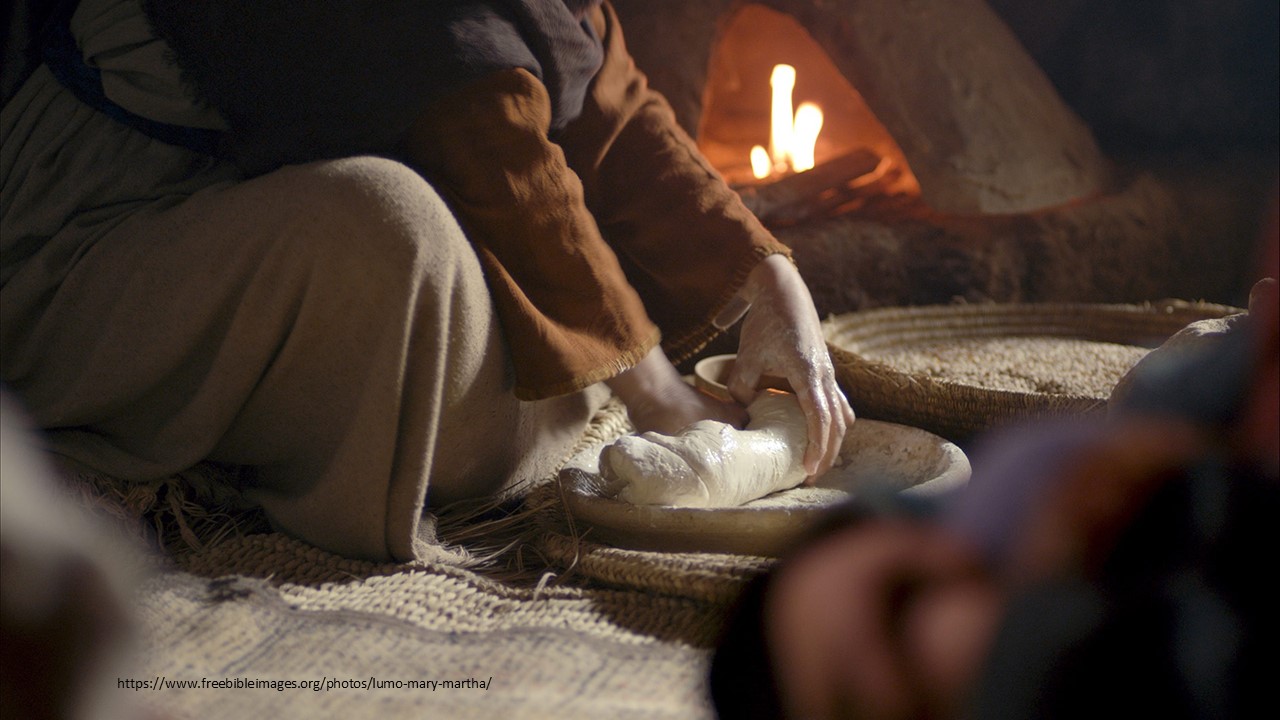 Jesus isn’t telling Martha to be inhospitable. Hospitality is an important trait of Christians. We are told in the book of Hebrews: “Do not neglect to show hospitality to strangers, for in doing so some have entertained angels without even knowing it.”
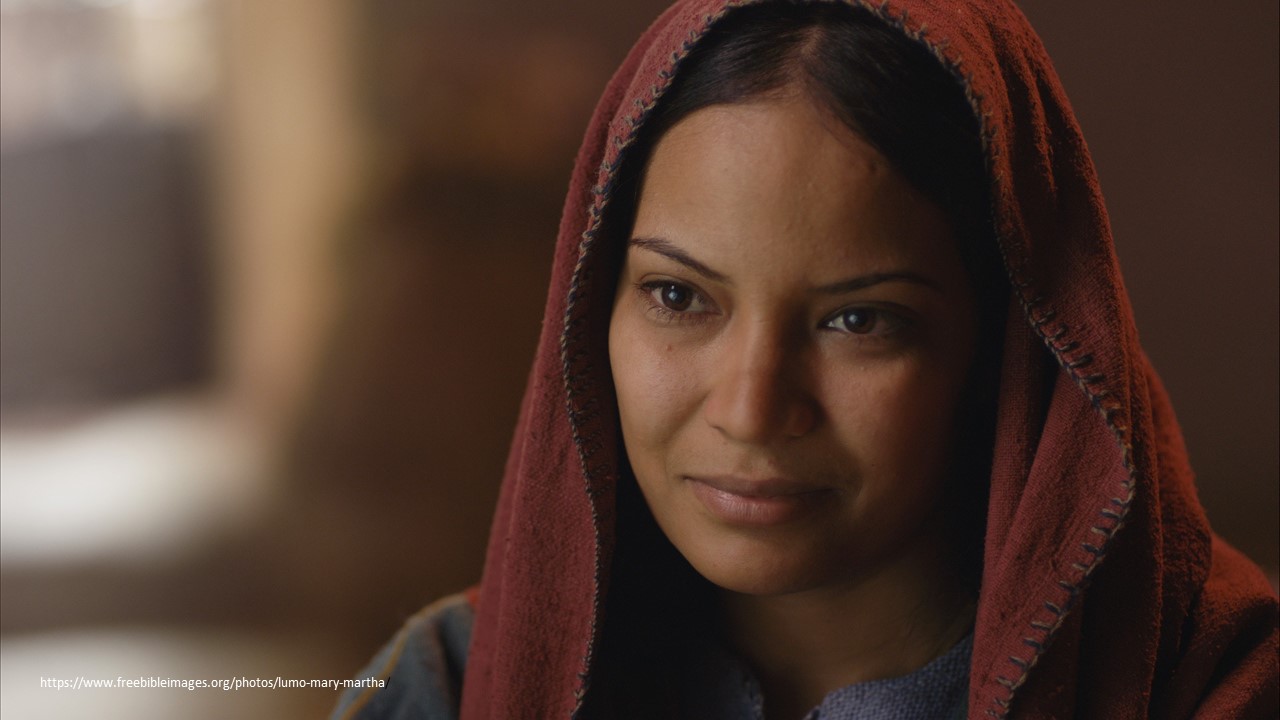 Finally, Martha has enough. Here, she is fixing a nice sit-down dinner, and while she’s working, her sister enjoys Jesus’ company. Perhaps, Martha’s a little envious… She tries to get Jesus on her side by appealing to his compassion. “Lord, doesn’t it bother you that I’ve had to do all the work?” she asks. Reading between the lines, we get the idea she really wants to say, “Tell Ms. Couch Potato to get in here and help…” Do you sense the contempt is rising in Martha?
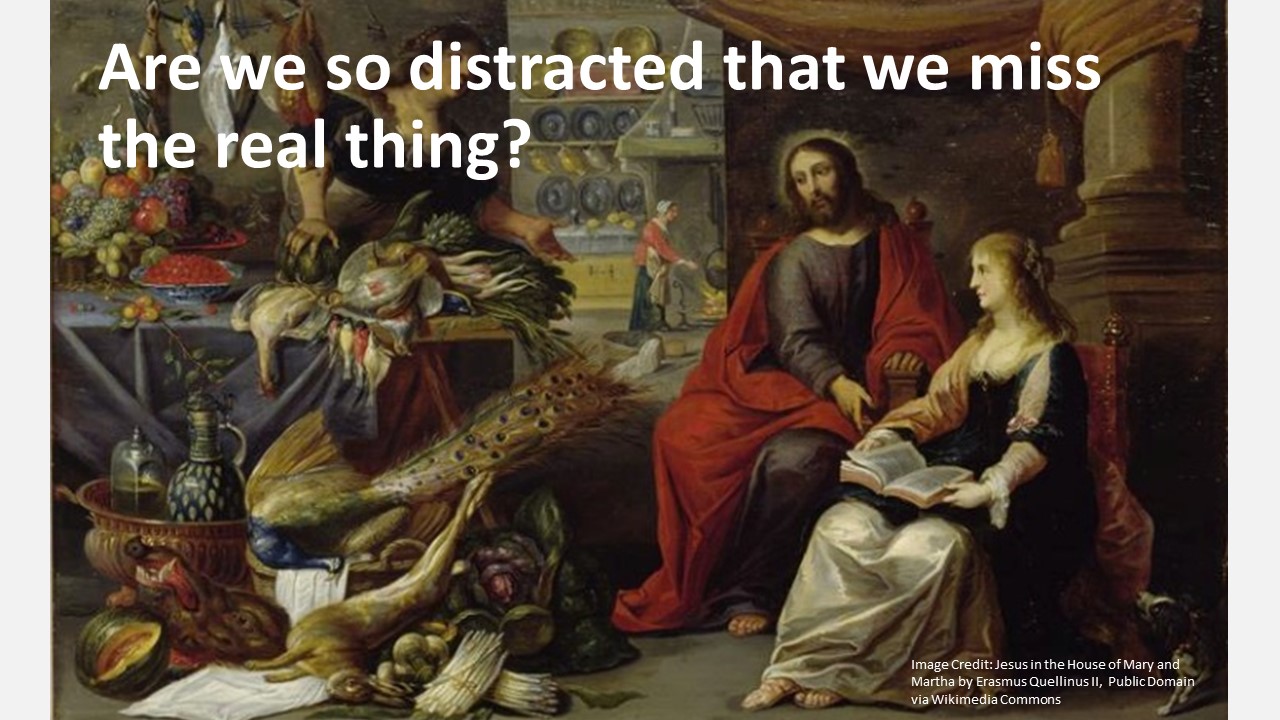 Are we like Martha? Do we worry and become distracted over so many things that we are unable to see what’s truly important? Do we keep our lives so busy that we have no real quality time to spend with friends? (I’m guilty). If so, we just might be missing something important… After all, Martha missed a chance to spend time listening to our Lord’s teachings. Don’t forget about hospitality, but remember that it’s not the only thing.
 You know, this is a busy time here at Skidaway Island Presbyterian Church. The Session has begun working on a strategic plan for the future. A small group of Elders have spent a lot of time on this project. This week, the rest of the Elders will join in the process, and then we’ll be asking for your help and ideas. This is good and needed work, but I encourage us to not be distracted from that which we truly need… Jesus Christ. Without Jesus, what we do will mean nothing. He’s our reason for being, for he calls us together in communion with him. So remember the main thing. Make sure to take time to spend with Jesus, daily. If you do, the rest will fall into place. Amen.
 We’re looking at the 23rd Psalm today. It’s a prayer of faith not often heard on Sunday mornings; we save it for funerals. Wayne Muller in book, Sabbath, Restoring the Sacred Rhythm of Rest, points this out:
 The Northeast Cape Fear River broadens and deepens as it flows through Holly Shelter Swamp. In this area, on a high bluff on the east bank of the river was my scout troop’s favorite camping site. The ridge was forested with tall long-leaf pines. Lining the banks along the river were dogwoods, tupelo and cypress, their branches adorned with Spanish moss. The leisurely pace of the river invited us boys to sit on its banks and throw sticks into the water, watching them slowly float away. It’s the type of life Mark Twain wrote about on the Mississippi, a life of ease beside peaceful waters that seem to hold some mysterious power to heal, to forget our troubles, and to be renewed.
 In the late afternoon, things would change. As the sun dropped in the west behind trees, it created long shadows on the black waters. An eeriness descended. Spanish moss now appeared as the long beards of men whose mysterious and untimely death occurred in the backwaters of Holly Shelter Swamp. We had been warned.
 Yea through I walk through the valley of the shadow of death.” This most beloved psalm, as I pointed out, is ubiquitously used at funerals and mostly overlooked on Sunday mornings. This is unfortunate for the psalm tells us about a life lived well—a life lived in complete trust of God the Father.
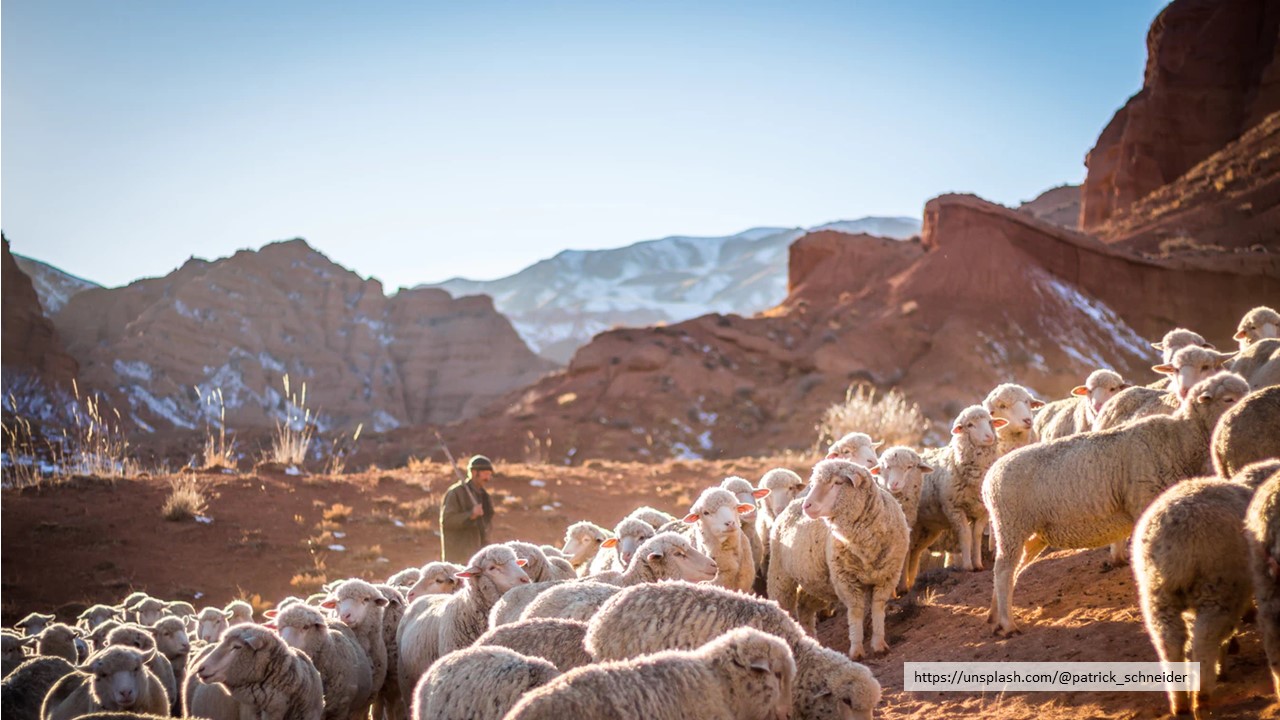 Psalm 23 is attributed to King David and it certainly brings to mind key elements of his early life. As a young shepherd, he knew what it meant to lead sheep through dangerous mountainous terrain. As a mere boy, he was willing to face the giant Goliath on the battlefield. As a young man, he was being chased by the armies of King Saul, who knew he was God’s anointed. And even as an old man with many enemies, he knew the pain of having his own son attempting to take his throne. Of course, we know David had many short-comings, but he made up for them by putting his faith in God’s hands. David was a man, the scriptures tell us, after the very heart of God.
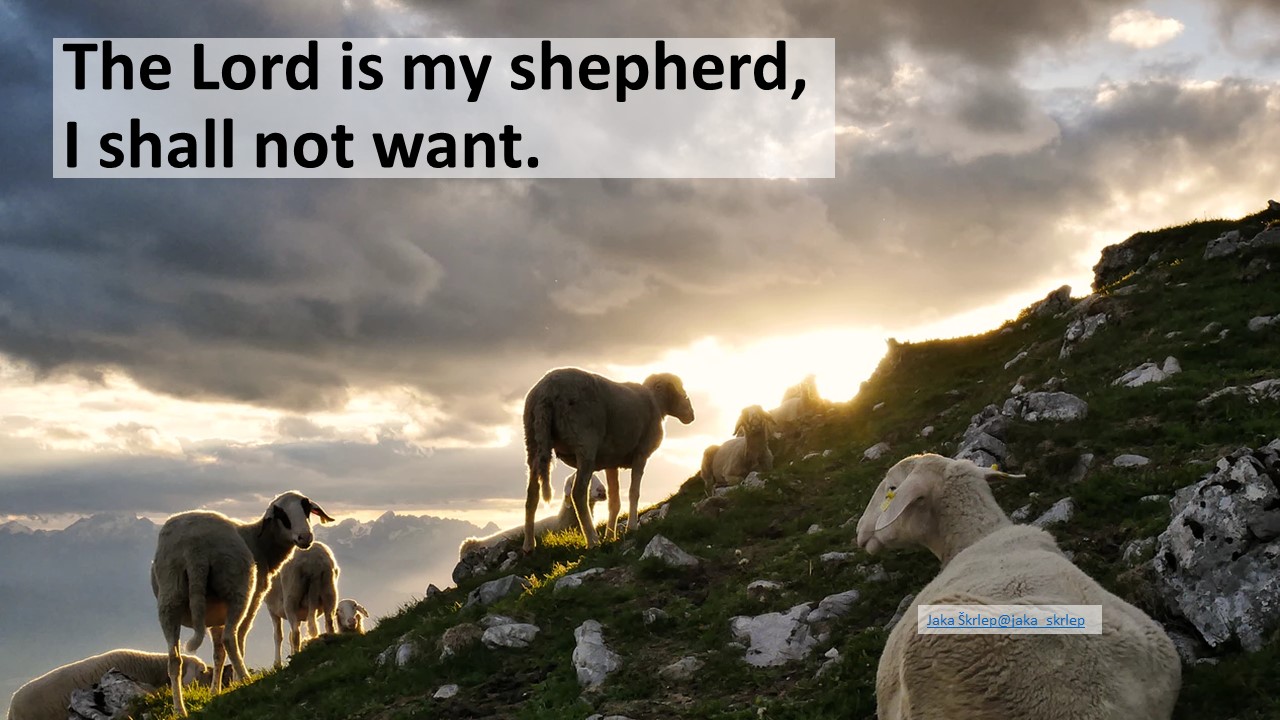 The opening verse captures the essence of the Psalm. “The Lord is my shepherd, I shall not want.” The Psalm begins with a powerful metaphor of God as a shepherd. Of course, God is more than just a shepherd, which was a lowly occupation in ancient Israel. God is the Creator, the judge, the warrior, the righteous one, the ancient one. All these images remind us that God is greater than just a mere tender of sheep, but like a shepherd who is devoted to his sheep, God is devoted to his people, which makes the shepherd image the perfect depiction of our relationship with God the Creator.
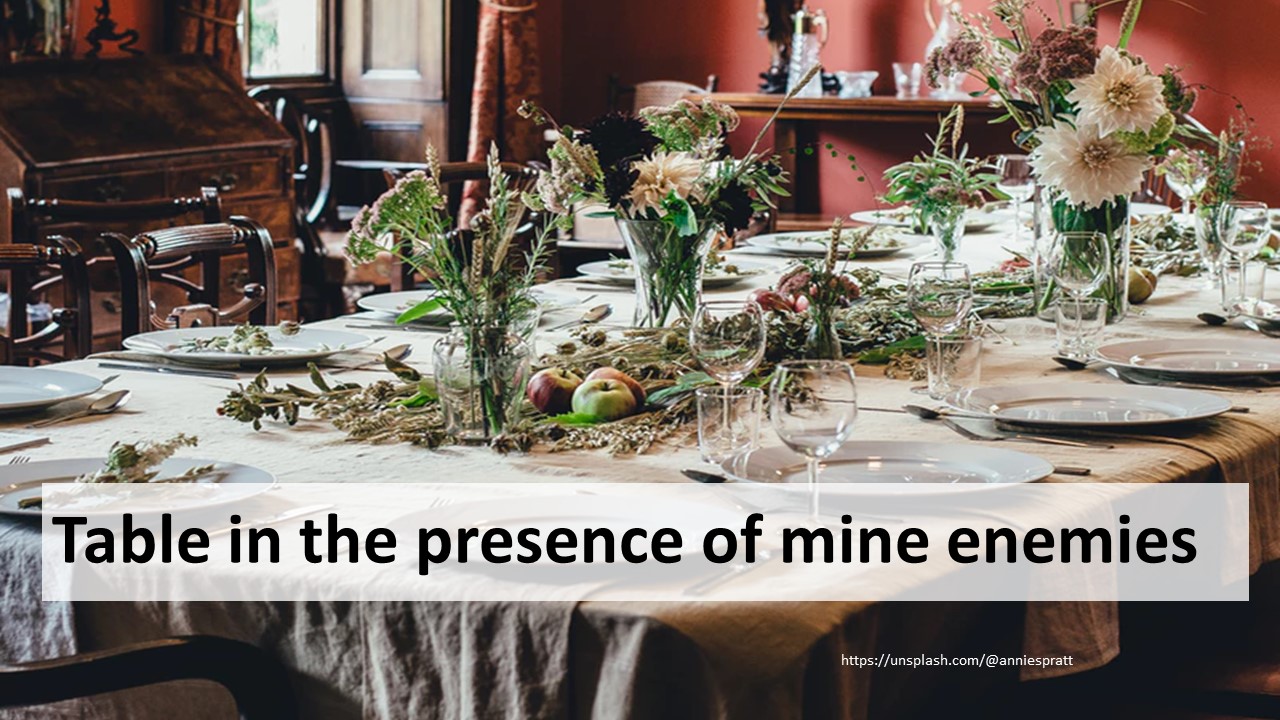 There are two great images at the end of this Psalm. First, there is a table set in the presence of our enemies. Royal banquets are often used in scripture to point to an eschatological future, the promised heavenly banquet where Jesus is at the head of the table and serves us. Perhaps the presence of our enemies is an invitation for them, too, to come to the table. They, too, have been created by a God who delights in bringing about reconciliation and encourages us to seek out peace with our enemies.
 The second image is the cup running over. Back in the 70s and 80s, Brim decaffeinated coffee had a series of advertisements about filling our coffee cups to the rim. We don’t serve Brim in the fellowship hall. The ad world is a perfect one and no one that I remember in those commercials spilled coffee on the rug, even when the cup couldn’t contain another drop. But here, in Psalm 23, we’re promised something even greater that being filled to the rim. Our cup overflows! This is a promise of abundance.
 When things are looking down, when life is busy and we can’t seem to get a break, we can go to this Psalm and be reminded that we are not alone. God’s goodness abounds. God’s goodness will overflow in our hearts and lives, giving us a new perspective on the challenges we face. Amen.
 Jeff Garrison
 You know, when it comes to religion, we often think it’s about being good, or good enough. We think we need to be like Jig in one of his purifying stages. We see religion as hard work which is why many people don’t want to be bothered with it. We forget about the joy of salvation.
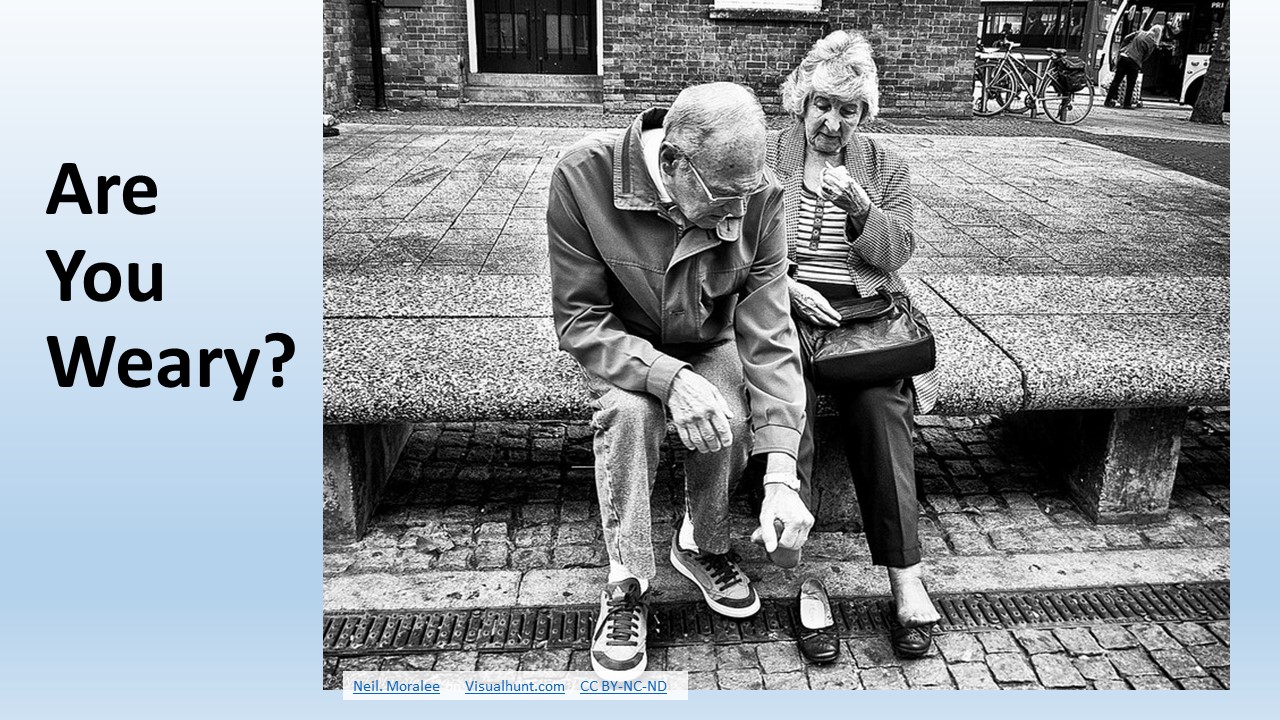
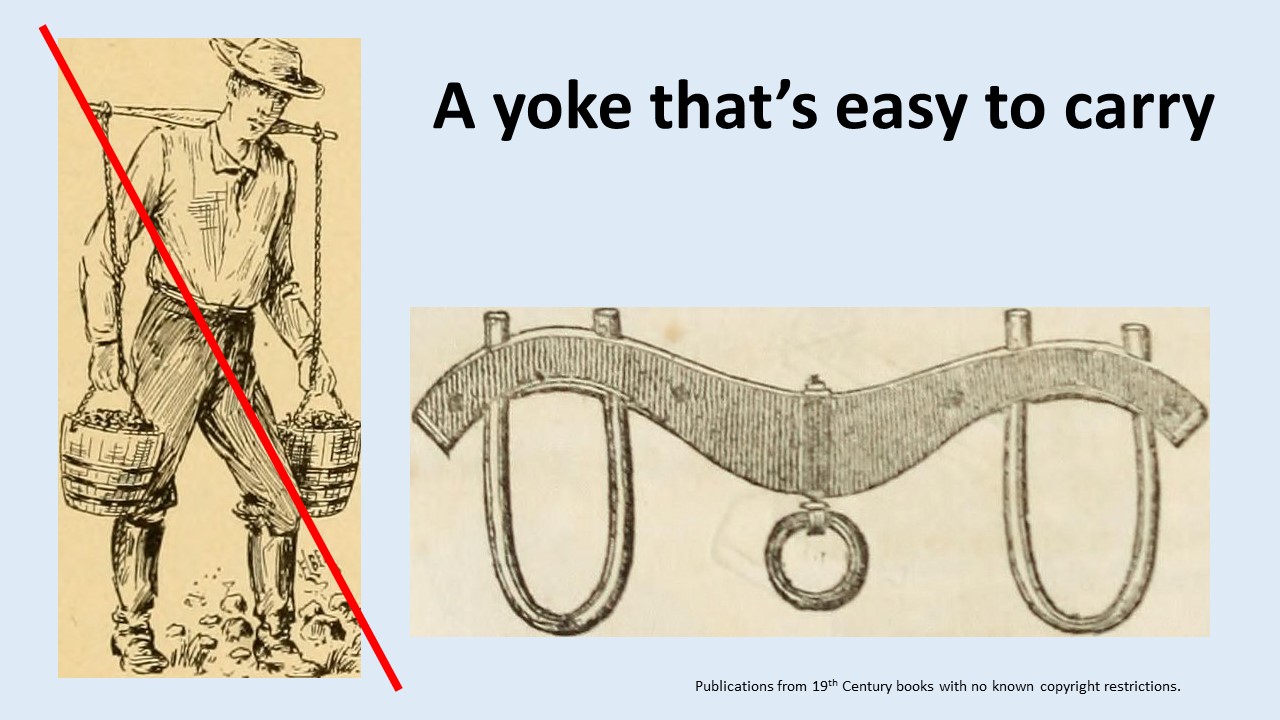 So Jesus invites us saying, “Come to me; take my yoke.” He’s not talking about a single yoke, one that he gives us and we wear around so that we might haul a heavy load. Instead, I think he offers a double yoke, one that he helps share the load. One in which we are able to watch him and learn how to live graciously, to appreciate beauty and to give thanks for the blessings of life. Our translation tells us Jesus’ yoke is easy, but it could also be translated as kind
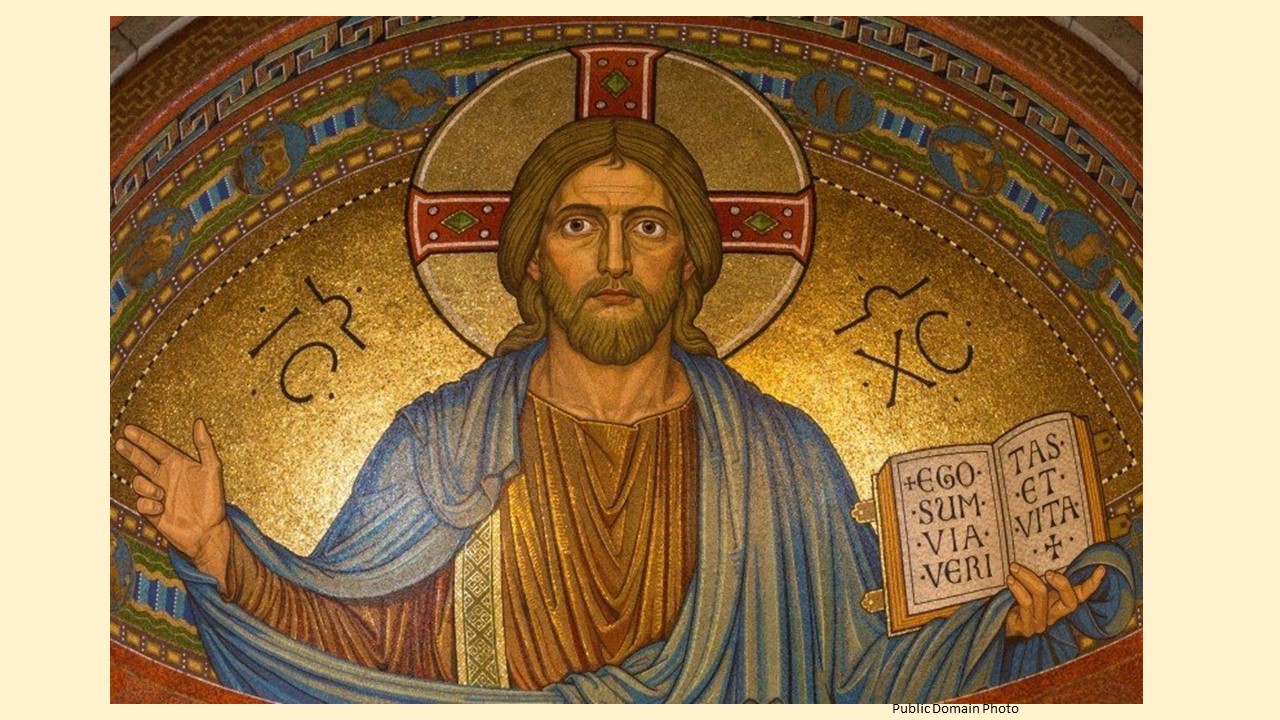 esus calls us to come and learn from him how to enjoy life. He calls us to relearn our priorities, to set the right tempo. Instead of having to work hard to earn God’s grace, we accept it and thereby joyously labor not for God’s grace but to praise God for having been so good to us. We don’t have to be so rushed, because we know God is in control. We don’t have to do it all, for we trust in God’s providence. We don’t have to pretend to be God. Let that burden go!
 Take care of yourself. Reorient your life to a new perspective, one with Jesus, as the face of God
 We are coming to the end of our series on the “Land Between,” and our study from the 11th Chapter of the Book of Numbers. Next week, we’ll begin our Lent Journey, as we make our way toward Easter. Our theme for our Lenten series will be “Busy.” It’s a timely series; we all struggle with busyness. As a way of catching our breath, we’re going to be encouraged by scripture to reconnect to an unhurried God. As a warning, we’ll be doing a few different things in worship. It’ll be exciting, so come and invite others who feel hurried in life to join us for a refreshing break each week as we gather on Sunday.
 Little Tommy was riding in the backseat as the family came home from church. “What did you learn in Sunday School today,” his father asked.
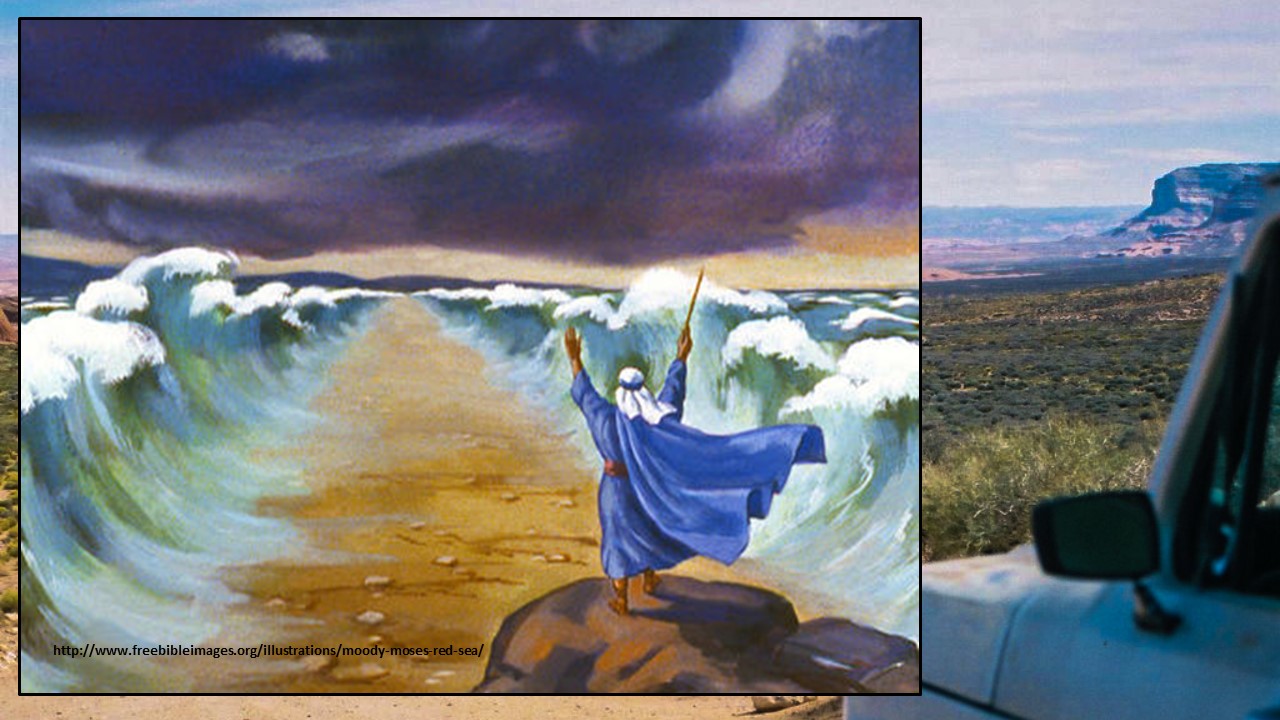
 Now back to Moses. He’s the face people see. And because they still aren’t sure what’s up, he’s the one who receives all the complaints. He’s weary and needs help. But unlike the people who have questioned God’s goodness, thinking the Almighty led them into the desert to die, Moses trusts the Lord. After all, God has always comes through. When Israel’s back was up against the sea, it wasn’t Moses who parted the sea. He might have lifted his arms as we see in the movies, but it was God, the one who watches out for Israel, who saves the day.
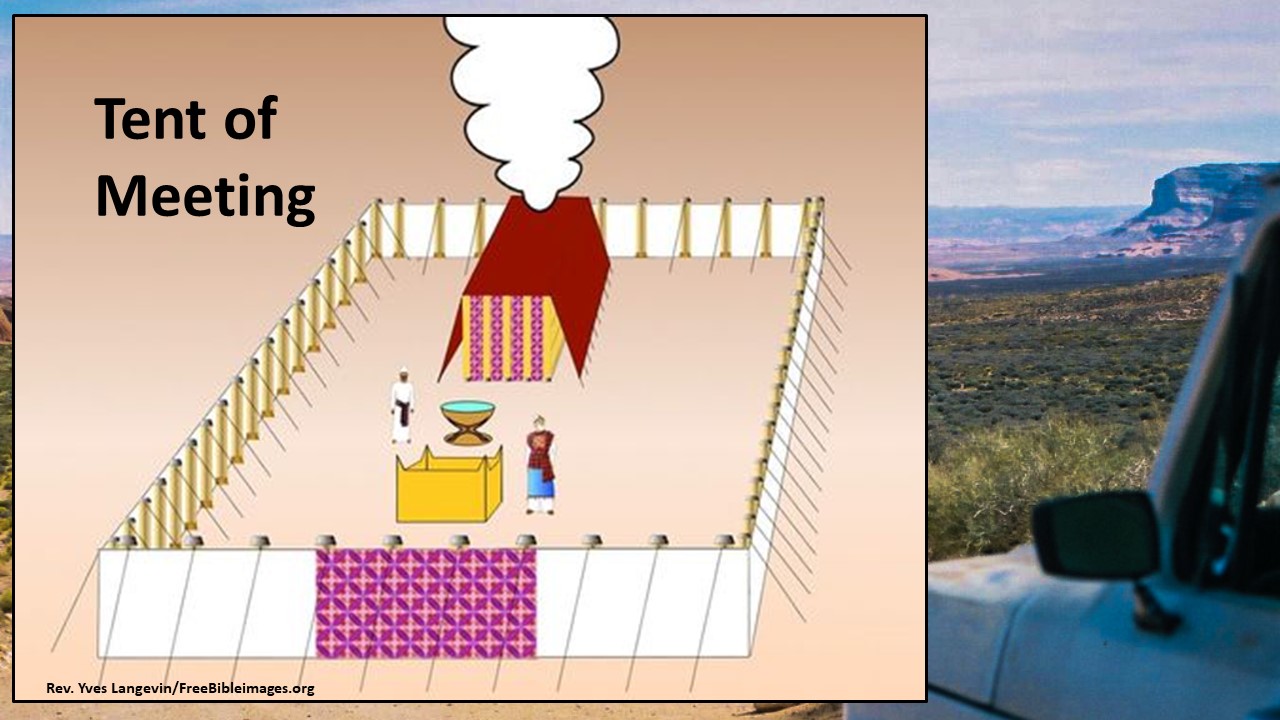 Let’s look at the text. After the elders were commissioned, they received the spirit and prophesied. That was all well and good, and expected. But what happens next is that there were two men, who were not in the assembly, who showed signs of having the spirit placed upon them. They, too, prophesied. This was disturbing, for these were not ones who were supposed to be doing this. A runner (a 14th Century BC tattle-tale) was sent to Moses saying, Eldad and Medad are prophesying in camp. Joshua was ready to have them stopped but it didn’t bother Moses. “Let them be,” Moses responded. “Are you jealous for me? Wouldn’t it be nice if all God’s people were prophets?”
 What can we take from this passage? How might it apply to our topic of growth? There are two things that come to mind. First of all, as we see in the story of the Exodus, we have to take the risk to follow and to trust God. It can be scary at times, but if we are willing to take that risk, God will protect and watch over us. Faith isn’t about certainty; if it was, it wouldn’t be faith. Faith is about trust. Do we trust God enough to take a risk that will allow God to show us that he’s with us? When God’s church grapples at what its future might be, those who are willing to take a risk are the ones rewarded. It’s easy to sit back and do nothing, but that’s not the type of followers Jesus calls. As the Session of this church works on our strategic plan for the future (and this is a process), I hope you will be open to new directions. God calls us to risk in faith, not for our glory, but for God’s. Are we up for taking risks? We can’t keep doing the same thing that might have worked for us 30 or 40 years ago. Times change and new strategies are required. We are called to be people of faith and we must live into our calling.
 Secondly, we learn in this passage that we’re not in control and we need to let God’s Spirit work. Those who were upset with Eldad and Medad show a human tendency to have preconceived ideas of what it looks like when God shows up. We have to be ready for surprises, for God’s ideas may be different from ours. God has this incredible love for all people, not just those who look, think and act like us. We might be surprised what God is doing in our midst and it might make us uncomfortable. Someone might come up with a new idea that we’ve never tried before, or that was half-heartedly tried years ago. Is our first reaction to immediately reject it? Or are we willing to see if God’s Spirit’s is leading us in a different direction? The truth of Jesus Christ never changes, but how we live out that truth within a changing culture will be different.
 Remember, it’s not about us. We’re called to have faith, to trust, and to follow Jesus as we move through the “Land Between.” And if we have faith, we will experience growth in our own lives and within the community. We might not know what that growth really looks like until afterwards, but when we are there, we will know that God has been with us. Amen.