David Halberstam, The Fifties (1993, New York: Ballantine Books, 1994), 800 pages including index’s and notes, plus 32 pages of black and white prints.
The decade was 70% completed when I was born. I have no recall of the 1950s, even though I was born late in the decade. Having now read this massive history, I now feel as if I lived through the decade.
Halberstam begins his story with Truman’s election of 1948, the Soviet test of a nuclear weapon in 1949, and the beginning of the Korean War in 1950. The short time the United States had as the leader of the world and the only nation with nuclear weapons had come to an end. We were beginning a new era, the Cold War. The uneasy situation with the Soviets would remain throughout the decade and Halberstam ends this book with the story of the U2 being shot down over Russia (which ended Eisenhower’s quest for a nuclear treaty) and the planning for the Bay of Pigs invasion of Cuba.
A lot happened in the 1950s and, as Halberstam points out, much of what occurred in the 60s had its roots in the 50s. From music to Vietnam, civil rights to foreign policies, the sexual revolution to television, space and science to the rise of suburbia, McCarthy to Kerouac, the 60s (and 70s) grew out of seeds planted in the 50s. Halberstam follows these developments through vignettes, stories of what was happening. In ways, the stories can stand alone, but taken together they paint a picture of vibrant decade that too often has been portrayed as sleepy.
Many of the people whom Halberstam writes about are well known and became even more famous in the 1960s (Richard Nixon, Hugh Hefner, Marlo Brando, Marlyn Monroe, Elvis Presley, Martin Luther King, among others). Others were less well known, but their ideas caught on as they developed fancy car designs, hotel and restaurant empires, housing tracks, and pushed America into a consumer culture. As I approached the end of the book, I was shocked to see one such individual that I knew personally. Kensinger Jones (pages 629-635) spent his retirement years on a farm south of Hastings, Michigan. He was a member of First Presbyterian Church in Hastings while I was pastor. Unfortunately, he was unable to be very active due to health issues, but I often visited with him and his wife Alice and enjoyed our conversations. Ken Jones was responsible for a series of Chevrolet ads that weren’t designed to “sell cars, but to sell dreams.” These ads were essentially a mini-story told visually as the consumer was encouraged to “See the U.S.A. in your Chevrolet.” While Ken certainly appreciated the power of the image, as Halberstam notes, he also appreciated the written word. After he could no longer attend church, he would read my sermons and often wrote notes of appreciation. And he was an author himself. I have two of his books on my shelf today.
Toward the end of Eisenhower’s presidency, there were those who suggested it was a shame there was the 23rd Amendment that kept a President from running for a third term. Eisenhower, whom it seems in Halberstam was never sure if he wanted to be President, would have nothing to do with such talk. He didn’t want a third term nor did he think anyone should be President over the age of 70. I wonder what Ike would think about our last election with both candidates over the 70 mark?
This is a wonderful book with many great stories. Even those who have no memories of the 1950s will find themselves entertained and will learn how this decade influenced future decades in America.
Jeff Garrison Skidaway Island Presbyterian Church First Corinthians 15:35-50 May 26, 2019
Today, I’m in my fourth of five sermons on the 15th Chapter of Paul’s first letter to the church in Corinth. That may sound like a lot of sermons, but it’s a long chapter! Two weeks ago, we talked about the ethical consequences of the resurrection. For Paul, the resurrection isn’t just something that only affects us in the future; the resurrection is the reason for us to live for Christ in the present. In this section, Paul returns to his discussion about Christ and Adam as he discusses the “resurrected body.”[1]
It appears Paul’s reason for this discussion is to convince those in Corinth who question the resurrection. They may have formerly been Jewish Sadducees. The Pharisees, if you remember, believed in a resurrection, but the Sadducees taught that this life was it. Paul addresses such disbelief in the first half of his response. Now, as he moves toward his conclusion of the topic, he addresses what he anticipates to be the follow-up question. Having maintained that there is no resurrection, these critics of Paul’s teachings might come back to Paul’s challenge and ask, “Well, Mr. Big Shot, since you say there is a resurrection, how is this going to happen and what are we going to look like?” Let’s hear what Paul has to say. Read 1 Corinthians 15:35-50.
Have you had an experience where you dreaded what was to come and then found yourself unexpectedly pleased by what happened?
I woke up at 6 AM to the sounds of the Star Spangled Banner blaring from the radio. It was the day after Labor Day, 1988. KECH with its whopping 58 watts of amplification began the day’s broadcast up and down the Wood River Valley. The station was off air between midnight and 6 AM, so instead of setting an alarm clock, I just left the radio on at night. I went to sleep to music and woke feeling patriotic. I had become accustomed to getting up in this manner during the summer at Camp Sawtooth in the Boulder Mountains of Idaho. As the music played I’d wash up, brush my teeth, dress, and head down to the dining hall where I’d build a fire to ward off the morning chill. Throughout the summer, when I came into the dining hall, the cooks would already be in the kitchen, fixing breakfast. The smell of coffee perking and bacon frying would fill the air. It had been a near perfect summer. But this morning was different.
I dreaded getting out of bed. The cooks were gone for the season. I had to fix my own coffee. Yesterday, the last weekend group for the summer had left and camp became eerily silent. If you have ever worked at camp for a summer, you’ll know the feeling I’m expressing. There were only three of us left in that canyon, and we’d all be heading out after lunch. The morning would be busy draining pipes and closing up the camp for winter. When it came time to leave, we’d lock the buildings and gates and our summer in the valley under the tall lodgepole pines between even taller mountains would be over.
After listening to the news and the weather (it was below freezing in the mountains, but would warm up and be another sunny day in paradise) I reluctantly crawled out of bed. I made coffee for Jack and Evelyn, our caretaker and his wife. I laid a fire in the wood stove one final time.
It wasn’t just leaving camp that I was dreading. I was worried about what was ahead in my life. That spring, I had agreed to spend a year in Virginia City, Nevada. It sounded exciting back in March: to be a student pastor, preaching every Sunday, and living in this desert town. Now the time was at hand, I wasn’t sure I was up for the task. First of all, I had to come up for a sermon every week. And then, I’d be living in Nevada. This was back in the 80s, before casinos dotted the landscape. Having been raised to consider gambling a sin, it made me nervous to be where it was in your face.
Furthermore, Storey County, in which Virginia City sits, had legalized prostitution, a troublesome idea that made me wonder how I’d relate as a pastor, a public representative of God. Finally, even the drive to Virginia City seemed daunting. Much of it was on two-lane roads through mountainous deserts. The last leg included the infamous forty-mile desert where there isn’t a drop of water to be found. I’d just read a book on this stretch the pioneers dreaded and even though I’d be flying through that part of the trip at freeway speeds, there was something about going through this desert that made me nervous. It didn’t get any better the next morning, when I stopped in Lovelock at the edge of this desert and noticed one of my tires going flat. I took it to a shop and sure enough there was a nail in the rubber. It was good I found it when I did; however, it seemed a bad omen. Have you ever been there where you just dreaded what’s next?
Of course, with the exception of that nail, the trip was uneventful. I arrived in Virginia City and after a week or so of feeling out-of-place, it became home. As much as I had enjoyed the summer, I really enjoyed that year in Nevada, as most of you have probably surmised from stories I’ve told. The dread turned into a blessing. Have you had such an experiences?
We have a God who loves to surprise us. Ours is a God who invites those at the back of the line to come to the front. He’s a God of love who’s willing to forgive and to allow us a chance to start afresh. He’s a God of protection and refuses to abandon us. He’s a God of glory who shares his majesty through the beauty of a sunrise or a rainbow after a thunderstorm. God can take what we dread and provide a memorable experience. And the resurrection is the ultimate example.
We all dread death, don’t we, but our hope is in the resurrection, which can only be experienced after death. In the resurrection, God reverses our fortune and we’re changed from dead to eternal. Just don’t ask me how. It’s just God’s way. But before I go to what Paul has to say, I should note that such dread of change can be an issue in all areas of our lives. We even find ourselves having such feelings in the church. As people, it seems we like to resist change even though it’s the only thing certain in life… Yet, we’re always nervous about the future. This shows our lack of trust in others (which can be expected, for we’ve all been let down at one time or another). But it also displays a lack of trust in God. We seem to forget that God has things under control; it’s not really up to us.
You know, we’re involved in a Strategic Planning process and this passage speaks to the fear we have of such a process. None of us like change? But to loosely summarize what Paul says here: “sometimes things have to die so that something new and better can come into being…”
As I said before reading this passage, Paul begins asking what probably had been a follow-up question by those who were denying the resurrection. “Just how are the dead raised, Paul? What kind of body will they have?” Paul doesn’t mince his words here and replies with a passionate response, “Fool.” You can’t be much more emphatic than that! He continues by noting what is planted as a seed has to “in essence” die (as it’s buried in the earth) in order to come to life as a new plant. He also notes there are different kinds of flesh and different kinds of bodies as he points to other animals and even to the heavens… We live in a wonderfully unique world.
Of course, this world to come, this resurrected body we’re to inherit, is still a mystery. But it will be amazing, according to Paul. Our bodies are perishable, but after the resurrection, they’ll be imperishable. Due to sin, our bodies have been dishonored, but the resurrected body will be glorious. Our bodies today grow weak, but in the life to come our bodies will be strong. The resurrection will result in a new spiritual body—which by the way doesn’t mean we’ll be ghost-like, for Paul insists that we’ll have bodies.
Next, Paul returns to the topic he’d brought up earlier in the chapter: Adam and Jesus. Adam is the man of dust. God created him as God created us. If there was any question about Christians believing in reincarnation, Paul negates such ideas here when he insists there is no spiritual beginning for us. This idea was no doubt prevalent in Corinth as it is found in Platonic thought. At the end of Plato’s classic work, The Republic, he describes how spirits leave one world to be born in this world.[2] But this isn’t a Christian idea. Many New Agers as well as Mormons, Hindus and Buddhists believe either in some form of pre-existent spiritual presence or reincarnation, but such thoughts are not a part of our theology. As Paul shows, we are from the dust.
But there is one who transcends the dust, the one who in Revelation is known as “the alpha and the omega, the first and the last, who is and who was and who is to come.”[3] Although this man was from heaven, he set aside his glory and power and assumed a life in the flesh.[4] With Adam, the man of dust, we share his sinful imprint. However, with Jesus, the man of heaven, we too will share his imprint, and it will be glorious. But that’s in the life to come and we’re all going to dread what it takes to get there, for our perishable bodies must return to the elements before we can arise with glorious new and eternal bodies.
Does Paul tell us what heaven is going to be like? No, not really, except that we will have bodies. Instead, he places his trust in a loving God that has our best interest at heart. And he encourages us to do the same. Yes, there is a resurrection and whatever lies on the other side of death is going to be far more glorious than we can ever imagine in this life.
As followers of Jesus, we shouldn’t spend too much time fretting and worrying about the future. “Don’t worry about tomorrow,” Jesus tells us.[5] God’s got it under control. Yes, life is going to be full of changes, but such changes won’t even begin to compare to the transformation we’ll experience at the end. Living with the confidence of the resurrection should mean that we fear changes less in this life, for the long-term forecast is for things to be incredible. Amen.
[1] Compare this to 1 Corinthians 15:21-24. I am basing my thoughts upon ideas set forth by Kenneth E. Bailey in Paul Through Mediterranean Eyes: Cultural Studies in 1 Corinthians (Dowers Grove, IL: IVP, 2011).
Yesterday’s worship service focused on our responsible use of social media. Here is a review of a book that reminds the church how we might use such media in a positive way. Click here to read yesterday’s sermon, “A Light in the World”
Meredith Gould, The Social Media Gospel: Sharing the Good News in New Ways, second edition (Collegeville, MN: Liturgical Press, 2015), 180 pages, index and notes.
This easily read book encourages churches to support social media as a way to expand their communication and outreach. Sadly, it is four years old. The digital world is rapidly changing as new venues come online and changes are made to existing ones. The author, a committed Roman Catholic, writes for an ecumenical audience. She often quoting those from other Christian traditions. The forward for this edition is even written by the Reverend David Hansen, a Lutheran pastor in Texas.
The book consists of three sections with a number of helpful appendixes. In the first section, which I found most helpful, she debunks the idea that social media destroys community. Instead, it creates new types of communities. She also has a brief chapters on generational differences, learning styles, and personality types. She helpfully points out that what one person finds annoying could be what draws another person into the community (22). Such a reminder is helpful, for it is too easy to let the most outspoken critics drive us, which often leading to inefficient efforts that fail to accomplish anything. A little grace by all of us goes a long way toward accomplishing the church’s mission.
Gould provides an interesting take on the old 80/20 rule. She suggests that 80% of our content on social media should be about building community and only 20% to be about promoting and reporting on the news of the organization. I have heard similar ideas from several other sources writing about business use of social media, one of which suggested that you try to build up your reputation (or brand), offer five helpful solutions for every “sales pitch” you make. A second interesting “rule” (which she credits to Jakob Nielsen) is the 90/9/1 Rule. 90% of the people observe your social media presence, 9% occasionally participate by commenting or interacting, and 1% dominate by providing most of the content and comments. She suggested the 1% are important for they are our ambassadors/evangelists, but that we also don’t forget that we may be reaching a lot more people than those who participate. (26)
There were a number of other gleaming I found helpful in Gould’s opening section. She suggests that technology provides a means to prepare people for the sacraments, but it does not replace or provide the sacrament. (10) There is still need for real presence within the community. I also found it helpful how Gould describes the development of online communities. Online, things move approximately three times faster than in the real world. People engage much quicker and they also stay engaged shorter periods of time than they might in the face-to-face world. (31)
The second section of this book offers guidelines into developing a social media strategy and provides a basic overview for top mediums of social media: blogging, Facebook, LinkedIn, Pinterest, Instagram, Twitter, YouTube, Snapchat. For each of these groups, she provides suggestions on ways the church might use them to further its mission. While she does not suggest that the church attempt to use all of these mediums, but to pick those which would best for the church’s situation (there are helpful questions that can guide such decisions), she is a big fan of Twitter. While she doesn’t suggest that Twitter is for everyone, she tells of her “conversion.”
The final section of the book is titled “Making Social Media Work.” There are several helpful chapters here that focus on how social media can be integrated into a church’s communication strategy, how to develop content (and share it on multiple platforms), handling burnout, best practices for social media use and how to handle online conflict. As for creating content, it needs to be short (according to her suggestion, this review is about 250 words longer than it should be J).
While I found parts of this book dated and a little elementary, Gould provides useful tools to help congregations discuss this new world in which we live. And, as for it being elementary, I must remember that may not be the case for everyone. After all, I’ve had a blog for over 15 years, have served churches with websites for 25 years, and have been on Facebook for nearly a dozen years. Others may find this book to be right at the level as they began engaging in this new online world.
Jeff Garrison Skidaway Island Presbyterian Church Matthew 5:14-16 May 19, 2019
Over the past year, Skidaway Island Presbyterian Church has invested a lot of money along with both volunteer and staff time to help our congregation improve its technology. Last summer, we added the monitors, getting rid of the screen, that eye-sore behind the chancel that was hard to see. We also added cameras to record the service and other events held in our sanctuary. Then we started streaming our services over the internet, which is popular among those unable to make it to church because of traveling, being home bound, or in the hospital.[1] We’ve even offer a way to give online. All of this is a way to help us better connect to our community. Let me now put a plug in for a discipleship opportunity: we are always in need of people to help us with this ministry. If you would like to volunteer, speak to one of the volunteers in the sound booth or see Jim Brown or me.
Our world is changing. We are more mobile. We are living longer and the last years are often more restricted. As a congregation, this investment helps us continue as a beacon of hope in a dark world. After all, that’s what Jesus calls us to do as we’ll see in today’s reading. I am going to take a break from working through the resurrection passages in 1 Corinthians and look at some Jesus’ thoughts from the Sermon on the Mount.
The Sermon on the Mount begins in the fifth chapter of the Gospel of Matthew and continues for three chapters. We’re told Jesus is on a hill and the disciples and other followers have gathered around him. He begins teaching with a series of nine beatitudes: blessed are the poor in spirit, the meek, the peacemakers, and so on. Then, there’s a bridge between the beatitudes and the commands that fill out his sermon. This is the “you are” section, from which we will read today. There are two “you ares”: salt and light. I should also note that the “you” here is plural. Jesus is saying, “You folks,” or as we say down here, “y’all.” Y’all are the salt and the light. This isn’t only for individuals. This is a community task, it’s the role of the church, as we’ll see.[2] Read Matthew 5:14-16.
###
What does it mean today to be a light to the world? And what did this mean to those in the first century?
In early 2000, I spent several weeks in Korea where I had been invited to preach and, conveniently, as my parents were living there at the time, to visit them. I was able, as the old cliché goes, “kill two birds with one stone.” I flew into Seoul at night. This was the old airport that the city had grown up around. I was shocked as the plane made a low approach over the city to see numerous neon and lighted crosses on buildings. They were all over the place. Is this what it means to let your light shine?
The Koreans borrowed this idea from the West. In the old villages in Europe, a church and its steeple was the center of town. You could see the steeple from far off. In America, we adopted such ideas. Consider a New England village with the tall steeple in the middle. Or look at the downtown Savannah skyline, with large steeples rising high over the trees, providing visibility and, in many cases, a maintenance nightmare. The purpose is to keep everyone mindful of the church as the center of our lives, where together we focus and praise God. Jesus talks of a city built on a hill that can’t be hidden, so if you build a city in a valley, you put up a steeple to make it more visible.
I’ve told you before about our family’s exile from North Carolina when I was 6 years old and how I spent the first three years of school in Virginia. I still remember one of the churches we attended there—Second Presbyterian Church in Petersburg. It was an old church in the downtown area that had endured much. During the Civil War, its tall steeple was hit by a Union canon ball.[3] They had a hard time with the tall steeple and after it was blown off in a tornado and hurricane, so they opted for a shorter tower. The church I served in Ellicottville, New York used to have an 80 foot spire on top of the bell tower that soared over the city. But after being hit by lightning, they opted for a stubby top. Is this the way we shine light on the world? Or, is our light through our actions?
As I pointed out, Jesus is making a transition from the blessings he’s offered to the more instructional part of the sermon. I encourage you to read these entire three chapters to see what’s happening. In a way, he’s giving this humble and struggling collection of people a great compliment. They are to be his light in the world. God chooses the marginal. The poor and the powerless are instilled with an important mission. Jesus, the light of the world, takes such a motley group and sets them off on an important assignment. Through our good deeds (we’re a part of this group), others watch and hopefully are impressed and seek out God. They, and we, are not to do good works to be praised, but so that our heavenly Father will be praised.
Note this: Jesus makes a point to say, “your heavenly Father.”[4] He repeats this emphasis in the next chapter in the Lord’s Prayer, where we begin “Our Father.”[5] From the very beginning, Jesus sees us as a part of his family. God is not just Jesus’ father.
So, are we a light to the world? That’s a question we should ask ourselves as I turn this sermon back to the focus of the morning—our use of technology.
In our Old Testament reading, we hear the story of the “fall.” In the story of the Adam and Eve eating the forbidden fruit. It wasn’t that they picked a bad piece of fruit, it was that they were trying to be like God as they disobeyed a direct command from the Almighty. Much of our knowledge is morally neutral. It becomes problematic only when we use it in the wrong manner or for the wrong reasons, such as playing God. Technology is full of examples. Nuclear energy can be used to treat cancer and produce power and it can be used to blow the planet up. The same can be said for the internet. It’s a great tool for research, but we can also spread untruths and confusion. And social media, it’s a great tool to connect with others, but we can also use it to spread gossip. We can use these tools to be a light to the world or, as there’s always a downside, to cast darkness.
Jesus calls us to be a light. I pray our use of technology here at SIPC is doing that, helping us to be a light as we share the message of hope to the world. But we need to go deeper for we are all a part of this body. Because of this, we all need to take our own inventory of how we are letting your light shine? You know, if you have the church sticker on your car, it would be a good thing to be polite when you drive. Otherwise, people will have the wrong idea of what we teach in church.
You don’t won’t to like the guy who was pulled over, arrested, and hauled off to jail for stealing a car. He protested continually. After an hour of checking his story, the police apologized. “I couldn’t believe it was your car,” the officer said. “You have all these bumper stickers about loving Jesus and following you to church. After you gave the finger, shouted obscenities, and laid on your horn at the driver who was obviously lost, I just assumed you had stolen the vehicle.”
Our actions often speak louder than our words.
If you use social media, do you use it in a way that brings God glory? Before you post something, ask if God is being glorified. You don’t have to make everything about God, but if you post or share something that is untrue or of a questionable nature, you are not being a light to the world. If you belittle those with whom you disagree, you are not being very Christ-like and your light isn’t shinning.
As the church enters the technological world in which we live, I also encourage you, if you use such technologies, to do so in a way that will help further our light in the world. Online, we Christians can respectfully answer questions about our faith, we can offer comfort to those who grieve or live in fear, we can help meet the needs of others, we can help empower others to further God’s work, we can help create loving digital communities, and show the love of Jesus in a compelling ways.[6]
Just “liking” or “sharing” posts about our church helps us share our message with others. Don’t let this new world scare you. And there’s more you can do. Help a neighbor who is homebound reconnect with church through our streaming services. Feel free to share a gleaming you gathered from a sermon, or tell of your feelings of a piece of scripture, or how a hymn or choir anthem spoke to you. But whatever you do, do it in a way that will bring a smile to Jesus’ face and help us reflect his face in a positive way to the world. Remember, as we heard in the chancel drama, Jesus has no online presence, but yours. No blog, no Facebook page, but yours.[7] Amen.
[1] To watch the streaming on Sunday mornings at 10 AM, go to our www.sipres.org and click “watch live”.
[2] Frederick Dale Bruner, The Christbook: Matthew 1-12 (Grand Rapids, MI: Eerdmans, 2004), 192 and Douglas R. A. Hare, Matthew: Interpretation, a Bible Commentary for Teaching and Preaching (Louisville, KY: JKP, 1993), 44.
[6] I modified this list from one created by Rachel Lemons Aitken, “Digital Discipleship” Ministry (May 2019), 23.
[7] This is a contemporary take on St. Teresa of Avila’s prayer, “Christ has no body:”
Christ has no online presence but yours,
no blog, no Facebook page but your,
Yours are the tweets through which love touches this world,
Yours are the post through which the Gospel is shared,
Yours are the updates through which hope is revealed.
Christ has no online presence by yours,
no blog, no Facebook page but yours..
By Meredith Gould, The Social Media Gospel: Share the Good News in New Ways, 2nd Edition (Collegeville, MN: Liturgical Press, 2015), 9.
I’m catching up on my reading… I keep thinking I’ll write short reviews for posts like this and I never do! These are some of the books I’ve read over the past month.
Chimamanda Ngozi Adichie, Purple Hibiscus (2003, New York: Random House/Anchor, 2004), 309 pages.
This is the first novel for Adichie, a Nigerian author. The story is set in her country during a politically unstable time. Kambili, a fifteen year old girl, is attempting to makes sense of her world. Her father is rich, generous, powerful, and a devout Catholic. In addition to factories, he owns a newspaper that isn’t afraid of speaking out against the corruption of the government. But at home he’s a tyrant. He makes his children live by a strict schedule and demands perfection. If they are not first in their class, they’re punished. He leads his family in saying their rosary and in prayers daily, but even these times are strict and rigorous. He’s highly thought of in the church, but is cruel and abusive with his children and wife. Kambili and her older brother Jana are treated terribly. In anger, he deformed one of Jaja’s fingers and at another time made his children stand barefooted in the tub while he pours hot water from a tea kettle on their feet.
Java and Kambili are granted a respite from their troubles when they are allowed to stay with their Aunty Ifeoma for a few weeks. He sends them with his driver, the trunk loaded with extra bottles of gas for her stove and sacks of rice and other foot stuff. Their aunt is also religious but she has a much more gentle faith, even praying that her family might experience laughter. She is a professor at the university, but there is unrest even there. At the aunt’s home, Kambili falls for a young priest, Father Amani. She is coming of age and is shocked to learn that all the women are interested in him. There, they also spend more time with their grandfather, whom their father has essentially disowned because he still worships in the old (non-Christian) ways.
They go back to their aunt’s after Kambili is severely beaten by her father and spends time in the hospital. This sets up the conclusion of the story, which has twist that I won’t spoil.
This book explores many themes. The tension between old traditions and newer (European) ways, the problems experienced by post-colonial countries like Nigeria, the lure of the West (Aunty Ifeoma ends up moving to America and Father Amani is sent to Germany). The book also deals with themes of abuse, corruption, and how a man like Kambili’s father can be brave and generous and evil at the same time. Adichie’s writings draw heavily on the setting and one can smell the flowers blooming and the downpours in rainy season.
I recommend this book! I think it is important for us to look into other cultures and in this era of debate over immigration, Adichie’s provides insight into what native people in a post-colonial country thinks about Europe and America.
Rick Bragg, The Best Cook in the World: Tales from My Momma’s Table (2018), 19 hours and 17 minutes on audible.
I listened to this book, read by the author. It’s a treat to listen to Bragg read his own words as his accent brings the book alive. However, this will be a book that I also plan to buy and keep as a hard copy, for the stories are wonder and every chapter ends with a recipe or two.
Over the past twenty years, Bragg has told many of his family stories, but this book tells the stories from a different focus, the kitchen table. Every dish he writes about comes with a family story, some going back to his great-grandfather. He was a wild man who, at the request of his son, taught his daughter-in-law (Bragg’s grandmother) how to cook. While Bragg never knew his grandfather or great-grandfather, both who died before his birth, he did know his grandmother and wrote about her and her husband in his book, Ava’s Man. As he tells of hard times and the good food that sustained the family, we are treated with wonderful stories. Bragg can make his reader lust after pig feet (I remember my mother’s mother eating pickled pig feet and all it took for me to try it). Many of his stories are about how to procure pigs and cows to eat. His family was involved in some minor incidents of larceny, which long after the guilty have passed on, can be quite humorous. And then there are the chickens and how the roosters who enjoyed pecking at the ankles of his grandmother were soon destined for Sunday dinner.
Some of his stories have a familiar ring to them. He speaks of baking possum on a hardwood plank and then throwing away the possum and eating the board. I’ve heard this same story many times in cooking shad, a fish that runs up rivers along the East Coast. Shad was to be nailed to a board and then the board consumed. Another familiar story is a variation of “stone soup,” where his grandfather made “ax head soup” for a bunch of hobos. But he also had meat and some beverages to help complete their feast. It was his grandfather’s way to helping those who were in the same predicament in life as he had once been. There was a tenderness in this show of generosity.
Bragg gives inside into another southern treat, poke salad. Most people would have never heard of such thing had it not been for the song, “Poke Salad Annie.” But I remember poke salad from my grandma, my father’s mother. Although I don’t remember her fixing it, she talked about how you prepare the tender young leaves. The plant is poisonous, so one has to take the young leaves and boil it in several pots of water, throwing away the water that contains the toxins. When one has to take such care to rid toxins, it’s not worth it. I’ll stick turnip greens.
There are many other great stories around making biscuits, cornbread, greens, fish, fried chicken and deserts. This book will delight your taste buds and make you long for good home cooking.
Jack Kelly, The Edge of Anarchy: the Railroad Barons, the Gilded Age, and the Greatest labor uprising in America (2019) 11 hours and 15 minutes on Audible.
This book is in keeping with a long lists of books about America in the late 19th Century which I’ve read this past year. The book focuses on two key people, George Pullman and Eugene V. Debs. The late 19th Century was a period of unrest in this country as Kelly points out. This was the era of Coxey’s army marching on Washington, along with large strikes by workers and anarchist ready to toss a bomb (sometimes literally) into simmering conflicts.
Pullman was the founder of the “palace car empire” and a very wealthy man. Not only did he build sleeping cars, he maintained control of his cars by leasing them to the railroads instead of selling them. This way, he not only built the cars but provided staff that operated the rolling hotels and was able to shuffle cars between railroads, allowing customers to stay in a car as the train passed over multiple railroads. Pullman was innovated in many ways. He attempted to build an upscale company town. His idea was to attract better workers for building his rail cars, but it was still a town that he owned and controlled. In the 1890s, as deflation swept the nation, Pullman cut the wages of his workers, while maintaining the rents he charged in his town. During this time, he refused to cut the dividends his company paid or reduce his own and his top management’s salaries. This lead to unrest and eventually a major strike that impacted the entire nation.
Opposite Pullman was Eugene V. Debs, who was attempting to change the nature of unions from a craft guild that served particular skills (such as firemen and engineers) to a union that represented all railroad workers. As the strike at the Pullman plant grew, other railroads workers became involved, leading to disruption throughout the system. While employees refused to handle Pullman cars, the battle became greater as other traffic was delayed or stopped. Cities like Chicago were beginning to starve.
Kelly demonstrates the length the railroads went to in order to break the strike. One tool they had was the mail service. Debs and other strikers insisted that nothing was to be done to disturb the mail, which was a federal offense. Mail cars on passenger trains were generally at the front of the train, while the Pullman cars, which had to be available to be transferred from one line to the other, were at the back of trains. This allowed railroad workers, who were refusing to handle Pullman cars, to easily push them off onto sidings while allowing the railroad to continue operating. Knowing this, train officials starts making up the train, putting the mail cars behind the Pullmans, forcing the union’s hand. Eventually, the federal government was able to use the excuse of mail disruption to call in the army to break the strike. Soldiers who had been used to keep the peace in the West (or fighting the “Indian Wars”) were deployed to cities like Chicago and Sacramento.
Kelly tells the story of the strike and the era in an interesting way that keeps the reader engaged.
Jeff Garrison Skidaway Island Presbyterian Church 1 Corinthians 15:29-34 May 12, 2019
I have been reading Chimamanda Adichie’s novel, Purple Hibiscus. Set in Nigeria during a politically unstable time, it’s the story of Kambili, a fifteen year old girl trying to make sense of this world. Her father is rich, generous, and a devout Catholic. But at home he’s abusive and a tyrant. He makes his children live by a strict schedule and demands perfection. The family have their prayer time, but even that is strict and void of joy.
When Kambili and her brother are sent to their aunt’s home one summer, they experience a different kind of faith. As with the dad, her aunty leads the family in prayer. Kambili is shocked at the difference. Like her father, she prays for those who don’t believe. But her father prays only that they be saved for the torment of hell, while her aunt prays that they be blessed. And she ends her prayer asking that they all experience peace and much laughter.[1] This shocks Kambili, for laughter was something she never considered of asking for in a prayer. While her aunty isn’t her mother, in a way her “motherly touch” opens up a new way of understanding faith.
I hope you have had such mothers in your life, whether they were your birth mother or another woman like an “aunty”, who helps you experience the hope of our faith. My mother grew up poor and it made her sensitive to the needs and the feelings of others. She expected her children to always be kind to others. It seems, sometimes, that we learn about the gentleness of our faith from women. We should cherish such teachings for our faith is not grounded in judgment and fear, but in life, abundant life, everlasting life. This is why the resurrection, as we going to see today, is so important to our faith.
In my sermon today, I am going to continue looking at the 15th Chapter of Paul’s first letter to the church in Corinth, the resurrection chapter. Read 1 Corinthians 15:29-34.
###
There are those who see the resurrection as a “pie-in-the-sky” doctrine that allows us to endure life on earth, kind of like Karl Marx’s critique of religion being the opium of the masses. But for the Apostle Paul, this is not the case. The resurrection makes a difference in his life in the present. It’s why he can be so fierce and bold to act.
Today we are looking at the center of Paul’s argument for the resurrection. This is a rather problematic passage, especially the first verse which implies there are those who are being baptized for those who have already died. So let’s start out by digging into the text here. This is the only place there is any mention of baptizing the dead in the New Testament, which creates a problem. Should we be doing this, we might wonder? I don’t think so. The only groups who have baptized for the dead have always been considered heretical sects.[2] So what does this mean? No one really knows. As Kenneth Bailey points out in his commentary on First Corinthians, there are at least forty different interpretations of what this passage might mean.[3] But since it is the only place it occurs, we can’t be too sure.
But here’s a possibility. Perhaps Paul refers to a conversion of someone after the death of a believer. For example, someone in the faith dies: perhaps a spouse or a parent. The non-believing spouse or child then decides to be baptized and to become a believer in part in the hope to be reunited with their loved one after the resurrection. To get to the point Paul is making, if there is no resurrection, such an action would be foolish.[4]
The only religious group I know of today who baptize for the dead are the Mormons. But their cosmology, their worldview, doesn’t conform to the Christian tradition—be it Protestant, Catholic or Orthodox. Essentially, they believe that salvation comes through their particular organization, which is why they think even the dead need to be baptized into their church. But we don’t believe that. For us, baptism is not a requirement for salvation; it’s a sign of our salvation which is grounded, not in the church, but in Jesus Christ. We focus on him: on his death and resurrection. Paul is driving this point home in this section of First Corinthians.
From how this verse reads, Paul never says if he agrees or disagrees with whether or not the dead should be baptized.[5] Instead, he is using such a practice to bolster his argument that if there is no resurrection, the rest of the faith doesn’t matter. If God doesn’t have the power to bring Jesus from the tomb to life, God won’t have the power to bring us to life and, as he said earlier in the chapter, our faith is in vain.[6] Again, for Paul, the resurrection is not a “pie-in-the-sky” doctrine, but one that has implications for how he lives his life in the present.
Paul is getting to the heart of the meaning of the resurrection here in the middle of this chapter. What difference does the resurrection make?” Paul essentially asks. His answer: “it makes all the difference in the world.” Because of the resurrection, we can face life with confidence and should live lives worthy of this gift.
Notice how Paul builds his case, reaching a peak at verse 31 with his boast of Jesus Christ, in whose death we’re called to die through baptism so that we might live eternally with him… For Paul, everything is focused on the Lord. On both sides of this proclamation, Paul notes the danger the Corinthians and he face daily for their belief in Jesus Christ. And then on the outside of that, Paul is almost dripping in sarcasm as he begins and ends with a statement that includes “if the dead are not raised?” If there is no resurrection, why bother to do all this stuff? If there is no resurrection, why don’t we throw a party, eat and drink, for tomorrow we may die. But Paul doesn’t believe this as he shows in this central statement, his profession of faith in Jesus Christ. Therefore, he concludes with additional suggestions about how we’re to live our lives.
In verse 32 Paul suggests that if it weren’t for the resurrection, he’d not be fighting with wild animals in Ephesus. As we look back on this from our perspective, we recall Roman circuses and it is easy to imagine Paul fighting lions like other Christians who were taken into the coliseum in Rome. However, the practice of feeding Christians to wild animals in the coliseum didn’t start until a century later.[7] So what might Paul be referring to here?
Although Paul spent more time in Ephesus that anywhere else in his missionary journeys and wrote this letter from there, Ephesus was a difficult place to be a Christian missionary.[8] We see this in Acts, where the silversmiths in Ephesus have a problem with Paul’s preaching.[9] Paul’s message is bad for business, for they make their living selling statues of gods and goddesses. If such gods don’t exist, why would anyone buy such a statue? This led to some difficulty for Paul and his ministry in Ephesus, a conflict that was like fighting wild animals for he may well have been fearful for his life. It wouldn’t have taken much for one of the merchants or craftsmen whose business was suffering to arrange for Paul’s body to be found floating dead in the harbor.
Paul’s point is that because of the resurrection, he doesn’t have to worry about his own life. In his letter to the Romans, Paul shows this confidence when he writes: “If we live, we live to the Lord, and if we die, we die to the Lord, so then whether we live or whether we die, we are the Lord’s.”[10]
Again, for Paul, everything is focused on Jesus Christ. And it should be like that for us, too. Faith in the resurrection allows us to be committed disciples, without the fear of death.
After showing the importance of the resurrection in our lives, Paul concludes this section with two short proverbs. In the first, “Do not be deceived: ‘Bad company ruins good morals,’” Paul is possibly quoting the 3rd Century BC Greek playwright Menander. Just before this quote, Paul flippantly quotes from Isaiah: “Let us eat and drink, for tomorrow we die.” Paul, throughout this letter, draws upon multiple texts so that there is something familiar to both the Greeks and the Jews in Corinth who are reading his letter.[11] Paul wants to heal the divisions in Corinth and this is just another attempt at doing that—quoting two different sources, so that each group would have something familiar to help their understanding. Paul’s use of sources supports Christian preaching that draws on sources outside the Biblical canon for illustrations. Truth, wherever found, can be used to support the ultimate Truth.
Paul’s ending to this section of his letter reminds us there needs to be an ethical response on our behalf because of the resurrection. Because we have been promised this incredible gift, we should live righteously, avoiding evil and striving to do what is honorable.
Throughout this letter, Paul has pointed to the corruption and sin in the Corinthian Church, so his tag-on here comes as no surprise: “I say this to your shame,” Paul notes for the second time in this letter.[12] Paul expects the Corinthians to change. They are to unite and get over their divisions.[13] They are no longer to put up with outrageous sin.[14] They are not to make a mockery of the Lord’s Supper and they are to worship in an orderly manner.[15] If they accept and believe in the resurrection, they will change and live in a way that honors what God has done for them in Jesus Christ.
Does the resurrection make a difference in your life? It should make all the difference in the world; it should give us the boldness to live for Jesus. But does it? Reflect on the resurrection this week and ask yourself, what difference it makes? Hopefully, you will discover, like Paul, the importance of a core document of the faith that we’ll profess in a few minutes when we say the Apostles’ Creed. When you say the Creed this morning, focus on those last clauses: “I believe…. in the resurrection of the body and the life everlasting.” Amen.
[1] Chimamanda Ngozi Adichie, Purple Hibiscus (New York: Random House, 2003), 127.
[2] William F. Orr and James Arthur Walther, First Corinthians: The Anchor Bible (Garden City, NY: Doubleday, 1976), 335.
[3] Kenneth E. Bailey, Paul Through Mediterranean Eyes: Cultural Studies in 1 Corinthians (Downers Grove, IL: Intervarsity Press, 2011), 449.
[4] Bailey, 450, agrees with G. G. Findlay (1900) and Joachim Jeremias (1960), who both independently of each other argued for this interpretation of the verse.
[5] Hans Conzelmann, 1st Corinthians: Hermeneia (Philadelphia: Fortress, 1975), 275.
This was originally posted in my other blog and written in January 2012, shortly after making this trip.
The air is crisp and Orion has dropped into the western sky as we make our way into the Flagstaff train station. The waiting room is nearly filled with passengers and baggage awaiting the eastbound arrival of the Southwest Chief. It’s 5:15 AM and we’re fifteen minutes before the train is supposed to arrive. I’ve parked the rental car in the city lot across the tracks, placed the keys in the drop box and took a seat on the old wood benches. The train is running fifteen minutes late. Outside one of Warren Buffet’s Burlington Northern Santa Fe trains of containers race through town, on its way to Los Angeles and then to a ship to where ever. A few minutes later another train approaches from the west, heading east, with containers that probably originated somewhere in Asia, most-likely China. At 5:41, the time the train was to have departed Flagstaff, but we learn it’ll be another twenty minutes before it arrives.
At six, everyone begins collecting their luggage. The station agent instructs those in coaches to head to the right and those with sleeper car accommodations to go left. We make our way to the 430 car where an attendant takes our tickets, helps us aboard and directs us to our assigned berths. “The diner opens in 20 minutes,” we’re informed. At 6:10, the engineer blows his horn, signaling that it’s time to go. A few seconds later, the train begins to move into the darkness of the Southwest. In my compartment, I stare out into the dark sky as we leave the city. I nod off for a few seconds, but it’s hard to get back to sleep, so mostly I look out the window. To the southeast the sky is just a bit lighter and fewer of the stars can be seen. Slowly a thin red line is seen on the horizon and it gradually grows into a band of red. I make out the shape of what few trees grow in this country, the utility poles and lines of fence posts. As it becomes lighter, I notice I can tell the difference between the types of brush.
Service Stop in Albuquerque
A little before 7 AM, I head to the dining car for breakfast. The train pulls into Winslow, stopping only for a minute to let off and pick up passengers. I’ve been through this town several times and have yet to see “a girl in a flatbed Ford.” The waitress, a young Hispanic woman with a bright smile, brings coffee and informs us of the day’s special. I decide to have the omelet made with three eggs, spinach, onions and tomatoes with a side of grits and cinnamon raisin toast. It’s a filling breakfast and the chef liberally sprinkled oregano on the omelet, giving it a nice spicy taste. While at breakfast, the sun breaks the horizon and its rays immediately light up the desert floor. Along the interstate, silver trailers pulled by semis reflect the light. Fence posts and utility poles cast long shadows. As the sun rises, the shadows are reeled in. We pass numerous freight trains, mostly hauling containers, but there’s one with piggy back trailers, and unit train of coal cars, another with closed hoppers hauling grain and another of tankers, hauling chemicals.
Before I realize it, the train has cut through the Petrified Forest National Park and is running along the Pesrco River as it makes its way to the New Mexico border. Although Interstate 40 parallels this section of track, it was originally Route 66, the highway made famous by Steinbeck in his Depression era novel, The Grapes of Wrath. When I was in school in Pittsburgh, I met a retired dentist who told me about his family’s trip out west in 1923. The man was in his 80s at the time I knew him, but was only about ten when his dad, who was a physician, decided to take off the entire summer. He packed up the family in a large car he described as looking like something off the Beverly Hillbillies set. As this was before road trips were popular and motels and service stations dotted the landscape; the family had to provide for themselves. They mostly camped at night and cooked their own food (carrying tents and a stove). He said that from the time they left Kansas City until they arrived in Los Angeles, the only paved roads were in towns. They had to serve as their own mechanics, too, often fixing half-dozen or so flats a day. As they boiled under the hot sun of the Southwest, they complained to their dad as to why they were driving while others were zooming past their car, riding comfortably in the sleek trains along the Atkinson, Topeka and Santa Fe Route.
The train I’m on was the descendant of the Santa Fe Super Chief, which was introduced in the 1930s. At its time, the Super Chief was luxury on rail, featuring all Pullman sleeper cars powered by diesel engines. This was the train of Hollywood Stars and would later give the framework for the movie “Silver Streak,” which although it used a different name, followed the Santa Fe’s route between LA and Chicago and featured the comic antics of the young Richard Pryor and Gene Wilder.
We reach Gallup at 9 AM. From the sounds of the announcement, it sounds like the train crew is having problems with folks getting off the train to smoke and holding up operations. Gallup is just a quick stop to drop off and pick up passengers, but many have jumped onto the platform where they can legally smoke. The conductor wants to make up time and he tells people to only get off the train at scheduled stops. Since Amtrak went non-smoking twenty-some years ago, they have encouraged people who need to puff to take advantage of longer stops where they service the train. The next such stop is Albuquerque.
After Gallup, we climb. The wheels of the train squeak in the curves as they scrape against the side of the rails. To our north is a mesa that rises several hundred feet, the red Navajo sandstone is rich in the morning sun. To our south are lava fields, with the broken black rock only rising maybe fifty feet. Occasionally, in valley of sage is an ancient cottonwood, its huge trunk sprouting hundreds of scrawny limbs that twist every-which-way. This is Native American country. There are traditional southwest adobe housings along with many trailer and manufactured homes. Also, along what was once Route 66, are the ruins of motels and restaurants and trinket shops. For a hundred miles or so out of Gallup, the tracks parallel Interstate 40, alternating between being just north or south of the freeway. About fifty miles out of Albuquerque, the tracks drop to the southeast, before heading north along the upper waters of the Rio Grande. For the next three hundred miles, the tracks head north, paralleling Interstate 25.
During the morning, my daughter practices her violin and plays with the keyboard on her ipad to figure out the notes to a favorite song. I spend my time writing in a journal, looking out the window and reading Janisse Ray’s book, Drifting into Darien: A Personal and Natural History of the Altamaha River. No one is in a hurry.
Northern New Mexico (notice reflection of Dining Car windows)
Our reservation for lunch in the dining car is at 12:30 PM. The nice thing about a sleeper is that all meals are included, which means I eat more than I should. I have a veggie burger, made out of black beans. It’s pretty good. Included are chips, ice tea and desert. I have a cup of raspberry sorbet.
We arrive in Albuquerque on-time, having made up nearly thirty minutes. Albuquerque is a long stop, nearly forty minutes, as the conductors and engineers change (the car attendants and dining car attendants remain the same the entire trip) and the train’s locomotives are fueled while the water tanks in the passenger cars are filled. During the stop here, I get out and walk up and down the tracks. On the edge of the tracks are Native American vendors selling jewelry and woven rugs and hats. We leave Albuquerque at 12:10, right on time. As we leave the city, the tracks take us through back yards that all seem to contain a wood-fired adobe beehive oven (something I’d always wanted). The houses all have satellite dishes. Some are traditional southwest looking homes, but many are not.
The Lamy station is the transfer point for those whose destination is Santa Fe. Ironically, although the famous town became the name of a railroad, the main line never made it to Santa Fe. The mountains were too steep to put the tracks into the town, so the town of Lamy was built. A short-line still branch off the mainline here, but those passengers desiring to get to Santa Fe, there is a bus. The train snakes through steep cuts in the pale orange sandstone as we leave Lamy. At times, the walls are so close to the tracks that if a window was open, one could reach out and touch the rock. Our progress is slow as the grade is steep as we move into the Sangre de Cristo Mountains, climbing up the Glorieta Mesa. According to the timetable, it’ll take us nearly two hours to cover the 65 miles between Lamy and Las Vegas. The snow is also deeper, pinion and gamble oaks are now mixed in with the juniper. The late summer blooms on the rabbit brush is now brown.
Once we reach the Glorieta sidings, the track isn’t quite as steep and the train picks up speed. The westbound Southwest Chief passes us; it’ll be in LA tomorrow morning. I head to the lounge/observation car where I spend the afternoon, looking at the scenery (here I can see both sides of the tracks) while writing and talking to fellow passengers. We parallel Interstate 25; when the tracks are level we make good time and when they are steep, we slow down. Here, on top of the mesa, there are fewer cuts into the rocks and as the train snakes, we can see the engines up front and the coach cars on the back end.
Las Vegas, New Mexico isn’t as glitzy as its named counterpart in Nevada. But it’s an older town along the Santa Fe Trail. Next to the typical mission style train station Castendada, an old hotel and “Harvey House.” In the days before dining cars, the trains would stop here and the folks at the “Harvey House” were assigned the task of feeding the entire train as quickly as possible in order that they could get back on the road. Leaving Las Vegas at 3:15, the tracks carry us along high plateau, mostly grasslands with the occasional windmill and ranch house. The sun is now dropping in the southwestern sky as the magic hour approaches. In the winter, the sun seems to hang on a little longer and everything is bathed in soft light. The brown grass turns golden. Yesterday, at this time, we were driving across Southern Utah and Northern Arizona, through the polygamous towns of Hillsdale and Colorado City as we were heading to Flagstaff to catch the train. Canaan Mountain, in its various bands of colored sandstone, was beautiful in the low light. Today’s landscape isn’t quite as dramatic but it’s still beautiful as the sun casts warm hues across the plateau. The sun finally gives up and drops behind the mountains a few minutes before we arrive in Raton.
Northern New Mexico
Raton is a longer stop and I get off the train and walk up and down the platform. It’s colder, now that the sun has set and we’re in higher elevation. In the summer, thousands of Boy Scouts get off here in order to visit the Philmont Scout Ranch, for a week or two of hiking in the Desert Mountains of the Southwest. I’m told that having a large scout group on the train can be a trying experience for the rest of the travelers, but we don’t have to worry about it as its winter. I’ve taken this route once before, during the summer of 1993, but since I had a sleeper, I was spared the experience as the scouts onboard were all in coach. When we leave Raton, we’re on some of the steepest track in the country. We’re five cars behind the locomotives, yet can hear them groan as they work hard to pull us up the grade. At times it seems we’re going no faster than I can walk. The track is so steep that a marble dropped on the floor would race to the back of the car. It takes nearly an hour to go from Raton, New Mexico to Trinidad, Colorado, a distance of only 24 miles. At the summit, the tracks are at 7588 feet, the highest point along the Santa Fe line. We rush through the Raton Tunnel and then begin our descent. But even the downhill is steep and curvy and the engineer maintains a slow descent. Its pitch dark by the time we reach Trinidad.
Our dinner reservations are at 6 PM and since we don’t have enough for a full table, we are seated with a solo traveler who introduces himself as “Dave, a hillbilly from West Virginia.” He’s quite a talker, telling about working in the coal mines as a kid and then leaving the state and doing various jobs around the country including working behind the scenes in the movies. He’d gotten on in Santa Fe and is heading back to his home country where he’s planning on retiring. For dinner, I have a chipotle beef tip with apricot sauce, roasted vegetables, rice and a salad. I’m not a big beef person, unless the meat has been spiced up some. This was delicious! After dinner, the train stopped in La Junita, Colorado. We’re fifteen minutes early. Since the engineers and conductors change here; we have nearly a 30 minute break. But it’s cold, 14 degrees, so after walking the length of the train a few times, I seek the shelter of the car, where our attendant is busy putting down the beds. I’d talked to him earlier today. He’s been an attendant for Amtrak for 35 years. He started working with them during the summer, when he was a grad student working on a photojournalism degree. He stayed with it, taking on average three six-day trips a month (a trip from LA to Chicago with a layover day and then back to LA is considered a 6 day trip).
Through this section, I have a good data signal and spend the next hour updating my facebook page and reading and commenting on blogs. We stop briefly in Lamar, to let off and receive passengers. As we leave, I put away my laptop and pull the covers over me. Outside, it’s cold and snowy. The stars are bright and Orion and his dog seem to be just outside my window. We pass a number of grain elevators and enter the Central Time Zone. It’s now 10:30 PM and I call it a night.
Old Burlington Route Steamer Galesburg, Illinois
I sleep well, waking up only once, at 5:15 AM. We’re at Topeka, then. The station is on the other side of the train, and from my window I look out at a rather sizable rail yard. Freight trains are being assembled. The lights are so much that I can barely see the stars, but I pick out what I think are the two bright stars that make up the arrow in the archer’s bow, but then realize I shouldn’t be seeing that constellation this time of the year and that it must be Cygnus the Swan. As we begin to move out, I fall back asleep. At 7 AM, the announcer comes on and says we’re in Kansas City, a fifteen minute stop. I pull on a gym suit and walk outside for fresh air. When the engine whistles and the conductor calls “all aboard,” I jump back onboard and go to the diner for breakfast. This morning I take it easy, enjoying a bowl of steel cut oatmeal along with some fruit and toast and, of course, coffee. We’re seated with a woman from Royal Oak, Michigan, who has been visiting family in Kansas. She’ll be on the same train we’ll take out of Chicago, although she’ll have two and a half more hours of travel, arriving at her station at midnight (if the train is on time). As we eat, we cross the Missouri River. A unit train of grain hoppers passes us, heading west. There is no snow here in the Midwest, just brown fields and bare trees. The tracks cut through the northwest corner of Missouri and the southeast corner of Iowa, as we race along through farmland and wooded areas and the occasional town. Broom sledge, brown and dry, line the tracks thought much of this section. We stop in La Plata, Missouri. This is a small station and we have to make two stops, one to let off the sleeping car passengers and again to let off those riding in the coaches on the back end of the train. Over half of the passengers appear to be Amish in their traditional dress.
As we approach Fort Madison, Iowa, along the Mississippi River, we pass the factory where they make the large electrical windmills. Hundreds of blades are stored around the buildings and some of them are on secured to flat rail cars, awaiting shipment. Fort Madison is a “smoke stop” and I get off to get some fresh air (there seems to be only one smoker in our car and he walks far away from the train to light up). I walk around a bit, but we are only stopped for a few minutes before the engineer blows the whistle and the “all aboard” call is made. It’s okay because they have already called the 11:45 AM dining reservations (it’s only 11:15). We’re about 10 minutes behind schedule, but all bets are on that we’ll make that back up as we race into Chicago. In the dining car, as we pull out of the station, the tracks parallel the Mississippi River. A paddle-wheeled riverboat is tied up at the docks and I pose to get a shot when we go by, but just before we get there a pair of orange, black and yellow Burlington Northern Santa Fe locomotives on the next track blocks my view. It’s a unit of cars filled with automobiles. Soon, the tracks make a right hand bend and we’re on the trestle over the Mississippi and into Illinois, the final state of our journey. This is farm country. The dirt is black and the fields of corn and soybeans are fallow in the winter. Along the edges of the fields are farm houses and barns.
For lunch, I have the chef’s special. I am not normally a big macaroni and cheese fan, but his mac and cheese includes cauliflower, corn, garlic and chipotle sauce. It was good and has a spicy bite to it. The meal is especially filling since it includes a salad and a dinner roll. When we leave, we say goodbye to the dining staff as they’ve treated us well this trip.
Our first stop in Illinois is Galesburg, a railroad town. Tracks merge here before heading into Chicago. At the station, many of the Amish get off the train along with a few other passengers. Next to the station is the Galesburg Rail Museum. Someday I need to make a stop here. On display is a Burlington Route steamer with a couple of Pullman cars. There have been a number of old steam locomotives on display in the various towns we’ve traveled through. In this part, they’re always the over-sized Burlington Route or CB&Q (Chicago, Burlington and Quincy) steamers designed for fast transportation across the plains. On the other side of Kansas City, they’re Atkinson, Topeka & Santa Fe locomotives, most of which are smaller and better on the curves. Riding through this country of farms and small cities, we see the backyard of America, filled with clothes lines and swing sets. Many of the streets that run out from the tracks have wooden two-storied box-shaped homes and are lined with trees. But it doesn’t quite look right as there is no snow on the ground, which is usual for January.
We pull into Chicago’s Union Station on time, at 3 PM. We’ve covered 1699 miles in 33 hours, having traveled through deserts and mountain, through reservations and many small towns and a few larger cities, crossed the great rivers and the rich farmland of America’s heartland!
With a three hour layover, we head to the Great Room. It’s still decorated for Christmas. We camp out on the wooden bench seats. As I finish reading Ray’s book, Drifting into Darien, a police officer stops to ask what I’m reading. I try to explain the book and he asks if it’s like the book they made into a movie with Brad Pitts about two boys and their father a Lutheran minister in Montana. “You mean, A River Runs Through It?” I ask. “That’s it,” he says. I correct him saying that the dad wasn’t Lutheran but Presbyterian and explain the differences between the books. Although I am enjoying Ray’s writing, it’s nothing like MacLean’s masterpiece. I tell him a bit about Ray and her writing about nature in the South. He acknowledges the number of great southern writers and notes the rising number of southern crime fiction authors. I admit I haven’t read much in that genre unless Carl Haaisen’s writing could be classified in the genre. I’m surprised that he knows Haaisen, and he asks if I’ve read Thomas Cook. I haven’t and he tells me about a crime fiction book Cook wrote that’s sent in Birmingham, during the days of Bull O’Conner. As we talk, he seems to know a lot about Cook and the setting and I ask if he knows Cook and he admits that he’s talked to him a number of times, saying that he plays in the crime fiction genre. When I ask if he’s published anything, he acknowledges that he’s shopping a novel, but has a non-fiction book in print titled Just the Facts: True Tales of Cops and Criminals.
At five, an hour before departure, we head into the crowded waiting room. I talk a bit with an Amish man who’s just travelled here from central Pennsylvania to see a couple families off to Mexico. At 5:30, the make the first call for the Wolverine, the train that’ll take us to Kalamazoo and home. We board, climbing up iced-over stairs. The train is crowded. We start slowly, going through the maze of tracks south of Chicago, before circling around the south shore of Lake Michigan. It’s a short trip, just two and a half hours (plus another hour due to the change of time zones). At Niles, I call my friends where I’d left my truck. They tell me they’ll be there at the station. It’ll be nice to be home as I hear it’s been snowing. At 9:30, right on time, the train stops in Kalamazoo and we carefully make our way down the icy steps. After a thirty minute drive, our trip will be over.
Jeff Garrison Skidaway Island Presbyterian Church 1 Corinthians 15:12-28 April 28, 2019
In a devotion for last Sunday, Easter Day, Richard Rohr, reminded his readers that “Easter isn’t celebrating a one-time miracle as if it only happened in the body of Jesus and we’re all here to cheer for Jesus.” Sadly, he concludes, that’s what a lot of people think Easter is about. Rohr places the seeds for Easter in Christmas, with the incarnation, which I will discuss in my sermon this morning.[1] If God can become flesh (in the incarnation), the resurrection seems to follow naturally.
We’re continuing to think about the resurrection today. I want you to ask yourselves this question: “What difference does the resurrection make for your life?” We started working through the 15th Chapter of First Corinthians last Sunday on Easter. As I stated last week, in this chapter, Paul provides the most detailed treatment of the resurrection found in scripture. It’s also one of the longer chapters in scripture. This morning, I will begin reading in verse 12. Here, Paul begins by pointing to objections being made about the resurrection. For Paul, the foundation of our hope in Jesus Christ is found in the resurrection to life everlasting. Yes, we will all die; we will cease to exist. But the grave is not the end! Later on in this chapter, Paul can ask: “O death, where is your victory? O death, where is your sting?”[2] He can be that bold because he believes, as we proclaim in the Apostles’ Creed, “in the resurrection of the body and in the life everlasting.” Read 1 Corinthians 15:12-28.
###
People turn to the church when there is a death because we can offer hope for something beyond our frail mortal bodies. In all the work I did on the history of Western Mining Camps, one of the surprising things I learned was how at the time of death, even people who religiously avoided the shadow of the steeple, would be brought back for a funeral. The friends of Julia Bulette, Virginia City’s most famous prostitute, sought out the Presbyterian minister for her funeral. Mark Twain in Roughing It has a wonderful tale about Buck Fanshaw’s funeral. Fanshaw, a leader of the “bottom-stratum of society” and based on a real-life character who had a relationship with Bulette, died. The local roughs elected Scotty Briggs to “fetch a parson” to “waltz Fanshaw into handsome” (their word for heaven). The dialogue between the minister and Scotty is classic Twain.[3] Although funny, it’s a reminder that at the time of death, we want the comfort only the church can offer: the hope in life everlasting in Jesus Christ.
But let me suggest that such comfort isn’t just for those who are dying. It’s also important for how we live our lives. Having faith in the resurrection allows us to be bold. As we are Kirkin’ the Tartans today, we have to look no further than to John Knox, the great reformer of Scotland. Knox was convert to the Protestant faith through the preaching of George Wishart. Knox first heard Wishart in Leith on December 13th, 1545. Knox had already began moving toward the Protestant movement with his study of Scripture, but Wishart’s preaching accelerated the process. Knox immediately became Wishart’s disciple and spent the next five weeks with him. Knox stuck by Wishart, even though he knew that he was marked man. In early 1546, less than two months after the two met, Wishart was arrested and burned at the stake in St. Andrews.[4] Knox avoided such a barbecue, but ended up doing hard time as a prisoner, manning oars on a galley ship. Why would someone be so willing to risk their own life unless they really believe it’s worth it?
At death and in times of peril, the church is a symbol of our faith and the hope we have for something we can never fully comprehend in this life, the resurrection.
Let’s look at our text. In verses 12 through 19, Paul plays the devil’s advocate. If there is no resurrection, it’s all a big joke. If there is no resurrection, then we are people to be pitied. Of course, Paul doesn’t believe that.
In verse 20, Paul shifts his argument with a powerful “BUT.” This change of direction wipes out the objections he’d just raised. “But Christ has been raised,” Paul proclaims; this truth makes all the difference in the world!
Paul begins by contrasting two men who represent more than themselves. Adam is not just our first-umpteenth great-granddaddy; he stands as the primal man, the representative of us all.[5] The death that comes through sin is something we all share. Interestingly here, Paul does not cite Eve or blame her for the first sin, the eating of the forbidden fruit. In this way, Paul is more enlightened than he is often given credit. Within the rabbinical tradition at the time, as can be seen in the Apocryphal literature, Ben Sirach lays the blame for sin and death on the first woman. After all, Eve was the first to nibble on that sinful fruit.[6] But Paul doesn’t go there. Instead, by using Adam as an archetype for all humanity, he shows that we all share in the blame for sin and in sin’s consequence: death.
However, there is good news. Although death came through a human being, so too has the resurrection come through a human being. Paul lifts the Christmas doctrine of the incarnation. In Jesus Christ, God became flesh! Christ is the first-fruit of the resurrection, a term that probably meant more to Paul’s audience than to us today. For you see, the Jews were to bring the first of the harvest, their first-fruits, to God as an offering of thanksgiving. We tend to give God what is left, not our first-fruit, which probably says a lot more about our spiritual state that we’d honestly like to admit. However, this isn’t about our giving, it’s about God’s gift, for God the Father gave us his first-fruit, in that of his Son.
All this is a part of God’s plan in history, Paul notes. It’s all a part of the great plan to destroy all authorities and powers that defy or challenge God. At the end, there will be nothing to draw our attention from the Almighty. All idols will be destroyed, all that which we fear will be removed, the last of which is death itself. With the removal of that great enemy which has haunted the human race since the beginning, we can worship God without fear or distraction.
Kenneth Bailey, in his commentary on First Corinthians, goes into detail about the meaning of Jesus placing all his enemies (the last one being death), under his feet. Bailey suggests that verses 24-27 could be removed and the reader wouldn’t notice. You can try this yourself, at home, just leave the verses out and see how it reads. So why did Paul insert this little segue? It’s to make a political point: Jesus is Lord! If Jesus is Lord, that means Caesar isn’t Lord. He cites examples from the ancient world in which the ruler’s footstool often had engravings representing the kingdom’s enemies and when the ruler placed his foot upon the stool, he was making a statement about his power. When Christ has finished, there will be no possibilities of his enemies, including death, making a comeback![7]
In the winter of 2000, I had the opportunity to spend a few weeks in Korea: preaching, sightseeing and mountain climbing. I visited the imperial city in Seoul, where the emperor once ruled, his throne built on a hill that allowed him to overlook the city. In 1910, Japan invaded Korea. The Japanese decided it was too dangerous to destroy the ancient throne, so instead they built a modern government building to block the view from the city. I learned there had been a great controversy over what to do with this building that was architecturally significant. Many wanted to tear it down, which is what happened, but others wanted to relocate it. One of the more creative ideas, which caused a minor international incident with the Japanese, was to dig a hole and sink the building and then glass over the top. That way, the building would not be destroyed, but the Korean people could have the satisfaction of “walking over” or stomping on the visible representation of 40 years of Japanese occupation.
The idea of our enemies being under our feet is still strong in our imaginations, as we can see from Korea. Yet, we need to remember that in the eternal realm, we’re not conquerors, Christ is! We’re not the victors; we share in Christ’s victory. The enemies are not under our feet, but his. And they’re not our enemies, they’re his enemies. We might even be surprised to find some of our enemies on Jesus’ side. For those of us who have Scottish blood in our veins, we may even be shocked to find some English in heaven. After all, all things are possible with God. But the important thing isn’t who’s in and out, it’s whether or not we are on Jesus’ side. Consider this, if we are out, we could end up being a footstool.
Friends, we’re mortal and we’re going to die. We know that, even if we sometimes act as if we don’t. As for when or how we’ll die, we don’t know. But we live with hope. We’re told that Jesus is the first-fruit of the resurrection. The implication here is that Jesus will not be the only one raised. Jesus’ resurrection is not the exception to the rule. Jesus’ resurrection is the start of something new: all who trust and accept him will live with him eternally.[8]
And because we put our faith in Christ and through him have faith in the resurrection, we can live this life without fear. We can be like John Knox, following George Wishart to the stake. We can be bold on behalf of our Savior. Friends, live fiercely, in the knowledge that in life and in death, we belong to Jesus Christ.[9] Amen.
[3] Mark Twain, Roughing It (1872), Chapter 47. See also Charles Jeffrey Garrison, “Of Ministers, Funerals, and Humor: Mark Twain of the Comstock,” Nevada Historical Society Quarterly 38, #3 (Fall 1995).
[4] Jane Dawson, John Knox (New Haven: Yale, 2015), 28-32.
[5] Hans Conzelmann, First Corinthians: Hermeneia—A Critical and Historical Commentary on the Bible (Philadelphia: Fortress, 1975), 268.
[6] Kenneth E. Bailey, Paul Through Mediterranean Eyes: Cultural Studies in 1 Corinthians (Downers Grove, IL: IVP Press, 2011), 443. See Sirach 25:24
These questions and answers on the Kirkin come from Elder Bruce Ezell, an elder at Laurinburg Presbyterian Church (North Carolina). It was written as a primer for their Kirkin’ so that everyone (Scots and non-Scots alike) could understand the symbolism behind the service. I have slightly modified this list to fit our situation on Skidaway Island. This program is republished thanks to the permission from Laurinburg Presbyterian Church. Photos are mine and have been taken at past Kirkin’ services at Skidaway Island Presbyterian Church. -Jeff Garrison
Is the Kirkin’ o’ the Tartan, an auld Scottish Rite? Many people are under assumption that the “Kirkin’ o’ the Tartan” is an ancient Scottish Church Ceremony. Actually, nothing could be further from the truth. While based on Scottish legend and folklore, this ceremony is distinctly American. It traces its roots to the life and ministry of The Reverend Dr. Peter Marshall, a Scottish émigré. Dr. Marshal was a prominent minister in the Presbyterian Church, who served as the Chaplain to the United States Senate at the advent of World War II. In April 1941, while serving as the Pastor of the New York Avenue Presbyterian Church, Dr. Marshall titled one of his sermons “Kirkin’ o’ the Tartan.” This name soon became attached to church services that celebrate with pride their Scottish heritage. While more commonly celebrated by Presbyterian and Episcopal Churches, today this celebration is utilized by a variety of Christian denominations for Scottish heritage events.
What was the origin of the Tartan? The exact origin of the Scots’ love of the tartan is shrouded in the mists of ancient times. According to one common and widely held legend, St. Margaret introduced the use of the Tartan for clan identification purposes. This was a way of achieving unity (a rare commodity in Scottish History) within diversity. The use of the tartan in a generic sense was for all Scots. The particular designs for clan and familial identity did not begin, however, until the nineteenth century. Margaret was a gentlewoman of noble birth, who planned a religious vocation. She was persuaded, however, by Malcolm, King of Scots, to become his queen. Malcolm was a boorish man; he was uncultured and illiterate. Margaret softened his harsh ways, and led him to be a better king. It was said of Margaret that she “admonished the wicked to become good and the good to become better.” She remains a revered figure in Scottish history.
Why was the tartan banned? The Scots and the English are very different people, with different cultural origins and different traditions. Even today, a Scot may speak, with a twinkle in his eye, of England as “the auld enemy.” During the long course of Scottish history, the Scots and the English were to make war against one another many times. For the Scots, there were times of freedom, beginning with the revolts of William Wallace and Robert the Bruce, and times of subjugation. The last Scottish rebellion began in 1745, and ended in 1746 with the Battle of Culloden Moor, wherein the Scots led by “Bonnie adopted a policy of “cultural genocide.” This was known as the “Act of Proscription” of George II. The wearing of the kilt, the use of the Gaelic language, the ancient “clan system,” and all other elements of Scottish culture and nationalism were banned! These acts were meant to strip the Highland Scots of their cultural attributes, which further distanced them from their English speaking conquerors. While these bans remained in effect, memories of “things distinctly Scottish” were all but lost. Like warm embers from a long-dead fire, these Scottish traditions remained alive only in the memories of ancient grandparents. According to legend, during these trying times the Scottish people would secretly carry a small piece of their clan’s tartan to church on Sundays. Thus when the minister ended the service with the Benediction, that tartan was blessed and God’s favor was bestowed upon the Scottish people. King George III repealed the Act of Proscription in 1782. It was not until the 19th Century and the Reign of Queen Victoria, however that a renaissance of Scottish culture began. The Queen, strongly influenced by the romantic writings of Sir Walter Scott, sought to revive the wearing of the kilt and other Scottish traditions.
Why is the St. Andrew’s Cross Flag a symbol of Scotland? A white “X” shaped cross upon a blue field is known as the St. Andrew’s Cross flag. This standard is a symbol of Scotland. St. Andrew was one of Christ’s disciples. Andrew (known from only eight passages of scripture) is one of the more appealing figures of the twelve apostles. He seems to have possessed a boundless enthusiasm for bringing people to meet Jesus, yet he was content to remain in the background. According to a Christian (probably apocryphal) legend that dates from only the 14th Century, Andrew was executed. He was bound to a “Cross Saltire” (i.e: an “X” shaped cross) and crucified. In the 4th Century, some believe, his relics were transported to Scotland. St. Andrew is considered the patron saint of Scotland. St. Andrew’s Day dinners are commonplace among those who love Scotland, including the tradition of cooking “X” shaped shortbread cookies.
Why is the Rampant Lion Flag used at Scottish celebrations? A flag featuring a red “lion rampant” upon a yellow field is the royal ensign of Scotland, and thus used on state occasions when royalty is present. This royal standard is also flown from government buildings on official occasions. This flag, however, has recently been approved by the Lord Lyon for use at Scottish heritage and athletic events.
Why is the thistle a symbol of Scotland? Once upon a time, a long long time ago, the Scots were about to be invaded by their “auld and ancient enemies,” the Vikings. Once they landed, all Scots knew the Vikings would be hard to stop. If only their landing sites might be located, however, there was the slim hope that the Viking warriors might be stopped on the landing beaches. Alas, a fog drifted into the area and the Scots gave up all hope of identifying the invasion site. About this time, a barefooted Viking warrior set his foot upon a thistle and gave forth a loud cry. The Scots then rushed to the sound of the footsore warrior, and defeated the Viking force. Thus, it might be said that the thistle, a lowly weed, saved Scotland! As the Welsh revere their leek, the Scots revere the thistle. The thistle was used by the early Kings of Scotland as their personal heraldic crest and is borne by the Arms of the Realm and by a number of ancient Scottish Clans and families as a part of their individual coats of arms. In 1687, James II instituted the Order of the Thistle as a distinctly Scottish order of Knighthood. This order is now the oldest of all surviving British Orders.
Why are there drawings of wild geese on some ancient Christian drawings from Scotland? The wild goose was the Celtic symbol of the Holy Spirit. Perhaps it was the freedom of the wild geese that stirred the island-bound imaginations of the folk who lived in coastal Scotland to think of the Holy Spirit in this manner.
What is “The Kirk?” In Britain and Europe, Presbyterian Churches are usually known as “Reformed Churches.” In Scotland, however, our tradition is the established and sanctioned Church of the Government of Scotland. Thus our Christian tradition is known as “The Church of Scotland” [in the same manner that the “Church of England” is the Anglican (i.e. Episcopal) Church. The Church of Scotland is commonly known simply as “The Kirk.” The British people have always had a marvelous ability to compromise. While in England, Queen Elizabeth is considered as “Head of the Church of England.” While in residence in Scotland, however, Her Majesty is considered a member of the Church of Scotland, and is attended by Chaplains from The Kirk. Jesus Christ is considered the Head of the Church of Scotland.
What is a “Beadle,” and what service did he render the Kirk? During the Middle Ages and through the reformation, Bibles were rare among the common people. The Bible of the Kirk (i.e. the Church) was a treasured possession. The intrinsic value of the Holy Scriptures and the ever present possibility of theft led to the establishment of a special lay office known as the “beadle.” The beadle was usually elected by the Kirk Session, and he served for an indefinite period of time. The chief duty of the beadle was to preserve and protect the Kirk’s Holy Bible. His other duties sometimes included collecting fines, the summoning of accused parties to trial (before Session Court), and the issuing decrees of the Kirk throughout the parish. In some traditional Presbyterian Churches today, the beadle begins the worship service by carrying the Holy Bible ceremoniously into the sanctuary. On such occasions, the people rise in respect for the Holy Book and its Scriptures. The parishioners take their seats after the beadle has opened the Bible and prepared the pulpit for the advent of the minister.
Why does one observe Celtic Crosses in Presbyterian Churches? Throughout Scotland and Ireland, one may observe ancient Celtic Crosses in Churches and Christian Cemeteries. These crosses feature a scalloped cross, which is superimposed upon a circle. Modern Celtic Crosses feature long arms, but the ancient Celtic Crosses had short, stubby arms. The imposition of the cross upon a circle represents “Christ’s dominion over all the world.” Most Celtic Crosses feature elaborate decorations of intertwining vines and flowers rendered in bas-relief along their edges. If one traces these intertwining vines, you discover they are generally interconnected one to another.
Why are Psalms sung during the Scottish Heritage Worship Service? The Scots were among the last Christian Churches to adopt the singing of hymns! Until recently, the members of The Kirk sang only metrical Psalms for their church services. Indeed, the singing of hymns was considered by more than one wizened old Scot as the “invention of the devil.” Metrical Psalms are Psalms slightly altered to fit the meter of the melody. The musical psalms for today’s worship service are metrical Psalms, or music inspired by a particular Psalm. In the 18th and early 19th Centuries, American Churches along the frontier did not have Psalters from which to sing. They would have a literate person, known as the precentor “line” the Psalm. This leader would sing one line of the Psalm, and then the congregation would follow singing the same line. Then the leader would sing (or “line”) the second line. This procedure would continue until the entire Psalm has been sung. If there was no sermon on that day (as ministers were rare on the frontier), the worship service was simply known as a “Sam Sing” (sic.). Psalm 23, set to the tune “Crimond,” deserves special note. It is to the Scots what “God Bless America” is to Americans. It is sung at almost all memorial occasions in Scotland.
For the original publication of these notes, click here.
Jeff Garrison Skidaway Island Presbyterian Church Easter Sunday, 2019 1 Corinthians 15:1-11
Resurrection Day! The most holy day in the Christian calendar as we celebrate the risen Christ! And what a glorious day we’re enjoying.
Today I begin a series on the resurrection, working through Paul’s final essay in 1st Corinthians? Some scholars divide 1st Corinthians into five essays.[1] Paul’s first essay, which consist of the first four chapters, focuses on the problem of divisions within the church. His answer is unity through the cross. So Paul begins this letter talking about the cross. His final essay is about the resurrection. Paul covers the bases in 1st Corinthians, from Good Friday to Easter Sunday.
The 15th chapter of 1st Corinthians provides the most detailed treatment of the resurrection found in scripture. In the gospels, we read first-hand accounts of Jesus’ resurrection. Here, Paul explores resurrection theology and its implication.
The focus of our faith is that Christ rose from the grave. Yes, it’s important that he paid the price for our sin on Friday. But if there is no resurrection, what difference would it make? The reason Friday can be called “Good Friday” and not “Black Friday” or “Sad Friday” or “We are Doomed Friday” is because Christ rose from the dead. And he promises the same to those who believe and follow him.
Fredrick Buechner visualizes the resurrection this way:
“Remember Jesus of Nazareth, staggering on broken feet out of the tomb toward the Resurrection, bearing on his body the proud insignia of the defeat which is victory, the magnificent defeat of the human soul at the hands of God.”[2]
The resurrection is victory over all that is evil and corrupt. It’s a victory over all that’s wrong with this world. It’s a victory over death! The cross is not the final word. We deserve death for our sin, but God cancels what is owed and through Jesus Christ, offers us life. Let’s hear what Paul has to say: Read 1st Corinthians 15:1-11)
It was about this time of the year that Elvira showed up at church one Sunday morning. It was during my first year as a pastor in Cedar City, Utah. She was a frail woman and asked that we pray for her son, Carl, who was battling cancer. We did. Over the next few weeks she kept coming and I got to know her better. She was living in an adult foster home as her daughter, who’d moved her from Nebraska to the daughter’s home in Utah, couldn’t deal with her anymore. I also learned that she had not seen her son in years, even though he was now living in Las Vegas, just a three hour drive away.
A few months later, her daughter who lived in St. George, about fifty miles away, came to see me. “I need to explain my mother,” she said. I felt she was looking for me to relieve her of guilt for having placed her mother in this adult foster home. She got more than she’d bargained for that afternoon. When she left my office, she more troubled than when she had arrived, and I can only credit it to God. For you see, as she was telling me about her mother, she started to talk about her good-for-nothing brother, the one for whom we’d been praying. She couldn’t understand why he mattered so much to her mother. As she talked, things began to click in my mind.
“Wait just a minute,” I finally interrupted. “Your brother, Carl, does he also go by Doug.” There was a period of silence. She turned pale. I had my answer. It was awkward.
His name was Carl Douglas and he had lived in Virginia City when I was a student pastor there. In the five or so years in between, I’d lost track of Doug, but I had been with him when the doctor had given him the bad news that he had cancer. When I last talked to him, it was in remission, but had come back with a vengeance. I’d been praying for this friend, without knowing it, for months. And now I was sitting across from his estranged sister. Unlike her, I had only good memories of her brother. New Year’s Eve 1988 was one. It was a Saturday and we both had plans for the evening, but when I was in the church practicing my sermon I heard water running and after checking found there was a busted pipe in the heating system, underneath the organ. Doug came right down and we spent a couple of hours fixing the pipe so that we might have heat for Sunday. That was only one example. He was known of his kindness, for being quick to offer a hand to those in need.
Soon after this meeting with his sister, I was in Las Vegas and was able to see Doug. He was pretty sick and knew he was going to die, but he was in good spirits and happy to see me and to hear about his mom. He asked me to officiate at his funeral. I agreed. A few weeks later, he rebounded a bit and some friends brought him up to Cedar City where he was reunited with his mother. We all had lunch together. It would be the last time Doug saw his mother. He died a few weeks later. His sister still didn’t want anything to do with him, even in death, so when I drove down to Vegas to officiate at his funeral, I took his mother along. Since Doug had lived there for less than a year, there were only a dozen or so people at the service—his mom, his son, and a few friends.
A few months after the funeral, Elvira arranged to move back to Nebraska. When I think about all this, I’m amazed. I see God’s hand at work. What was the probability Elvira would end up in a church in a distant city where the pastor knew her son? There was actually a good chance her son could have died and she’d never seen him or even been able to attend the funeral, or even know of his death. Thankfully, she was able to see him and attend his funeral. God enjoys working to bring about surprises and joy!
This all happened 25 years ago. I doubt Elvira is still with us. She wasn’t in the best of health and in her late 70s at the time. But in a way, she got to experience a “resurrection” of her son and that’s something special. And the best of it. It was only an appetizer to the resurrection to come.
If you look at the first verse of this chapter, you’ll see that Paul begins this section of his letter by reminding the Corinthians of what he had proclaimed to them, what they had received, and upon which they’d taken a stand. One has to first hear the good news, then accept it, internalize it, believe it and share it. It’s all necessary to complete this process of being saved. But some in Corinthian must not have taken those last steps. They’d heard the gospel preached, they listened, but they never lived it, they never internalized it and now they are beginning to question the whole concept.
Imagine hearing this letter (there were only a few people back then who could read and furthermore, with only one copy of the letter, most people would be listening to it). Think about what it was like when it was being read. You listen. Some in the room maybe getting nervous for they’ve denied the resurrection. They’re feeling the point of Paul’s pen.
In the middle of verse three, Paul cites an early creed of the church. A creed is a summary of the faith. Sometimes we recite the Apostle’s Creed, but this creed is even shorter. It testifies to five things:
Christ died for our sins.
His death was accordance to scripture.
He was buried which indicates that he really was dead, not just passed out.
He then rose from the dead on the third day and finally,
He appeared to a whole bunch of people.
From the very beginning of the church, this creed testifies to the importance of the resurrection for understanding the faith. Without it, the church has no reason to exist.
The listing of those to whom Christ appears is interesting. Paul acknowledges that he’s a latecomer. Paul also doesn’t mention the women at the tomb, instead starts his list with Cephas or Peter. Some scholars have suggested this is because Paul is a chauvinist, but that’s probably not the case. Instead, if we went back to the beginning of the letter, you’ll see that one of the divisions in Corinth involved those who followed Peter instead of Paul. Most of these believers were Jewish, which is why Paul uses Cephas, Peter’s Jewish name. We also know that Paul and Peter had significant differences. By beginning with Peter, Paul may be trying to mend fences. Besides, the Corinthians know Peter, but they probably didn’t know the various Marys and others who were there at the grave.
In the spirit of mending fences, Paul tacks on Christ’s appearance to him at the end of his list. He humbles himself, acknowledges that before this appearance he didn’t believe. He had persecuted the church. When Christ appeared to him, he was most undeserving. But it’s that way with grace; we’re all undeserving (that includes you and me). Paul does mention that he has worked harder than anyone for Christ, yet even that he credits to the grace of God.
N. T. Wright, an insightful theologian from the British Anglican community says this:
“Jesus’s resurrection is the beginning of God’s new project not to snatch people away from earth to heaven but to colonize earth with the life of heaven. That, after all, is what the Lord’s Prayer is about.” [3]
We pray, “Thy kingdom come,” and the kingdom begins as Christ is raised from the grave. The cross is important, my friends, but the resurrection is what makes our life of faith worth living. In it, we have hope, for we know that our God loves to surprise us with joy. In the same book, Wright also writes:
“The message of Easter is that God’s new world has been unveiled in Jesus Christ and that you’re now invited to belong to it.”
In other words, because of the resurrection, we’re now invited to live as God intends as we join God in his work of transforming the world—a transformation that begins with the open tomb on Easter morning. Everything will be changed. Jesus has defeated death and inaugurates the reclamation of the earth for God’s purpose.
Will we believe? Will we allow ourselves to be transformed? God is working miracles in this world. I shared one such miracle at the beginning of the sermon. God wants to reconcile the world, not just to himself, but between mother and son, brothers and sisters, friends and enemies. Will we accept God’s invitation to proclaim the good news? Will we accept the invitation to hop up on the bandwagon and follow Jesus, out of the grave and into life? Let us pray:
Almighty God, who gives life to the dead, we thank you for Jesus’ resurrection and pray that you will help all of us to be his faithful disciples, sharing his life and his hope to a confused and lost world. We ask this in Jesus’ name. Amen.

 David Halberstam, The Fifties (1993, New York: Ballantine Books, 1994), 800 pages including index’s and notes, plus 32 pages of black and white prints.
 Jeff Garrison
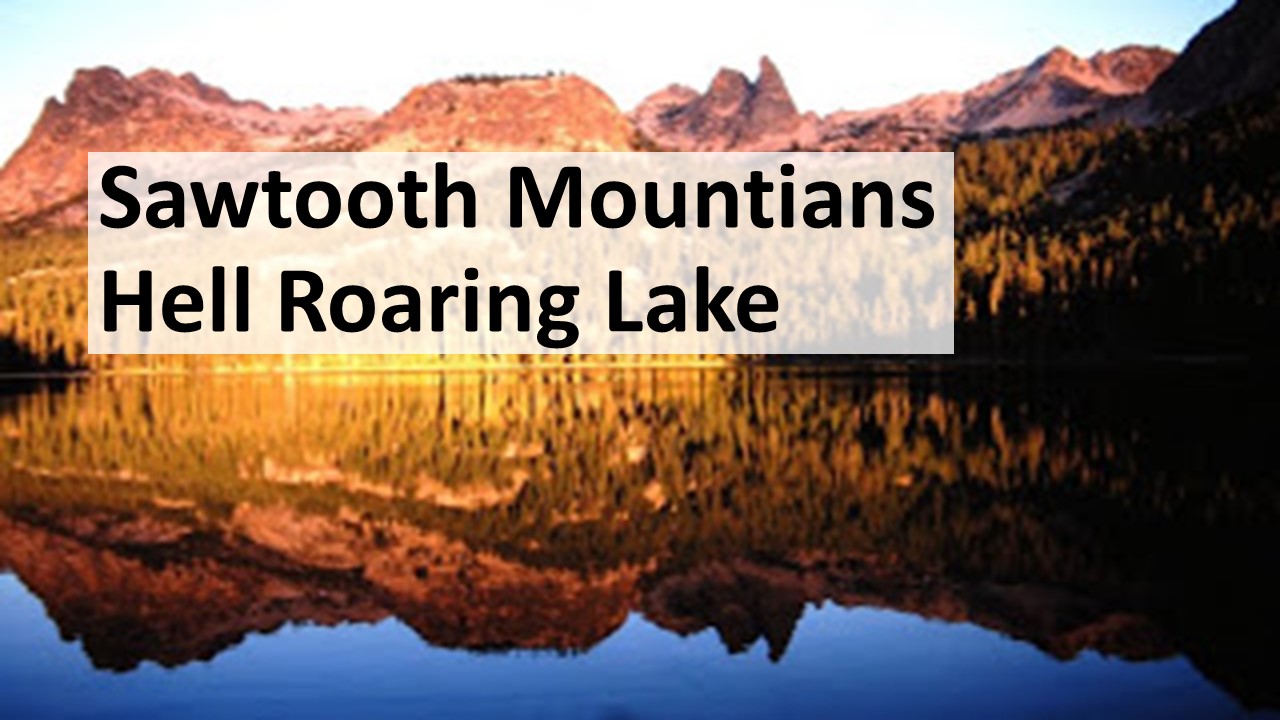 I woke up at 6 AM to the sounds of the Star Spangled Banner blaring from the radio. It was the day after Labor Day, 1988. KECH with its whopping 58 watts of amplification began the day’s broadcast up and down the Wood River Valley. The station was off air between midnight and 6 AM, so instead of setting an alarm clock, I just left the radio on at night. I went to sleep to music and woke feeling patriotic. I had become accustomed to getting up in this manner during the summer at Camp Sawtooth in the Boulder Mountains of Idaho. As the music played I’d wash up, brush my teeth, dress, and head down to the dining hall where I’d build a fire to ward off the morning chill. Throughout the summer, when I came into the dining hall, the cooks would already be in the kitchen, fixing breakfast. The smell of coffee perking and bacon frying would fill the air. It had been a near perfect summer. But this morning was different.
 I dreaded getting out of bed. The cooks were gone for the season. I had to fix my own coffee. Yesterday, the last weekend group for the summer had left and camp became eerily silent. If you have ever worked at camp for a summer, you’ll know the feeling I’m expressing. There were only three of us left in that canyon, and we’d all be heading out after lunch. The morning would be busy draining pipes and closing up the camp for winter. When it came time to leave, we’d lock the buildings and gates and our summer in the valley under the tall lodgepole pines between even taller mountains would be over.
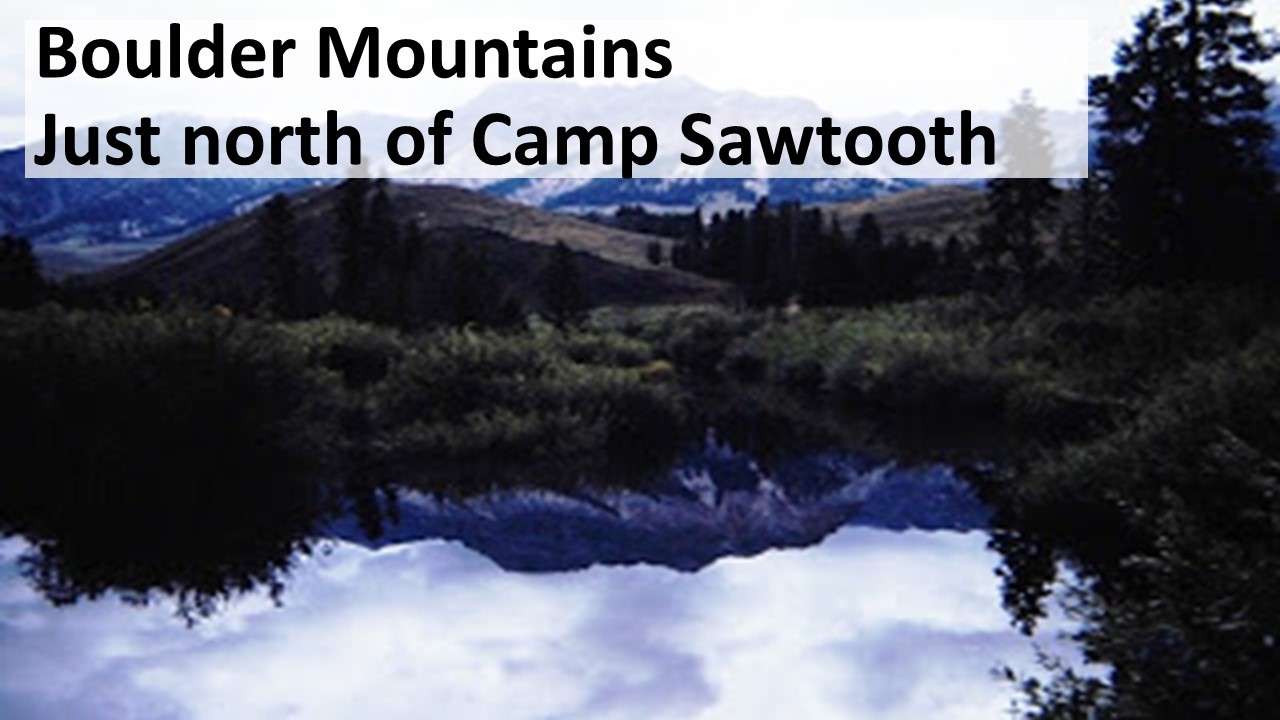 After listening to the news and the weather (it was below freezing in the mountains, but would warm up and be another sunny day in paradise) I reluctantly crawled out of bed. I made coffee for Jack and Evelyn, our caretaker and his wife. I laid a fire in the wood stove one final time.
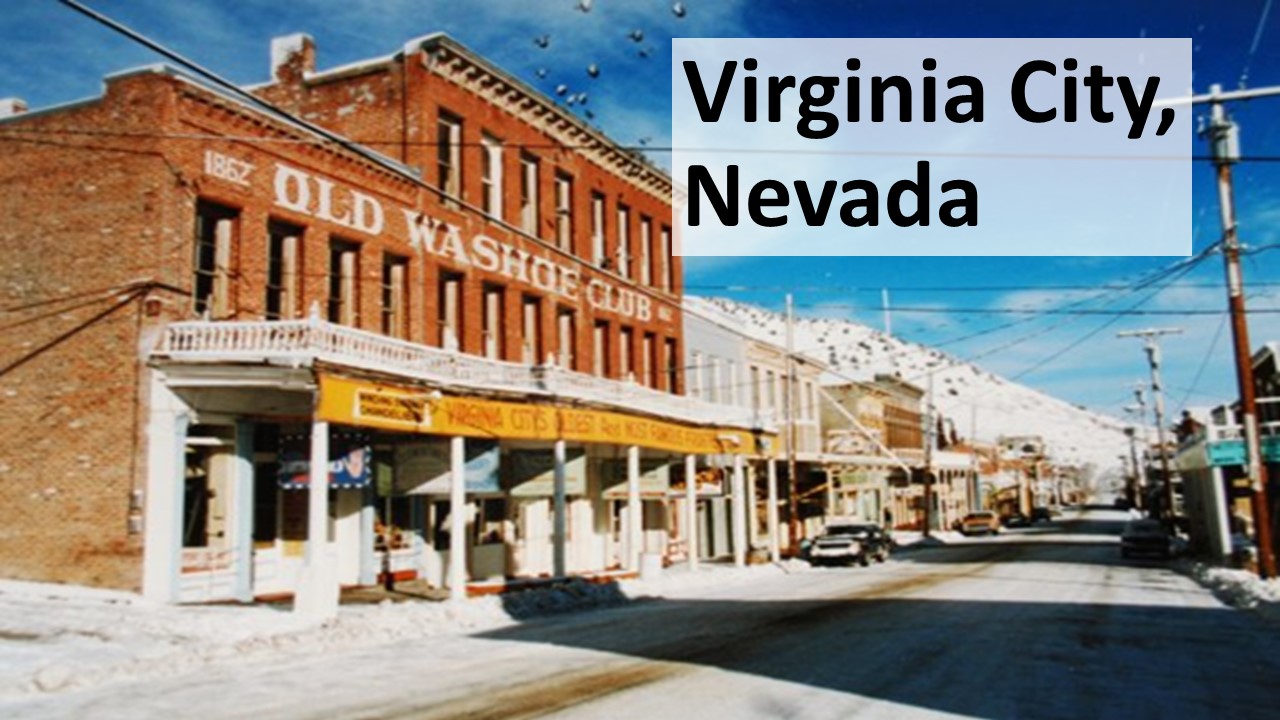 Furthermore, Storey County, in which Virginia City sits, had legalized prostitution, a troublesome idea that made me wonder how I’d relate as a pastor, a public representative of God. Finally, even the drive to Virginia City seemed daunting. Much of it was on two-lane roads through mountainous deserts. The last leg included the infamous forty-mile desert where there isn’t a drop of water to be found. I’d just read a book on this stretch the pioneers dreaded and even though I’d be flying through that part of the trip at freeway speeds, there was something about going through this desert that made me nervous. It didn’t get any better the next morning, when I stopped in Lovelock at the edge of this desert and noticed one of my tires going flat. I took it to a shop and sure enough there was a nail in the rubber. It was good I found it when I did; however, it seemed a bad omen. Have you ever been there where you just dreaded what’s next?
 We have a God who loves to surprise us. Ours is a God who invites those at the back of the line to come to the front. He’s a God of love who’s willing to forgive and to allow us a chance to start afresh. He’s a God of protection and refuses to abandon us. He’s a God of glory who shares his majesty through the beauty of a sunrise or a rainbow after a thunderstorm. God can take what we dread and provide a memorable experience. And the resurrection is the ultimate example.
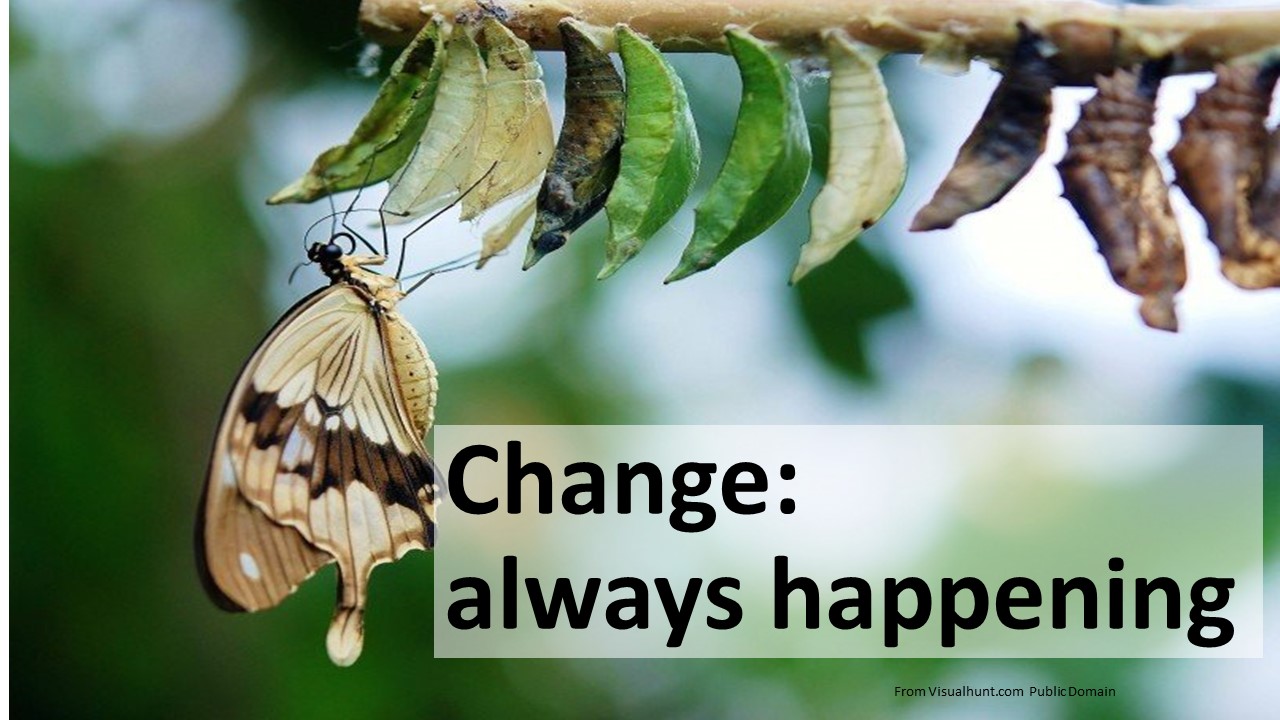 We all dread death, don’t we, but our hope is in the resurrection, which can only be experienced after death. In the resurrection, God reverses our fortune and we’re changed from dead to eternal. Just don’t ask me how. It’s just God’s way. But before I go to what Paul has to say, I should note that such dread of change can be an issue in all areas of our lives. We even find ourselves having such feelings in the church. As people, it seems we like to resist change even though it’s the only thing certain in life… Yet, we’re always nervous about the future. This shows our lack of trust in others (which can be expected, for we’ve all been let down at one time or another). But it also displays a lack of trust in God. We seem to forget that God has things under control; it’s not really up to us.
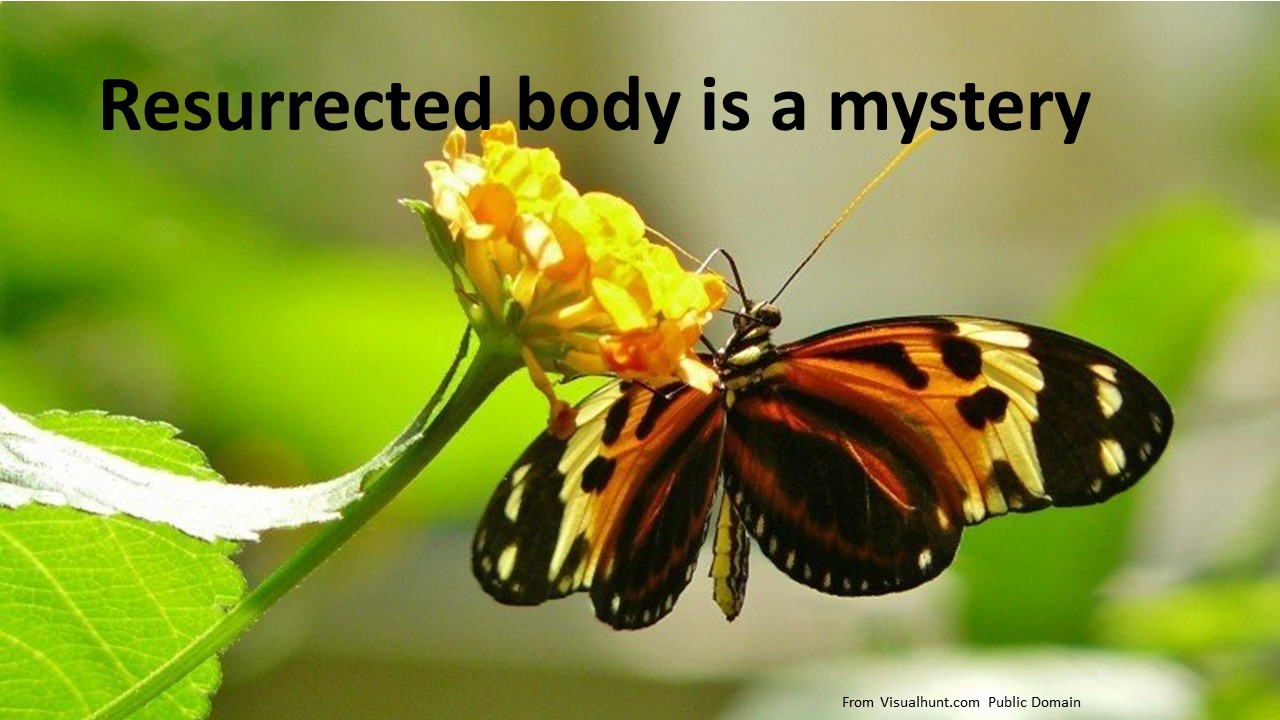 As I said before reading this passage, Paul begins asking what probably had been a follow-up question by those who were denying the resurrection. “Just how are the dead raised, Paul? What kind of body will they have?” Paul doesn’t mince his words here and replies with a passionate response, “Fool.” You can’t be much more emphatic than that! He continues by noting what is planted as a seed has to “in essence” die (as it’s buried in the earth) in order to come to life as a new plant. He also notes there are different kinds of flesh and different kinds of bodies as he points to other animals and even to the heavens… We live in a wonderfully unique world.
 Next, Paul returns to the topic he’d brought up earlier in the chapter: Adam and Jesus. Adam is the man of dust. God created him as God created us. If there was any question about Christians believing in reincarnation, Paul negates such ideas here when he insists there is no spiritual beginning for us. This idea was no doubt prevalent in Corinth as it is found in Platonic thought. At the end of Plato’s classic work, The Republic, he describes how spirits leave one world to be born in this world.
 But there is one who transcends the dust, the one who in Revelation is known as “the alpha and the omega, the first and the last, who is and who was and who is to come.”
 As followers of Jesus, we shouldn’t spend too much time fretting and worrying about the future. “Don’t worry about tomorrow,” Jesus tells us.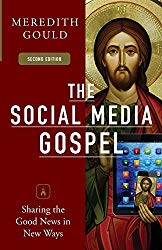
 Jeff Garrison
 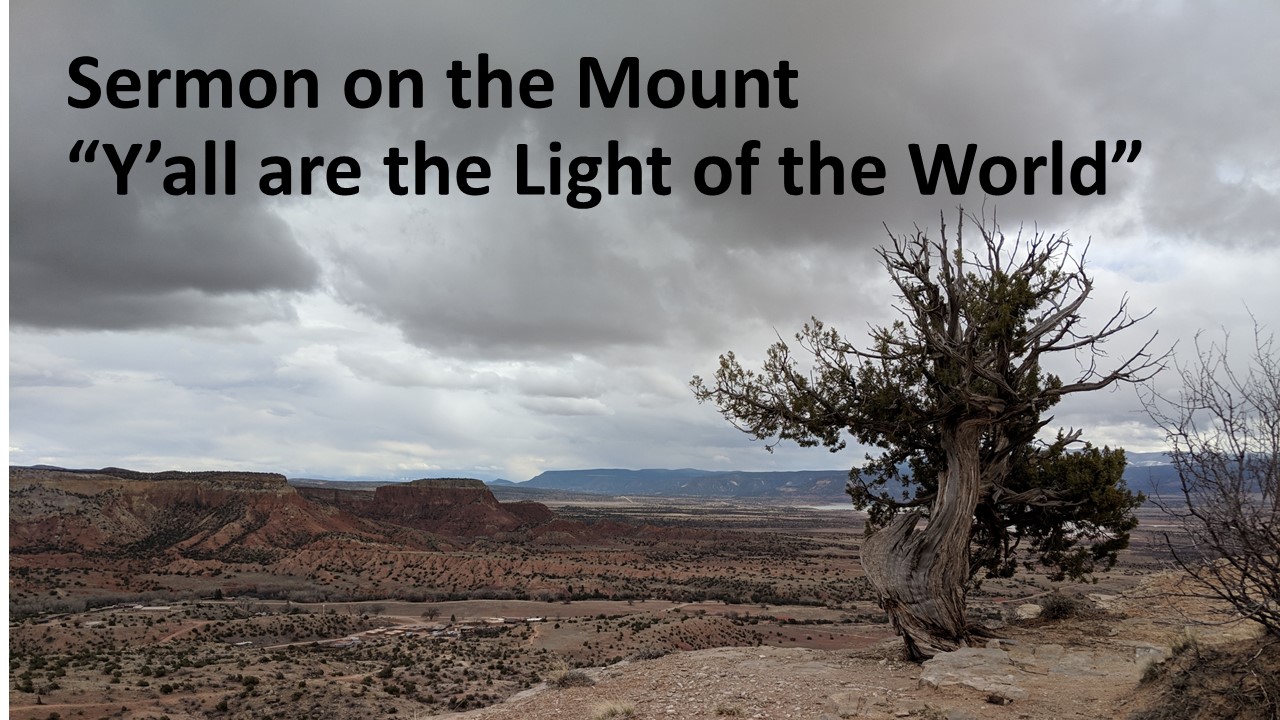 The Sermon on the Mount begins in the fifth chapter of the Gospel of Matthew and continues for three chapters. We’re told Jesus is on a hill and the disciples and other followers have gathered around him. He begins teaching with a series of nine beatitudes: blessed are the poor in spirit, the meek, the peacemakers, and so on. Then, there’s a bridge between the beatitudes and the commands that fill out his sermon. This is the “you are” section, from which we will read today. There are two “you ares”: salt and light. I should also note that the “you” here is plural. Jesus is saying, “You folks,” or as we say down here, “y’all.” Y’all are the salt and the light. This isn’t only for individuals. This is a community task, it’s the role of the church, as we’ll see.
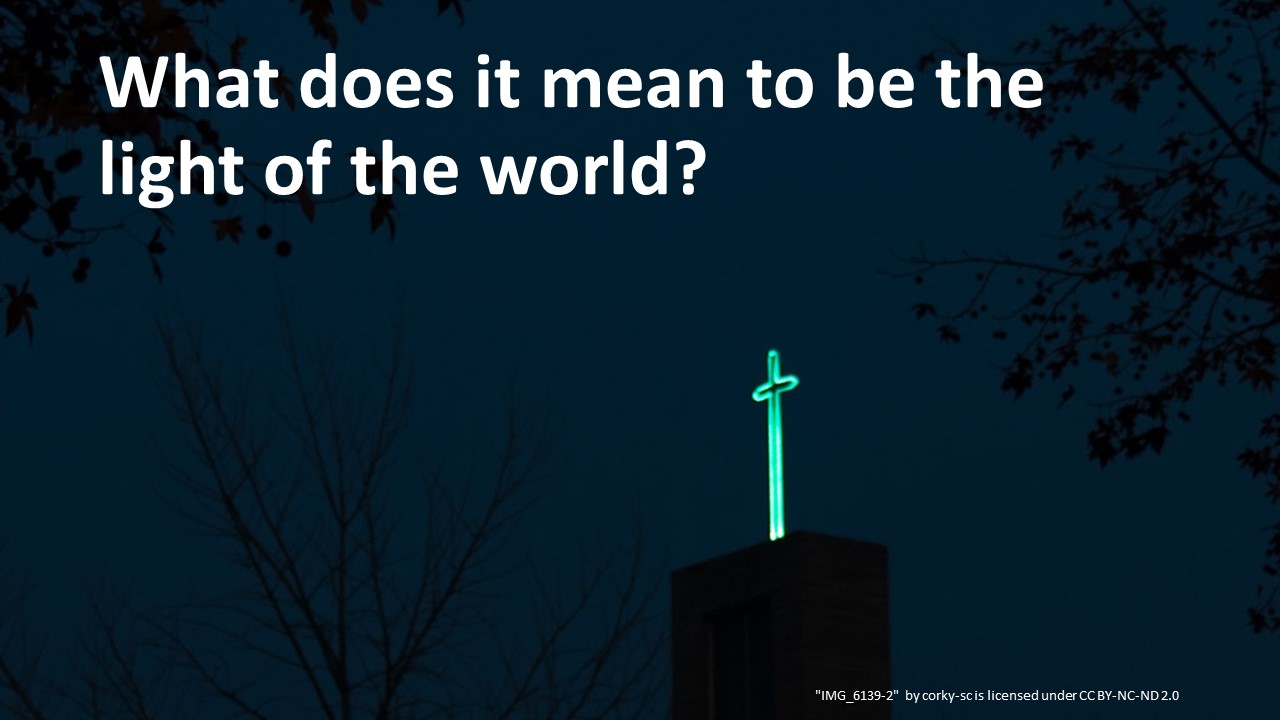 What does it mean today to be a light to the world? And what did this mean to those in the first century?
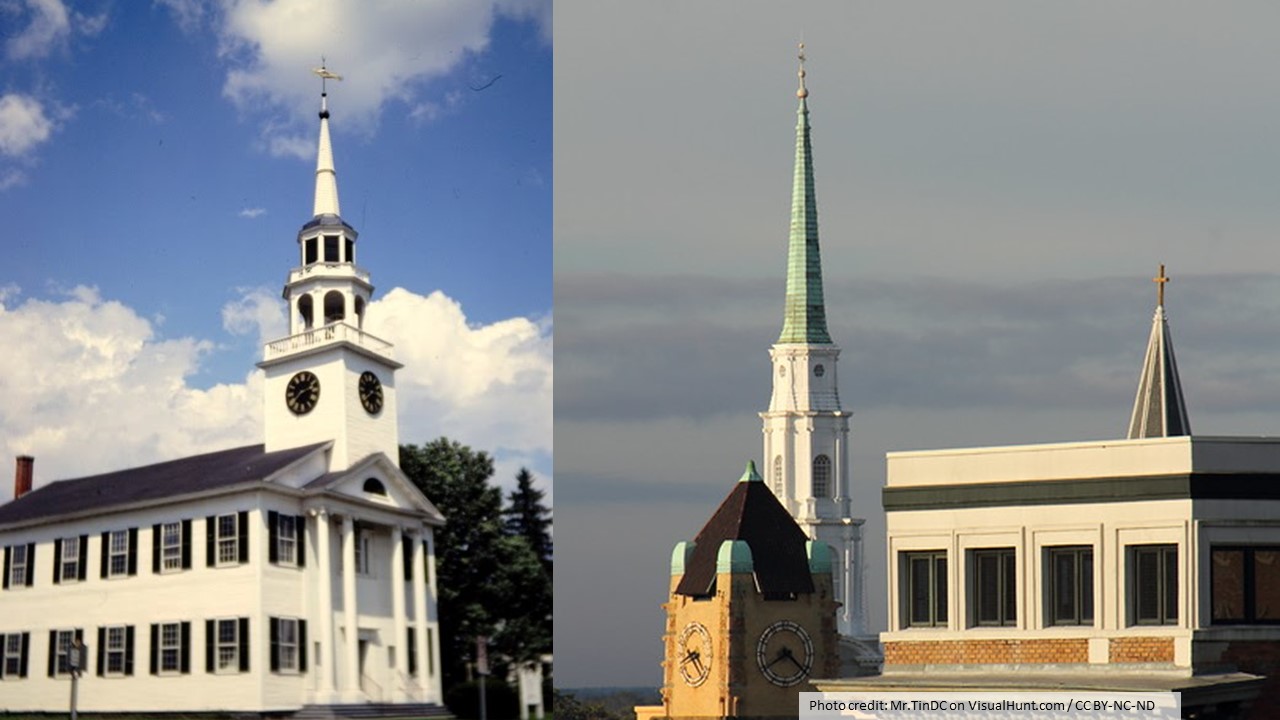 The Koreans borrowed this idea from the West. In the old villages in Europe, a church and its steeple was the center of town. You could see the steeple from far off. In America, we adopted such ideas. Consider a New England village with the tall steeple in the middle. Or look at the downtown Savannah skyline, with large steeples rising high over the trees, providing visibility and, in many cases, a maintenance nightmare. The purpose is to keep everyone mindful of the church as the center of our lives, where together we focus and praise God. Jesus talks of a city built on a hill that can’t be hidden, so if you build a city in a valley, you put up a steeple to make it more visible.
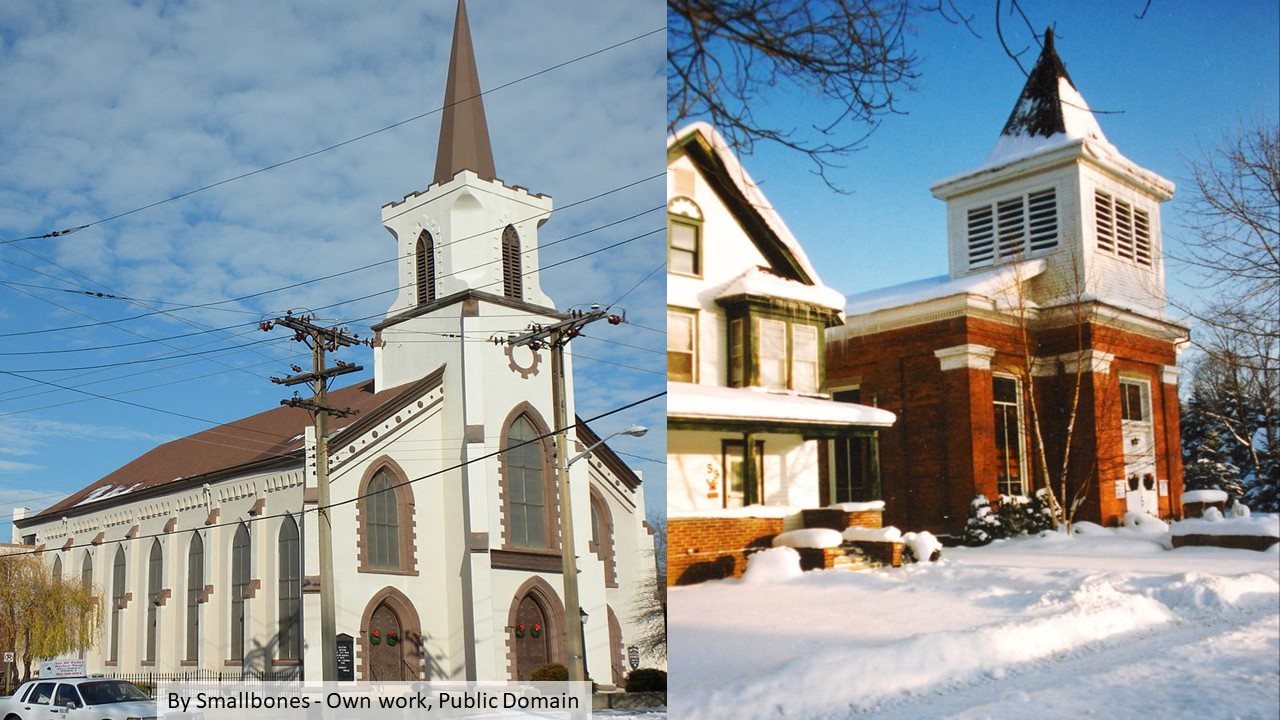 I’ve told you before about our family’s exile from North Carolina when I was 6 years old and how I spent the first three years of school in Virginia. I still remember one of the churches we attended there—Second Presbyterian Church in Petersburg. It was an old church in the downtown area that had endured much. During the Civil War, its tall steeple was hit by a Union canon ball.
 As I pointed out, Jesus is making a transition from the blessings he’s offered to the more instructional part of the sermon. I encourage you to read these entire three chapters to see what’s happening. In a way, he’s giving this humble and struggling collection of people a great compliment. They are to be his light in the world. God chooses the marginal. The poor and the powerless are instilled with an important mission. Jesus, the light of the world, takes such a motley group and sets them off on an important assignment. Through our good deeds (we’re a part of this group), others watch and hopefully are impressed and seek out God. They, and we, are not to do good works to be praised, but so that our heavenly Father will be praised.
 Note this: Jesus makes a point to say, “your heavenly Father.”
 In our Old Testament reading, we hear the story of the “fall.” In the story of the Adam and Eve eating the forbidden fruit. It wasn’t that they picked a bad piece of fruit, it was that they were trying to be like God as they disobeyed a direct command from the Almighty. Much of our knowledge is morally neutral. It becomes problematic only when we use it in the wrong manner or for the wrong reasons, such as playing God. Technology is full of examples. Nuclear energy can be used to treat cancer and produce power and it can be used to blow the planet up. The same can be said for the internet. It’s a great tool for research, but we can also spread untruths and confusion. And social media, it’s a great tool to connect with others, but we can also use it to spread gossip. We can use these tools to be a light to the world or, as there’s always a downside, to cast darkness.
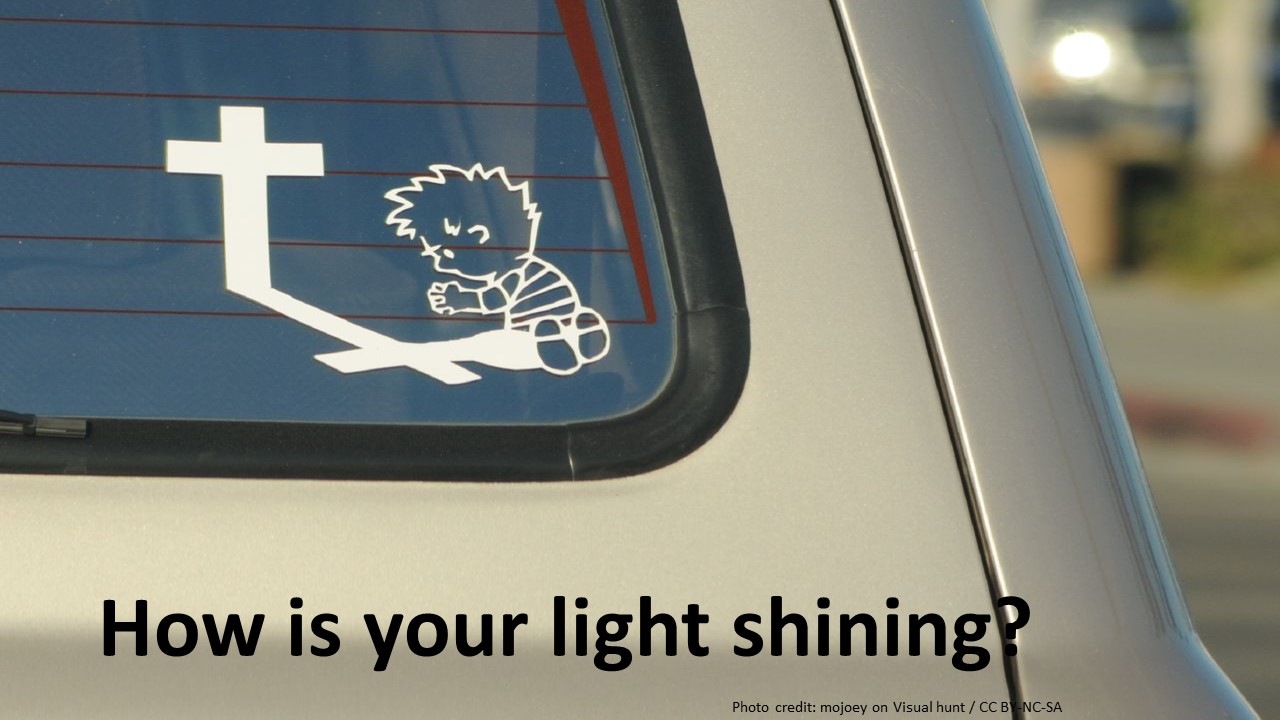 You don’t won’t to like the guy who was pulled over, arrested, and hauled off to jail for stealing a car. He protested continually. After an hour of checking his story, the police apologized. “I couldn’t believe it was your car,” the officer said. “You have all these bumper stickers about loving Jesus and following you to church. After you gave the finger, shouted obscenities, and laid on your horn at the driver who was obviously lost, I just assumed you had stolen the vehicle.”
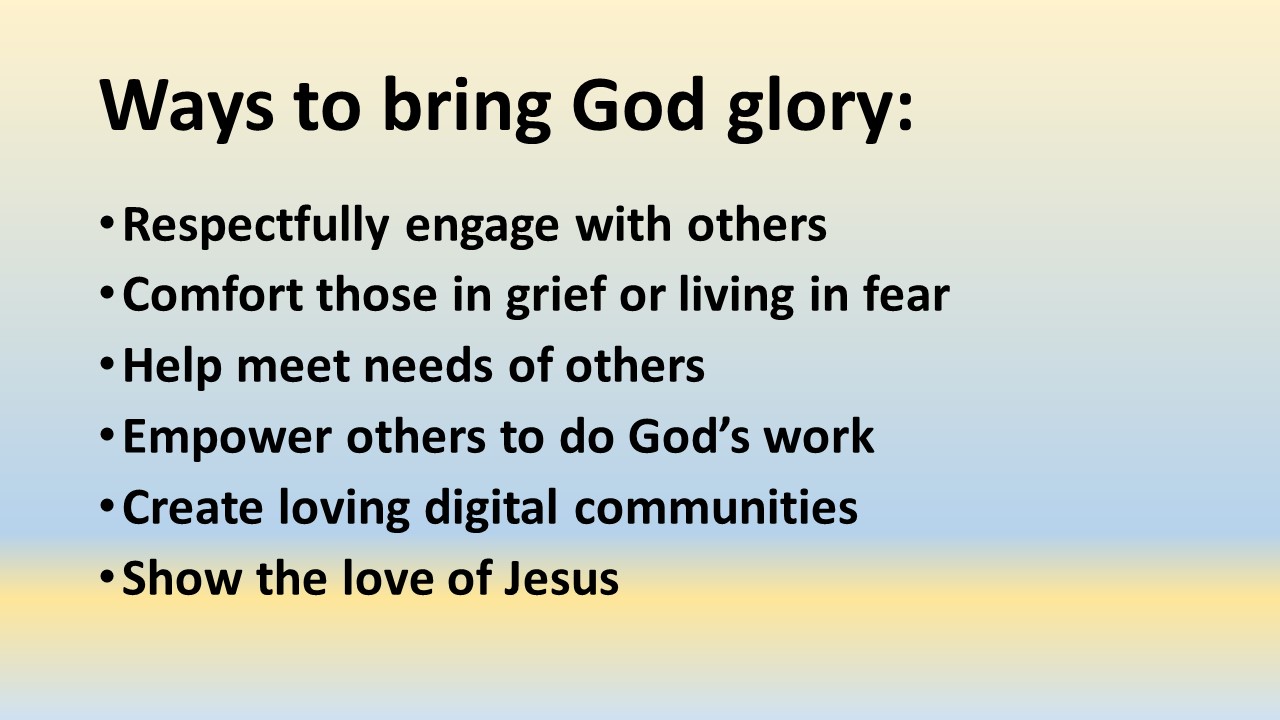 As the church enters the technological world in which we live, I also encourage you, if you use such technologies, to do so in a way that will help further our light in the world. Online, we Christians can respectfully answer questions about our faith, we can offer comfort to those who grieve or live in fear, we can help meet the needs of others, we can help empower others to further God’s work, we can help create loving digital communities, and show the love of Jesus in a compelling ways.
 Just “liking” or “sharing” posts about our church helps us share our message with others. Don’t let this new world scare you. And there’s more you can do. Help a neighbor who is homebound reconnect with church through our streaming services. Feel free to share a gleaming you gathered from a sermon, or tell of your feelings of a piece of scripture, or how a hymn or choir anthem spoke to you. But whatever you do, do it in a way that will bring a smile to Jesus’ face and help us reflect his face in a positive way to the world. Remember, as we heard in the chancel drama, Jesus has no online presence, but yours. No blog, no Facebook page, but yours.
 Chimamanda Ngozi Adichie, Purple Hibiscus (2003, New York: Random House/Anchor, 2004), 309 pages.
 Rick Bragg, The Best Cook in the World: Tales from My Momma’s Table (2018), 19 hours and 17 minutes on audible.
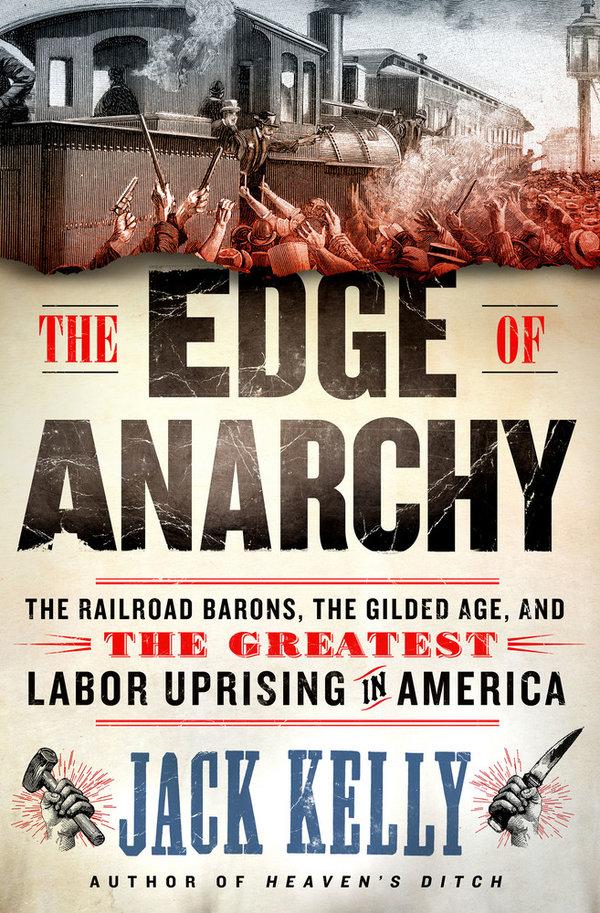 Jack Kelly, The Edge of Anarchy: the Railroad Barons, the Gilded Age, and the Greatest labor uprising in America (2019) 11 hours and 15 minutes on Audible.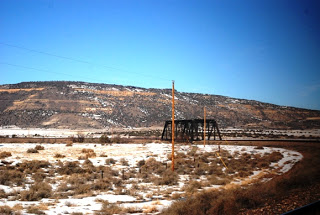
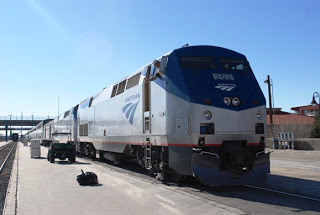
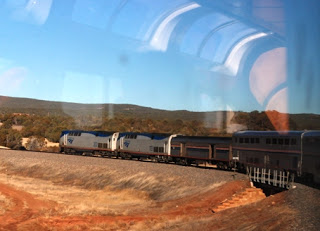
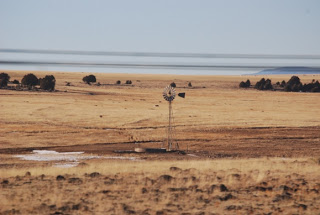
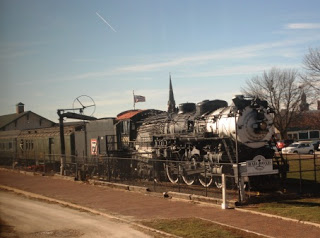
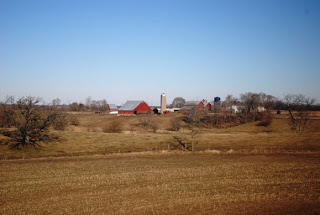
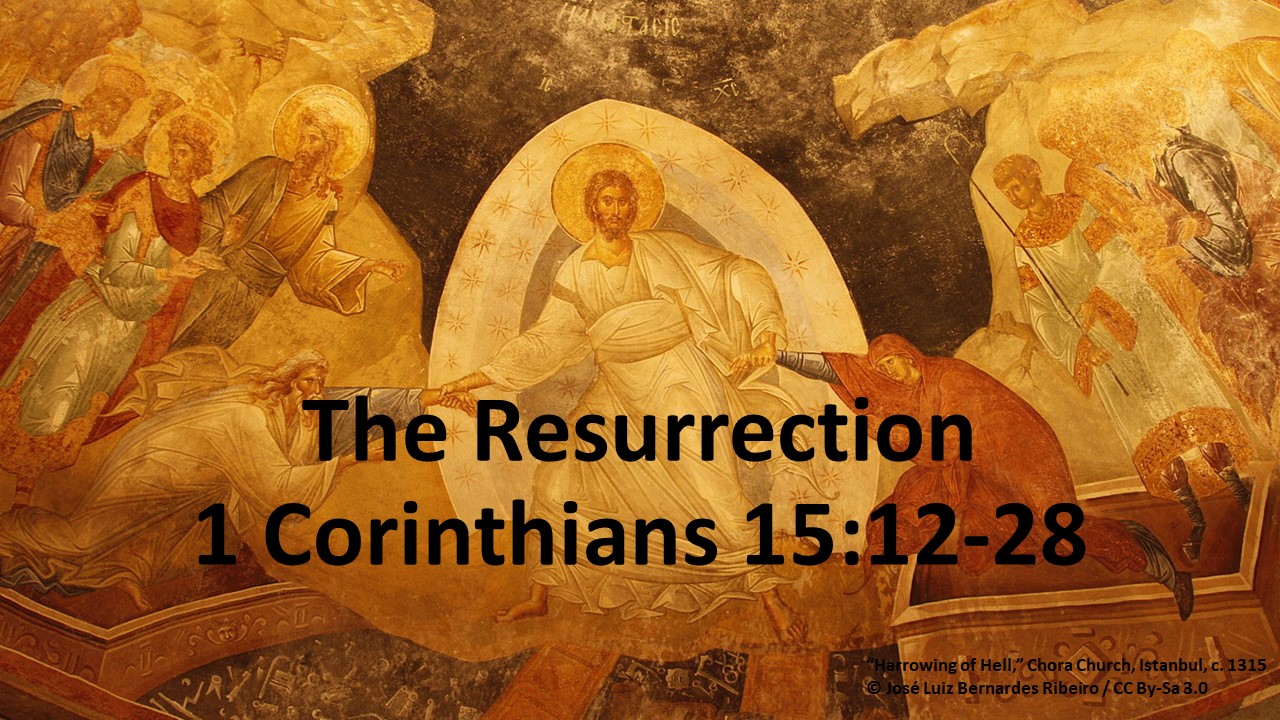
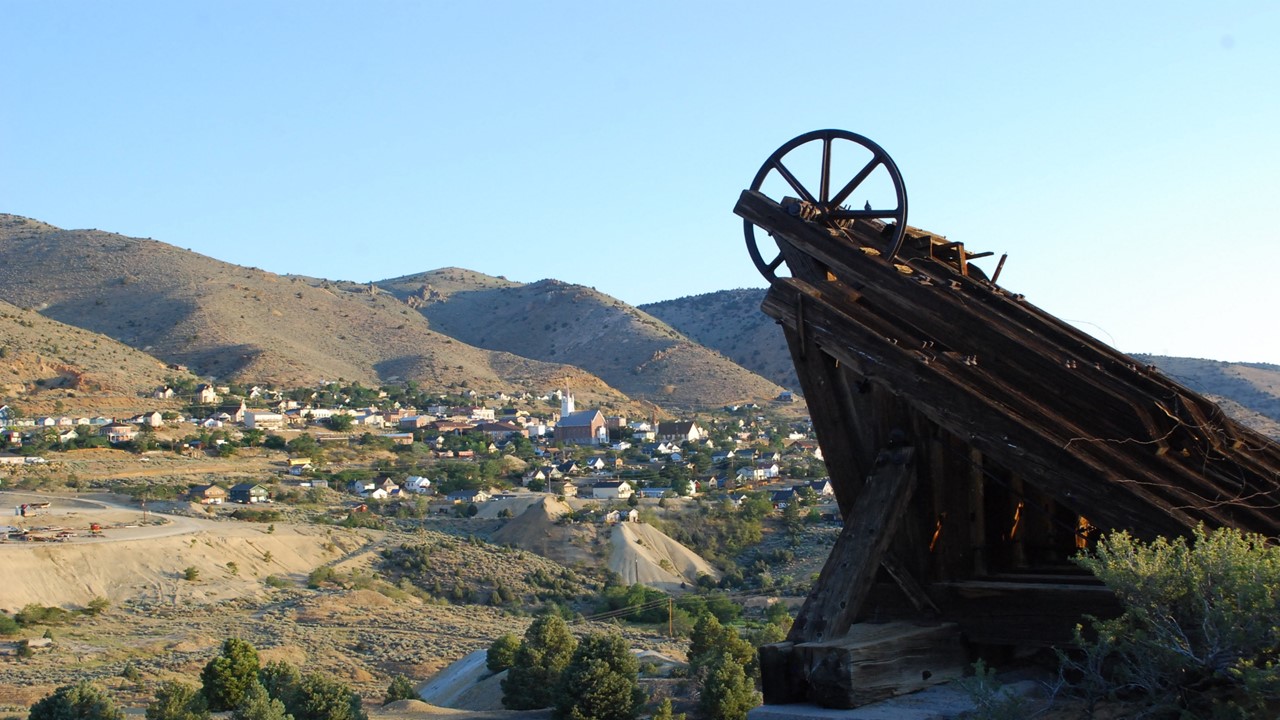 People turn to the church when there is a death because we can offer hope for something beyond our frail mortal bodies. In all the work I did on the history of Western Mining Camps, one of the surprising things I learned was how at the time of death, even people who religiously avoided the shadow of the steeple, would be brought back for a funeral. The friends of Julia Bulette, Virginia City’s most famous prostitute, sought out the Presbyterian minister for her funeral. Mark Twain in Roughing It has a wonderful tale about Buck Fanshaw’s funeral. Fanshaw, a leader of the “bottom-stratum of society” and based on a real-life character who had a relationship with Bulette, died. The local roughs elected Scotty Briggs to “fetch a parson” to “waltz Fanshaw into handsome” (their word for heaven). The dialogue between the minister and Scotty is classic Twain.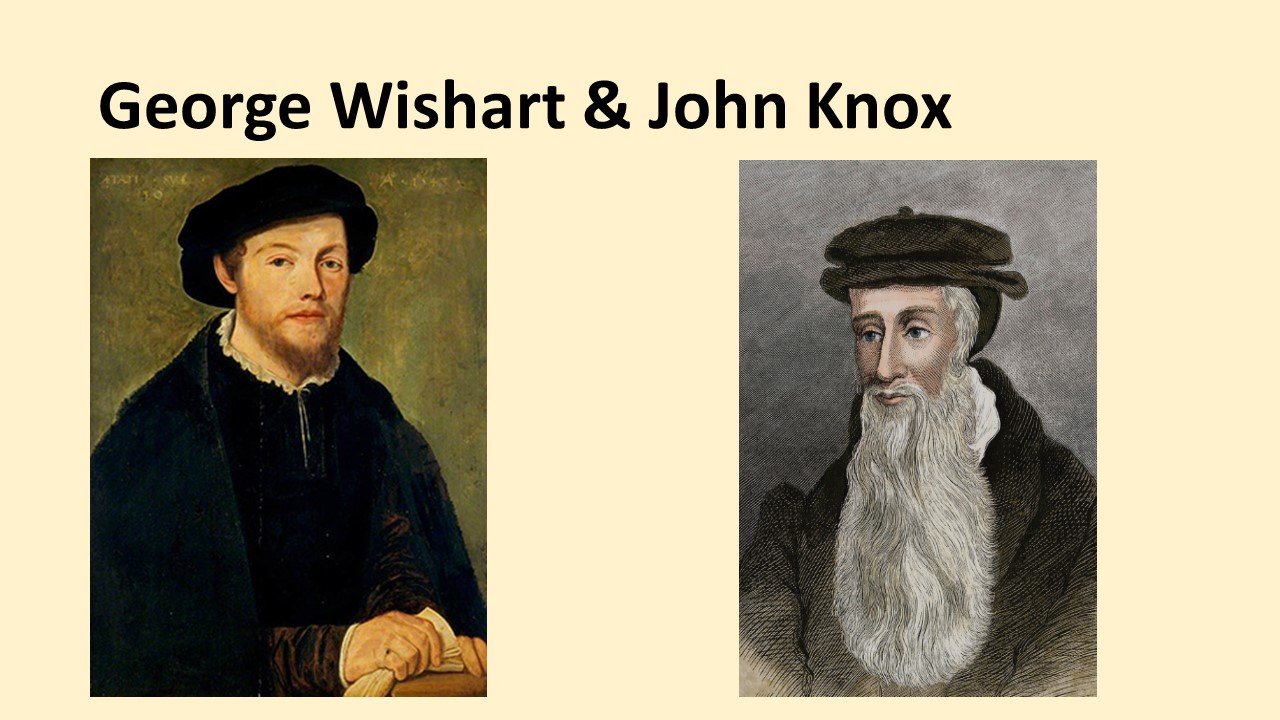
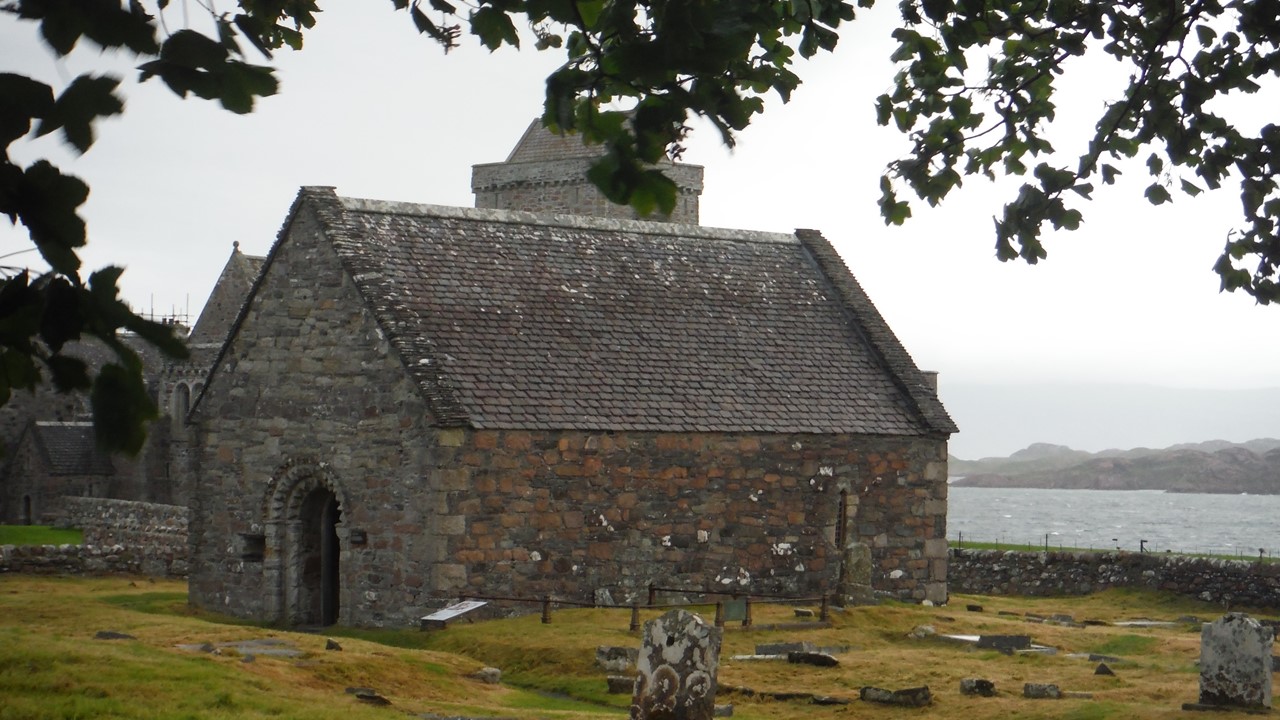 At death and in times of peril, the church is a symbol of our faith and the hope we have for something we can never fully comprehend in this life, the resurrection.
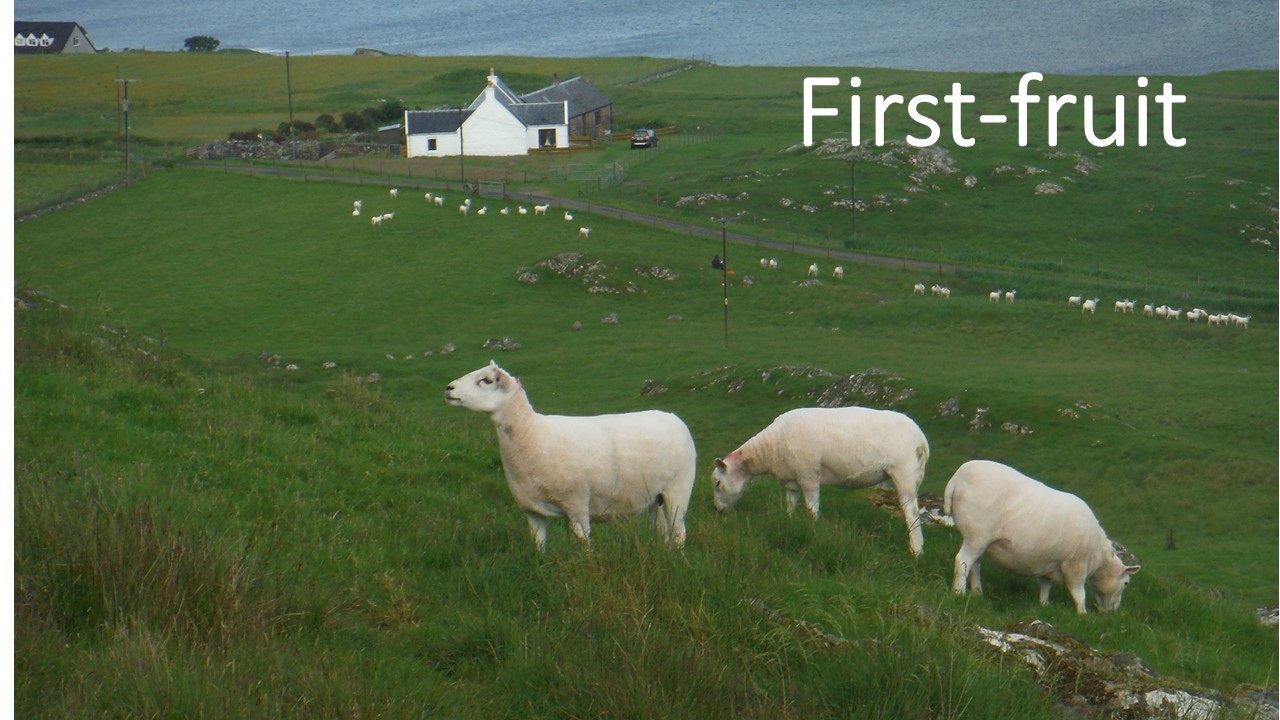 However, there is good news. Although death came through a human being, so too has the resurrection come through a human being. Paul lifts the Christmas doctrine of the incarnation. In Jesus Christ, God became flesh! Christ is the first-fruit of the resurrection, a term that probably meant more to Paul’s audience than to us today. For you see, the Jews were to bring the first of the harvest, their first-fruits, to God as an offering of thanksgiving. We tend to give God what is left, not our first-fruit, which probably says a lot more about our spiritual state that we’d honestly like to admit. However, this isn’t about our giving, it’s about God’s gift, for God the Father gave us his first-fruit, in that of his Son.
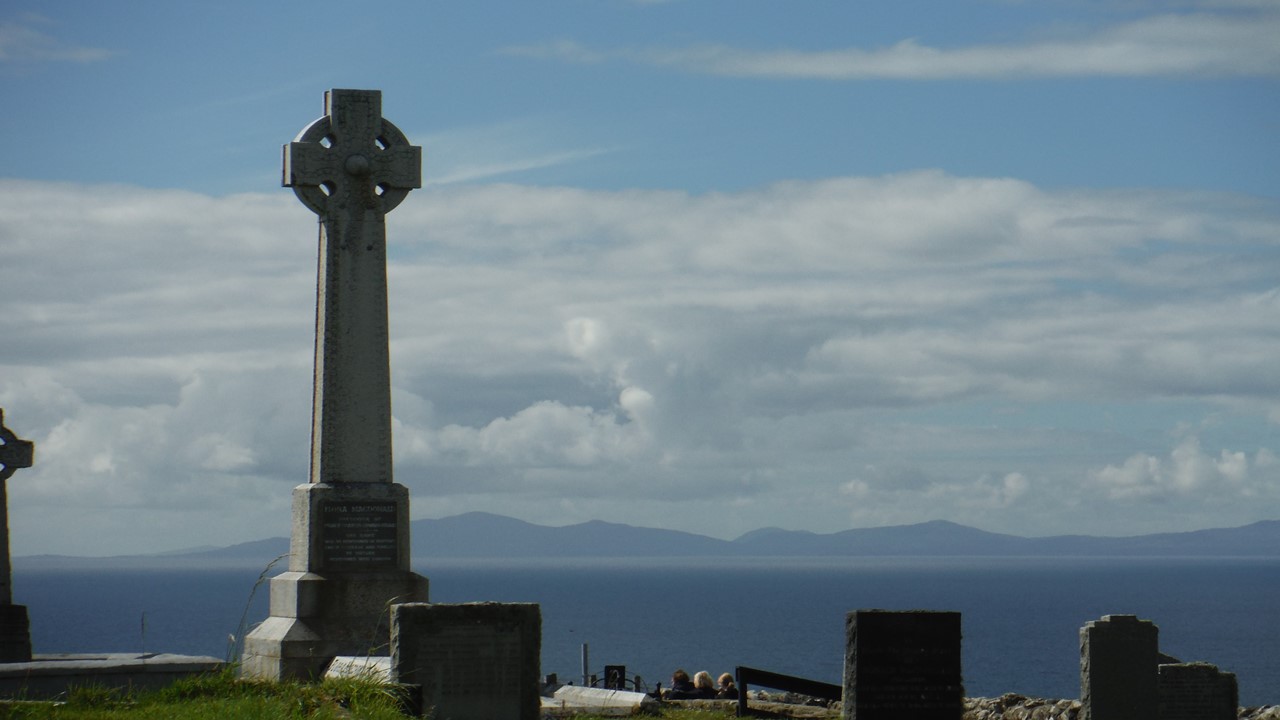 All this is a part of God’s plan in history, Paul notes. It’s all a part of the great plan to destroy all authorities and powers that defy or challenge God. At the end, there will be nothing to draw our attention from the Almighty. All idols will be destroyed, all that which we fear will be removed, the last of which is death itself. With the removal of that great enemy which has haunted the human race since the beginning, we can worship God without fear or distraction.
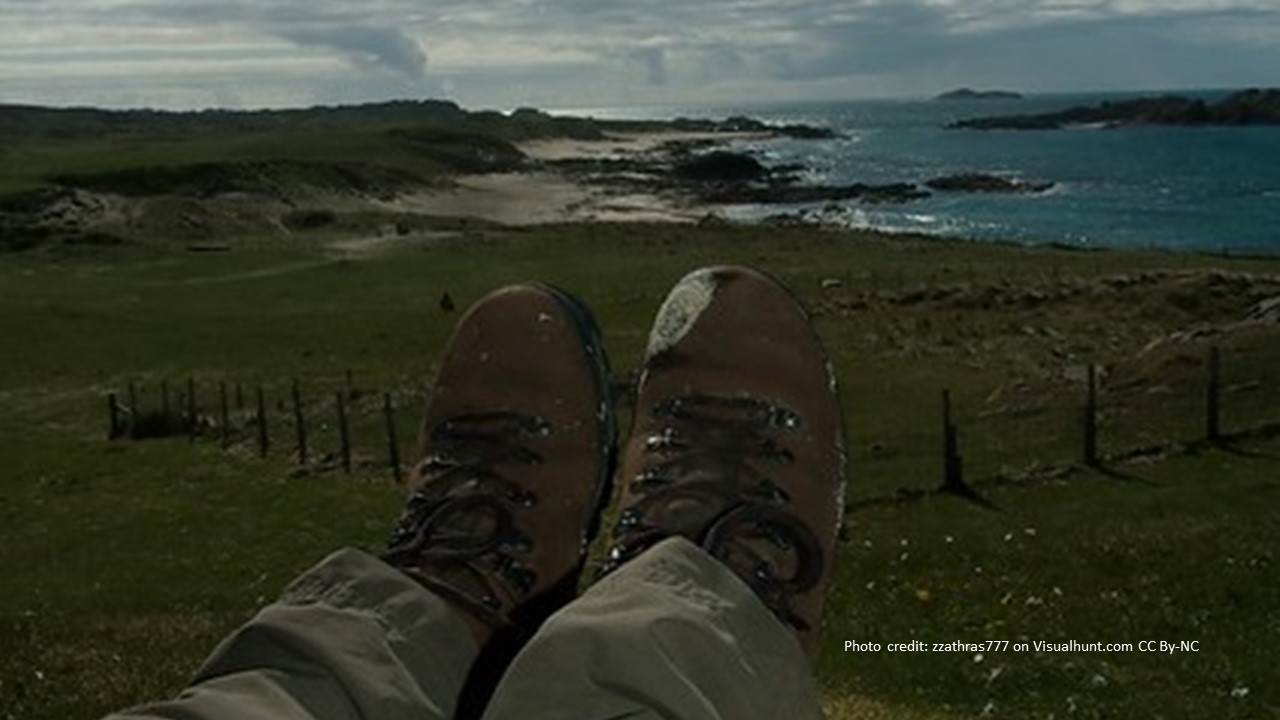 Kenneth Bailey, in his commentary on First Corinthians, goes into detail about the meaning of Jesus placing all his enemies (the last one being death), under his feet. Bailey suggests that verses 24-27 could be removed and the reader wouldn’t notice. You can try this yourself, at home, just leave the verses out and see how it reads. So why did Paul insert this little segue? It’s to make a political point: Jesus is Lord! If Jesus is Lord, that means Caesar isn’t Lord. He cites examples from the ancient world in which the ruler’s footstool often had engravings representing the kingdom’s enemies and when the ruler placed his foot upon the stool, he was making a statement about his power. When Christ has finished, there will be no possibilities of his enemies, including death, making a comeback!
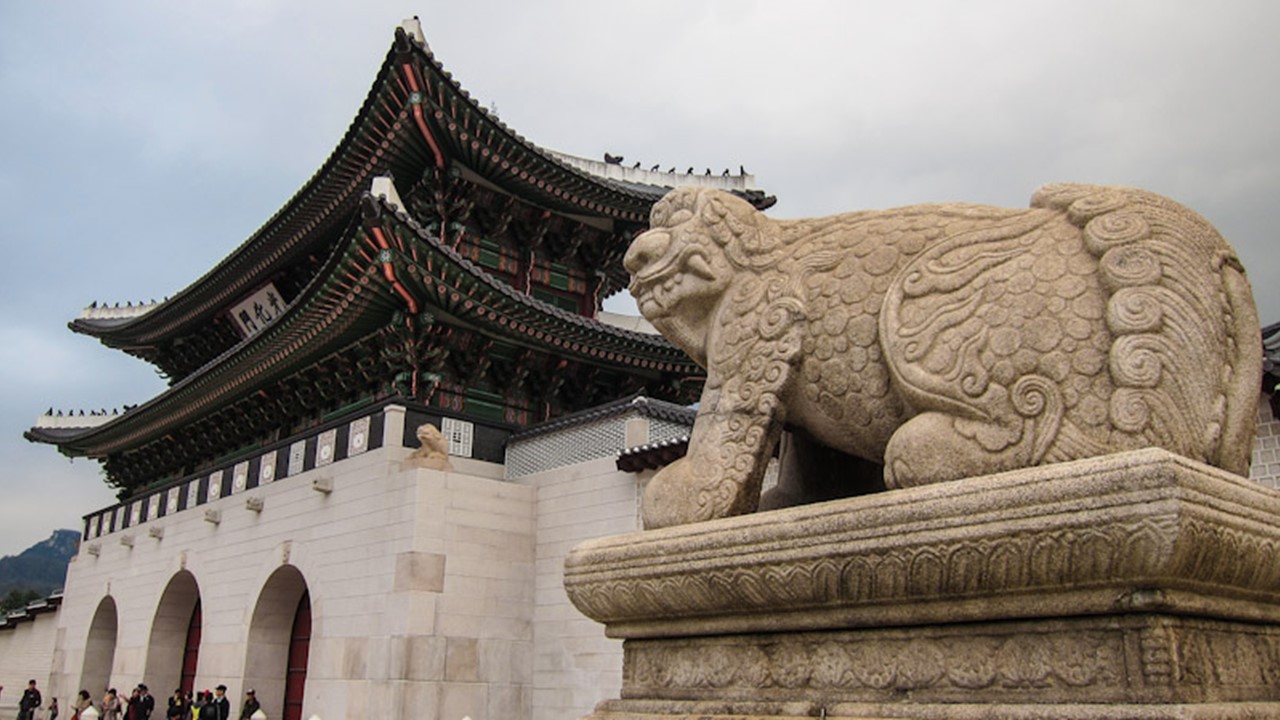 In the winter of 2000, I had the opportunity to spend a few weeks in Korea: preaching, sightseeing and mountain climbing. I visited the imperial city in Seoul, where the emperor once ruled, his throne built on a hill that allowed him to overlook the city. In 1910, Japan invaded Korea. The Japanese decided it was too dangerous to destroy the ancient throne, so instead they built a modern government building to block the view from the city. I learned there had been a great controversy over what to do with this building that was architecturally significant. Many wanted to tear it down, which is what happened, but others wanted to relocate it. One of the more creative ideas, which caused a minor international incident with the Japanese, was to dig a hole and sink the building and then glass over the top. That way, the building would not be destroyed, but the Korean people could have the satisfaction of “walking over” or stomping on the visible representation of 40 years of Japanese occupation.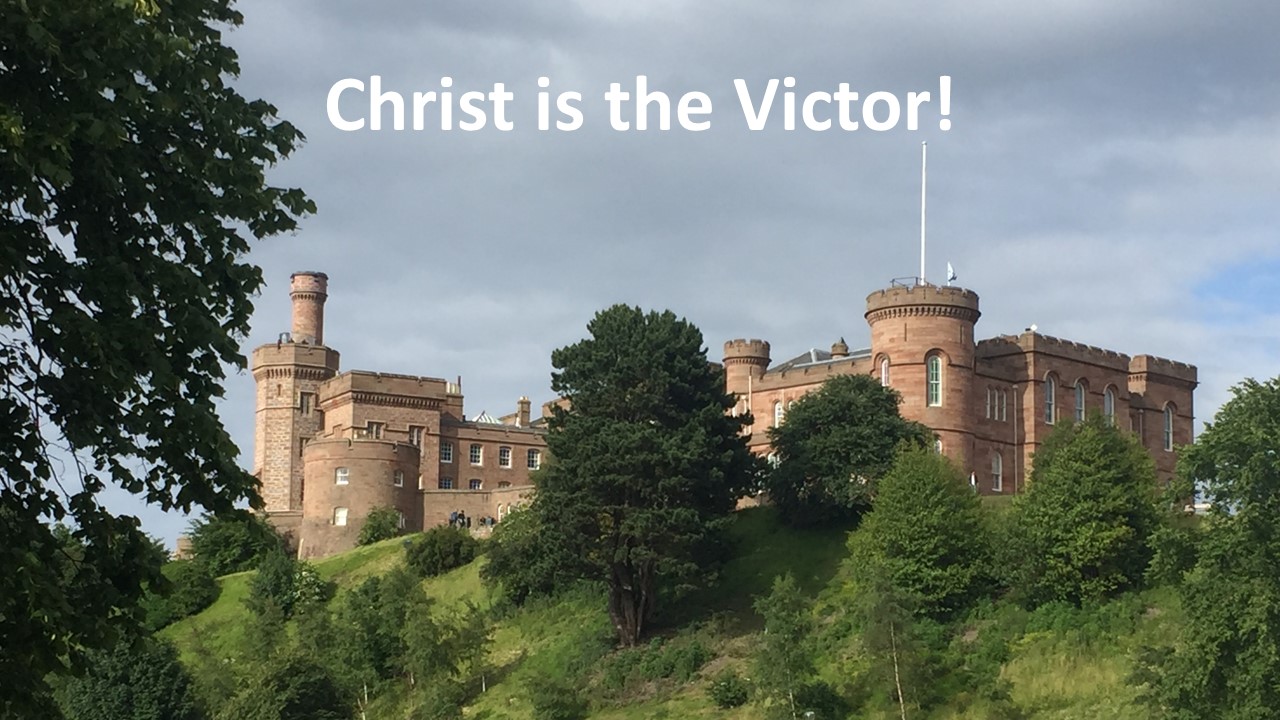

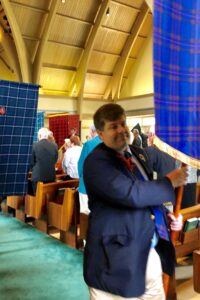
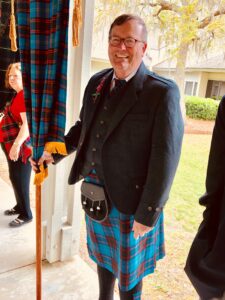
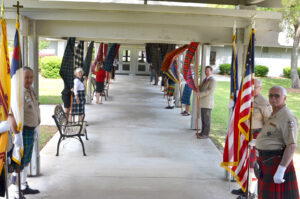
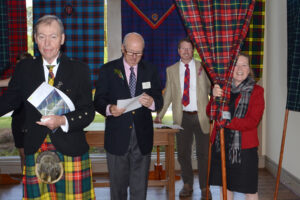
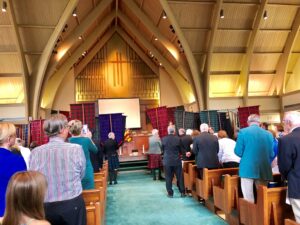
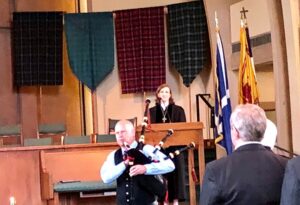
 Jeff Garrison
 His name was Carl Douglas and he had lived in Virginia City when I was a student pastor there. In the five or so years in between, I’d lost track of Doug, but I had been with him when the doctor had given him the bad news that he had cancer. When I last talked to him, it was in remission, but had come back with a vengeance. I’d been praying for this friend, without knowing it, for months. And now I was sitting across from his estranged sister. Unlike her, I had only good memories of her brother. New Year’s Eve 1988 was one. It was a Saturday and we both had plans for the evening, but when I was in the church practicing my sermon I heard water running and after checking found there was a busted pipe in the heating system, underneath the organ. Doug came right down and we spent a couple of hours fixing the pipe so that we might have heat for Sunday. That was only one example. He was known of his kindness, for being quick to offer a hand to those in need.
 few months after the funeral, Elvira arranged to move back to Nebraska. When I think about all this, I’m amazed. I see God’s hand at work. What was the probability Elvira would end up in a church in a distant city where the pastor knew her son? There was actually a good chance her son could have died and she’d never seen him or even been able to attend the funeral, or even know of his death. Thankfully, she was able to see him and attend his funeral. God enjoys working to bring about surprises and joy!
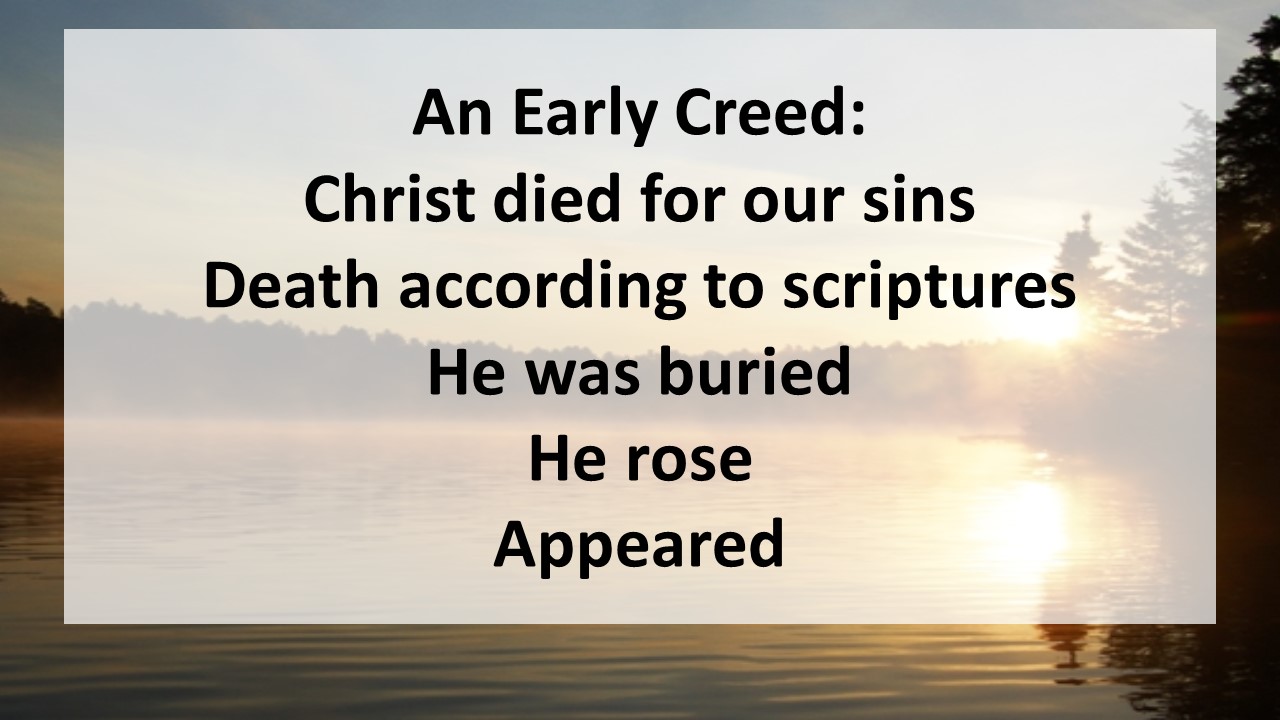
 N. T. Wright, an insightful theologian from the British Anglican community says this:
 In other words, because of the resurrection, we’re now invited to live as God intends as we join God in his work of transforming the world—a transformation that begins with the open tomb on Easter morning. Everything will be changed. Jesus has defeated death and inaugurates the reclamation of the earth for God’s purpose.
 Will we believe? Will we allow ourselves to be transformed? God is working miracles in this world. I shared one such miracle at the beginning of the sermon. God wants to reconcile the world, not just to himself, but between mother and son, brothers and sisters, friends and enemies. Will we accept God’s invitation to proclaim the good news? Will we accept the invitation to hop up on the bandwagon and follow Jesus, out of the grave and into life? Let us pray: