
Jeff Garrison
Skidaway Island Presbyterian Church
Luke 1:46-55
December 15, 2019
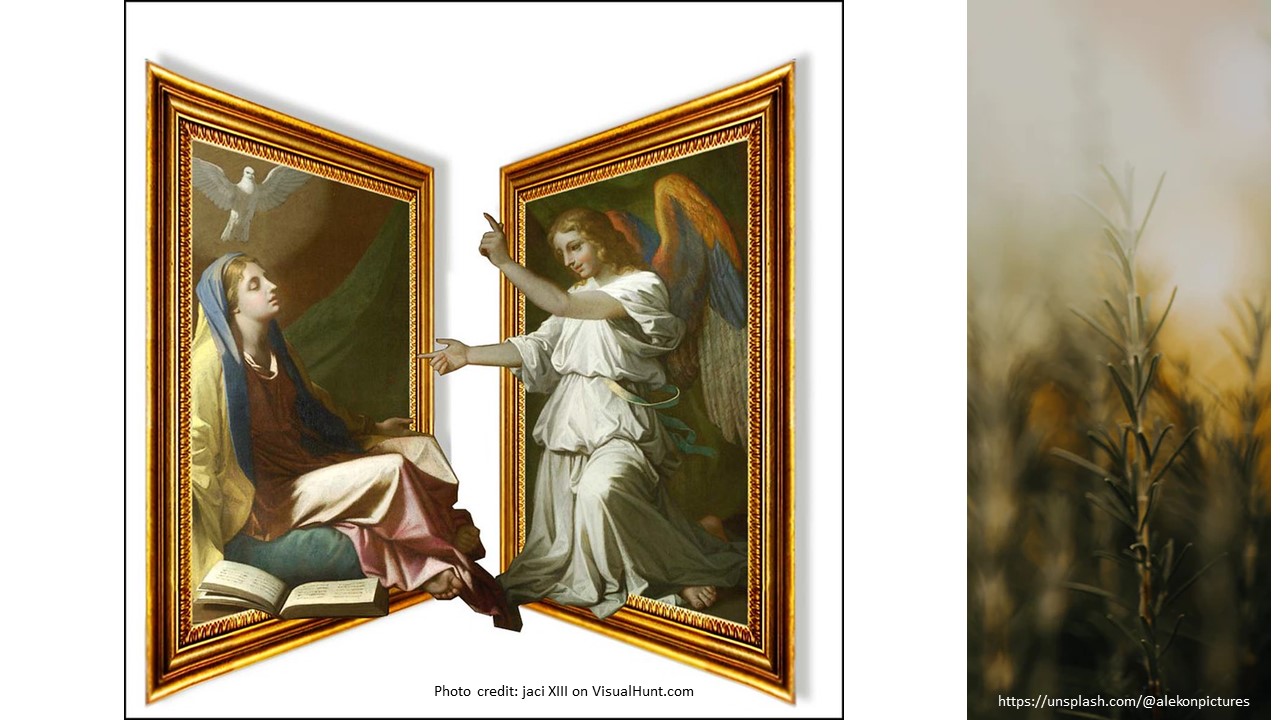 Earlier in the first chapter of Luke’s gospel, the angel Gabriel met Mary in Nazareth to give her the good news. However, I’m not sure that everyone saw this as good news. I am not even sure Mary saw it that way. After all, she was just a young woman. Tradition has it she was only 14 years old, and here’s this angel is talking about all of what this child she’s to carry will do. Mary wonders how it’s to happen and told that the Holy Spirit will fill her, and she’ll conceive. In addition, she’s told that her relative, the old barren Elizabeth, is also pregnant and will bear a son. God appears to be active with the oldest and the youngest.
Upon hearing this news, Mary doesn’t break out in song. Instead, she humbly submits, telling Gabriel, “Here am I, the servant of the Lord: let it be with me according to your word.” The angel departs, and Mary leaves Galilee for the Judean hill country where Elizabeth lives. It used to be common, even when I was in high school, for an unmarried pregnant girl to be shipped off to an aunt or some other relative in a different city. Maybe that’s part of Mary’s desire to travel: to get away from those who know her and who whisper behind her back as her belly grows.
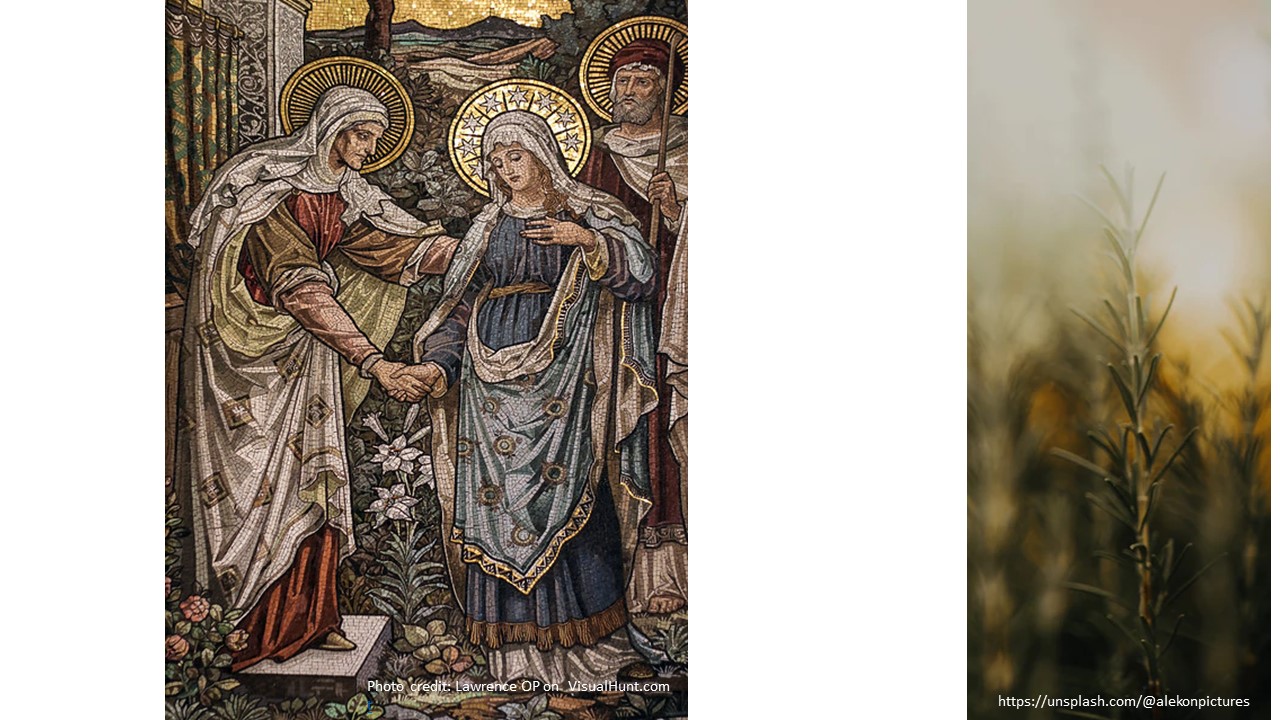 “Girl, how’d you get yourself in this mess?” isn’t how Elizabeth greets Mary. Instead, she starts out praising Mary, wondering what she, Elizabeth, has done to deserve such a visit. She proclaims Mary as the most blessed of all women. Mary breaks out in song. She didn’t sing to Gabriel, at the heavenly encounter she had earlier. She sings when another person, one whom must have known as a kind older woman, confirms her status.[1] At this point, Mary belts it out in a song the church has been singing for 2,000 years.
My soul magnifies the Lord,
And my spirit rejoices in God my Savior.
 Mary is joyous, but not in the manner we think of joy. For us, joy is a child experiencing an ice cream cone for the first time or us witnessing the child’s wonder. Joy is a mother watching her son make a home run as a Little Leaguer. Joy is laugher at a good joke, the awe of a beautiful sunset without sand gnats, sitting around a fire telling stories when it’s not too cold, or the Pirates winning the World Series. All these things are great, but is this what joy really is? Or is it something deeper.
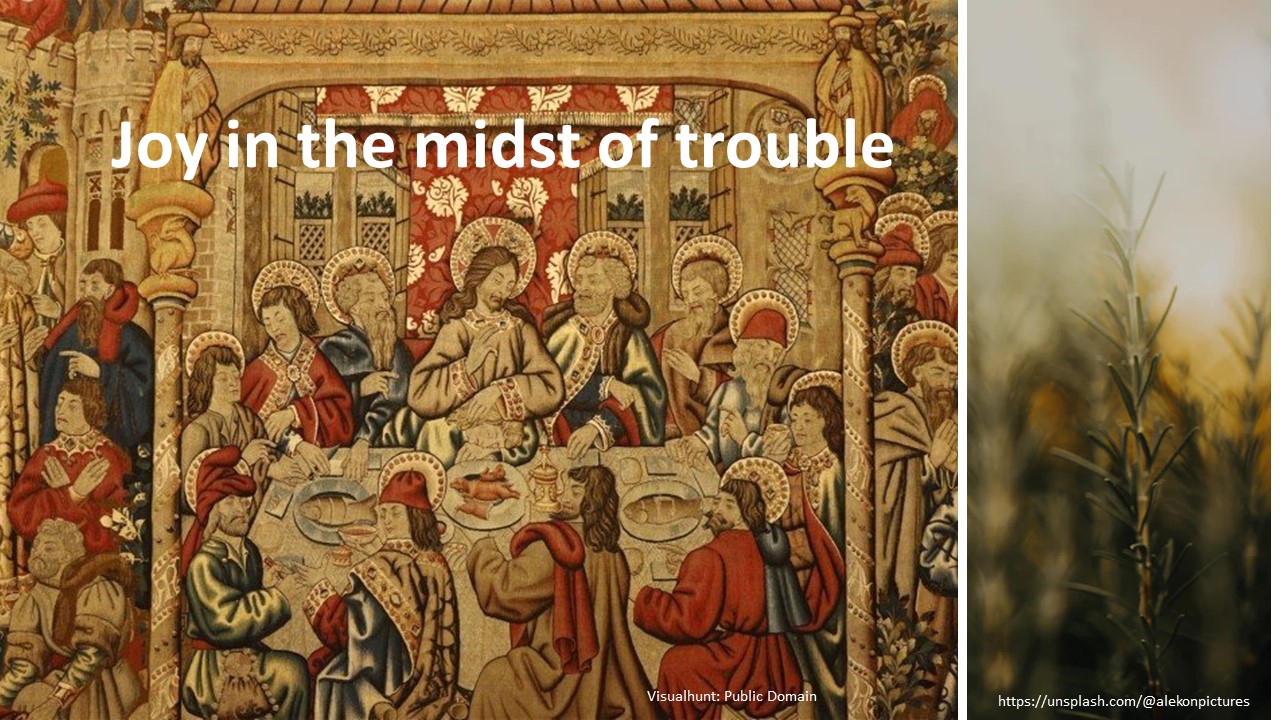 When Jesus was at table with his disciples on the night before his crucifixion, he instructs his disciples and then says he’s telling them all this so that his joy will be in them, and that their joy will be complete.[2] Jesus then continues, talking about laying down their lives and how the world is going to hate them. I tell you, joy during troubling news is common throughout Scripture.
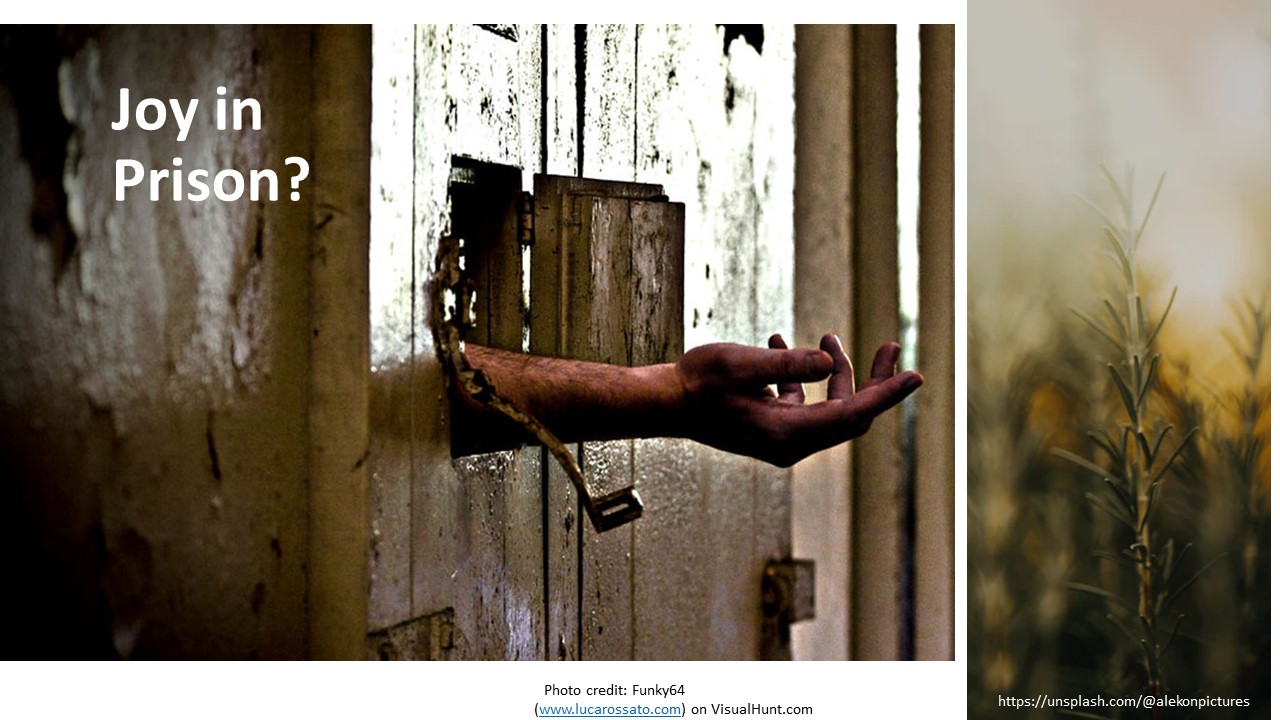 When Paul writes from prison to the Philippians, he tells them how he’s joyous when he prays for them and asks them to make his joy complete by being of the mind as Christ.[3] When he chastises the Corinthians for being stingy, he lifts up the Macedonians who despite a “severe ordeal of affliction” and “extreme poverty,” have abundant joy that’s shown in their generosity.[4] James, the brother of Jesus, suggests we consider our trials as joy, for they help us grow in endurance and maturity.[5] Peter speaks of rejoicing in our suffering that will lead to us being joyful when Christ’s glory is reveal.[6] All these passages in the New Testament suggest that joy isn’t the absence of suffering. Joy is something deeper within us, a hope that we have in what God is doing in the world. Because we place our trust in God, we should be joyful even when things are tough because we know God is beside us, working out things for our well-being.
This idea of joy in times of trouble isn’t limited to the New Testament. Our Old Testament reading today from the Book of Isaiah is a song of promise and joy sung during a time of war and destruction. In the chapter before this reading, God pronounces judgment to the nations, and after this song, we learn the Assyrians are threatening Jerusalem. As one commentator on this passage says, “Isaiah dares to speak a word out of place. A word that refused to wait until things improve.”[7]
 This is unabashed joy; joy regardless of the situation. All is not well in the world, then or now, but we as believers are called to see beyond the present and to have faith in what God’s doing. We are called to be joyous and to have hope and to share our hope with others. In the long arch of history the impeachment of a President, a rogue nation like North Korea having rockets and weapons of mass destruction, and the eruption of a volcano in New Zealand (or heaven help us, if one blew up in Bluffton) isn’t the final word. For we believe God has things under control and even if we screw everything up and blow the planet to smithereens, God will not let that be the final word.
 So, we go back to that young woman, pregnant and not yet married, in a world without social safety nets. You can’t be much more vulnerable than Mary, standing before Elizabeth. Yet she breaks out in this beautiful song that focuses on what God is doing. Mary doesn’t speak of what God is doing for her, personally, except for having chosen her. She’s not thankful for a new house, or car, or clothes or a servant. Her lot is not joyful by most definitions. She has this son that runs away at the age of 12.[8] He’ll says some things that are hurtful during his ministry, even asking rhetorically “who is my father and mother?”[9] (How do you think that made her feel?) And if that’s not enough, she’s there at the end, watching that bundle of joy whom she carried in her belly die on the cross.
Despite all the heartache Mary experienced, she still had joy in her heart, not because of her experiences, but what God was doing in the world through the son whom she brought into the world. Her hope wasn’t for an easy life and a comfortable retirement as she watched her son succeed in business. Her hope was in the future, knowing that she was playing a little part in God’s great drama of turning the world on its head. In the fullness of time, God will show mercy on the poor, people like her, who find themselves blessed beyond measure.
What does all this unabashed joy, which at times seem absurd, mean to us? It means that we, knowing that God is in control, need to do what is right and just despite what society, peer pressure or even an unjust law might say. Unabashed joy influences our behavior for it means we’re not invested for the short term. As people of faith, we’re committed for the long term, longing for that new heaven and new earth, praying “Come, Lord Jesus, come.”
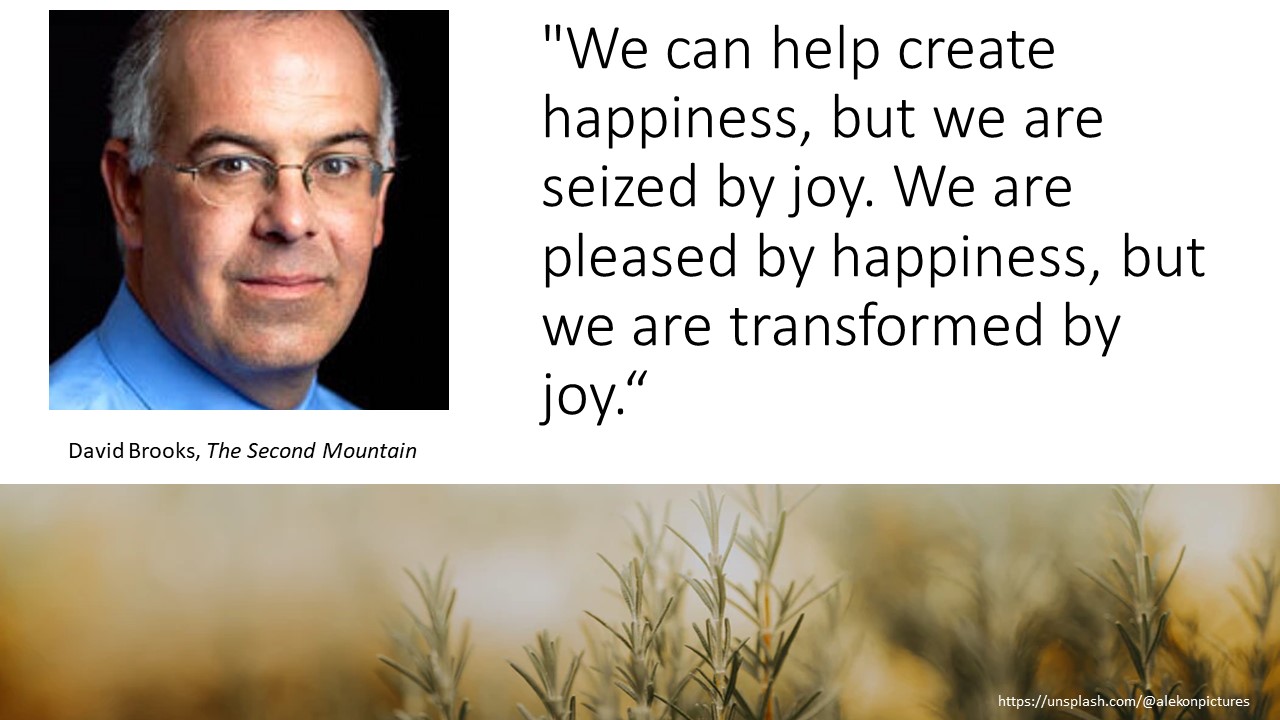
Don’t confuse joy with happiness. There wasn’t much in Mary’s life that was happy, and that may also be true for us. Happiness is on the surface, but joy resides deep within us. As David Brooks writes in his book The Second Mountain, “We can help create happiness, but we are seized by joy. We are pleased by happiness, but we are transformed by joy.”[10]
Be transformed! Show unabashed joy. Don’t let discouragement or the news of the world get you down. Trust in the Lord and believe in God’s goodness and let joy transform you. Amen.
©2019
[1] Norval Geldenhuys, The New International Commentary on the New Testament: The Gospel of Luke (Grand Rapids, Eerdmans, 1983), 84.
[2] John 15:11
[3] Philippians 1:4, 2:2.
[4] 2 Corinthians 8:1-2.
[5] James 1:2.
[6] 1 Peter 4:13.
[7] Barbara Lundbald, as quoted in the “Sermon Fodder” for “Heaven and Nature Sings” by the Worship Design Studio.
[8] Luke 2:41ff.
[9] John 2:4 and Matthew 12:48.
[10] David Brooks, The Second Mountain (Random House, 2019), xxiv. Quote obtained from a Facebook post on joy.

 John Lane
 There were two preachers who, on their day off, enjoyed fishing. They were at a river next to a highway. Before sitting on the bank, where they’d watch their corks in the hope they’d be the tug of a fish on the line, they posted a sign. It read, “The end is near! Turn yourself around before it’s too late.”
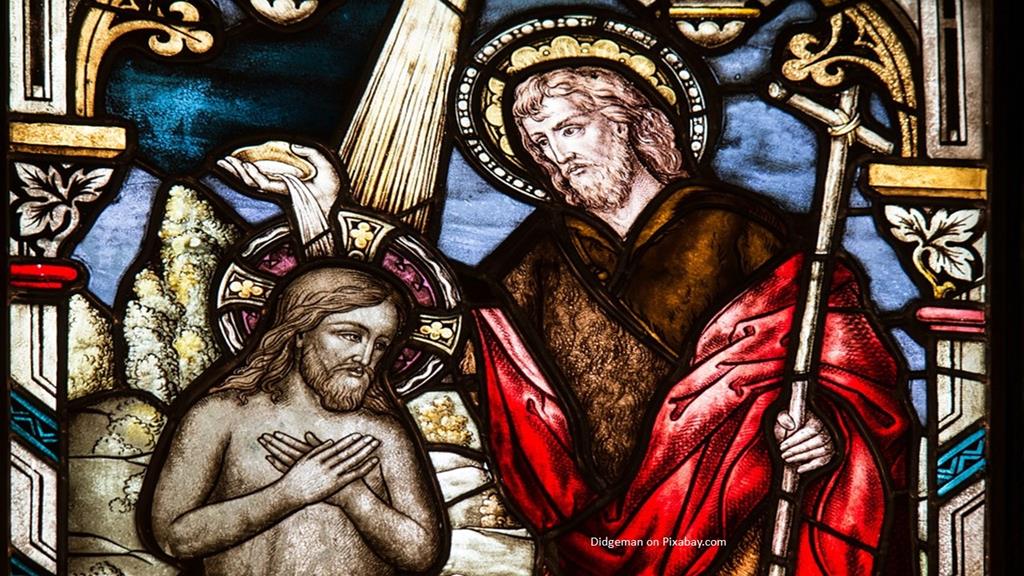 I wonder about John’s message. It’s so harsh, maybe he should have toned down his words. Repeatedly, he talks of fire, and not the warming flames of a campfire, but the ominous fire like those recently experienced in California and Australia. “You brood of vipers,” he calls the religious leaders of the day. That doesn’t sound very loving, does it? Jesus would never say that, would he? Actually, he does; twice in Matthew’s gospel.
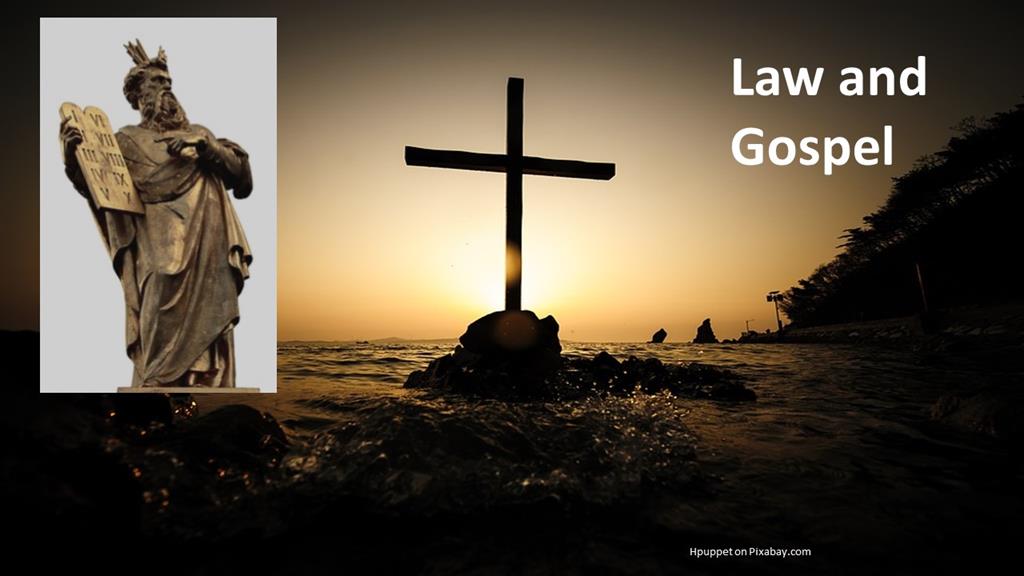 Law and gospel, they go together. To understand the story of scripture, we can’t just push off the “law” parts of the Bible and only focus on the gospel. The gospel makes no sense without the law. The gospel is about how God saves us from our failures, our sin. Those who listened to and were moved by John’s preaching were left with no choice but to confess their sins in order to begin the process of repentance, a word that means to turn around or to start in a new direction. They had to leave sin behind as they joyfully accept what God was doing in their midst.
 But it all comes back to this. God is doing something new. With John the Baptist, God was paving the way for his Son to come on the scene and to teach people a new way to live and to be human. In order to prepare for something new, people must admit their own sinfulness and to realize that they long for something better. Of course, if we don’t think we need to be better, there’s a warning here. Judgment that comes from transgressing the law is a reality. So, do we ignore our sinfulness and die to the law? Or do we accept and confess our sinfulness and embrace the grace that Jesus’ offers? Those are our choices.
 Advent is the time for us to prepare for the loving tenderness shown by Jesus. If God is redeeming this world, if God is promising a new heaven and a new earth, then we should want to be ready to receive this gift. But to receive the gift, we must leave the past behind. We have to be willing to examine deep within our souls and to offer up all that’s not godly so that we might be both cleansed of our sin and have the room to accept Christ into our hearts. We must be willing to allow ourselves to be transformed into something new and better. For Advent is a time not only to remember that Christ came, but that he will come again, and we must be ready.
 We must not just prepare ourselves; we should prepare the church, which is, in the final events of history, to be the bride of Christ.
 Is there loving joy in this passage that will lead to us “repeat the sounding joy”? Yes, there is, but we must get beyond the call to prepare, which John focuses on, and realize that God is doing a new thing. We trust in a God of resurrection. Even if the world destroys itself, God won’t let that be the final word. God wants to remake us. John’s role is to prepare us. Our role is to respond to John’s call to repentance so we might be open to what God is doing in our lives and in our fellowship. Confession and repentance may not in favor in today’s secular world, but in the church, it’s where we begin. All of us need to take a deep look at ourselves and then turn to God and fall on our knees… Amen.


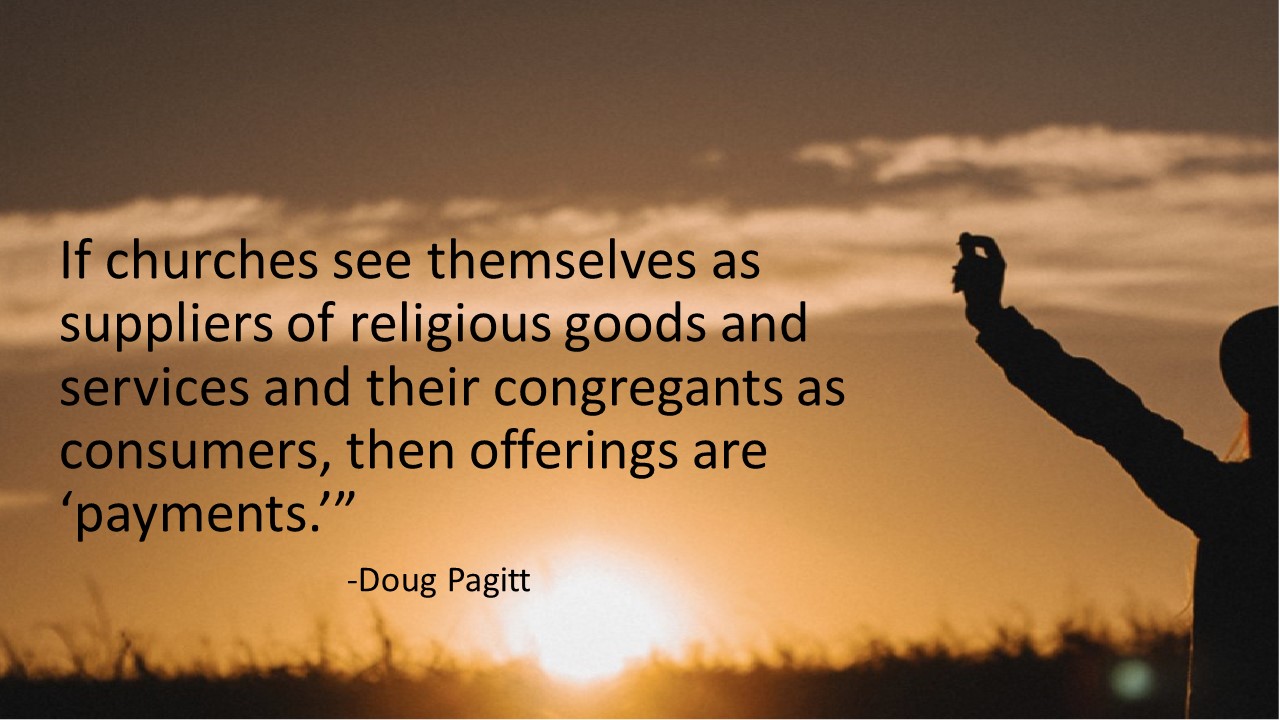
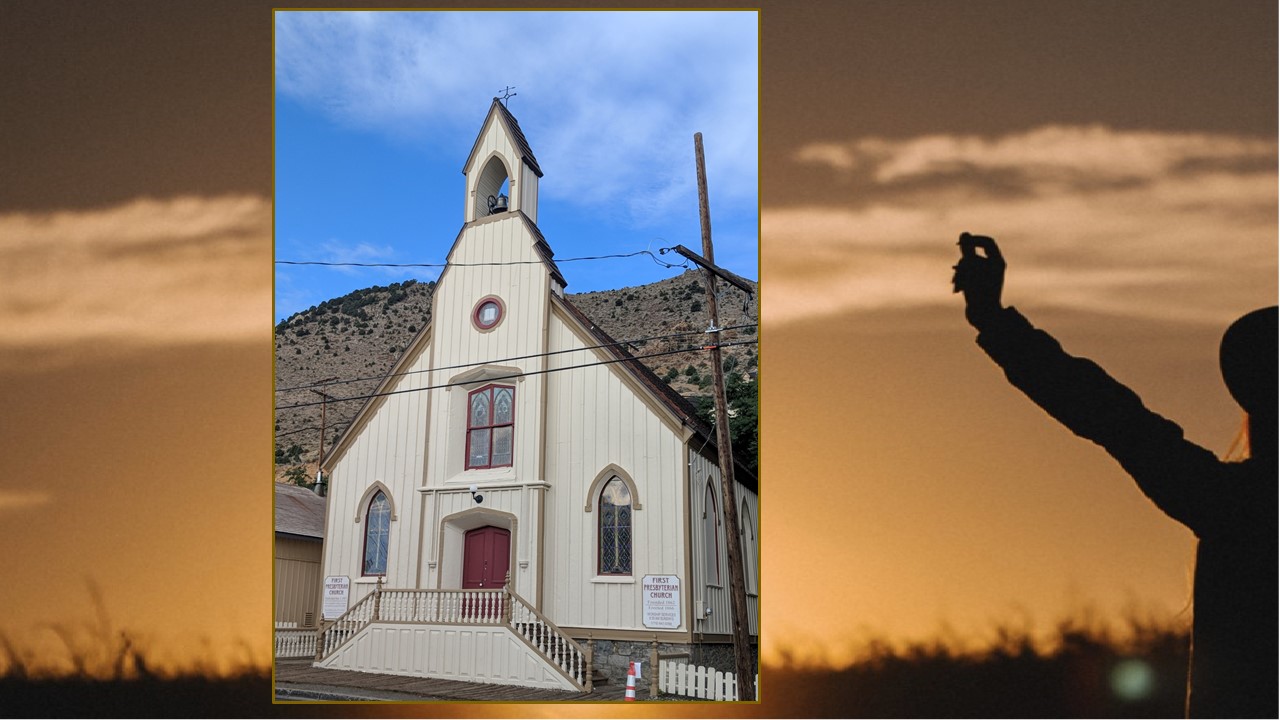 I will always be indebted to the congregation in Virginia City, Nevada, a place where I first experienced ministry on my own as a student pastor for a year. The church on the Comstock, at least in the modern era, has always been small. But there was something about the fellowship of that group that made it an attractive place for all kinds of people. The people in the church worked hard together, keeping the church going, which was quite a task in a wooden building built in 1866. But they also worked hard to help one another. And they tried to help others, sending clothes to an orphanage in Mexico and collecting food for a pantry in Carson City.
 The congregation Luke describes here near the beginning of the book of Acts wasn’t spectacular. It wouldn’t be considered particularly successful according to modern business practices. The fellowship didn’t include the leading folks of Jerusalem. Everyone was poor and marginalized. They didn’t have any glitzy advertising or even a fancy sign out front. After all, they tried to blend in and not stand out because there were those didn’t appreciate their message. But, despite all this, there was something magnetic about this community. They were generous and gracious. They were willing to help each other and to forgive others for the wrongs they’ve done because they’d experienced forgiveness in Jesus Christ. It was this magnetic appeal that drew folks to the church. Why else would someone risk persecutions and isolation by becoming a Christian?
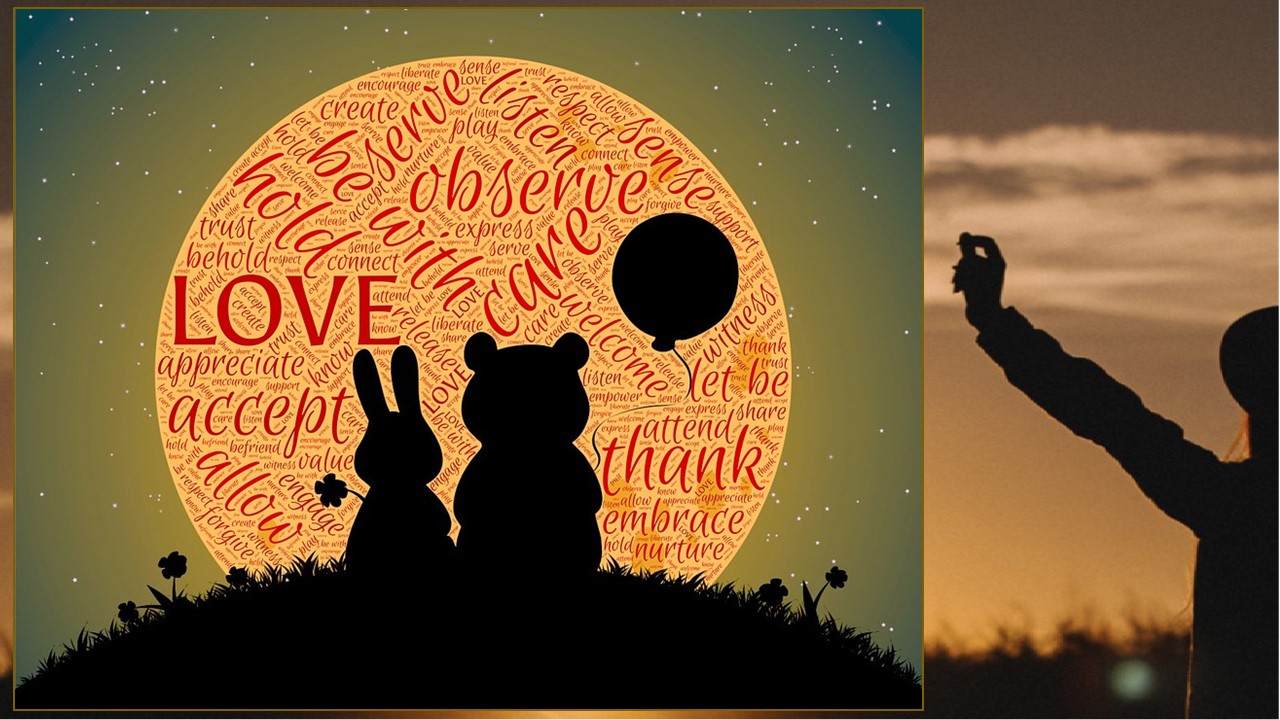 I recently read an article on why we need to make a weekly commitment to attend church. I’ll post this article I my next e-news. It was written by a young widow who describes the church as “the sweetest fellowship this side of heaven.” Her husband died suddenly one night after having been taken to the hospital by an ambulance for shortness of breath. She was left with seven kids. Before leaving the hospital, she called a friend from church. By the time she was home, the friend was there to sit with her. Others came in to grieve, to bring meals, to help clean the house, fix broken appliances and cars, and to minister to and pray for her and her children. The church is not always perfect, she notes. At times, the church can be even cruel. But when we live up to our calling to reflect Jesus’ face to the world, we demonstrate what was described in our passage today. The church can be the sweetest fellowship this side of heaven.
 Friends, today we receive our estimate of giving offerings for 2020, which is a sign of one half of that last question—how generous we are. We are encouraged to grow in generosity. As Vic Bell suggested last week, we’re to take a step toward being more generous, as we strive to become the church described in Acts. I pray that you will be generous and continue to take steps in this direction. But just as important as generosity is, don’t forget to be graciousness. On your walk with Christ, show grace to one another, just as God has been gracious with us. Realize what God has done and commit yourselves to do what? Say it after me… To be more being generous and gracious. Amen.
 Bonnie Jo Campbell, Once Upon a River (New York: W.W. Norton, 2011), 348 pages.


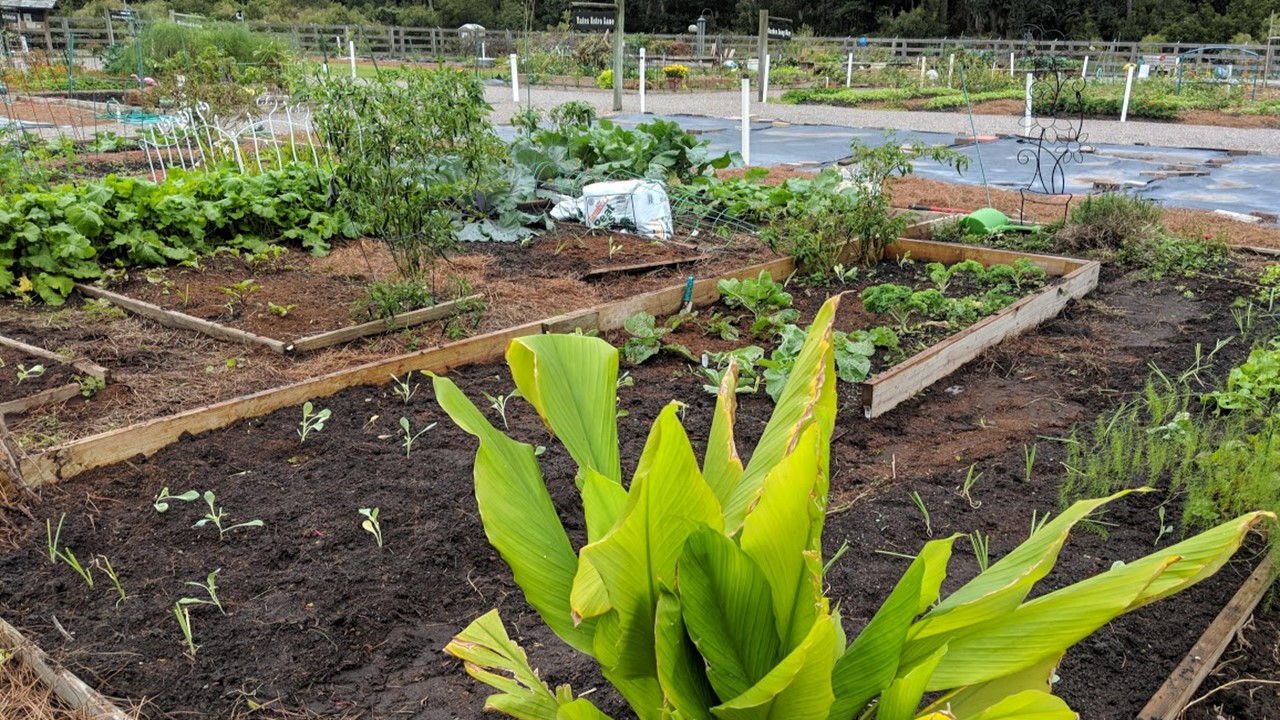 George Bailey had no idea he’d touched so many lives. Sometimes the “little things” we do are hard to see and don’t reach fruition until years later. But if we have our priorities right, we can plant such seeds that have the potential to make a difference in the world. That’s the implication from our passage from the Letter to Timothy. Let’s take this text apart and consider what we’re being told.
 He suggests that the present won’t last forever. In God’s economy, gold and silver have little value. As Jesus says, we need to remember to store our treasures in heaven.
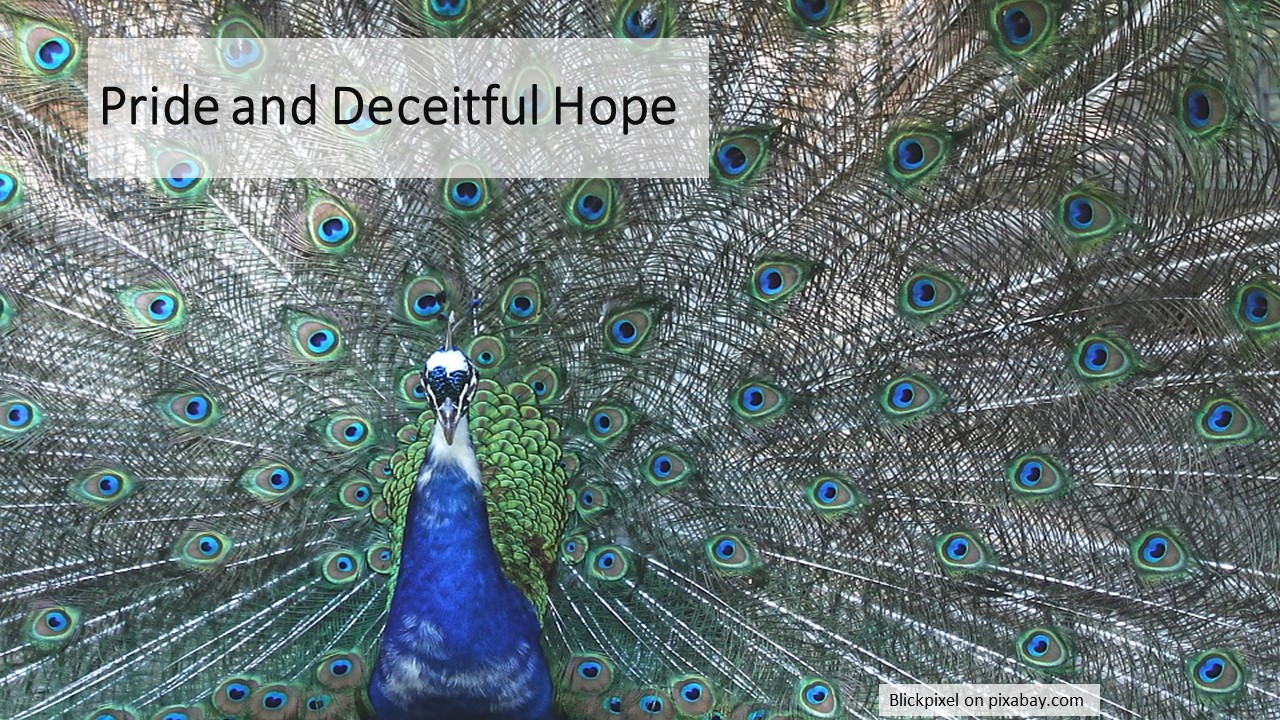 Paul, like Jesus, doesn’t condemn riches in and of themselves. Instead, he points out the dangers or the temptations that come with wealth. Those who are rich must be on guard for two temptations. John Calvin called them “pride and deceitful hope.”
 Let’s explore these two items deeper: Riches can tempt us to act haughty. In other words, we are tempted to have a big ego, or to think more of ourselves than we should. The extreme example of this type of behavior in the movie “It’s a Wonderful Life” is Mr. Potter. He’s a Scrooge-like character that doesn’t experience the joyous conversion of Dicken’s Scrooge. Riches can be a barrier from the humility that’s needed in order to properly see ourselves in God’s kingdom. Augustine, in a sermon during the 4th Century, reflected on this passage saying riches isn’t the problem, it’s the disease which some get from riches which is pride.
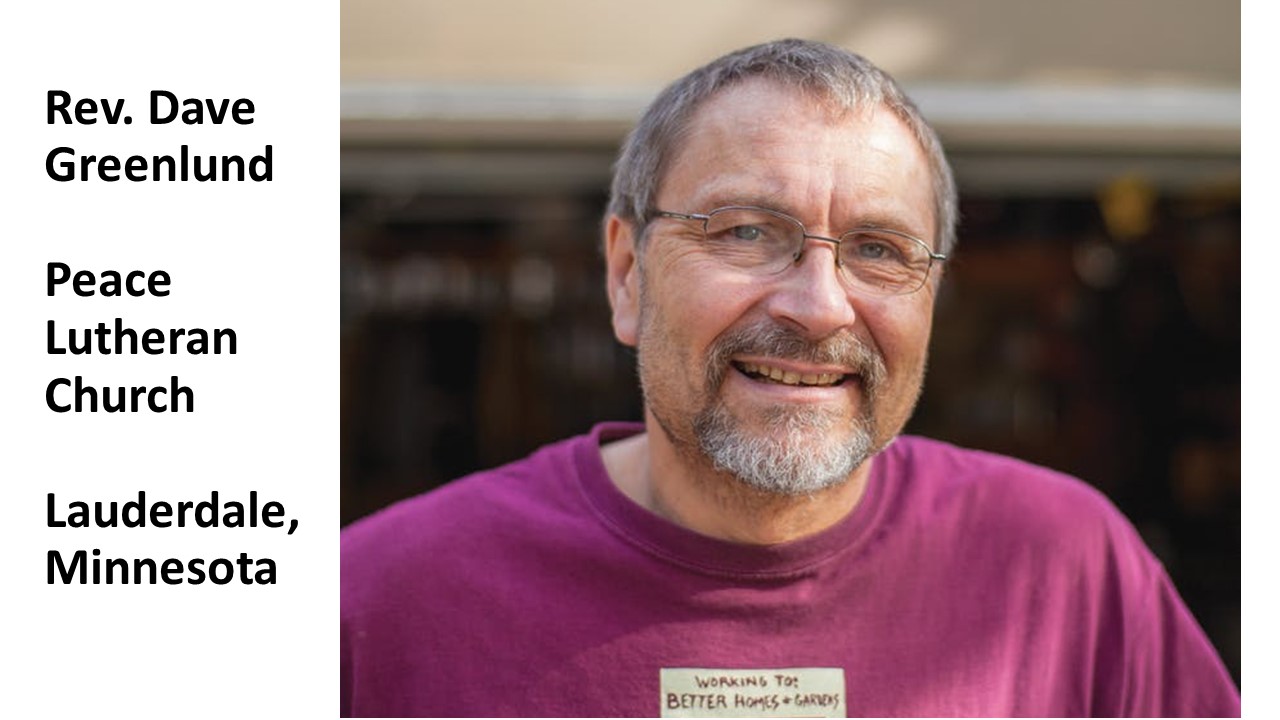 In this week’s e-news that I sent out, I linked to an article about a small Lutheran Church in Minnesota. They were down to 20 members and had enough money to carry them for 18 months when a new pastor arrived. He told them his first Sunday, “You’re dead.” Then he asked, “Now what you are going to do?” The members of the church decided if they were to die, they’d do it well, so they began to seek ways to love and care for those around them. They made no demands on those they helped. They offered to do whatever they could to help people in their neighborhood. At first, they only had a few offers. But they kept on and as they continued, they picked up volunteers. Many of these people were not religious, but they liked the idea of church being supportive of the community.
 When we look beyond ourselves, we realize there are three things we can do with money.
 When we look out from ourselves, we should consider how we might make a difference with our money. Whether we can give large amounts or only a small amount, we need to see our giving as an investment in God’s kingdom. But we don’t do it only if we know we can make a difference, we do it because we know that our efforts will be joined with the giving of others and then that will be blessed by God’s Spirit. Giving is an act of faith. It’s like the message we heard from Dean Smith a few weeks ago, about how that annoying jingle of change in our pockets can be saved and when we add them with change from other pockets, we soon have enough to make a difference in the lives of the hungry. When the community comes together like this, we can make a difference in the world.
 Next week is Consecration Sunday. We are asking for you to make an estimate of giving for 2020, to help the church do its budgeting. As you prepare yourself to make this estimate, I ask you to pray throughout the week for God to give you a vision. You can add this prayer to the prayer that you we’ve been asking you to make on behalf of the church. Ask God how you can make a difference in the world? Let us pray:
 Barbara Tuchman, A Distant Mirror: The Calamitous 14th Century (New York: Knopf, 1978), 720 pages including notes and index. Some plates of photos and artwork.
 Edward Dolnick, A Clockwork Universe: Isaac Newton, the Royal Society and the Birth of the Modern World, 2012 (Audible 10 hours and 4 minutes).
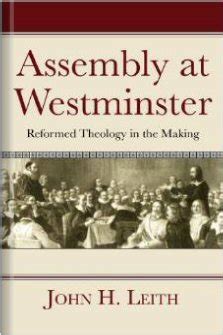 John H. Leith, Assembly at Westminster: Reformed Theology in the Making (Atlanta: John Knox Press, 1973), 127 pages.



 This passage is about us looking deeply and getting our priorities right. There are three connected proverbial thoughts here, which Jesus uses to encourage his listeners to evaluate their lives and to see where they are placing their trust. First, we’re not to trust worldly treasures for they have a way of disappearing. A fine wardrobe can be destroyed by moths, objects crafted out of metal can rust, and what’s to stop someone from stealing them when we’re not looking. Notice, however, Jesus doesn’t say that having nice things is bad. He just says we can’t trust them to always be there and that the problem with such niceties is that when we place too much trust in them, we risk not trusting God. Ultimately, our treasurers are going to fail us.
 The second proverbial through is about a “healthy eye.” My father just had cataract surgery this week and was telling me on Friday about how bright the colors are now that his eye is healthier. But Jesus isn’t making a pitch for eye surgery. Jesus listeners would have known right away what he was talking about when he mentioned an unhealthy or evil eye. They understood that an evil eye referred to an envious, grudging or miserly spirit, while a good eye connotes a generous and compassionate attitude toward life. One of my professors from seminary, in his commentary on Matthew, says it’s as if Jesus’ says: “Just as a blind person’s life is darkened because of an eye malfunction, so the miser’s life is darkened by his failure to deal generously with others.”
 The next statement by Jesus concerns serving two masters. A slave would be run ragged if he had to answer to two masters. Likewise, if we try to serve both God and money, we find ourselves with two masters and the latter, money, makes a harsh master. There can never be enough. We need to place our priorities in order. We need to stick with God.
 It sounds too simple. “Store up your treasures in heaven; don’t worry about things here on earth.” Easier said than done, right? We all worry about having enough for tomorrow—and the day and the year and the decade that follows. We must admit that our prayers for daily bread seem unnecessary when we have a pantry full of food. When we have too much, it’s hard to depend upon God.
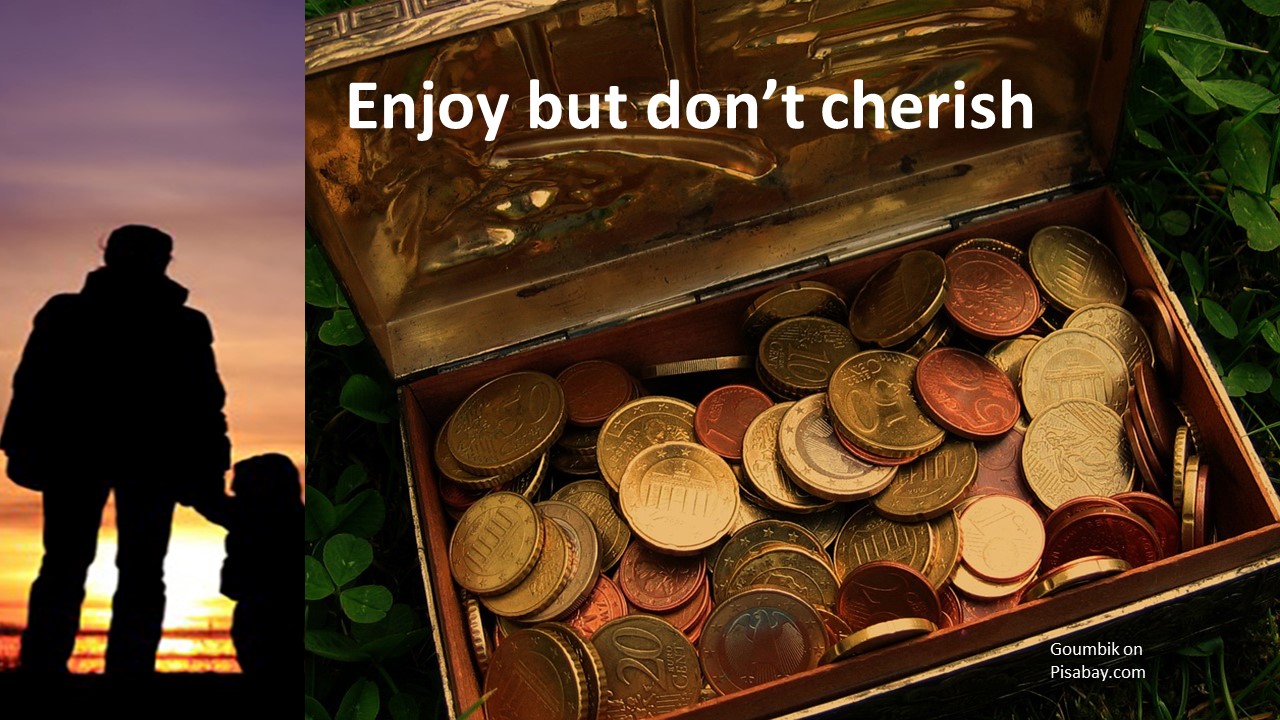 How might we learn not to store up our treasures here on earth? First, “Enjoy things, but don’t cherish them.” God created this world good and wants us to enjoy life and the blessings provided, but God gets angry when we see such blessings as being ours or being worthy of our worship. Second, “Share things joyfully, not reluctantly.” If it bugs you to share something you have with someone who needs it, you should then know that item has gotten a hold on you. It’s an earthly treasure, an idol. Finally, “Think as a pilgrim, not a settler.” “The world is not my home, I’m just passin’ thru,” the old gospel song goes.
 Look inside yourself and use these thoughts to evaluate what you have: Enjoy, Share, and think like a pilgrim. A pilgrim is like a backpacker. Remember, you don’t want your pack to weigh you down. Amen.