
 Jeff Garrison
Skidaway Island Presbyterian Church
John 14:8-17
June 9, 2019
Today is Pentecost, the birthday of the church, a day to wear red in remembrance of those tongues that appeared as flames announcing the arrival of the Spirit. But instead of preaching on the Pentecost passage in Acts, I want us to look at the gospel lectionary passage for the day. Here, Jesus first promises to send a special friend (an Advocate, a Helper, better known as the Spirit) into the Christian Community. In the gospel of John, Jesus reiterates this five times.[1] The sending of the Spirit is a big deal.
Our reading this morning from the 14th chapter of John’s gospel takes place around the table of the Last Supper. The part of this chapter before our reading involves our friend, Doubting Thomas. He asks Jesus how we can know the way to where he’s going if we don’t know where he’s going. In the 6th verse, Jesus gives his classic statement, “I am the way, the truth, and the life, no one comes to the Father, except through me.
But Thomas isn’t the only one asking questions this evening. In our reading, Philip chimes in with a statement that we could have all made. “Just show me, Jesus, and I’ll be satisfied.” Let’s listen to God’s word. Read John 14:7-17
###
 Over a period of a few weeks, a minister listened to a parishioners tell the same fish story many times. Each time the fisherman told the story, the fish took on a different dimension. Sometimes he made the fish out to be a whale and other times it seemed to be just a lively bass. Finally, the minister felt he needed to confront this fisherman about his habitual lying… After worship one Sunday, he called the man aside and told him about hearing the same story told in different ways to different listeners… “Well you see,” the fisherman explained, “I have to be realistic. I never tell someone more than I think they will believe.”[2]
 You know, we can only understand and comprehend so much and it seems that in the passage I just read, Jesus overloads his disciples. He attempts to teach them about the unique relationship between him and God the Father, and our relationship to them though the Holy Spirit. From this passage we learn that our knowledge of God comes from our knowledge of Jesus Christ. Through the life of Jesus, we are able to see God. Furthermore, we learn that through prayer, obedience, and the Holy Spirit we are empowered to carry on Jesus’ work and can experience his peace. This is a passage that deals with the work of the Trinity: God as Father, Son, and Spirit. It’s a lot to comprehend, but Jesus knows his time is short and he needs to prepare the disciples for what’s ahead.
 This passage starts off with Philip begging, “Show us the Father and we will be satisfied.” It’s a natural request. Philip’s descendants must have ended up in Missouri, the “Show Me State.” You know, Philip easily answered Jesus’ call at the beginning of his ministry, as John shows us in his first chapter.[3] But it appears he wasn’t sure why. Perhaps Philip feels he needs some kind of grand demonstration of God’s power, or an encounter like Moses had on Sinai. Such a presentation was not forth coming.
Think about Philip’s question. Don’t we all want to know more about Jesus? Wouldn’t it be nice to have more evidence? Wouldn’t it be great to just see God and get it over with? Then everyone would believe…But it doesn’t work that way. Jesus tells his disciples that the way they, and everyone else, will encounter God is through him. The way God reveals himself to us is through the man named Jesus. Maybe instead of demanding more evidence like Philip, we need to accept what Jesus has to say.
It may seem a little strange, but after living with Jesus for three years, the disciples still don’t understand his unique relationship to the Father in heaven. We must admit, it’s difficult to imagine Jesus being a man and God. Our minds struggle with such a mystery. As a creature of God, we do not have the ability to understand God… Before being able to understand anything about God, we must be willing to accept our human limitations. When we do, we can relate to God through another human being… Jesus Christ.
 Jesus asked his disciples to believe that he was in the Father and the Father was in him, and that his words were the words of the Father. The disciples, being normal logical people, had a hard time understanding how the Father and the Son could be the same. As they wondered, Jesus tells them to just believe, and if they couldn’t believe because of what he said, to believe because of the works that he performed. In other words, there are two ways for them to engage with Jesus’ special relationship with God. They can accept his word or be moved by his work.[4]
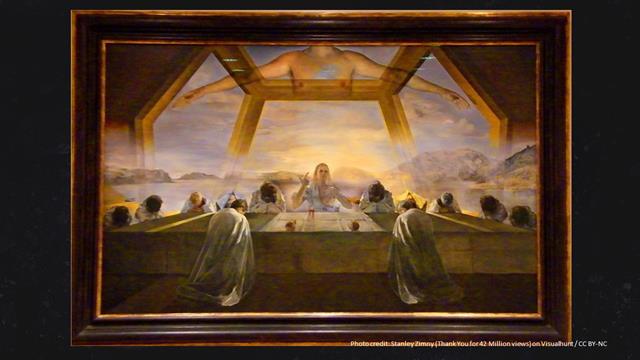 Jesus covers his relationship to God the Father because he wants to get on to what’s going to happen after he departs. After all, this is a conversation around the dinner table the night before the crucifixion. Jesus is preparing the disciples for when he’s no longer going to be present with them.
Jesus makes the shift between focusing on his relationship to the Father and to his continuing relationship to humanity in verse 12. There Jesus promises something strange, telling his disciples those who believe in him would be able to do even greater works after he had gone to the Father. Of course Jesus gives some ground rules for these works… The greater works would be done to glorify God the Father and would be accomplished through prayer, obedience, and the Holy Spirit.
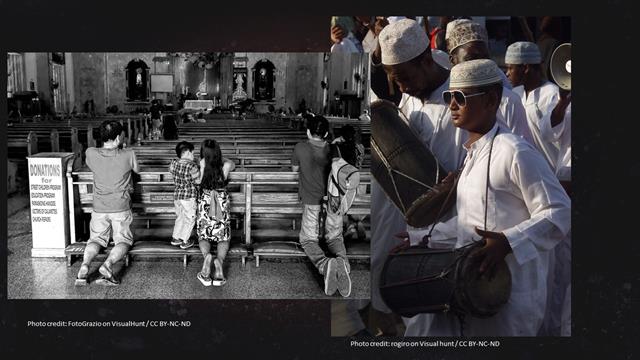 If we pray to Jesus, asking the power to do something that glorifies God, then, he promises, our prayers will be answered. Jesus also promises that God’s Spirit will be with us forever. In other words, we are not abandoned. We are not alone. God is with us. And think about how this has been fulfilled over the centuries. Jesus and his band of disciples made an impact on a small corner of the ancient world, between Galilee and Judea. But within a generation, his followers were planting seeds—from India, to Ethiopia, and to Europe—that would make a significant difference. In 300 years the church would be established all over the region and from there go out into the rest of the world.
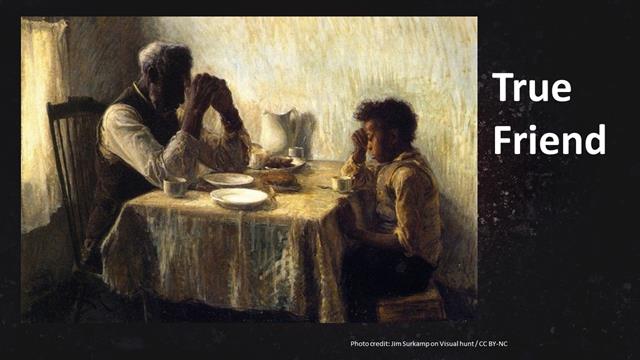 In the 17th verse, Jesus tells his disciples that they’ll be accompanied by a true friend that only they will know. It’s the Spirit that abided with the disciples after Pentecost and now abides with us. In other words, just as the Father is in Jesus and Jesus is in the Father, so we are in the Spirit and the Spirit in us. Knowing he’s not going to be around much longer, Jesus wants to assure the disciples (and us) that they (and we) will be taken care of. Through the Spirit he’ll continue to nourish our souls….
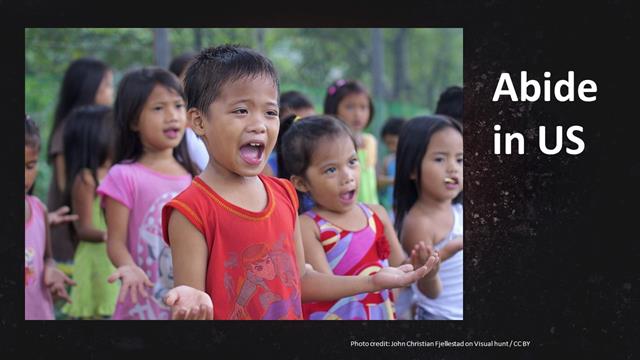 Let me point out one interesting thing here. The Spirit, as spoken of in verse 17, isn’t to us as individuals. When Jesus says the Spirit abides in you, it’s plural, not singular. In other words, the access to the Spirit is found within the fellowship of the church. It’s within the fellowship that Jesus commands us to love one another, as we abide in God through the Spirit and abide in one another through love.[5] This passage doesn’t support an “individual” being caught up in the spirit. Such experiences occur within the community.
Jesus’ purpose in this discussion is to give comfort to the disciples who are going to miss him. Jesus encourages them with the promise of God’s continual presence through the Holy Spirit. Through this promise, he’s preparing them to go out and build a church, which they did because they knew two things: that Jesus and the Father are one and that he’s still with them in Spirit. Even though Jesus isn’t present in bodily form, he remains with the disciples (and us) by answering prayers and through the presence of the Spirit. The work of the Trinity involves the Father, Son, and Spirit, but through the Spirit, it also involves us.
 The early disciples found comfort in Jesus’ words, and we can too. Though Jesus we can know God, and more importantly, we can be forgiven and found to be righteous so that we can enter God’s kingdom. Furthermore, it is comforting to know God’s Spirit, which was first manifested on Pentecost Day so many years ago, is still with us today, ready to lead the church into the 21st century. As a church, our life must be grounded in the Spirit that abides in us. For this reason, the church always has hope. Despite persecution or indifference from the world in which we live, we have something the world doesn’t. We have God’s Spirit, and we need to trust this gift, because it is all that matters. If we abide in the Spirit, we’ll be okay.
 Rejoice, today is Pentecost. Be bold, for God is with us. Amen.
©2019
[1] John 14:16-17, 26; 15:26, 16:7-11 and 12-15.
[2] Snappy Steeple Stories, compiled by Oren Arnold, p. 43
[3] John 1:43.
[4] Gerald Sloyan, John: Interpretation: A Bible Commentary for Teaching and Preaching, (Atlanta, JKP, 1808), 180.
[5] Frederick Dale Bruner, The Gospel of John: A Commentary (Grand Rapids, MI: Eerdmans, 2012), 836
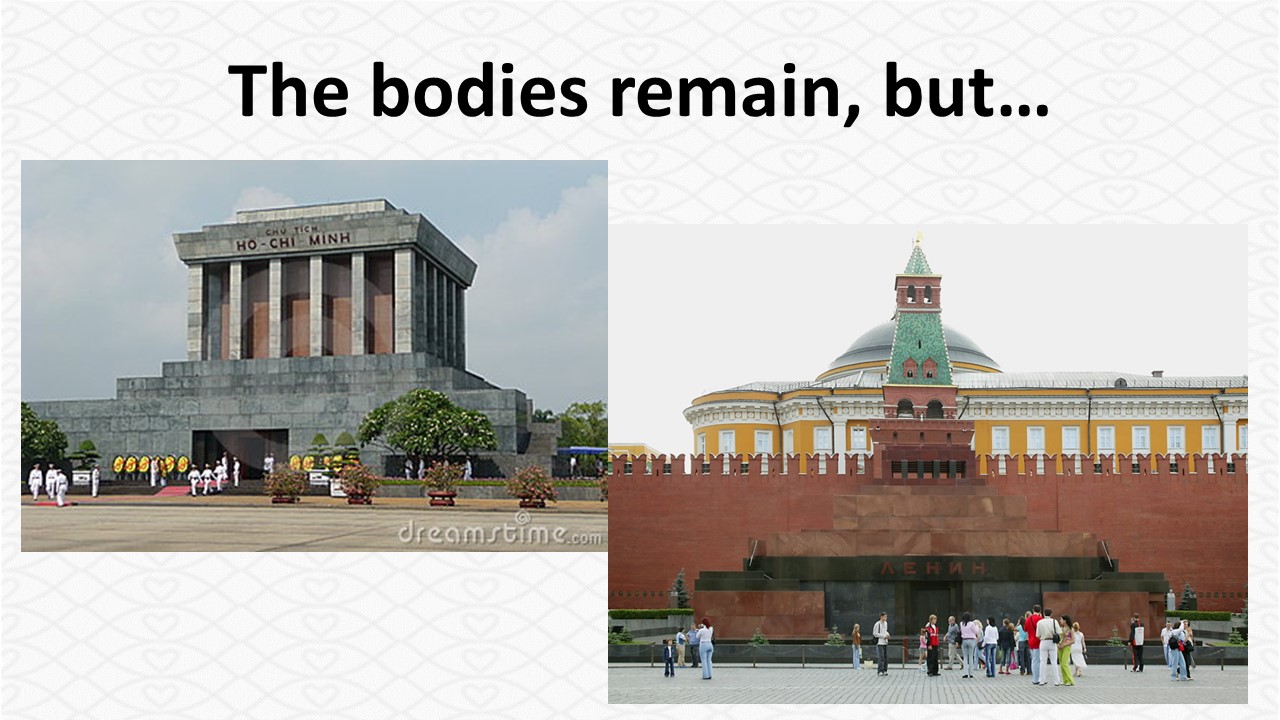 I’ve seen the bodies of Ho Chi Minh in Hanoi and Lenin (not John) in Moscow. Walking pass their preserved flesh, I got chill bumps. It was frigid in the mausoleums. I felt a bit sad for Ho. He wrote specific instructions that his body was to be cremated and the ashes scattered all over Vietnam. But when you’re gone, what happens to your body is no longer in your hands. But there was something else I experienced at these mausoleums. Regardless of what you think of these men who were no saints, they are dead. Sooner or later, we’ll all cease to exist. Our current bodies will become useless and eventually revert back to the dust. But that’s not the final word.
 There are a couple of issues raised in this text that I want us to explore this morning. Paul begins almost as if confiding a secret to a friend, “Listen,” he draws the Corinthians in, “let me tell you a mystery.” Paul is writing about something he admits he doesn’t understand; it’s a mystery, but in this mystery resides hope. “We will not all die, but we will all be changed.” Now, there is a question here about what Paul means when he says we will not all die. Who are the “WE?” Some argue that Paul believes Jesus’ return is going to be soon, during their lives. We see a similar thread in Paul’s first letter to the Thessalonians where he comforts those who are concerned about their friends and family members who have died and what will happen to them after Christ returns.
 In this passage, Paul emphasizes the necessity of change. Nothing can stay the same. We have to give up the familiar, our mortal bodies, in order to be resurrected in a new immortal body. Interestingly, Paul insists we will be clothed with immortality which was not taught in the schools of the day. The Greeks assumed immortality was our natural state and it was covered with our bodies; therefore the ideal was the soul, not the flesh covering it. But Paul challenges this notion, for our bodies are, in and of themselves, good.
 As I noted earlier, it’s interesting how Paul book-ends his essay on the resurrection with fragments of what was most likely an ancient hymn. Paul uses lyrics which were probably sung by congregations in order to connect with something familiar to his readers. Paul’s speaking of a mystery and music has a way to say more to us than just the lyrics, so it is appropriate that Paul incorporates such a hymn as he concludes his treatment of the resurrection.
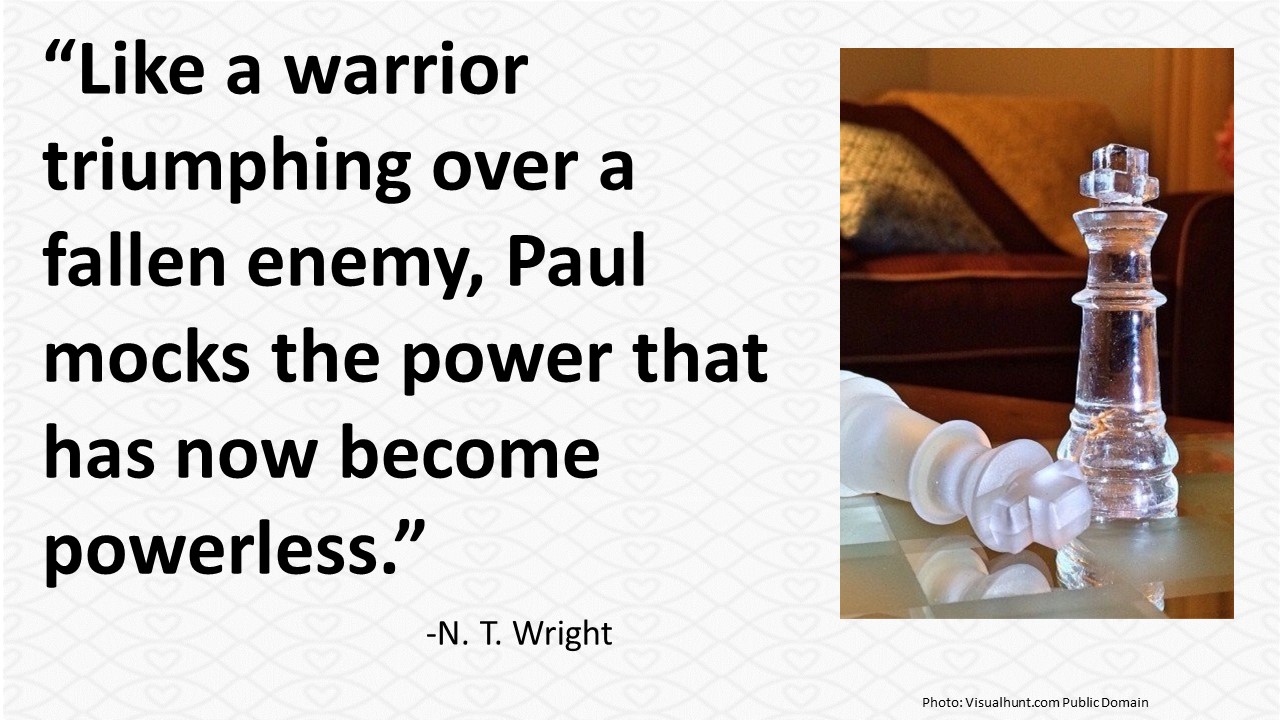 As Paul comes to the end of our passage for today, he makes a powerful statement. In the last two verses, he uses the term “Lord” four times. The modern British theologian, N. T. Wright, suggests that “like a warrior triumphing over a fallen enemy, Paul mocks the power that has now become powerless.” The victory is in our Lord Jesus Christ! He is a Lord in a manner that Caesar can never be!
 Paul brings this essay to a conclusion with a final statement in which he calls the Corinthians, “my beloved.” It’s like saying, “My dear friends.” As he’d shown at the beginning of the letter, Paul is fond of the Corinthians even though throughout the letter, he’s been admonishing them for their disunity, their toleration of grievous sin, their lack of order within worship and their mockery of the Lord’s Supper. Yet, Paul still likes these people. He’s not ready to write them off, as we might be. There’s a lesson for us here! Don’t consider anyone beyond redemption! This passage which Paul has been looking into the future ends by bringing the Corinthians back to the present and to what they need to be doing.
 When I was in college I lived in a garage apartment about a mile off campus. It was a nice place, on a side street with just a few homes and this one garage with an apartment above it. There was a porch, with stairs that ran down to the ground. The porch was large enough for a chair and a couple of potted plants. On Saturday mornings when the weather was decent and I wasn’t off paddling a river somewhere, I could be found sitting in a chair, my feet propped up on the railing, reading or just pondering while I had my morning coffee. It was the good life. I enjoyed birds flying by and singing in the trees. It was a dead-end street, so traffic didn’t bother me. It was also a safe neighborhood as the Chief of Police lived at the end of the road.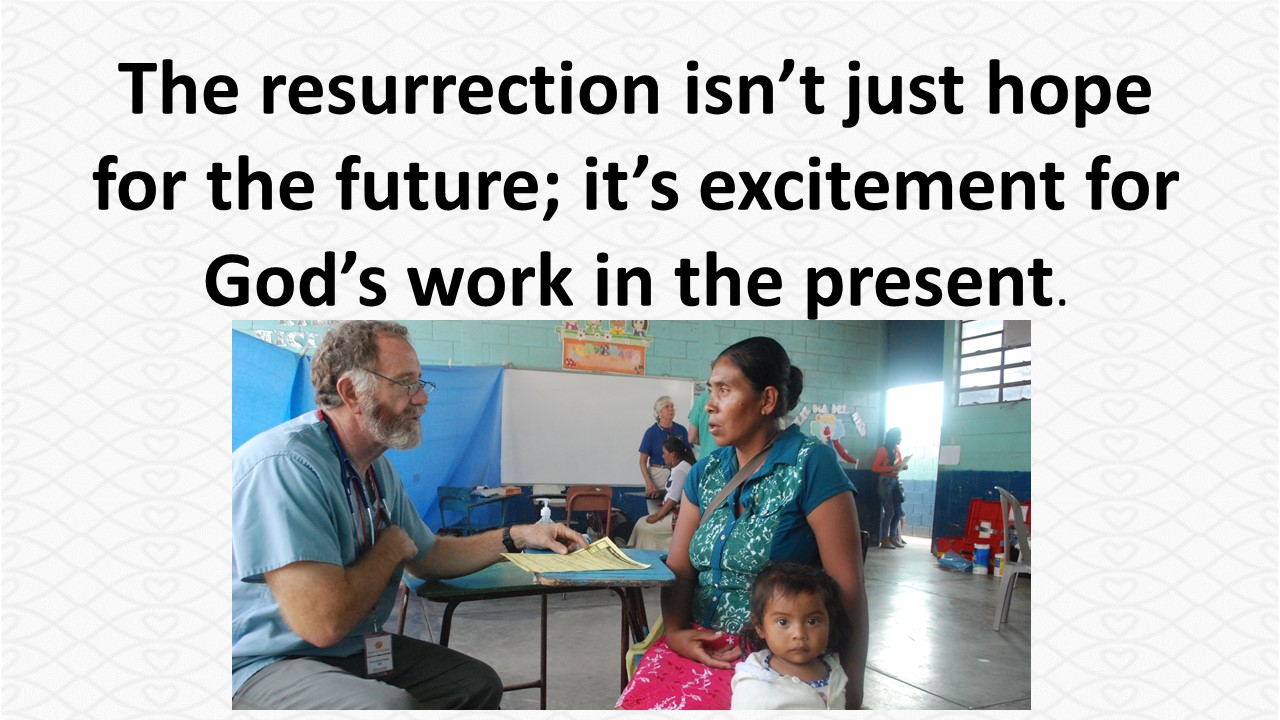
 Jeff Garrison
 I woke up at 6 AM to the sounds of the Star Spangled Banner blaring from the radio. It was the day after Labor Day, 1988. KECH with its whopping 58 watts of amplification began the day’s broadcast up and down the Wood River Valley. The station was off air between midnight and 6 AM, so instead of setting an alarm clock, I just left the radio on at night. I went to sleep to music and woke feeling patriotic. I had become accustomed to getting up in this manner during the summer at Camp Sawtooth in the Boulder Mountains of Idaho. As the music played I’d wash up, brush my teeth, dress, and head down to the dining hall where I’d build a fire to ward off the morning chill. Throughout the summer, when I came into the dining hall, the cooks would already be in the kitchen, fixing breakfast. The smell of coffee perking and bacon frying would fill the air. It had been a near perfect summer. But this morning was different.
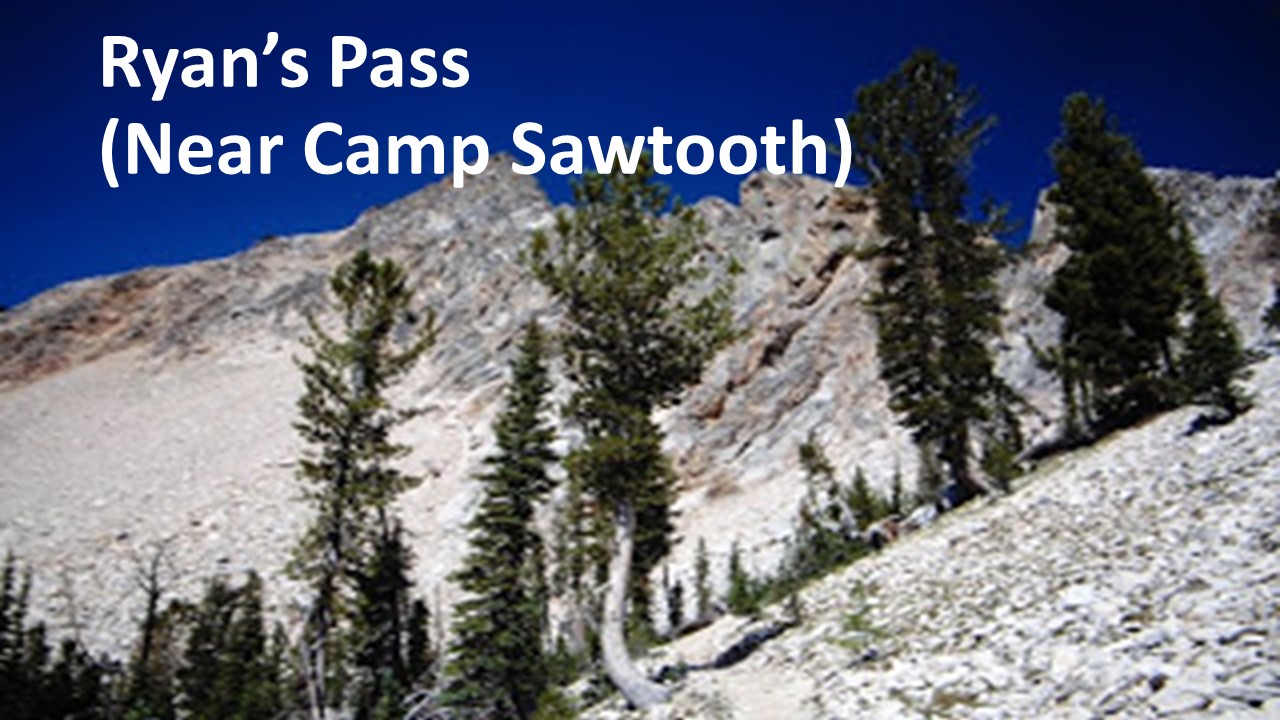 I dreaded getting out of bed. The cooks were gone for the season. I had to fix my own coffee. Yesterday, the last weekend group for the summer had left and camp became eerily silent. If you have ever worked at camp for a summer, you’ll know the feeling I’m expressing. There were only three of us left in that canyon, and we’d all be heading out after lunch. The morning would be busy draining pipes and closing up the camp for winter. When it came time to leave, we’d lock the buildings and gates and our summer in the valley under the tall lodgepole pines between even taller mountains would be over.
 After listening to the news and the weather (it was below freezing in the mountains, but would warm up and be another sunny day in paradise) I reluctantly crawled out of bed. I made coffee for Jack and Evelyn, our caretaker and his wife. I laid a fire in the wood stove one final time.
 Furthermore, Storey County, in which Virginia City sits, had legalized prostitution, a troublesome idea that made me wonder how I’d relate as a pastor, a public representative of God. Finally, even the drive to Virginia City seemed daunting. Much of it was on two-lane roads through mountainous deserts. The last leg included the infamous forty-mile desert where there isn’t a drop of water to be found. I’d just read a book on this stretch the pioneers dreaded and even though I’d be flying through that part of the trip at freeway speeds, there was something about going through this desert that made me nervous. It didn’t get any better the next morning, when I stopped in Lovelock at the edge of this desert and noticed one of my tires going flat. I took it to a shop and sure enough there was a nail in the rubber. It was good I found it when I did; however, it seemed a bad omen. Have you ever been there where you just dreaded what’s next?
 We have a God who loves to surprise us. Ours is a God who invites those at the back of the line to come to the front. He’s a God of love who’s willing to forgive and to allow us a chance to start afresh. He’s a God of protection and refuses to abandon us. He’s a God of glory who shares his majesty through the beauty of a sunrise or a rainbow after a thunderstorm. God can take what we dread and provide a memorable experience. And the resurrection is the ultimate example.
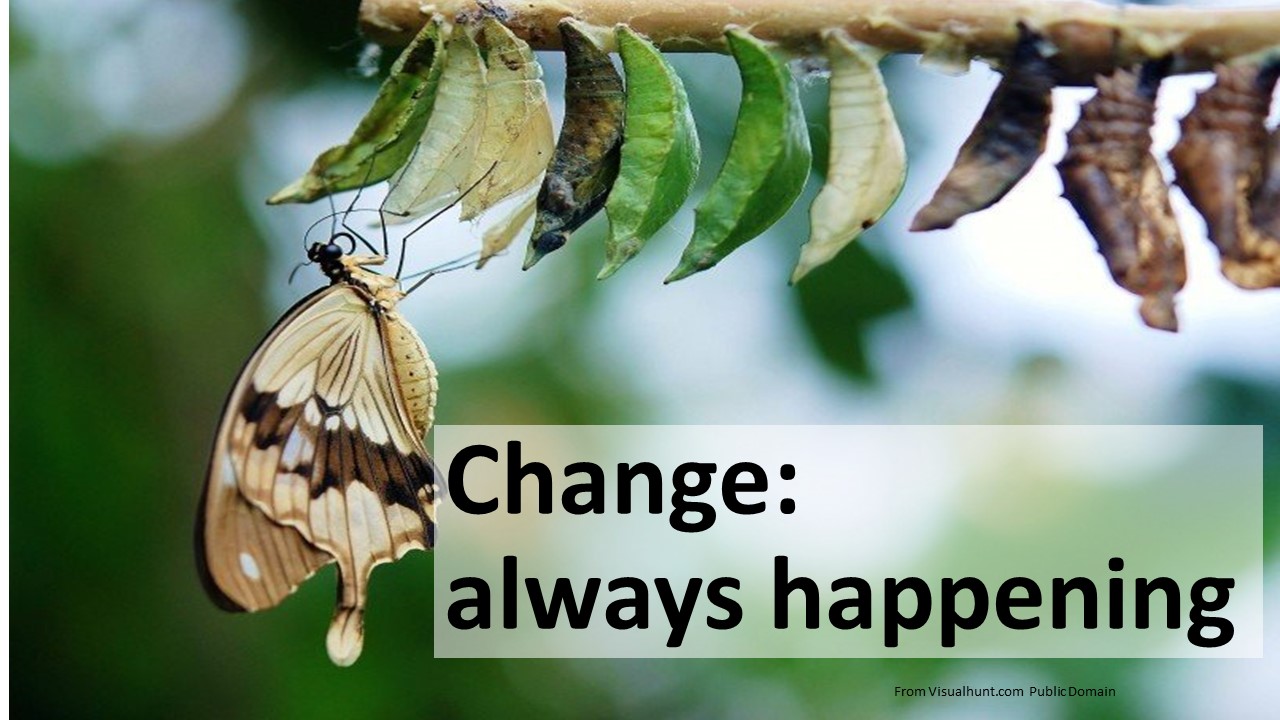 We all dread death, don’t we, but our hope is in the resurrection, which can only be experienced after death. In the resurrection, God reverses our fortune and we’re changed from dead to eternal. Just don’t ask me how. It’s just God’s way. But before I go to what Paul has to say, I should note that such dread of change can be an issue in all areas of our lives. We even find ourselves having such feelings in the church. As people, it seems we like to resist change even though it’s the only thing certain in life… Yet, we’re always nervous about the future. This shows our lack of trust in others (which can be expected, for we’ve all been let down at one time or another). But it also displays a lack of trust in God. We seem to forget that God has things under control; it’s not really up to us.
 As I said before reading this passage, Paul begins asking what probably had been a follow-up question by those who were denying the resurrection. “Just how are the dead raised, Paul? What kind of body will they have?” Paul doesn’t mince his words here and replies with a passionate response, “Fool.” You can’t be much more emphatic than that! He continues by noting what is planted as a seed has to “in essence” die (as it’s buried in the earth) in order to come to life as a new plant. He also notes there are different kinds of flesh and different kinds of bodies as he points to other animals and even to the heavens… We live in a wonderfully unique world.
 Next, Paul returns to the topic he’d brought up earlier in the chapter: Adam and Jesus. Adam is the man of dust. God created him as God created us. If there was any question about Christians believing in reincarnation, Paul negates such ideas here when he insists there is no spiritual beginning for us. This idea was no doubt prevalent in Corinth as it is found in Platonic thought. At the end of Plato’s classic work, The Republic, he describes how spirits leave one world to be born in this world.
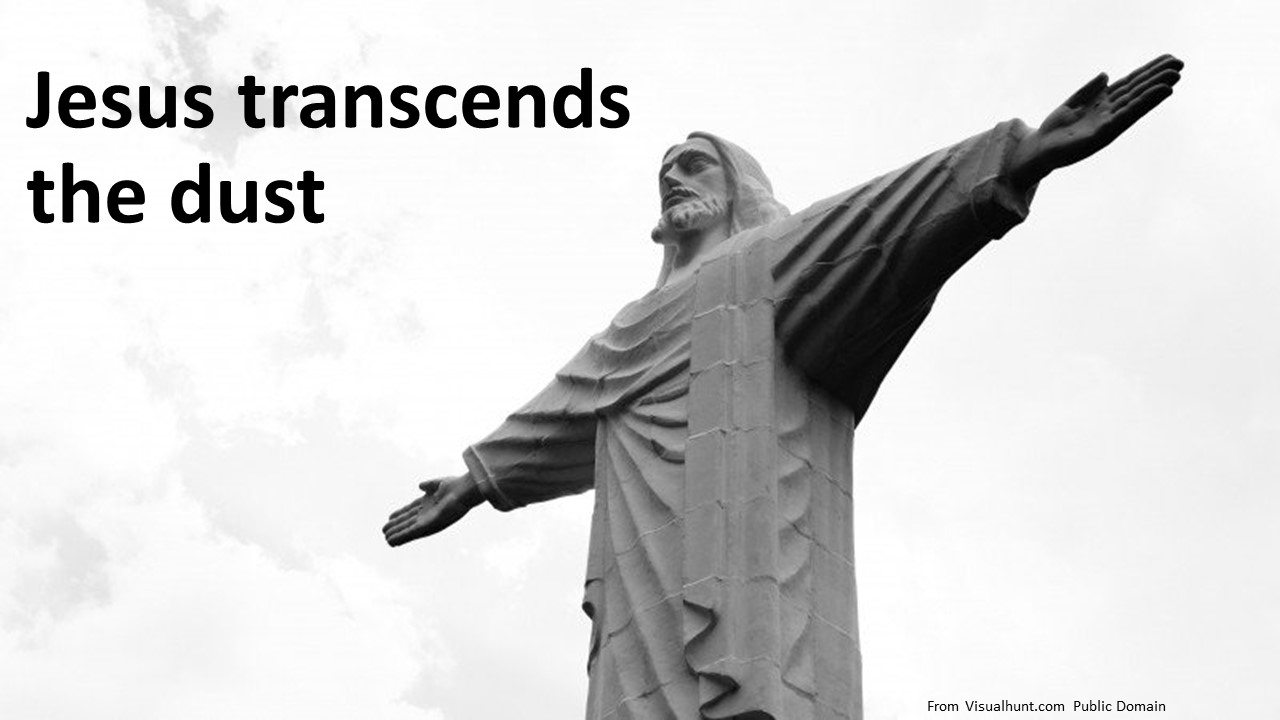 But there is one who transcends the dust, the one who in Revelation is known as “the alpha and the omega, the first and the last, who is and who was and who is to come.”
 As followers of Jesus, we shouldn’t spend too much time fretting and worrying about the future. “Don’t worry about tomorrow,” Jesus tells us.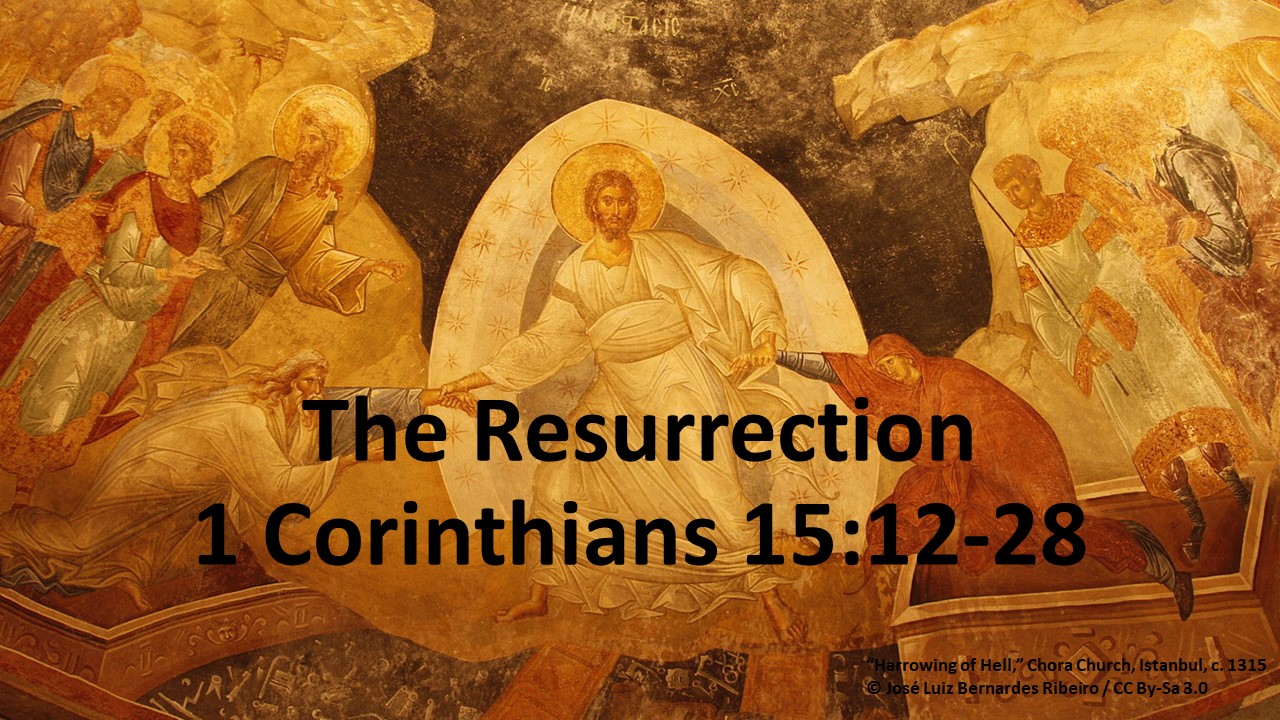
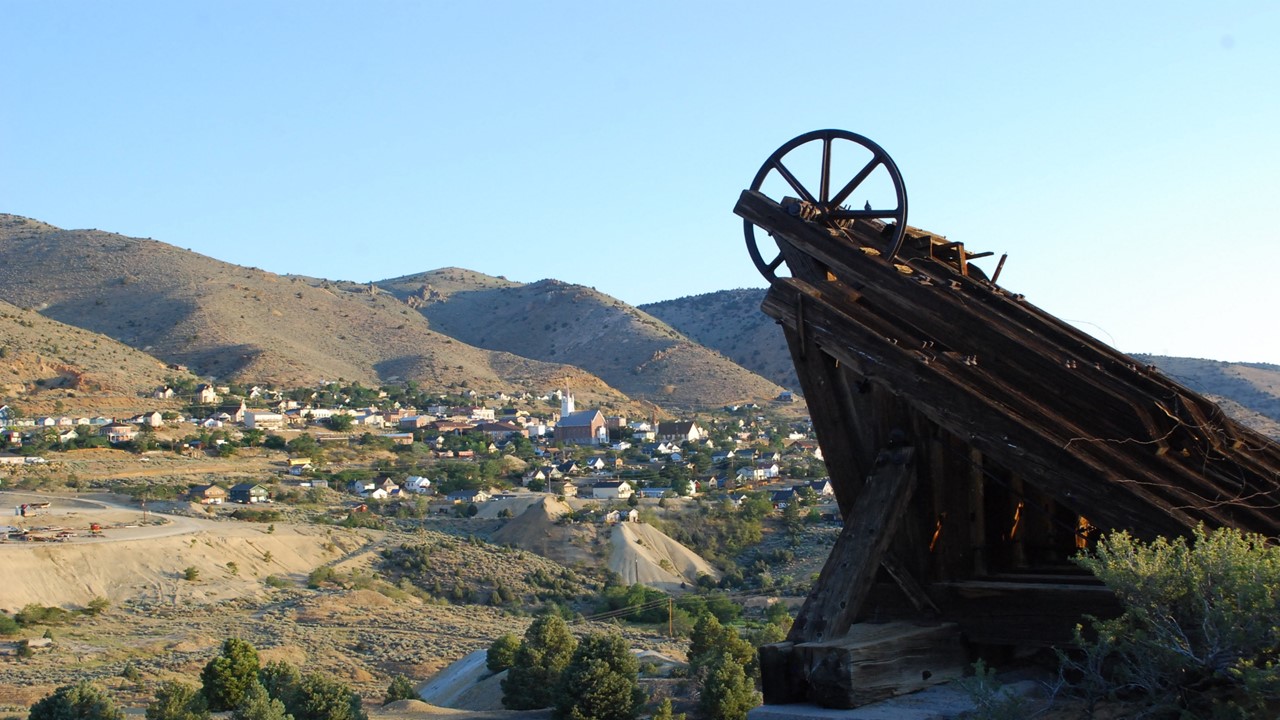 People turn to the church when there is a death because we can offer hope for something beyond our frail mortal bodies. In all the work I did on the history of Western Mining Camps, one of the surprising things I learned was how at the time of death, even people who religiously avoided the shadow of the steeple, would be brought back for a funeral. The friends of Julia Bulette, Virginia City’s most famous prostitute, sought out the Presbyterian minister for her funeral. Mark Twain in Roughing It has a wonderful tale about Buck Fanshaw’s funeral. Fanshaw, a leader of the “bottom-stratum of society” and based on a real-life character who had a relationship with Bulette, died. The local roughs elected Scotty Briggs to “fetch a parson” to “waltz Fanshaw into handsome” (their word for heaven). The dialogue between the minister and Scotty is classic Twain.
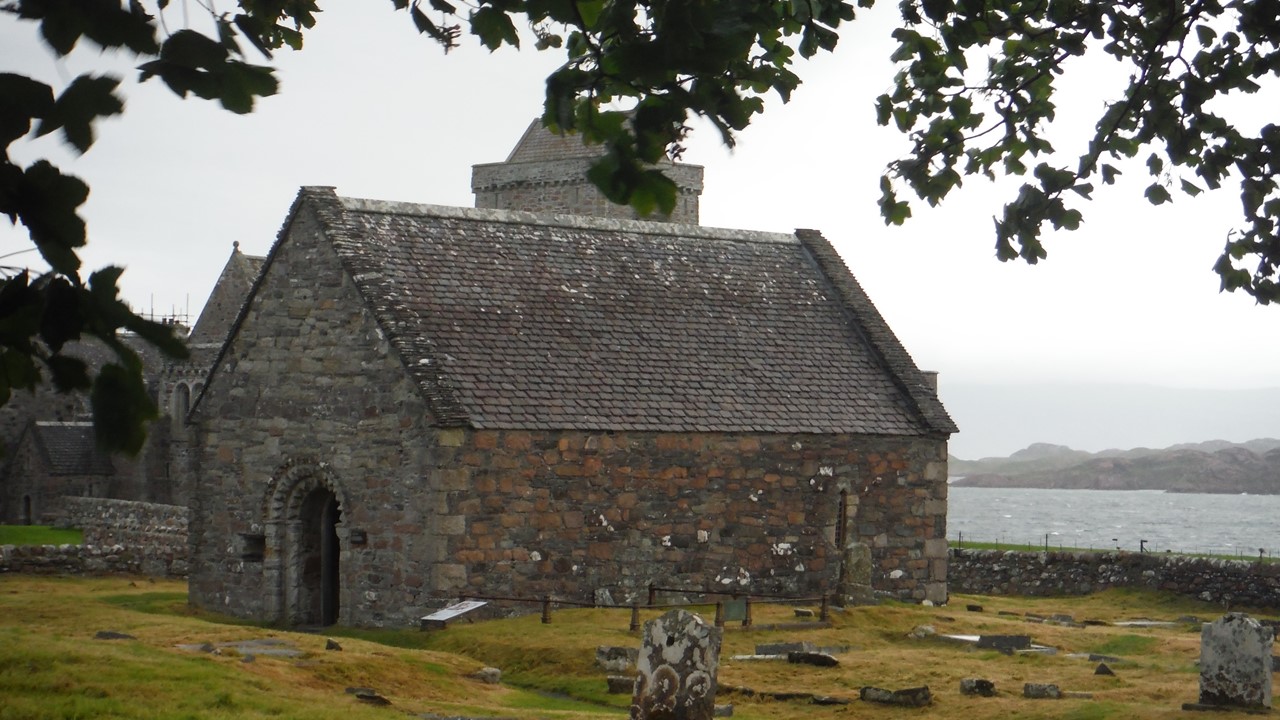 At death and in times of peril, the church is a symbol of our faith and the hope we have for something we can never fully comprehend in this life, the resurrection.
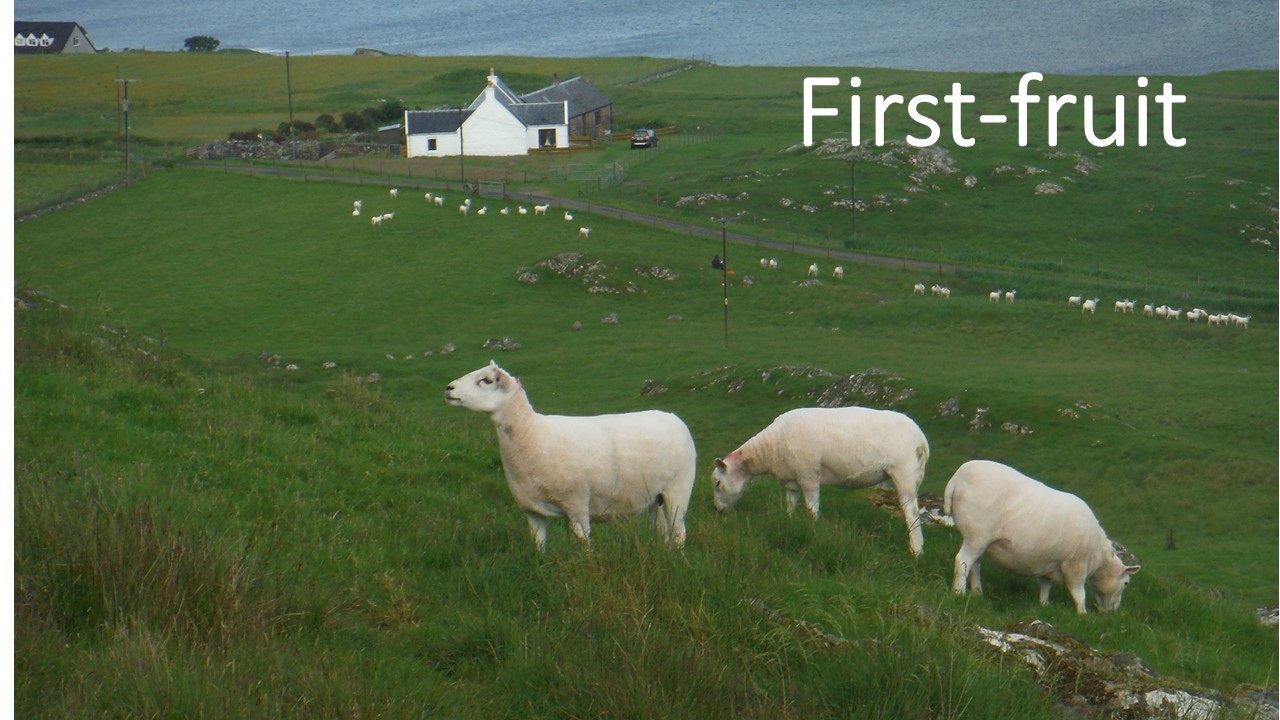 However, there is good news. Although death came through a human being, so too has the resurrection come through a human being. Paul lifts the Christmas doctrine of the incarnation. In Jesus Christ, God became flesh! Christ is the first-fruit of the resurrection, a term that probably meant more to Paul’s audience than to us today. For you see, the Jews were to bring the first of the harvest, their first-fruits, to God as an offering of thanksgiving. We tend to give God what is left, not our first-fruit, which probably says a lot more about our spiritual state that we’d honestly like to admit. However, this isn’t about our giving, it’s about God’s gift, for God the Father gave us his first-fruit, in that of his Son.
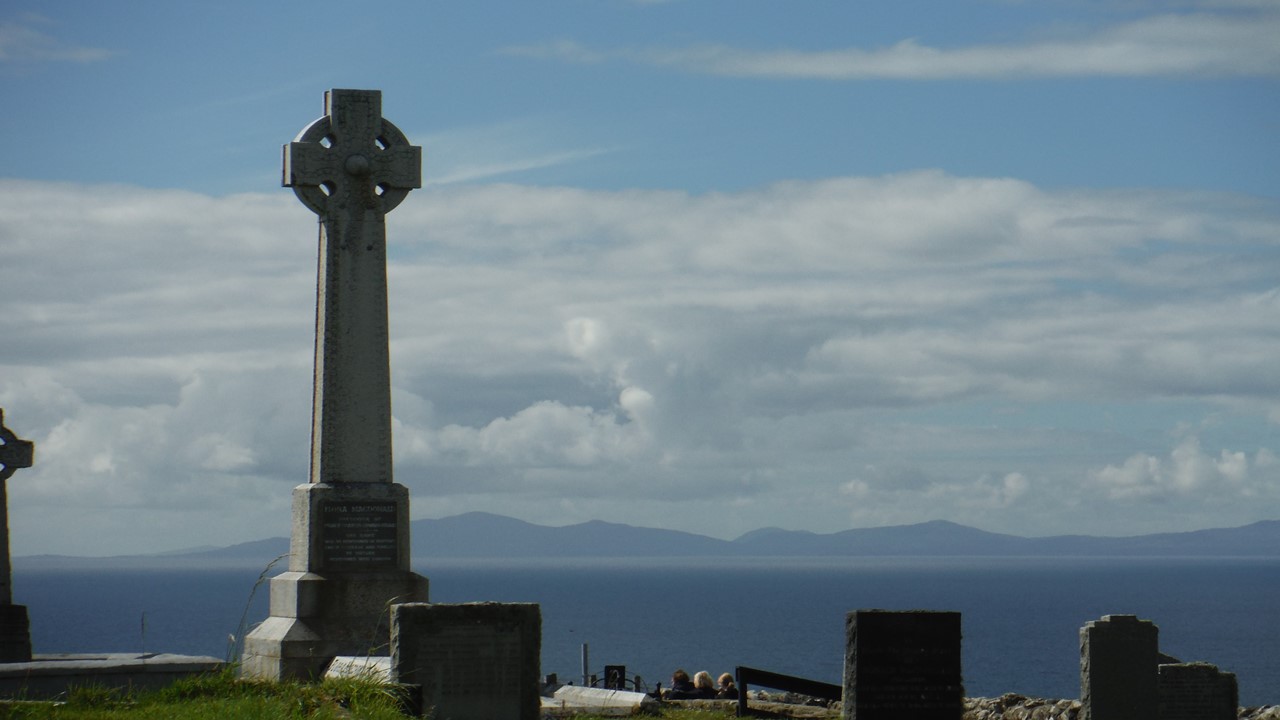 All this is a part of God’s plan in history, Paul notes. It’s all a part of the great plan to destroy all authorities and powers that defy or challenge God. At the end, there will be nothing to draw our attention from the Almighty. All idols will be destroyed, all that which we fear will be removed, the last of which is death itself. With the removal of that great enemy which has haunted the human race since the beginning, we can worship God without fear or distraction.
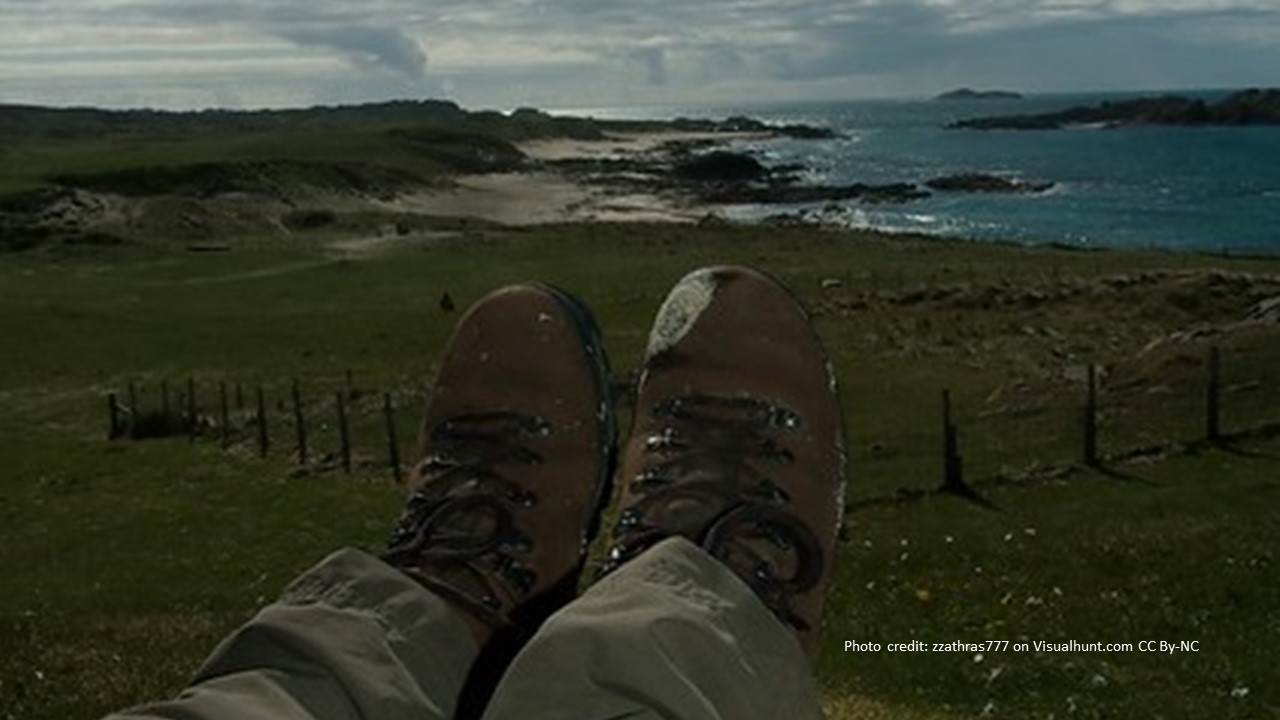 Kenneth Bailey, in his commentary on First Corinthians, goes into detail about the meaning of Jesus placing all his enemies (the last one being death), under his feet. Bailey suggests that verses 24-27 could be removed and the reader wouldn’t notice. You can try this yourself, at home, just leave the verses out and see how it reads. So why did Paul insert this little segue? It’s to make a political point: Jesus is Lord! If Jesus is Lord, that means Caesar isn’t Lord. He cites examples from the ancient world in which the ruler’s footstool often had engravings representing the kingdom’s enemies and when the ruler placed his foot upon the stool, he was making a statement about his power. When Christ has finished, there will be no possibilities of his enemies, including death, making a comeback!
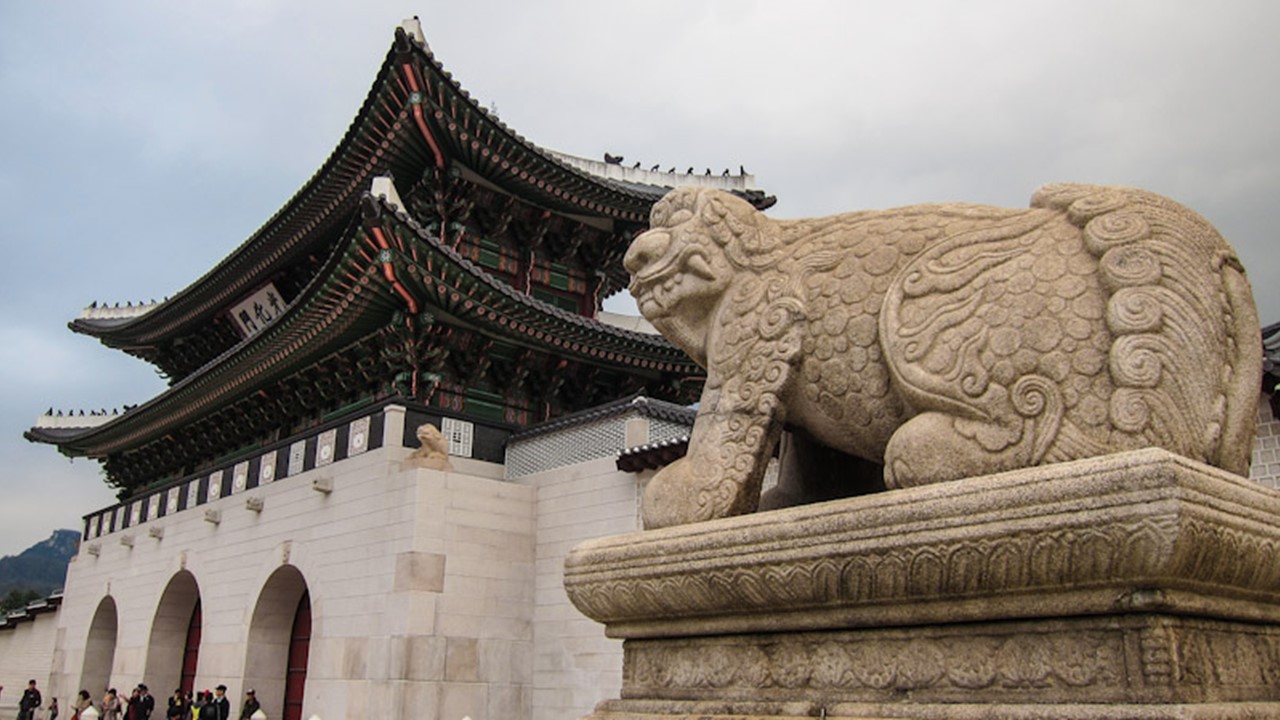 In the winter of 2000, I had the opportunity to spend a few weeks in Korea: preaching, sightseeing and mountain climbing. I visited the imperial city in Seoul, where the emperor once ruled, his throne built on a hill that allowed him to overlook the city. In 1910, Japan invaded Korea. The Japanese decided it was too dangerous to destroy the ancient throne, so instead they built a modern government building to block the view from the city. I learned there had been a great controversy over what to do with this building that was architecturally significant. Many wanted to tear it down, which is what happened, but others wanted to relocate it. One of the more creative ideas, which caused a minor international incident with the Japanese, was to dig a hole and sink the building and then glass over the top. That way, the building would not be destroyed, but the Korean people could have the satisfaction of “walking over” or stomping on the visible representation of 40 years of Japanese occupation.
 Jeff Garrison

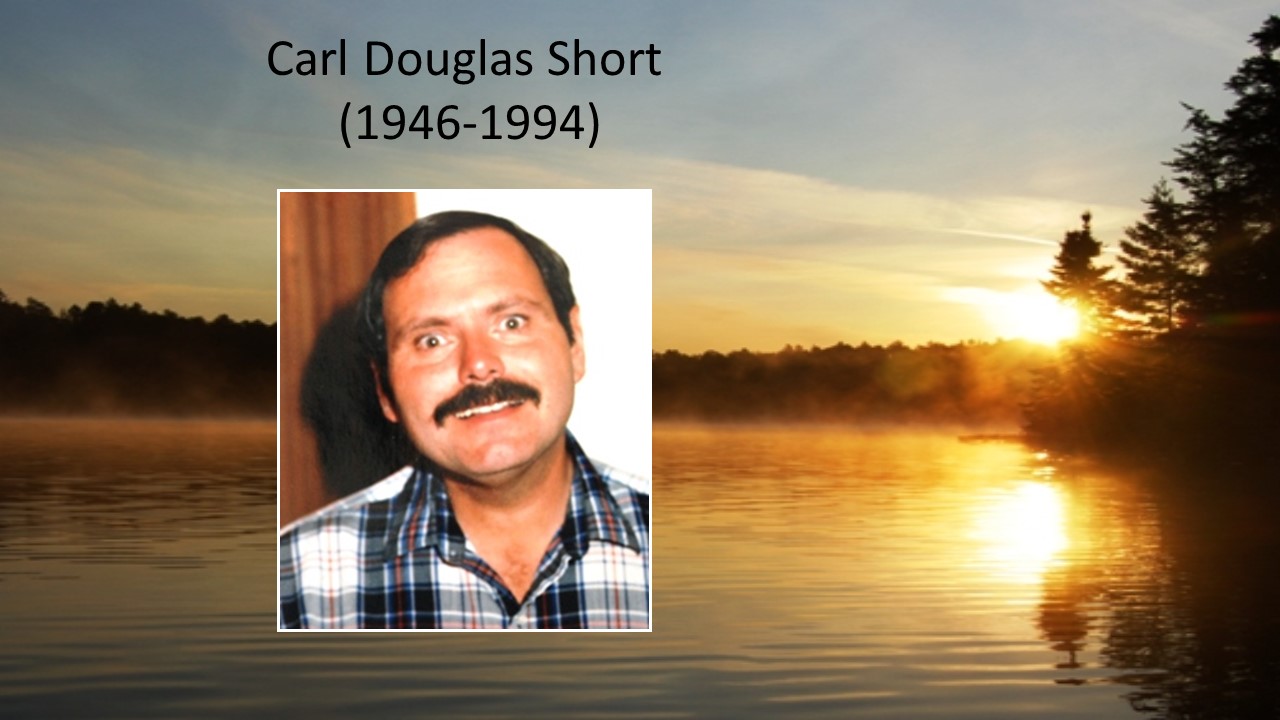 His name was Carl Douglas and he had lived in Virginia City when I was a student pastor there. In the five or so years in between, I’d lost track of Doug, but I had been with him when the doctor had given him the bad news that he had cancer. When I last talked to him, it was in remission, but had come back with a vengeance. I’d been praying for this friend, without knowing it, for months. And now I was sitting across from his estranged sister. Unlike her, I had only good memories of her brother. New Year’s Eve 1988 was one. It was a Saturday and we both had plans for the evening, but when I was in the church practicing my sermon I heard water running and after checking found there was a busted pipe in the heating system, underneath the organ. Doug came right down and we spent a couple of hours fixing the pipe so that we might have heat for Sunday. That was only one example. He was known of his kindness, for being quick to offer a hand to those in need.
 few months after the funeral, Elvira arranged to move back to Nebraska. When I think about all this, I’m amazed. I see God’s hand at work. What was the probability Elvira would end up in a church in a distant city where the pastor knew her son? There was actually a good chance her son could have died and she’d never seen him or even been able to attend the funeral, or even know of his death. Thankfully, she was able to see him and attend his funeral. God enjoys working to bring about surprises and joy!

 N. T. Wright, an insightful theologian from the British Anglican community says this:
 In other words, because of the resurrection, we’re now invited to live as God intends as we join God in his work of transforming the world—a transformation that begins with the open tomb on Easter morning. Everything will be changed. Jesus has defeated death and inaugurates the reclamation of the earth for God’s purpose.
 Will we believe? Will we allow ourselves to be transformed? God is working miracles in this world. I shared one such miracle at the beginning of the sermon. God wants to reconcile the world, not just to himself, but between mother and son, brothers and sisters, friends and enemies. Will we accept God’s invitation to proclaim the good news? Will we accept the invitation to hop up on the bandwagon and follow Jesus, out of the grave and into life? Let us pray:
 Jeff Garrison
 You know, when it comes to religion, we often think it’s about being good, or good enough. We think we need to be like Jig in one of his purifying stages. We see religion as hard work which is why many people don’t want to be bothered with it. We forget about the joy of salvation.
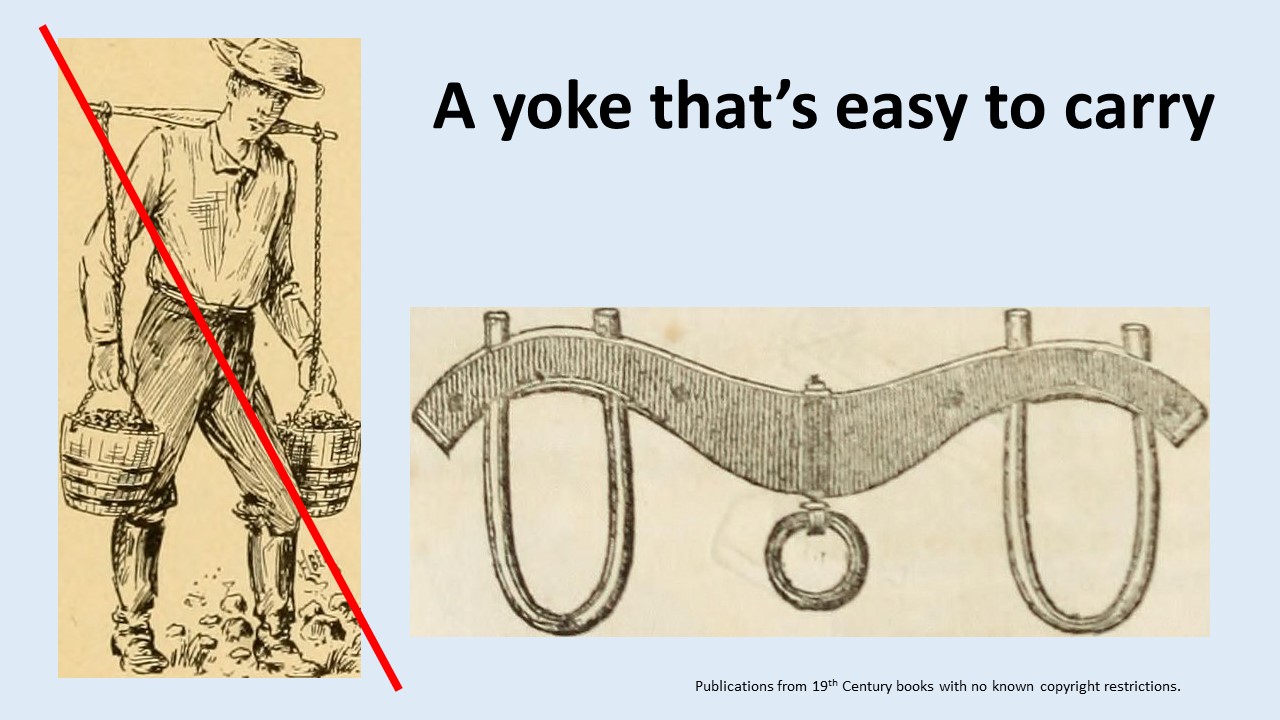 So Jesus invites us saying, “Come to me; take my yoke.” He’s not talking about a single yoke, one that he gives us and we wear around so that we might haul a heavy load. Instead, I think he offers a double yoke, one that he helps share the load. One in which we are able to watch him and learn how to live graciously, to appreciate beauty and to give thanks for the blessings of life. Our translation tells us Jesus’ yoke is easy, but it could also be translated as kind

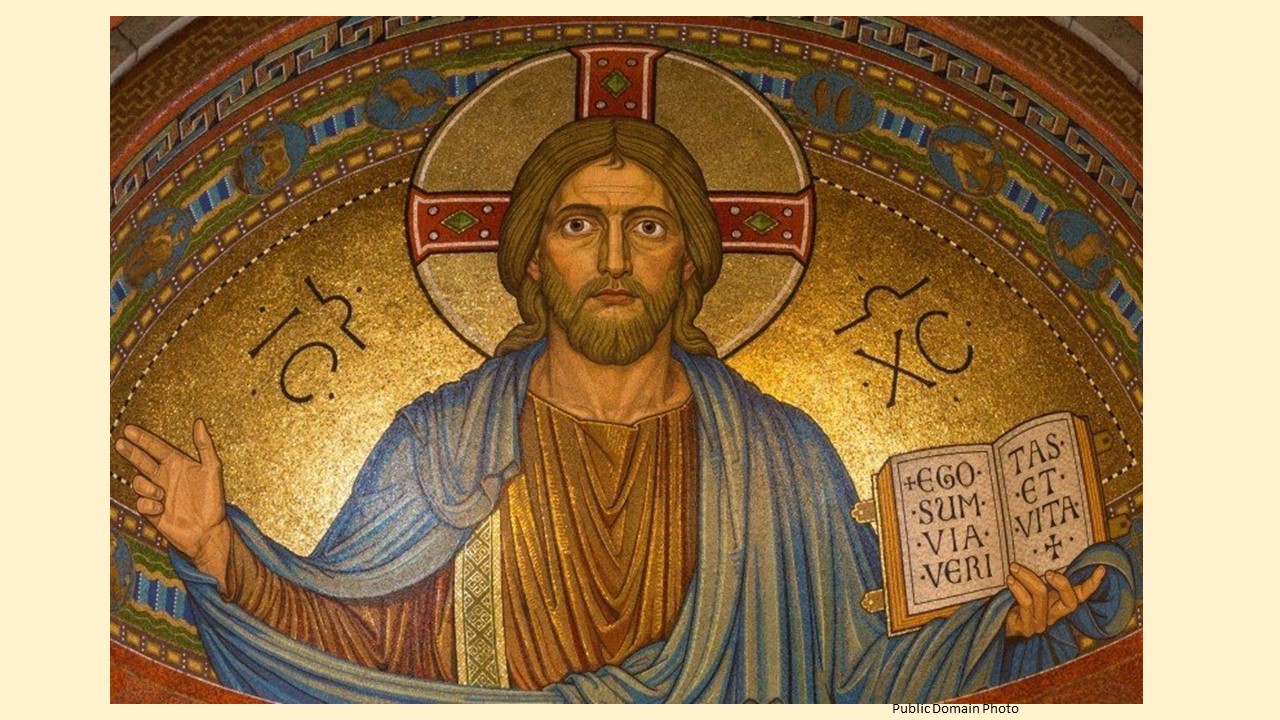 esus calls us to come and learn from him how to enjoy life. He calls us to relearn our priorities, to set the right tempo. Instead of having to work hard to earn God’s grace, we accept it and thereby joyously labor not for God’s grace but to praise God for having been so good to us. We don’t have to be so rushed, because we know God is in control. We don’t have to do it all, for we trust in God’s providence. We don’t have to pretend to be God. Let that burden go!
 Take care of yourself. Reorient your life to a new perspective, one with Jesus, as the face of God
 We are coming to the end of our series on the “Land Between,” and our study from the 11th Chapter of the Book of Numbers. Next week, we’ll begin our Lent Journey, as we make our way toward Easter. Our theme for our Lenten series will be “Busy.” It’s a timely series; we all struggle with busyness. As a way of catching our breath, we’re going to be encouraged by scripture to reconnect to an unhurried God. As a warning, we’ll be doing a few different things in worship. It’ll be exciting, so come and invite others who feel hurried in life to join us for a refreshing break each week as we gather on Sunday.
 Little Tommy was riding in the backseat as the family came home from church. “What did you learn in Sunday School today,” his father asked.
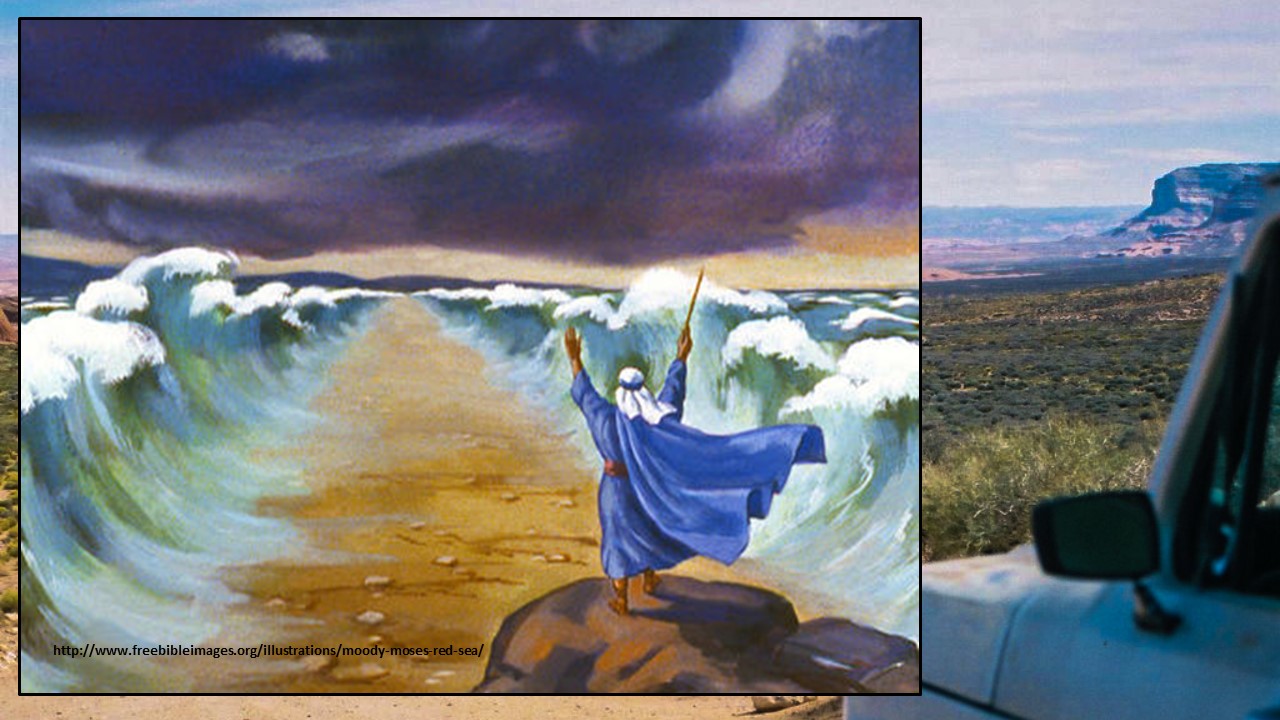
 Now back to Moses. He’s the face people see. And because they still aren’t sure what’s up, he’s the one who receives all the complaints. He’s weary and needs help. But unlike the people who have questioned God’s goodness, thinking the Almighty led them into the desert to die, Moses trusts the Lord. After all, God has always comes through. When Israel’s back was up against the sea, it wasn’t Moses who parted the sea. He might have lifted his arms as we see in the movies, but it was God, the one who watches out for Israel, who saves the day.
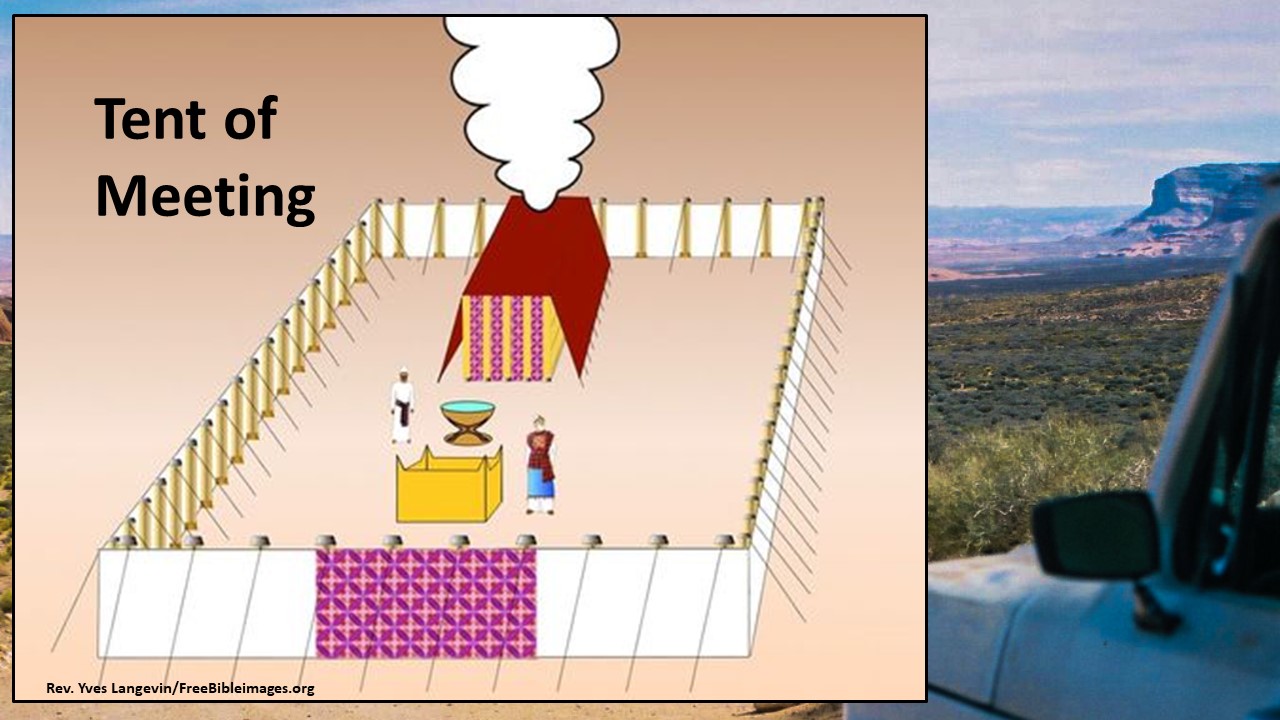 Let’s look at the text. After the elders were commissioned, they received the spirit and prophesied. That was all well and good, and expected. But what happens next is that there were two men, who were not in the assembly, who showed signs of having the spirit placed upon them. They, too, prophesied. This was disturbing, for these were not ones who were supposed to be doing this. A runner (a 14th Century BC tattle-tale) was sent to Moses saying, Eldad and Medad are prophesying in camp. Joshua was ready to have them stopped but it didn’t bother Moses. “Let them be,” Moses responded. “Are you jealous for me? Wouldn’t it be nice if all God’s people were prophets?”
 What can we take from this passage? How might it apply to our topic of growth? There are two things that come to mind. First of all, as we see in the story of the Exodus, we have to take the risk to follow and to trust God. It can be scary at times, but if we are willing to take that risk, God will protect and watch over us. Faith isn’t about certainty; if it was, it wouldn’t be faith. Faith is about trust. Do we trust God enough to take a risk that will allow God to show us that he’s with us? When God’s church grapples at what its future might be, those who are willing to take a risk are the ones rewarded. It’s easy to sit back and do nothing, but that’s not the type of followers Jesus calls. As the Session of this church works on our strategic plan for the future (and this is a process), I hope you will be open to new directions. God calls us to risk in faith, not for our glory, but for God’s. Are we up for taking risks? We can’t keep doing the same thing that might have worked for us 30 or 40 years ago. Times change and new strategies are required. We are called to be people of faith and we must live into our calling.
 Secondly, we learn in this passage that we’re not in control and we need to let God’s Spirit work. Those who were upset with Eldad and Medad show a human tendency to have preconceived ideas of what it looks like when God shows up. We have to be ready for surprises, for God’s ideas may be different from ours. God has this incredible love for all people, not just those who look, think and act like us. We might be surprised what God is doing in our midst and it might make us uncomfortable. Someone might come up with a new idea that we’ve never tried before, or that was half-heartedly tried years ago. Is our first reaction to immediately reject it? Or are we willing to see if God’s Spirit’s is leading us in a different direction? The truth of Jesus Christ never changes, but how we live out that truth within a changing culture will be different.
 Remember, it’s not about us. We’re called to have faith, to trust, and to follow Jesus as we move through the “Land Between.” And if we have faith, we will experience growth in our own lives and within the community. We might not know what that growth really looks like until afterwards, but when we are there, we will know that God has been with us. Amen.
 Jeff Garrison
 Robert Ruark began quail hunting with his granddad at the age of eight. The opening story in his wonderful book, The Old Man and the Boy, is about a quail hunt. To the chagrin of his mother and grandmother, his grandfather, “the Old Man,” brought him a 20 gauge shotgun. They headed out into a pea field with two dogs. Quickly, the dogs were pointing and the Old Man gave him a shell and told him to load up. He broke open the barrel, slipped the shell into the breech, and snapped it closed. Then as his pulled the gun up to hold at a forty-five degree angle across his chest, to be ready for when the birds flushed, he quietly slipped the safety off and stepped toward the dogs.
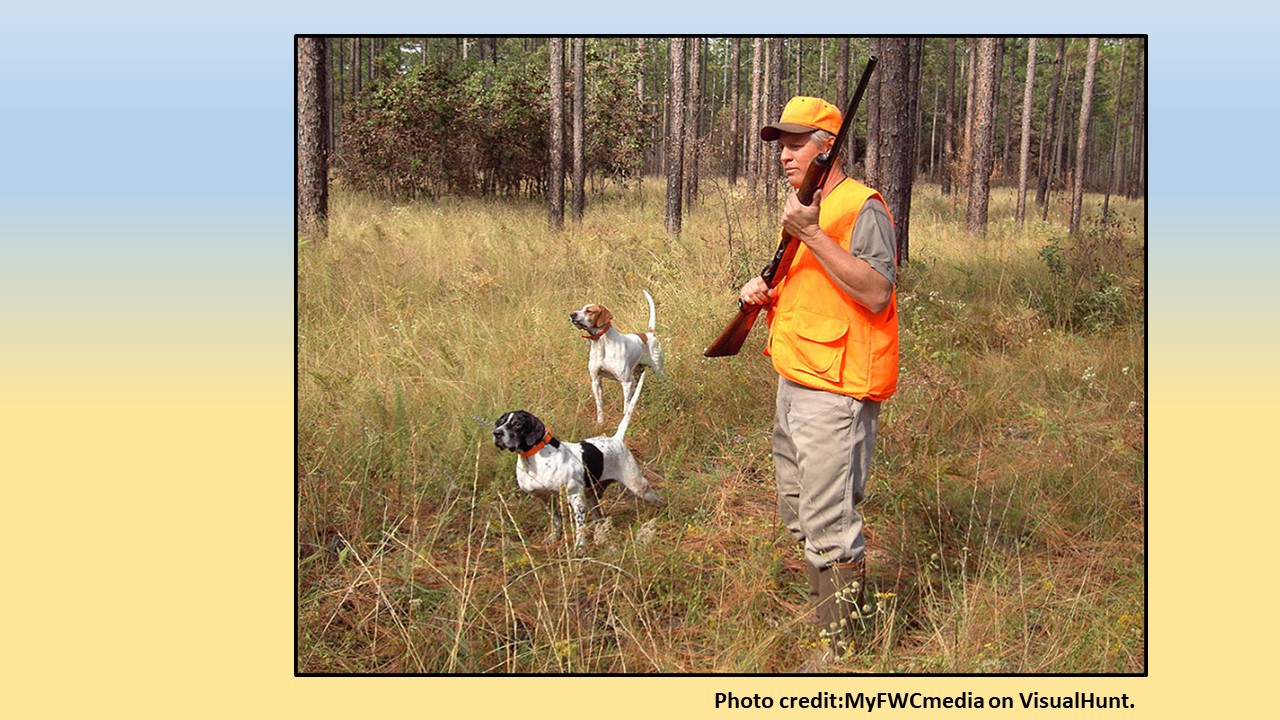 Shocked and a bit hurt, the young Robert Ruark handed his gun to his granddad, who set the safety, then headed out to the dogs. As the covey flushed, he shot a bird. When he came back, the boy yelled, “Why’d you take the gun away from me? It’s my gun. It ain’t your gun.”
 I wonder what the Old Man would have thought about the way the Israelites hunted quail. He probably wouldn’t care for it, but I expect he would understand God’s intention of teaching the Hebrew people some good habits such as placing their trust in the Lord. The land between is a good place to learn good habits.
 It’s almost as if God decides to overwhelm the Hebrew people with quail as a way to show them his power. They should have been thankful that the birds were quail and not ravens. Had it been the later, Alfred Hitchcock’s movie, “The Birds,” would could have been Biblical. But instead of the birds attacking, they are easily caught by the Israelites.
 I’ve been reading Eugene Peterson’s collection of sermons on Jeremiah, a prophet at a time when Israel was again facing some discipline. We don’t like the idea of discipline or judgment, do we? But it’s a frequent topic in scripture, probably because we (as humans) are so hard headed. Listen to what Peterson says about the topic:
 Scripture discusses judgment and discipline a lot. Some of you may think there’s too much judgment and discipline in Bible, but as Jeff Manion reminds us in his book, The Land Between, we have an advantage. As Paul wrote to Timothy, “Scripture is useful in building us up,” and if we allow Scripture to work in such a manner, we can learn from the mistakes of others.
 Yesterday afternoon I was sailing in a race. There was J-105, a much larger and faster boat than any of the rest of us. This boat set the mark. We were coming back up the river, against the tide, which is a time that you try to keep your boat out of the current as much as possible. One way to do this is to hug the side of the channel where the current is less. But there’s the risk of running aground. We watched that J-105, knowing that its keel was much deeper than ours. If it had problems with shoals and ran aground (which would have been the only way we could have caught it), we would know to steer clear. Scripture is like that, we get to see the mistakes of the Israelites and the early disciples, and can steer clear of them. We can learn from their discipline!
 There are many Proverbs that speak of the need for discipline.
 In the land between, we see that God, our Heavenly Father, disciplines his people in order for them to grow into a nation. When we are disciplined by God, we need to remember that God is loving us. God is correcting our behavior so that we might grow in our love and trust of him. Sometimes discipline is hard. I don’t know why so many people had to get sick and some of them had to die. But the God who gives us the breath of life can also take it away. But as we see, God wants his people to trust him as they are led through the desert and into the Promised Land. It’s an important lesson, for if they don’t trust him, the people will be lost. And that goes for us, too. If we don’t trust God, we are lost. Trust God; accept his discipline as a sign of love. God wants something better from us and for us. Amen.
 Jeff Garrison
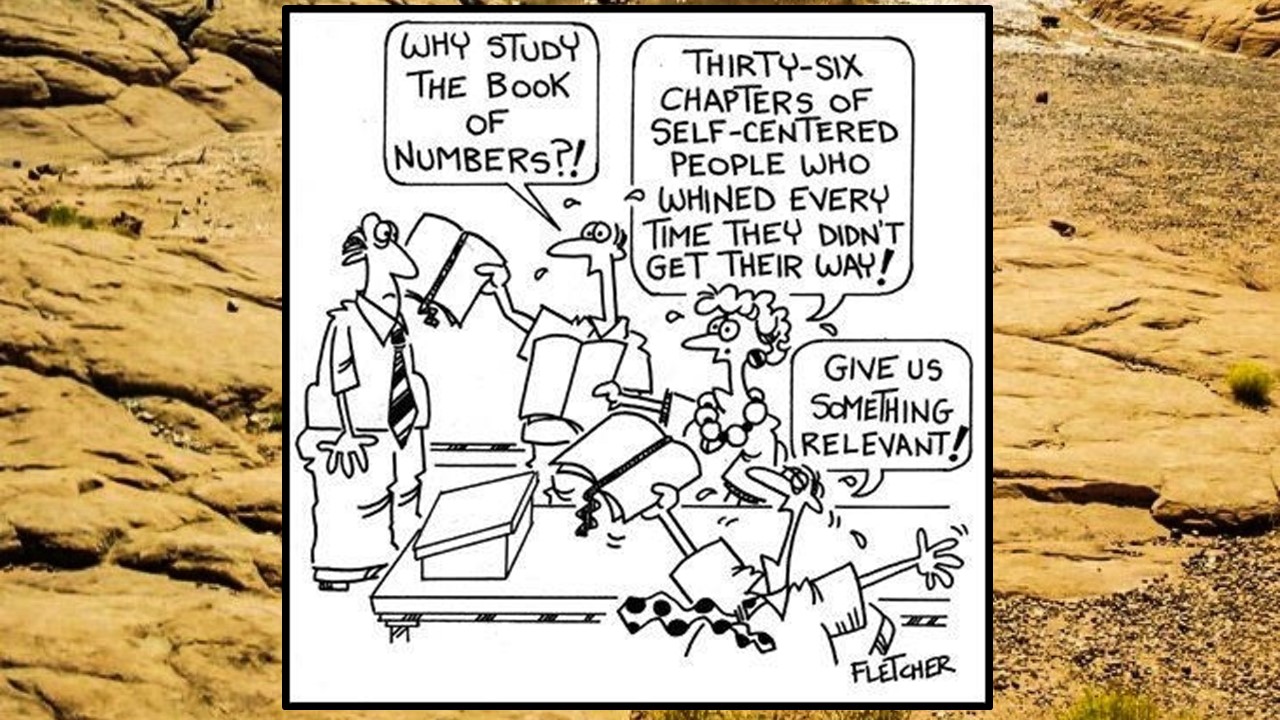 We are currently working our way through the 11th chapter of the book of Numbers. Some may wonder, “why Numbers?” After all, it’s an obscure book in the Old Testament, filled with whinny, self-centered people. What could Numbers have to do with us? Well, we’re not much different. We complain, we whine, we focus on our wants and desires, as we struggle trusting God…
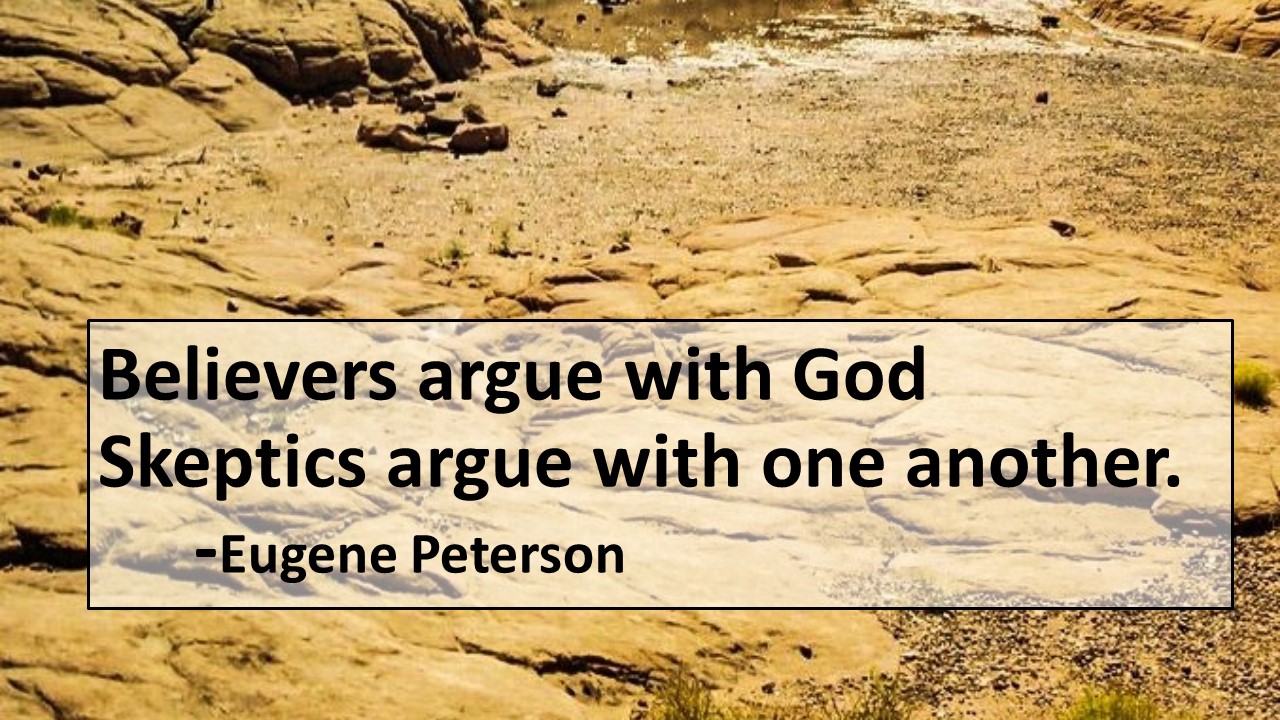 In this chapter of Numbers, the Hebrew people are in a crisis. They are in the land between, a hostile place between their former lives as slaves in Egypt and their promised future in the land of milk and honey. But they haven’t yet arrived and, in this in-between land, God forges them into a nation. They learn about temptations. In the last two weeks, we saw how it’s easy to be greedy and to complain in this land. The people’s complaints demonstrate their lack of trust in God. Moses, caught in his own land between, is being pulled apart by a grumbling people who want him to do their bidding and a God who expects him to lead the people. Although Moses also complains, he takes his complaints to God. “Believers argue with God,” I quoted last week, “skeptics argue with one another.”
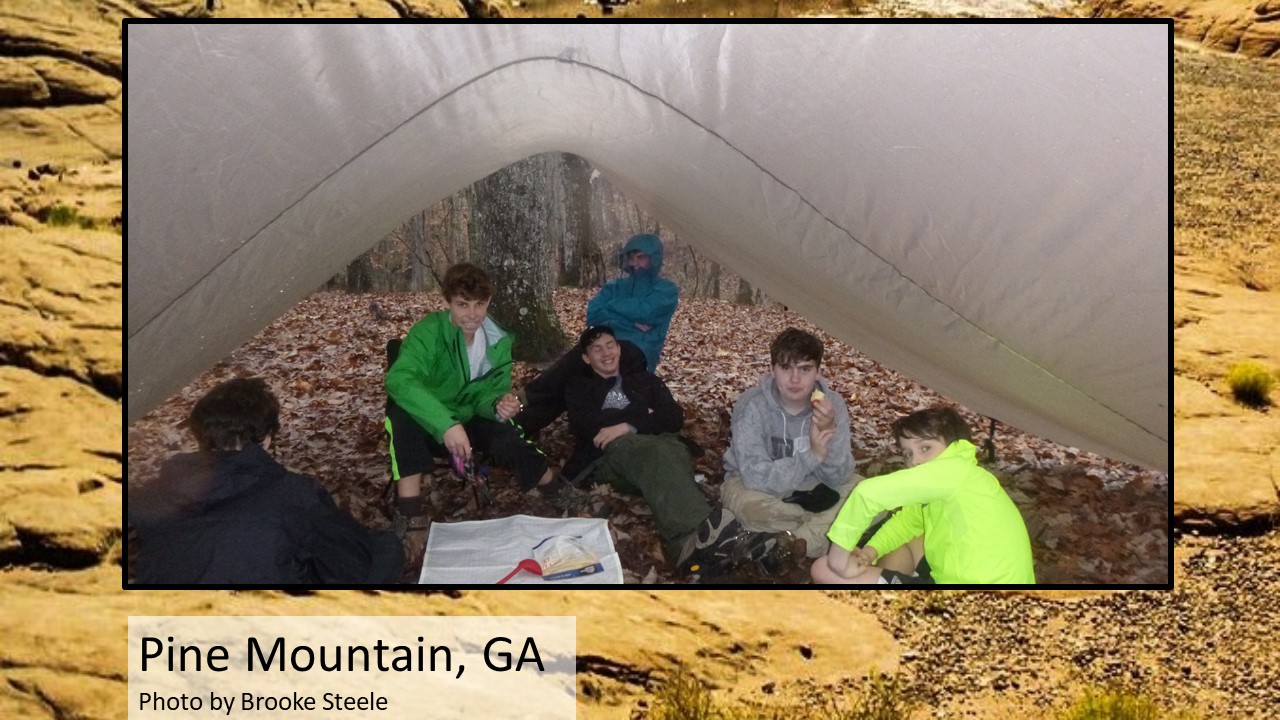
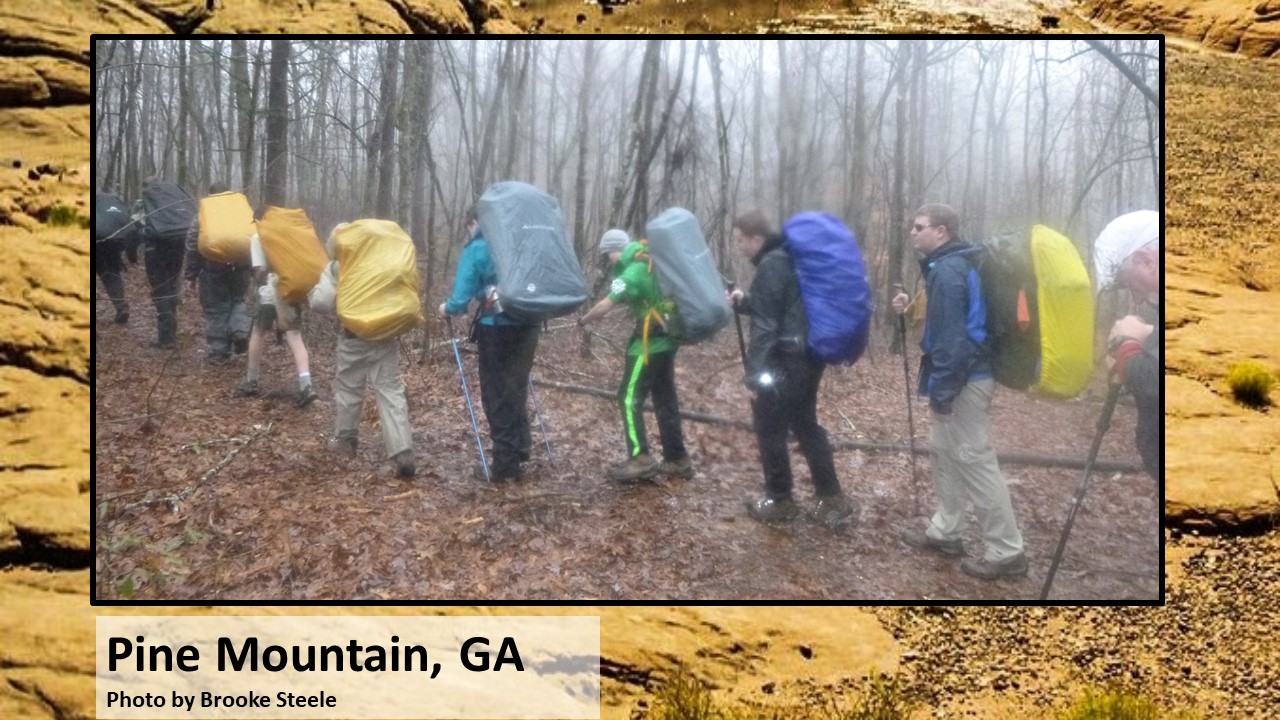 My first patrol leader was Gerald. He always seemed so mature even though he was probably 14 when I was 11. It rained on our first camping trip. That night Gerald gave his tent to two boys whose tent was flooded. Gerald said he would sleep in their tent. “Wow, this guy cares about us,” we thought. Of course, he was partly guilty for he suggested our tents to be lined up in a straight line and equal distance from one another. This one tent happened to be in a low spot. The next morning, Gerald was up early, helping build a fire. He was full of energy for one who had slept in a wet tent. We later learned he slept in the scout trailer which was even drier the rest of the tents.
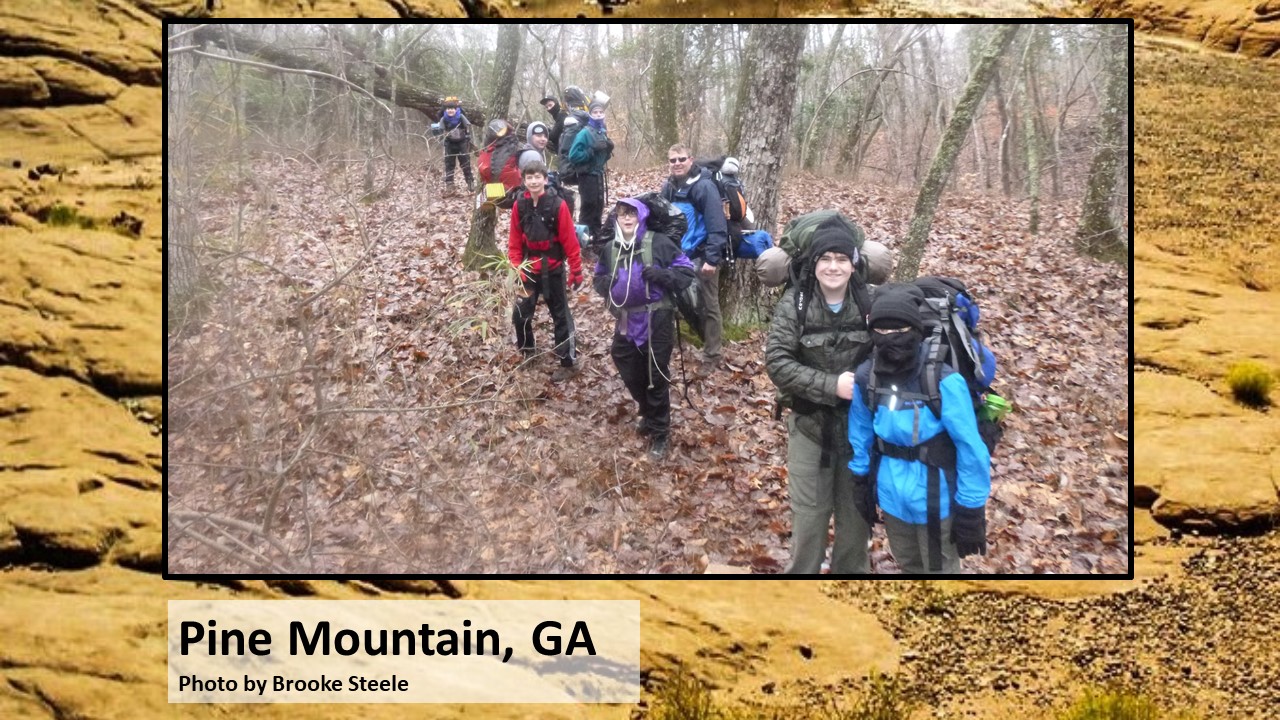 In our text today, we see God answering Moses’ pleas for help. God consecrates leading men of Israel. They’ll serve essentially as patrol leaders. Moses, with only his brother Aaron to help, has become weary by attempting to take care of everyone’s needs. Moses is like a scoutmaster without patrol leaders or an army general with no junior officers and no NCOs to implement the plan. To address Moses’ weariness, God has Moses pick seventy leaders from among the people and then takes some of the Spirit that was on Moses and gives it to those seventy. A new generation of leadership is established. This is the way the scouting program works. Those in leadership positions are constantly training new ones as younger scouts slowly take on the responsibility of the troop. And it’s the way the church is to work. As new leaders are elected, they are ordained by the church with the older leaders laying their hands on the new as a sign of ordination.
 The people who have been complaining will also experience God’s answer to their prayer. Moses is to have them to get ready. They’re going to be eating meat! Of course, because they haven’t trusted God, they’ll eat so much meat they will get sick of it. It’ll be coming out of their nostrils, which isn’t a very pleasing picture. They had thought God had brought them into the wilderness in order that they might die, but now they’ll once again experience God’s power. God is able to answer their prayers and, in this case, will answer it in a way that they’ll wish God hadn’t.
 You know, it’s amazing I still love peanut butter. One day, when I was in the second or third grade, I was hungry after the academic rigors of the classroom. I came home from school and went into the kitchen in search of nourishment. I spotted a large jar of peanut butter, a three pounder. It’d just been open. It was full. Seeing no one around, I unscrewed the lid and dug out a finger-full. I licked it off my finger. It was so good! Then went for another scoop. I bet none of the Scouts have every done this, have you? About the point that I had dug out a second finger full of peanut butter, my mom walked into the kitchen and yelled a few chosen words that I had not known were in her vocabulary.
 When we are in the land between, there are plenty of opportunities to experience and learn from God’s graciousness. This is true for our scouts and all the rest of us, for we are in the land between, often, throughout our lives. We are all on a journey to a promised land, to the promised kingdom, to the heavenly banquet. And along the way, we should learn what we can. Amen.